

Tokenized Gold Explained for Beginners
Introduction
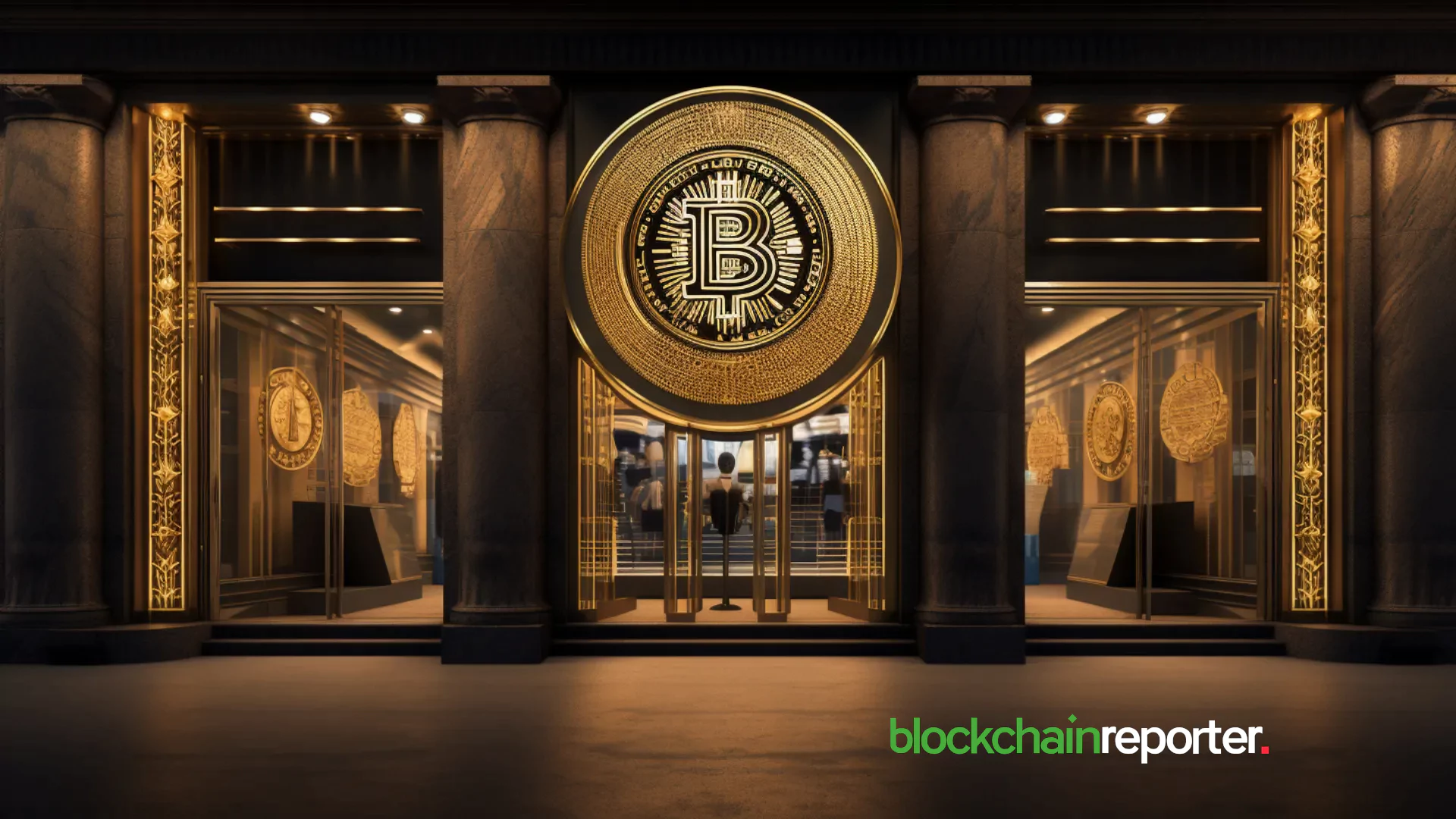
Literally, materially, economically, monetarily, gold has always surpassed any other store of value in human history. With a market cap now reaching over $35 trillion, it has been making waves in the news every other day. The uptrend has been unprecedented and phenomenal, but many aspiring investors remain sidelined due to a lack of sufficient capital to gain real exposure to this precious metal. And here comes tokenization to console the sidelined investors, who cannot enjoy the price action of gold without actually owning and having to worry about storing it. Crypto developers have proposed a practical solution to the problem: tokenized gold in the sector of real-world assets in the crypto market.
What is Tokenized Gold?
Tokenized gold is a blockchain-based asset that has a specific quantity of gold behind it, and represents legal ownership rights. The developers of the project buy real gold, keep it in custody, and issue crypto tokens on a blockchain in the amount corresponding to the gold in custody. The representation of the token depends on the developers’ own strategy and the intended tokenomics of the project. One token may be equal to one gram or one ounce.
How Tokenized Gold Works
As hinted earlier, the crypto tokens that represent gold are really tethered to gold, which the issuing authority actually owns. It saves general investors from the hassle of storing the precious metal, which ends up in the insured vaults of the issuer. A process of verification is duly completed by recording the weight, purity, and serial number of the stored bars. Thereafter, investors get the tokens for buying, selling, and trading on any of the popular blockchains in the crypto market.
Initially, all the gold belongs to the issuers. When a trader buys a token, the ownership of the corresponding quantity of the stored gold changes on the blockchain. Now, if the trader redeems the token, the issuer is bound either to pay the equivalent amount of gold or its value. Afterwards, the token is burnt permanently to keep the tethering equal.
The Significance of the Idea
The most serious issue that the tokenization of gold claims to resolve is that it is practically impossible for small investors to buy gold with the meager savings they usually manage. Dramatic price action shown by gold has made it difficult even for those who had been thinking about buying gold. The amount of gold bought with little money, if any shop offers it at all, is so tiny and insignificant that it can easily be misplaced during any shifting process. Besides, those who can afford to buy in large amounts ultimately turn to safe storage options like lockers, which incur additional cost. On the other hand, you can buy a gold-tethered crypto token as per your budget, no matter how small it is.
Moreover, shops are open for a fixed time of the day. Even if a trader opts to trade gold on an exchange, it does not offer trading around the clock. A token on a crypto exchange is open for trading 24/7. You do not need to wait for an exchange to open.
Ownership and Transparency
Where the crypto market is infamous for manipulation, scams, and fraudulent practices, it also has a few strengths that help it win traction among the public. Among these plus points is transparency and decentralization. A blockchain is like a public ledger on which every transaction is recorded, making it visible to everyone. The movement of tokenized gold is traceable, and some issuers even let holders check the exact gold bar backing their token through serial numbers and audit reports.
Independent accounting firms regularly verify that the vault contains enough gold to match circulating tokens. This verification is important because the gold itself stays off the blockchain, so trust in custody and auditing remains necessary.
Examples in the Real Market
Today’s crypto market is teeming with examples of gold being traded in the form of crypto tokens. Just as Bitcoin has different tickers on different ETF platforms, tokenized gold also comes with variable titles. This article has also stated that different tokenized versions of gold represent different amounts. For example, XAUT/USDT, Tether Gold, represents one troy ounce. The gold stored in the Swiss vaults backs this token, which is available for trading on Binance and OKX. Also, Binance, Kraken, and Crypto.com have listed PAXG/USDT (Paxos Gold), which has physical reservoirs in London. Furthermore, Kinesis Gold (KAU/USDT), Matrixdock Gold (XAUM/USDT), and Comtech Gold (CGO/USDT) represent one gram of gold each.
Risks and Limitations
Despite innovation, it is not completely trustless. The blockchain proves token ownership, but cannot physically verify the gold in vaults. Users have to rely on the issuing company, auditors, and legal systems to ensure backing exists. Redemption conditions may also vary. Large minimum amounts, location restrictions, or fees can apply when requesting real metal delivery. Therefore, tokenized gold is closer to a digital claim on gold rather than gold stored personally at home.
Regulation and Future Outlook
Governments have started defining rules for real-world asset tokens. Regulated issuers publish audits and operate under financial authorities to increase confidence. As legal clarity improves, banks and payment apps are expected to integrate tokenized commodities. Experts believe the technology may eventually connect global trade settlement with physical assets. Instead of transferring currency, companies could settle invoices directly in gold value recorded on blockchain networks.
Conclusion
The sum and substance of the discussion is that, regardless of the fact that gold has occupied a stable and secure place among all assets humans have ever traded, it is inconvenient to buy and hold it for small investors as well as whales. The tokenization of this precious metal has made gold accessible to every investor. It is as easy to buy and sell gold now as sending a message to someone online. Also, there is no need to worry about its storage or theft. Real gold stays with the issuer of the token, who keeps the metal in duly protected vaults.
You May Also Like

The Federal Reserve cut interest rates by 25 basis points, and Powell said this was a risk management cut
SEC Approves Generic Listing Standards for Crypto ETFs
