The post Trump threatenes a 200% tariff on Chinese magnets if exports to the U.S. don’t increase appeared on BitcoinEthereumNews.com. Donald Trump on Monday warned that the U.S. could slap a 200% tariff on Chinese magnets if Beijing doesn’t increase shipments to American industries. Speaking to reporters, Trump said, “We have to charge them 200 percent tariff or something,” adding, “I could destroy China, but I won’t do it.” This is coming after China’s April decision to restrict exports of rare earth magnets, which are needed to manufacture products like smartphones, chips, electric vehicles, and even defense systems (very important for America). Beijing added several magnet-related materials to its export control list after Washington increased tariffs earlier this year. China currently controls 90% of the global magnet supply, putting the U.S. and its allies in a tight spot as they race to secure critical tech components. White House extends tariff deadline as minerals stockpile rises The situation intensified after the U.S. took a 10% stake in Intel, one of the biggest chipmakers in the world. Intel relies on China’s rare earths for chip production, making supply disruptions a threat to U.S. technology development. Around the same time, Chinese rare earth exports jumped in July. Government data showed rare earth ore shipments grew by over 4,700 tonnes from June, giving Beijing more weight to throw around in negotiations. Trump signed an executive order this month extending a 90-day delay on new tariff hikes against Chinese imports. If the order hadn’t been signed, tariffs on Chinese goods would have surged to 145%. Earlier this year, Washington and Beijing had agreed to drop tariffs temporarily—U.S. tariffs from 145% to 30%, and Chinese tariffs from 125% to 10%. That truce, however, is set to expire on November 9. Between January and April 2025, the average U.S. tariff rate rose from 2.5% to 27%, reaching its highest level in more than 100 years. By August… The post Trump threatenes a 200% tariff on Chinese magnets if exports to the U.S. don’t increase appeared on BitcoinEthereumNews.com. Donald Trump on Monday warned that the U.S. could slap a 200% tariff on Chinese magnets if Beijing doesn’t increase shipments to American industries. Speaking to reporters, Trump said, “We have to charge them 200 percent tariff or something,” adding, “I could destroy China, but I won’t do it.” This is coming after China’s April decision to restrict exports of rare earth magnets, which are needed to manufacture products like smartphones, chips, electric vehicles, and even defense systems (very important for America). Beijing added several magnet-related materials to its export control list after Washington increased tariffs earlier this year. China currently controls 90% of the global magnet supply, putting the U.S. and its allies in a tight spot as they race to secure critical tech components. White House extends tariff deadline as minerals stockpile rises The situation intensified after the U.S. took a 10% stake in Intel, one of the biggest chipmakers in the world. Intel relies on China’s rare earths for chip production, making supply disruptions a threat to U.S. technology development. Around the same time, Chinese rare earth exports jumped in July. Government data showed rare earth ore shipments grew by over 4,700 tonnes from June, giving Beijing more weight to throw around in negotiations. Trump signed an executive order this month extending a 90-day delay on new tariff hikes against Chinese imports. If the order hadn’t been signed, tariffs on Chinese goods would have surged to 145%. Earlier this year, Washington and Beijing had agreed to drop tariffs temporarily—U.S. tariffs from 145% to 30%, and Chinese tariffs from 125% to 10%. That truce, however, is set to expire on November 9. Between January and April 2025, the average U.S. tariff rate rose from 2.5% to 27%, reaching its highest level in more than 100 years. By August…

Trump threatenes a 200% tariff on Chinese magnets if exports to the U.S. don’t increase

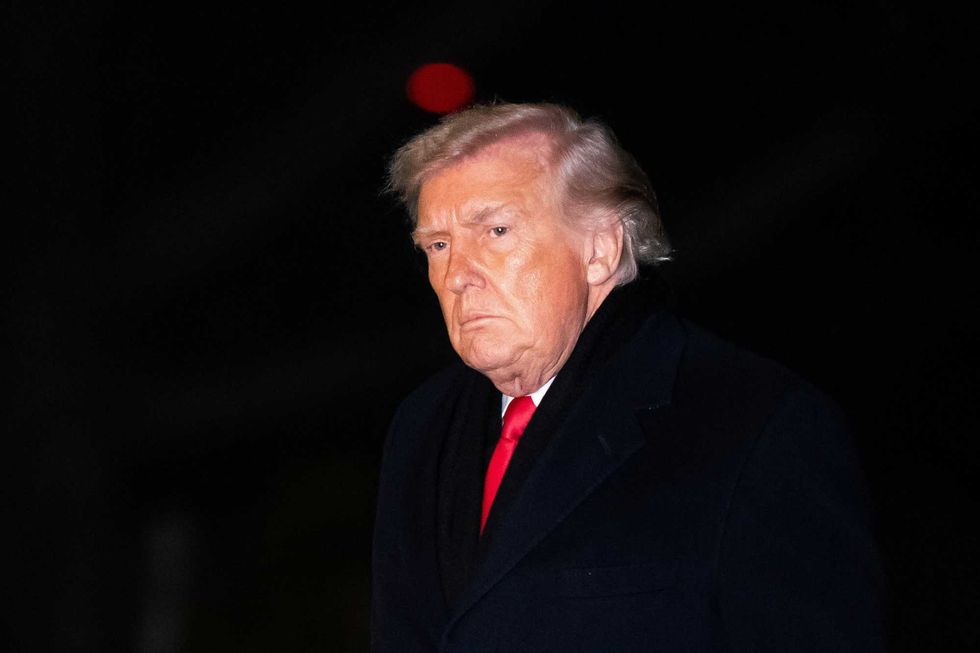
Donald Trump on Monday warned that the U.S. could slap a 200% tariff on Chinese magnets if Beijing doesn’t increase shipments to American industries.

Speaking to reporters, Trump said, “We have to charge them 200 percent tariff or something,” adding, “I could destroy China, but I won’t do it.”

This is coming after China’s April decision to restrict exports of rare earth magnets, which are needed to manufacture products like smartphones, chips, electric vehicles, and even defense systems (very important for America).

Beijing added several magnet-related materials to its export control list after Washington increased tariffs earlier this year. China currently controls 90% of the global magnet supply, putting the U.S. and its allies in a tight spot as they race to secure critical tech components.

White House extends tariff deadline as minerals stockpile rises

The situation intensified after the U.S. took a 10% stake in Intel, one of the biggest chipmakers in the world. Intel relies on China’s rare earths for chip production, making supply disruptions a threat to U.S. technology development.

Around the same time, Chinese rare earth exports jumped in July. Government data showed rare earth ore shipments grew by over 4,700 tonnes from June, giving Beijing more weight to throw around in negotiations.

Trump signed an executive order this month extending a 90-day delay on new tariff hikes against Chinese imports. If the order hadn’t been signed, tariffs on Chinese goods would have surged to 145%.

Earlier this year, Washington and Beijing had agreed to drop tariffs temporarily—U.S. tariffs from 145% to 30%, and Chinese tariffs from 125% to 10%. That truce, however, is set to expire on November 9.

Between January and April 2025, the average U.S. tariff rate rose from 2.5% to 27%, reaching its highest level in more than 100 years. By August 2025, it was adjusted to 18.6% after policy tweaks.

Still, the rate remains far above historical norms. As of July, tariffs made up 5% of total U.S. federal revenue, more than doubling the usual share.

Trump invokes IEEPA, enacts new universal tariff and eliminates exemptions

Using Section 232 of the 1962 Trade Expansion Act, Trump also pushed through major increases in steel, aluminum, and copper tariffs, all raised to 50%. He placed a 25% duty on imported cars from most countries and signaled upcoming tariffs on pharmaceuticals, semiconductors, and more.

On April 2, he took things even further, invoking the International Emergency Economic Powers Act (IEEPA) to authorize a universal 10% tariff on all imports from countries without separate deals. That policy kicked in on April 5.

Country-specific tariffs were paused after the 2025 stock market crash, but the White House reactivated them on August 7. This reignited tensions with Canada and Mexico, while pouring more fuel on the U.S.–China dispute.

At its peak, the U.S. slapped 145% baseline tariffs on Chinese imports. China responded with 125% tariffs on U.S. goods. The temporary agreement to ease duties is now close to collapse.

Trump also signed an executive order that will take effect on August 29, 2025, ending the de minimis exemption that had allowed shipments under $800 to bypass tariffs. With the exemption gone, small packages, especially those from Chinese e-commerce platforms, will now face full tariffs like everything else.

Get seen where it counts. Advertise in Cryptopolitan Research and reach crypto’s sharpest investors and builders.

Source: https://www.cryptopolitan.com/trump-200-tariffs-on-china-over-magnets/

Market Opportunity
Threshold Logo
Threshold Price(T)
$0,009951
$0,009951$0,009951
-2,31%
USD
Threshold (T) Live Price Chart
Disclaimer: The articles reposted on this site are sourced from public platforms and are provided for informational purposes only. They do not necessarily reflect the views of MEXC. All rights remain with the original authors. If you believe any content infringes on third-party rights, please contact service@support.mexc.com for removal. MEXC makes no guarantees regarding the accuracy, completeness, or timeliness of the content and is not responsible for any actions taken based on the information provided. The content does not constitute financial, legal, or other professional advice, nor should it be considered a recommendation or endorsement by MEXC.

You May Also Like

South Korea Launches Innovative Stablecoin Initiative

South Korea Launches Innovative Stablecoin Initiative

The post South Korea Launches Innovative Stablecoin Initiative appeared on BitcoinEthereumNews.com. South Korea has witnessed a pivotal development in its cryptocurrency landscape with BDACS introducing the nation’s first won-backed stablecoin, KRW1, built on the Avalanche network. This stablecoin is anchored by won assets stored at Woori Bank in a 1:1 ratio, ensuring high security. Continue Reading:South Korea Launches Innovative Stablecoin Initiative Source: https://en.bitcoinhaber.net/south-korea-launches-innovative-stablecoin-initiative
Share
BitcoinEthereumNews2025/09/18 17:54
Hong Kong Backs Commercial Bank Tokenized Deposits in 2025

Hong Kong Backs Commercial Bank Tokenized Deposits in 2025

The post Hong Kong Backs Commercial Bank Tokenized Deposits in 2025 appeared on BitcoinEthereumNews.com. HKMA to support tokenized deposits and regular issuance of digital bonds. SFC drafting licensing framework for trading, custody, and stablecoin issuers. New rules will cover stablecoin issuers, digital asset trading, and custody services. Hong Kong is stepping up its digital finance ambitions with a policy blueprint that places tokenization at the core of banking innovation.  In the 2025 Policy Address, Chief Executive John Lee outlined measures that will see the Hong Kong Monetary Authority (HKMA) encourage commercial banks to roll out tokenized deposits and expand the city’s live tokenized-asset transactions. Hong Kong’s Project Ensemble to Drive Tokenized Deposits Lee confirmed that the HKMA will “continue to take forward Project Ensemble, including encouraging commercial banks to introduce tokenised deposits, and promoting live transactions of tokenised assets, such as the settlement of tokenised money market funds with tokenised deposits.” The initiative aims to embed tokenized deposits, bank liabilities represented as blockchain-based tokens, into mainstream financial operations. These deposits could facilitate the settlement of money-market funds and other financial instruments more quickly and efficiently. To ensure a controlled rollout, the HKMA will utilize its regulatory sandbox to enable banks to test tokenized products while enhancing risk management. Tokenized Bonds to Become a Regular Feature Beyond deposits, the government intends to make tokenized bond issuance a permanent element of Hong Kong’s financial markets. After successful pilots, including green bonds, the HKMA will help regularize the issuance process to build deep and liquid markets for digital bonds accessible to both local and international investors. Related: Beijing Blocks State-Owned Firms From Stablecoin Businesses in Hong Kong Hong Kong’s Global Financial Role The policy address also set out a comprehensive regulatory framework for digital assets. Hong Kong is implementing a regime for stablecoin issuers and drafting licensing rules for digital asset trading and custody services. The Securities…
Share
BitcoinEthereumNews2025/09/18 07:10
Jerome Powell & A Hard Money Moment

Jerome Powell & A Hard Money Moment

With Trump teeing up a personally controlled Federal Reserve, hard money seems like an easy bet, but Bitcoin and gold aren't behaving the same.
Share
Coinstats2026/01/15 06:30