Strategy Continues Bitcoin Buying Spree with $357M Purchase at $115K

This latest purchase shows Strategy’s commitment to buying Bitcoin even when prices drop. The company now owns 632,457 Bitcoin worth about $46.5 billion, with an average purchase price of $73,527 per coin.
Bitcoin Price Pressure Despite Buying
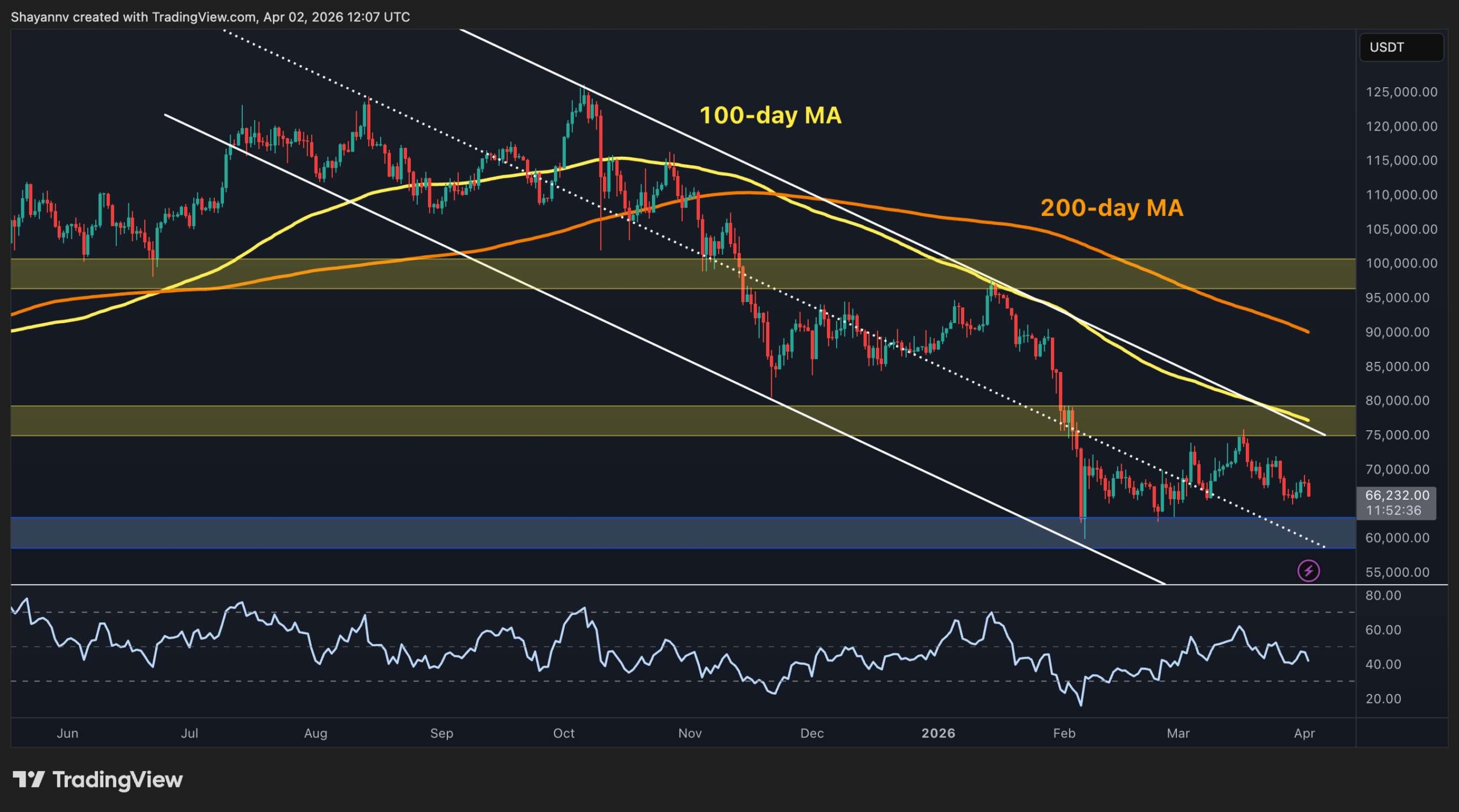
Bitcoin started last week trading around $116,700 but dropped to $112,000 by Thursday. The cryptocurrency reached an all-time high of $124,290 on August 14, making current prices about 10% below peak levels.
Strategy’s purchase did not boost Bitcoin’s price as it has in the past. This breaks a pattern where major corporate Bitcoin buys typically caused short-term price increases. Some analysts point to “institutional saturation” as a reason why large purchases no longer move markets the same way.
The company’s August buying has been much smaller than previous months. Strategy bought only 3,666 Bitcoin total in August, compared to 31,466 Bitcoin purchased in July 2025. This represents the company’s smallest monthly purchases since March 2025.
Funding Through Stock Sales
Strategy funded this Bitcoin purchase through $357 million in stock sales using its at-the-market offering programs. The company still has $26.6 billion in remaining financing capacity from various stock and debt programs.

Source: @Strategy
Strategy has raised over $10 billion in 2025 through multiple financing methods, including preferred stock offerings and convertible debt. The company’s financing strategy allows it to continue buying Bitcoin regardless of market conditions.
The company issues different types of securities to appeal to various investors. These include common stock, preferred stock that pays dividends, and convertible bonds that can be exchanged for stock later.
Performance Targets and Results
Strategy’s Bitcoin yield reached 25.4% year-to-date as of Monday, beating the company’s previous target of 25%. The Bitcoin yield measures how much the company’s Bitcoin holdings have grown compared to its outstanding shares.
Because of strong performance, Strategy raised its 2025 targets in July. The company now aims for a Bitcoin yield of 30% instead of 25%. It also increased its Bitcoin gain target from $15 billion to $20 billion.
Strategy originally planned for a 15% yield in 2025 but raised expectations multiple times as Bitcoin performed better than expected. In 2024, the company achieved a 74.3% Bitcoin yield.
“Buy the Top Forever” Strategy
Strategy follows an unusual approach compared to most investors. CEO Michael Saylor has said he prefers buying Bitcoin when prices are high rather than waiting for dips. “I’m going to be buying the top forever. Bitcoin is the exit strategy,” Saylor stated in 2024.
This strategy goes against typical investment advice about buying low and selling high. Saylor believes Bitcoin will continue rising over the long term, making current prices look cheap in the future.
Strategy changed its name from MicroStrategy in February 2025 and adopted an orange logo featuring Bitcoin’s “B” symbol. The rebrand reflects the company’s transformation into what it calls the “world’s first Bitcoin Treasury Company.”
The company’s stock price has become closely tied to Bitcoin’s performance. Strategy shares have gained about 23% year-to-date but remain below their November 2024 peaks. The stock has experienced high volatility, often moving more dramatically than Bitcoin itself.
Financial Risks and Leverage
Strategy’s heavy focus on Bitcoin creates significant financial risks. The company holds only $60.3 million in cash compared to $43.5 billion worth of Bitcoin as of March 2025. This means the company’s financial health depends almost entirely on Bitcoin’s price performance.
The company has taken on substantial debt to fund Bitcoin purchases. Strategy has issued over $7 billion in convertible bonds and other debt instruments over the past several years. CEO Michael Saylor has acknowledged that if Bitcoin fell 90% and stayed down for several years, shareholders would suffer significantly due to the company’s leverage.
Critics have called Strategy’s model unsustainable, comparing it to a Ponzi scheme. They argue the company creates a feedback loop where Bitcoin purchases drive up prices, boosting Strategy’s market value, which allows more capital raising for additional Bitcoin buys.
Strategy’s software business has struggled for years, with cumulative losses exceeding $1.4 billion since 2000. The company’s revenue has declined over the past decade, making Bitcoin gains essential for shareholder returns.
Market Impact and Broader Trends
Strategy now controls about 3% of all Bitcoin that will ever exist, since Bitcoin’s supply is limited to 21 million coins. This massive holding gives the company significant influence over Bitcoin markets.
Other companies have followed Strategy’s approach. Japanese firm Metaplanet plans to raise $3.7 billion for Bitcoin purchases, while several other corporations have added Bitcoin to their balance sheets.
The trend reflects growing corporate acceptance of Bitcoin as a treasury asset rather than just a speculative investment. However, the lack of price response to recent purchases suggests the market may be reaching saturation levels for institutional buying.
What Comes Next
Strategy continues working toward its goal of owning one million Bitcoin. The company’s current pace would require several more years to reach this target, especially with the slower August buying pattern.
Bitcoin’s recent price action suggests the cryptocurrency may be breaking its traditional four-year cycle pattern. Institutional adoption and regulatory changes have altered market dynamics compared to previous boom-and-bust cycles.


You May Also Like

Edges higher ahead of BoC-Fed policy outcome

Crypto Supercycle in 2025? DeepSeek Ranks the Best Altcoins to Buy Right Now