Stop chasing noise – filter the news to trade in today’s data-overloaded markets
Many news stories look dramatic or sensational, but they’re almost as impactful as 2026 travel guides or fashion trends – almost no real power to move the markets. Some announcements can barely create a ripple, while others trigger quite unexpected yet fleeting reactions. For traders like you, failing to differentiate news by its market impact can be costly. Spending energy on insignificant reports you come by means wasted time, so before this time turns into wasted capital, you’d better learn what information to consume to make pertinent decisions.
Filtering news also means you’ll expose yourself only to events that can actually influence your positions, allowing you to maintain a strategic discipline. Instead of reacting emotionally to headlines, you’ll know which is worth what and what has market impact.
Markets that react to financial news
Financial news affects every financial market, including crypto, forex, stock, commodity, and more. However, it’s the report’s content, the importance of the upcoming events, and the market’s sentiment toward the news that determine how deep the reaction actually is.
This is how the most vulnerable financial markets react to news:
Cryptocurrency
Crypto markets, for instance, may not react to central bank news directly or immediately, but measures such as the launch of new crypto-based products, adoption decisions, or regulatory upgrades can trigger swings. Headlines and ongoing events impact the overall sentiment of traders and investors, often shaping their immediate investment decisions.
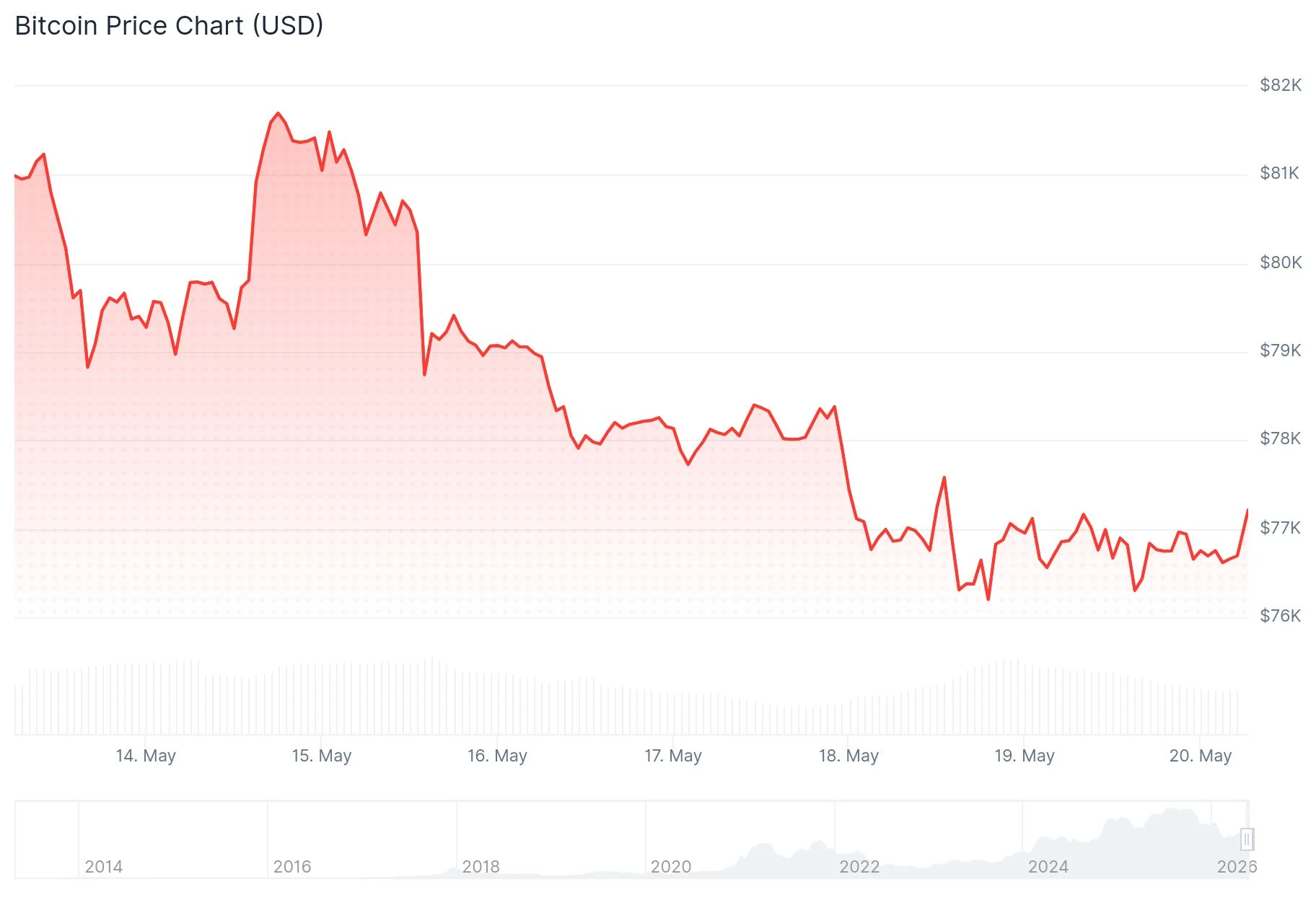
News sensitivity is a key driver of the wild volatility of BTC, ETH, XRP, and the broader crypto market.
Stocks
Stock markets are also highly sensitive to economic and corporate events – earnings reports, unemployment numbers, GDP movements, inflation data, geopolitical developments, and central bank announcements can all affect equity prices. Indices like the S&P 500, Dow Jones Industrial Average, and Nasdaq Composite can shift dramatically depending on investors’ interpretations of economic health and future growth expectations.
Because the market is future-oriented, it quickly prices in the meaning of such events and triggers movements.
Commodities
Commodities like gold and oil are quick to respond to geopolitical events and changes in supply and demand. Their prices depend on factors such as corporate production decisions, trade policy changes, currency fluctuations, demand for raw materials, and natural disasters – you name it.
Stocks are more sensitive to corporate performance, but commodities react more deeply to factors like these.
The Forex market deserves heightened attention
High-impact events such as CPI, PMI, GDP, and NFP have the greatest potential to move markets, which is why traders focus so much on tracking them. These events don’t just influence Forex but the larger financial ecosystem, including stocks, crypto, commodities, and more, often shaping perceptions around which economy may support the strongest currency in the world. To keep up, traders rely on tools like economic calendars, event filters, news feeds, market data dashboards, etc. Think of these tools as an organized control center where every upcoming event is logged, ranked by importance, and paired with real-time updates and performance metrics like predictions, accurate impact, and historic outcomes. Many traders combine these tools with additional indicators, like the Xhmaster Formula Indicator, which indicates market direction and streamlines chart reading.
One of the most widely used solutions in this regard is the Forex Factory ecosystem, a place where you can monitor the events that really matter in a structured way, unbothered by data you don’t need. It’s designed so that all types of newcomers can explore and leave with some useful insights, and packs more features, including market analysis, real-time chart patterns and quotes, trades tracking, and forums – the latter of which you’re encouraged to use if you have any questions you’d want more experienced traders to help you with.
Forex markets offer a real example of how economic events bear on financial markets. Tools like the one mentioned above help traders avoid getting overwhelmed and ensure they can respond accurately to whatever the market brings their way – therefore reacting only to meaningful information.
High-impact news – the data that matters the most
As the name implies, high-impact data has the most potential to impact markets. Think economic, geopolitical, corporate, and so on:
- Inflation reports like PPI and CPI which point to interest rate policy changes
- GDP reports can affect currencies, which can have an effect on entire markets
- Interest rate disclosures can additionally impact currency and asset prices
- Political events like elections can trigger market confidence or instability
- Geopolitical frictions like trade conflicts can shift market dynamics.
Practical noise filtering tips
Successful traders know the recipe for confusion and loss is reacting to every headline, so they adopt strategic patience. This means engaging in practices like monitoring forecasts vs. actuals and observing how markets respond to different events. If a report aligns with expectations, prices may remain stable, but if it takes the market aback, opportunities – or risks – may emerge.
Filtering noise also comes down to correctly interpreting signals. A medium-impact report on U.S. employment, for instance, may not affect crypto prices at all, but it may sway USD pairs. Understanding each market’s soft spots is key to allocating your attention efficiently.
In the end, the point is to learn to focus on what really moves your targeted market, ignore the rest, and build the skill of distinguishing between the two. Only then can you master the art of strategic trading.


You May Also Like

PMI-ACP Exam Preparation: How to Use a Simulator and Practice Questions Effectively

What a $900 Investment in New Crypto Protocols Could Become by Late 2027