House bill calls for annual purchase of 2,000 bitcoin over five years as country's debt climbs above $280 billionHouse bill calls for annual purchase of 2,000 bitcoin over five years as country's debt climbs above $280 billion

Philippine Lawmaker Proposes Strategic Bitcoin Reserve Following Global Trend
Philippine Lawmaker Proposes Strategic Bitcoin Reserve Following Global Trend

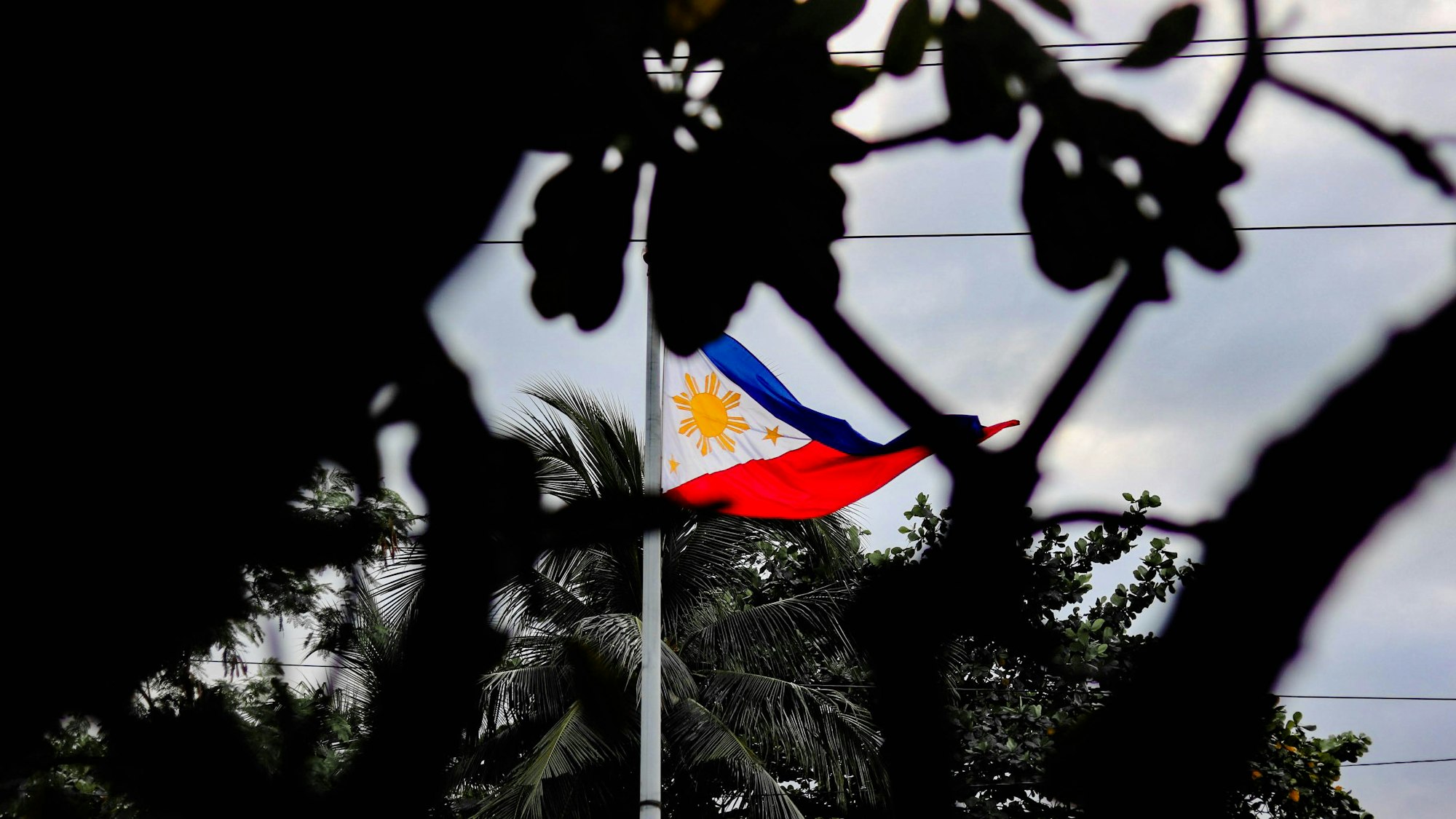
A Philippine congressman has introduced legislation to establish a Strategic Bitcoin Reserve, proposing the government purchase 2,000 Bitcoin annually for five years through the central bank as global interest in cryptocurrency reserves accelerates.

House Representative Miguel Luis Villafuerte filed the bill in the lower chamber, citing Bitcoin's 40% compound annual growth rate over five years and its recognition as "digital gold" by Federal Reserve officials. The proposed reserve would be held in trust for 20 years under management by Bangko Sentral ng Pilipinas, the country's central bank.

The legislation comes as the Philippines faces mounting fiscal pressures, with sovereign debt reaching 16.09 trillion pesos ($280 billion) by November 2024, an increase that represents 32% foreign debt and 68% domestic obligations. Villafuerte argued that diversifying into bitcoin could help safeguard the nation's financial standing amid growing debt burdens.

"The increasing significance of BTC in ensuring financial and economic prowess across continents makes it imperative for the country to take significant legislative measures," Villafuerte stated in the bill's explanatory note, positioning the reserve as providing financial stability for national interests.

The Philippine proposal follows a global wave of government bitcoin adoption initiatives. El Salvador pioneered sovereign bitcoin reserves after making the cryptocurrency legal tender, while Brazil introduced its RESBit program to allocate international reserves to Bitcoin.

In Asia, Hong Kong legislators have advocated integrating Bitcoin into the city's financial reserves, while Bhutan operates state-owned mining operations and retains mined bitcoin. Russia has begun using bitcoin for international transactions to circumvent Western sanctions, with President Vladimir Putin calling the cryptocurrency "unstoppable," Villafuerte said.

The bill notes Bitcoin's fixed supply cap of 21 million tokens, with approximately 19.9 million already mined as of late 2024. This scarcity factor has driven institutional adoption as governments seek alternatives to traditional reserve assets amid currency debasement concerns.

Current global government Bitcoin holdings show the United States leading with 207,189 Bitcoin, followed by China at 194,000 and the United Kingdom holding 61,000 tokens, according to the legislation. The proposed Philippine reserve of 10,000 bitcoin over five years would represent a significant position among sovereign holders.

Bitcoin recently reached all-time highs above $124,000 before settling around current levels above $112,000, contributing to growing institutional interest from both corporate treasuries and government entities seeking inflation hedges.

The bill requires immediate legislative approval to begin implementation, though passage through both chambers of Congress and presidential signature would be needed before the central bank could commence purchases. Philippine financial regulators have previously established frameworks for cryptocurrency operations while maintaining cautious oversight of digital asset activities.

Stay ahead of the curve with the latest industry news on Blockhead’s Telegram channel!
Market Opportunity
Housecoin Logo
Housecoin Price(HOUSE)
$0.001943
$0.001943$0.001943
-0.91%
USD
Housecoin (HOUSE) Live Price Chart
Disclaimer: The articles reposted on this site are sourced from public platforms and are provided for informational purposes only. They do not necessarily reflect the views of MEXC. All rights remain with the original authors. If you believe any content infringes on third-party rights, please contact service@support.mexc.com for removal. MEXC makes no guarantees regarding the accuracy, completeness, or timeliness of the content and is not responsible for any actions taken based on the information provided. The content does not constitute financial, legal, or other professional advice, nor should it be considered a recommendation or endorsement by MEXC.

You May Also Like

South Korea Launches Innovative Stablecoin Initiative

South Korea Launches Innovative Stablecoin Initiative

The post South Korea Launches Innovative Stablecoin Initiative appeared on BitcoinEthereumNews.com. South Korea has witnessed a pivotal development in its cryptocurrency landscape with BDACS introducing the nation’s first won-backed stablecoin, KRW1, built on the Avalanche network. This stablecoin is anchored by won assets stored at Woori Bank in a 1:1 ratio, ensuring high security. Continue Reading:South Korea Launches Innovative Stablecoin Initiative Source: https://en.bitcoinhaber.net/south-korea-launches-innovative-stablecoin-initiative
Share
BitcoinEthereumNews2025/09/18 17:54
Hong Kong Backs Commercial Bank Tokenized Deposits in 2025

Hong Kong Backs Commercial Bank Tokenized Deposits in 2025

The post Hong Kong Backs Commercial Bank Tokenized Deposits in 2025 appeared on BitcoinEthereumNews.com. HKMA to support tokenized deposits and regular issuance of digital bonds. SFC drafting licensing framework for trading, custody, and stablecoin issuers. New rules will cover stablecoin issuers, digital asset trading, and custody services. Hong Kong is stepping up its digital finance ambitions with a policy blueprint that places tokenization at the core of banking innovation.  In the 2025 Policy Address, Chief Executive John Lee outlined measures that will see the Hong Kong Monetary Authority (HKMA) encourage commercial banks to roll out tokenized deposits and expand the city’s live tokenized-asset transactions. Hong Kong’s Project Ensemble to Drive Tokenized Deposits Lee confirmed that the HKMA will “continue to take forward Project Ensemble, including encouraging commercial banks to introduce tokenised deposits, and promoting live transactions of tokenised assets, such as the settlement of tokenised money market funds with tokenised deposits.” The initiative aims to embed tokenized deposits, bank liabilities represented as blockchain-based tokens, into mainstream financial operations. These deposits could facilitate the settlement of money-market funds and other financial instruments more quickly and efficiently. To ensure a controlled rollout, the HKMA will utilize its regulatory sandbox to enable banks to test tokenized products while enhancing risk management. Tokenized Bonds to Become a Regular Feature Beyond deposits, the government intends to make tokenized bond issuance a permanent element of Hong Kong’s financial markets. After successful pilots, including green bonds, the HKMA will help regularize the issuance process to build deep and liquid markets for digital bonds accessible to both local and international investors. Related: Beijing Blocks State-Owned Firms From Stablecoin Businesses in Hong Kong Hong Kong’s Global Financial Role The policy address also set out a comprehensive regulatory framework for digital assets. Hong Kong is implementing a regime for stablecoin issuers and drafting licensing rules for digital asset trading and custody services. The Securities…
Share
BitcoinEthereumNews2025/09/18 07:10
Jerome Powell & A Hard Money Moment

Jerome Powell & A Hard Money Moment

With Trump teeing up a personally controlled Federal Reserve, hard money seems like an easy bet, but Bitcoin and gold aren't behaving the same.
Share
Coinstats2026/01/15 06:30