Best Practices for Crypto Wallet Security
Cryptsy - Latest Cryptocurrency News and Predictions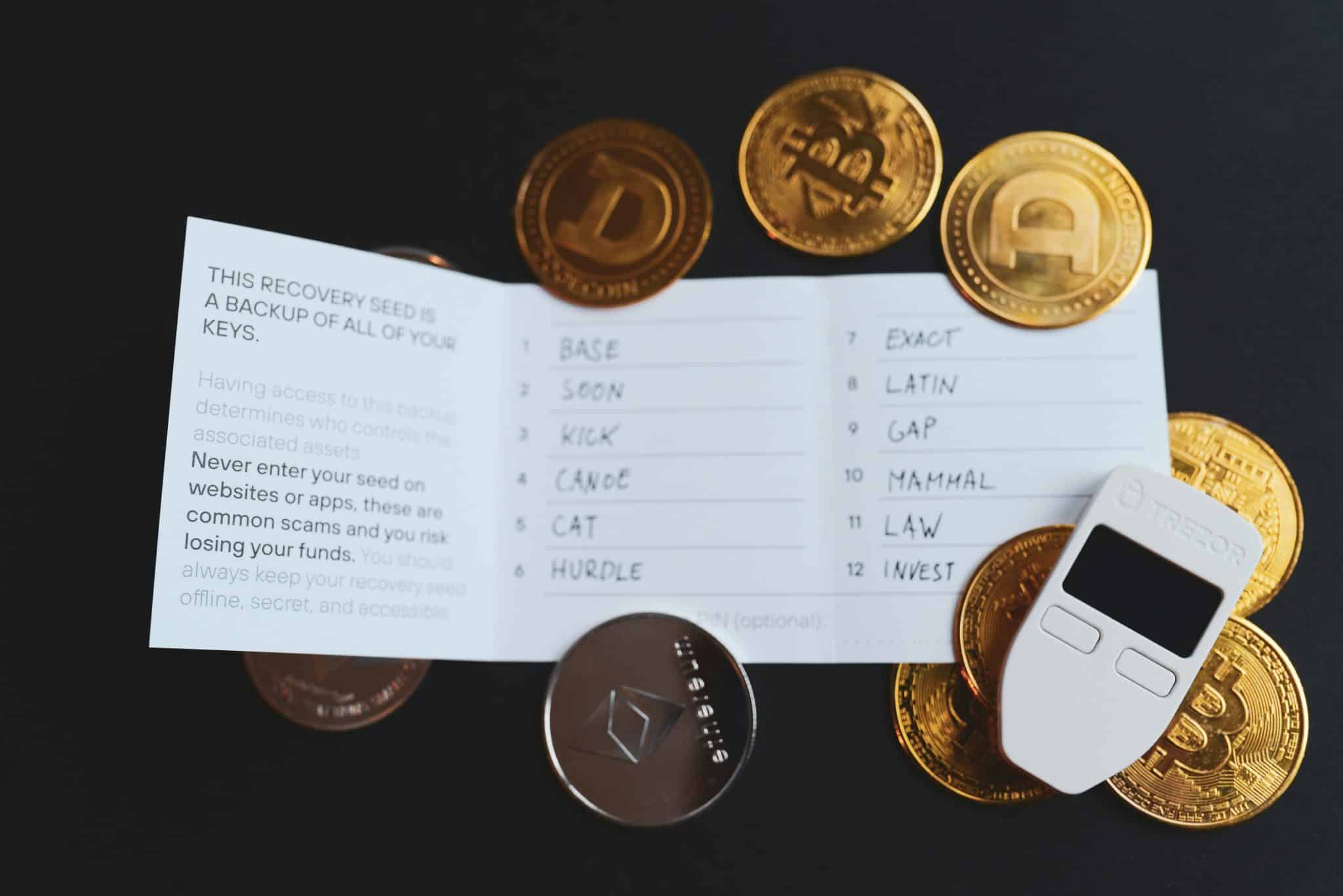
Cryptsy - Latest Cryptocurrency News and Predictions - Experts in Crypto Casinos
How can you bulletproof your crypto wallet against theft and hacking? Our concise guide will teach you the essential best practices for crypto wallet security.
From private key safeguarding to wallet type selection, we’ll arm you with practical advice without the fluff—let’s bolster your crypto defenses now.
Understanding Crypto Wallet Security
A crypto wallet is a digital tool that safeguards your private keys and enables you to access your cryptocurrency holdings.
There are primarily two types of crypto wallets: custodial, which entrusts the management of your keys to an external party, and non-custodial, which grants you complete control over your private keys but also adds the burden of ensuring their safety from potential theft.
It is imperative to secure any wallet effectively. Due to cryptocurrency’s high value, wallets can be susceptible to cyber-attacks. Beyond merely storing your assets, a crypto wallet is a gateway for engaging with blockchain networks during transactions.
In essence, managing cryptocurrency is akin to employing a Texas Hold’em strategy chart; it preserves the private keys corresponding to each cryptocurrency and contains proof that verifies ownership of those assets on said network.
Just as a poker player uses a strategy chart to make informed decisions, understanding how these wallets safeguard data is crucial for maintaining transactional integrity and protecting one’s financial stakes in this digital realm. Thus, both scenarios require meticulous strategic planning and risk assessment to ensure success and security.
Risks and Threats
Crypto wallets are at risk of phishing attacks. These tricks make you share your login details by copying real services. This lets hackers into your purse and steal your coins. Hot wallets are more at risk because they’re always online and create private keys online, giving hackers a path in.
Even paper wallets aren’t entirely safe—if the apps making them are hacked, your private information could leak. Also, bugs in wallet software could be exploited to steal your funds.
Importance of Private Keys
Private keys are essential to crypto wallet safety. They let you authorize transactions and decrypt data, letting you use your crypto on the blockchain. Your private key is like a secret code for accessing your digital money.
But private keys come with risks, too. If you lose or leak your private key, hackers could drain your crypto wallet. That’s why extra security beyond just blockchain tech is so essential.
Non-custodial wallets give you complete control over your private keys, unlike custodial wallets that manage them for you. With this control comes big responsibility.
Types of Crypto Wallets
1. Hot Wallets (Online Wallets)
These are connected to the internet, making them convenient but more vulnerable to hacks.
- Mobile Wallets – Apps installed on smartphones for on-the-go transactions (e.g., Trust Wallet, MetaMask).
- Web Wallets – Accessed via browsers or exchange accounts (e.g., Binance, Coinbase Wallet).
- Desktop Wallets – Software installed on PCs or laptops (e.g., Electrum, Exodus).
Pros: Easy to use, fast transactions, good for frequent traders.
Cons: Higher risk of hacking, phishing, and malware attacks.
1. Cold Wallets (Online Wallets)
These store crypto offline, offering maximum protection against online threats.
Hardware Wallets – Physical devices that securely store private keys (e.g., Ledger, Trezor).
Paper Wallets – Printed QR codes of public and private keys for offline storage.
Pros: Very secure against online hacks, ideal for long-term storage.
Cons: Less convenient for daily use; hardware wallets cost money, paper wallets can be lost or damaged.
3. Custodial Wallets
- Provided by exchanges or third-party platforms.
- The service holds your private keys on your behalf.
Pros: Beginner-friendly, recovery options available.
Cons: You don’t fully control your assets (“Not your keys, not your coins”).
4. Non-Custodial Wallets
- You control your private keys and funds entirely.
- Examples: MetaMask, Trust Wallet, hardware wallets.
Pros: Full control and ownership of your crypto.
Cons: If you lose your seed phrase or private keys, you lose access forever.
Key Best Practices for Crypto Wallet Security:
- Use a hardware wallet for long-term storage
- Enable PINs, passwords, and 2FA where available
- Keep your private keys and recovery phrase offline
- Never share your seed phrase with anyone
- Update wallet software regularly
- Avoid phishing links and fake apps
- Use trusted wallets and official websites only
Controlling your private keys and following strict security habits greatly reduces the risk of losing your crypto.
Choosing the Right Wallet
It is critical to pick the right wallet to keep your private keys safe. Consider your trading frequency, the crypto you own, and your tech skills.
Factors like user-friendliness, ability to make paper wallets, built-in security, QR codes, and NFC support matter.
Hot wallets are online, making trading easy but less secure from hacks. Cold wallets keep keys offline, so they’re safer but less convenient.
Hot Wallets
Hot wallets like Guarda, Exodus, Trust Wallet, Crypto.com DeFi Wallet, and Zengo Wallet are online for easy trading. However, they can be hacked and subject to phishing scams.
Still, their security features protect your funds well while allowing crypto services.
Easy and Safe Crypto Storage
A hardware wallet is a handy way to keep your crypto safe. These cold wallets store your private keys offline, away from online threats. They work like USB drives – you can sign transactions without typing in keys.
But even cold wallets need care. Beware of phishing scams and always double-check software updates before installing them. Top options like Ledger and Trezor have great security features and user guides. They support many different cryptos, making them a popular choice.
Keeping Your Wallet Secure
Besides picking the right wallet type, you need strong passwords and encryption to protect your crypto. Follow these tips to secure your wallet:
- Keep backup copies of your wallet in multiple safe places offline.
- Make sure to update your software routinely. This helps against new threats and fixes problems that hackers could use.
- Keep your digital space clean by checking for malware often and using trusted antivirus programs to stop security breaches into your wallet.
Following these steps can protect your wallet and keep your money safe.
Also, use a Virtual Private Network (VPN) when getting into your wallet accounts on public WiFi. This adds more security. And always check the recipient’s wallet address before sending money to avoid sending it to the wrong place.
Password Best Practices
Your crypto wallet’s security depends heavily on a solid password. A good password mixes numbers, capital and lowercase letters, and special symbols, making it hard for intruders to guess.
Creating a robust password is essential, but you should also update your wallet password regularly. Changing it often protects your wallet better and reduces the chance of unwanted access.
Two-Factor Authentication (2FA)
Adding Two-Factor Authentication (2FA) to your wallet account is a critical security layer to stop unauthorized access. When turned on at crypto exchanges, 2FA provides an extra barrier against crypto theft, even if the linked email gets hacked.
Not using two-factor authentication (2FA) can make your crypto wallet vulnerable. It opens up risks like someone hacking your password and stealing your crypto assets. So, adding 2FA is a must to keep your crypto wallet safe.
Protecting Your Seed Phrase
Seed phrases are the key to securing your crypto wallet. These word sequences allow you to regain access to your wallet if it gets lost or hacked. So you must keep your seed phrase super safe. The best way is to write it down on paper or engrave it on metal and store it in a secure place like a fireproof safe or bank locker.
To safely store your seed phrase on paper, follow these tips:
- Keep it in a secure location, like a safe or bank locker.
- Check it regularly to ensure it’s still readable.
- Only manually enter seed phrases into freshly installed wallet apps when recovering access – this keeps it secure and minimizes risks.
Storing Seed Phrases Offline
Keeping your seed phrase offline is an intelligent way to protect your crypto. Engraving it on metal makes a durable backup that can withstand damage. Backup tools made for metal are super tough. They can withstand fire and water damage that could mess up your wallet’s recovery words.
It’s vital to keep these physical backups, including metal ones, safe from risks and secret from others.
Back-Up and Update Often
You really need to back up your seed words a lot. These words let you get back into your wallet if you lose your device or it breaks. To avoid losing everything in one bad event, keep backups in multiple safe spots.
Always keep your wallet software up-to-date. Updates usually fix security issues that hackers could use. After updating your wallet or changing transactions, double check that your seed backups are correct.
Split Up Your Crypto Storage
To avoid losing all your money if one wallet gets hacked, spread your crypto across multiple wallets. A ton of Bitcoin is already lost forever, so using different storage methods protects you from that.
Having backup plans with trusted people—like practicing wallet recovery—ensures you can access your crypto no matter what happens.
Multi-Signature Wallets
Multi-sig wallets are an intelligent way to keep your crypto funds secure. They need more than one person to approve transactions, making it much harder for hackers or thieves to steal your cash.
With multi-sig, you can decide if everyone involved must okay a transfer or just some specific people.
These wallets are great for companies or groups, but they can be tricky to set up. It’s best to have an excellent grasp of the technical side and own a decent amount of crypto.
That way, you’ll get the most out of the added security.
Balancing Hot and Cold Storage
Another tip to protect your crypto is to use hot and cold storage wallets. Keep most of your funds in a cold wallet that’s offline and super secure.
Only move over the amount you plan to spend to a hot wallet connected to the internet.
This way, your hot wallet gives you easy access to regular buys and sells. But if it gets hacked, you haven’t lost everything since your cold wallet funds are tucked away safely.
Finding the right balance that fits your spending habits and risk comfort level is vital.
Using Multi-Signature Wallets
Multi-signature wallets require multiple private keys to authorize a transaction (e.g., 2-of-3 or 3-of-5). This reduces the risk of theft since one stolen key isn’t enough to move funds. They’re especially useful for businesses, DAOs, or joint investors. Best practice is to store keys in separate secure places and use trusted providers like Gnosis Safe or BitGo.
Monitoring and Updating Security Regularly
Crypto threats evolve quickly, so wallets and apps must be kept up to date. Always install firmware updates, apply security patches, and enable alerts for suspicious activity. Regularly review your passwords, 2FA, and backup methods to ensure your setup remains strong against new attack methods.
What to Do If Compromised
If your wallet is hacked or compromised:
- Immediately transfer any remaining funds to a secure wallet (preferably hardware).
- Revoke malicious token approvals via tools like Revoke.cash.
- Change login credentials, passwords, and 2FA settings.
- Contact your exchange or wallet provider if custodial.
- For shared wallets, alert other key holders right away.
Afterward, avoid using the compromised wallet again and reinforce your security practices.
Avoiding Phishing and Scams
Phishing and scams are among the most common threats to crypto wallets. Hackers often trick users into revealing private keys, seed phrases, or login credentials through fake websites, emails, or social media messages.
Best Practices:
- Verify URLs: Always double-check the website domain before entering wallet details. Bookmark official sites.
- Never Share Seed Phrases: Legitimate platforms will never ask for your private key or seed phrase.
- Use Official Apps: Download wallet apps only from verified sources like official websites or trusted app stores.
- Beware of Social Engineering: Avoid clicking on suspicious links in emails, DMs, or pop-ups.
- Enable 2FA: Use two-factor authentication for extra protection against login breaches.
- Stay Updated: Follow official wallet or exchange announcements to avoid fake upgrade notifications.
Key Takeaway: Your private keys and seed phrases should never leave your control. Staying alert and cautious is the strongest defense against scams.
Conclusion
Protecting your crypto wallet is not just about technology—it’s about consistent habits and vigilance. By using secure options like hardware or multi-signature wallets, keeping your software updated, and staying alert to phishing attempts, you can significantly reduce risks. Always remember: your private keys and seed phrase are the gateway to your assets—never share them. With the right security practices in place, you can confidently safeguard your funds and navigate the crypto space with peace of mind.
FAQS
How secure is a crypto wallet?
Crypto wallets are very secure when used correctly. Security depends on the wallet type:
- Hardware wallets (cold storage) are the safest
- Software wallets are secure but vulnerable to malware
- Exchange wallets are the riskiest since you don’t control the private keys
What is the best security wallet for crypto?
The most secure options are hardware wallets, especially:
- Trezor
- Ledger
They keep private keys offline, protecting funds from hacks and phishing attacks.
What is the recommended practice for wallet security?
Best practices include:
- Use a hardware wallet for long-term storage
- Enable PIN, passphrase, and 2FA
- Store your recovery seed offline (never digitally)
- Never share private keys or seed phrases
- Avoid clicking unknown links or signing suspicious transactions
Is Trezor better than Ledger?
It depends on your priority:
- Trezor → Open-source firmware, transparency-focused, ideal for security purists
- Ledger → Secure hardware chip, wider coin support, beginner-friendly
Both are highly secure when purchased from official sources and set up correctly.
What is the safest type of crypto wallet?
Hardware wallets are generally considered the safest since they store keys offline, making them harder to hack.
Should I use a hot wallet or a cold wallet?
Hot wallets are convenient for frequent trading, while cold wallets (offline storage) are better for long-term security. Many investors use both.
How often should I update my wallet software?
Always update as soon as new versions are released to patch vulnerabilities and strengthen security.
Can multi-signature wallets prevent hacks?
Yes, multi-sig wallets require multiple approvals, reducing risks from a single compromised key.
What should I do if I lose my seed phrase?
Without a backup, you cannot recover your funds. Always store your seed phrase securely in multiple offline locations.
How can I avoid phishing scams?
Double-check URLs, never share private keys or seed phrases, and only use official apps or websites.
Is two-factor authentication (2FA) necessary for crypto wallets?
Yes, enabling 2FA adds an extra layer of protection against unauthorized logins.
What happens if my wallet gets hacked?
Transfer remaining funds immediately to a secure wallet, revoke malicious permissions, and avoid reusing the compromised wallet.
Are mobile wallets safe to use?
They are convenient but more vulnerable. Always use encryption, biometric locks, and official apps.
Should I diversify my crypto storage?
Yes, using a mix of hot, cold, and multi-sig wallets helps balance convenience with maximum security.
Read more
The post Best Practices for Crypto Wallet Security first appeared on Cryptsy - Latest Cryptocurrency News and Predictions and is written by Ethan Blackburn


You May Also Like

UAE hookah company seesaws on Nasdaq launch

FootballersCV Launches Professional Football CV Platform Connecting Players With Scouts, Agents, and Clubs Worldwide