

Canada Slaps New Sanctions on Iran and Vows No Diplomatic Ties Without Regime Change in Major Escalation
Canada Imposes New Sanctions on Iran, Says Diplomatic Ties Will Not Resume Without Regime Change
Canada has announced a new round of sanctions targeting Iran and stated that diplomatic relations will not be restored unless there is a change in the country’s governing regime, marking a significant escalation in Ottawa’s stance toward Tehran.
The development was first highlighted by the X account BRICS News and later reviewed by Hokanews through official Canadian government statements and publicly available records. The announcement reinforces Canada’s hardline position amid ongoing geopolitical tensions and human rights concerns.
 |
| Source: XPost |
A Firm Diplomatic Position
Canada has maintained strained relations with Iran for more than a decade.
Diplomatic ties between the two nations were severed in 2012, when Canada closed its embassy in Tehran and expelled Iranian diplomats from Ottawa, citing security concerns and foreign policy disagreements.
The latest sanctions package signals that Canada is not only maintaining pressure but intensifying it.
Canadian officials indicated that diplomatic normalization would not occur without significant political change within Iran, a statement that underscores the depth of the current rift.
Details of the Sanctions
While full details of the sanctions were not immediately outlined in initial reports, Canadian sanctions typically involve asset freezes, travel bans, and restrictions on financial transactions involving designated individuals or entities.
Previous Canadian sanctions on Iran have targeted government officials, security agencies, and organizations linked to alleged human rights violations and regional destabilization activities.
Analysts expect the new measures to expand upon these categories, further limiting financial and economic interactions.
Sanctions are designed to apply economic and political pressure while signaling disapproval of specific policies or actions.
Human Rights and Regional Concerns
Canada has frequently cited human rights issues as a central factor in its Iran policy.
Ottawa has also aligned with allied nations in expressing concern over Iran’s nuclear program and regional influence.
Canadian policymakers argue that sanctions are a tool to promote accountability and deter actions perceived as destabilizing.
Iranian officials have historically criticized Western sanctions as unjustified and politically motivated.
The latest measures are likely to prompt renewed diplomatic tension.
Diplomatic Relations and “Regime Change” Language
The statement that diplomatic relations will not reopen without regime change marks a particularly strong diplomatic position.
Calls for regime change are often viewed as a significant escalation in rhetoric.
International relations experts note that such language can complicate future negotiations and narrow pathways for diplomatic engagement.
Historically, countries sometimes maintain limited communication channels even during periods of tension.
Canada’s position suggests a long-term freeze in formal diplomatic engagement absent substantial political transformation in Iran.
Broader Geopolitical Context
The move comes amid ongoing tensions across the Middle East and heightened scrutiny of Iran’s regional activities.
Western governments have periodically coordinated sanctions in response to developments related to Iran’s nuclear program and regional conflicts.
Canada’s announcement aligns with a broader pattern of Western sanctions but also reflects its independent foreign policy priorities.
Energy markets and global trade routes often respond to escalations involving Iran, though immediate economic impact from Canada’s measures may be limited compared to larger economies.
Verification and Reporting Context
The announcement was first highlighted by BRICS News on X and subsequently reviewed by Hokanews to confirm accuracy through official Canadian government communications.
Given the sensitivity of diplomatic developments, independent verification is essential to ensure accurate representation.
Hokanews examined available statements to contextualize the sanctions within Canada’s broader foreign policy framework.
International Reaction
Global reactions to new sanctions often vary depending on geopolitical alignment.
Allied governments may express support, while others emphasize dialogue and de-escalation.
Diplomatic analysts caution that sanctions can exert economic pressure but may not always produce immediate political change.
The effectiveness of such measures often depends on multilateral coordination and enforcement.
Long-Term Implications
Canada’s renewed sanctions and firm diplomatic stance reinforce a long-standing policy of distancing itself from Tehran.
Whether the measures influence political developments in Iran remains uncertain.
In the meantime, diplomatic ties are expected to remain suspended, limiting direct communication channels between the two nations.
The announcement underscores the enduring complexities of international relations in a region shaped by historical grievances, strategic competition, and shifting alliances.
Conclusion
Canada’s decision to impose new sanctions on Iran and declare that diplomatic relations will not resume without regime change marks a significant development in bilateral relations.
Highlighted by BRICS News and reviewed by Hokanews, the move signals Ottawa’s continued commitment to pressure-based diplomacy.
As geopolitical tensions persist, the impact of these sanctions will depend on broader international coordination and evolving political dynamics.
hokanews.com – Not Just Crypto News. It’s Crypto Culture.
Writer @Ethan
Ethan Collins is a passionate crypto journalist and blockchain enthusiast, always on the hunt for the latest trends shaking up the digital finance world. With a knack for turning complex blockchain developments into engaging, easy-to-understand stories, he keeps readers ahead of the curve in the fast-paced crypto universe. Whether it’s Bitcoin, Ethereum, or emerging altcoins, Ethan dives deep into the markets to uncover insights, rumors, and opportunities that matter to crypto fans everywhere.
Disclaimer:
The articles on HOKANEWS are here to keep you updated on the latest buzz in crypto, tech, and beyond—but they’re not financial advice. We’re sharing info, trends, and insights, not telling you to buy, sell, or invest. Always do your own homework before making any money moves.
HOKANEWS isn’t responsible for any losses, gains, or chaos that might happen if you act on what you read here. Investment decisions should come from your own research—and, ideally, guidance from a qualified financial advisor. Remember: crypto and tech move fast, info changes in a blink, and while we aim for accuracy, we can’t promise it’s 100% complete or up-to-date.
You May Also Like

The Role of Blockchain in Building Safer Web3 Gaming Ecosystems
- Immutable Ownership of Assets Blockchain records can be manipulated by anyone. If a player owns a sword, skin, or plot of land as an NFT, it is verifiably in their ownership, and it cannot be altered or deleted by the developer or even hacked. This has created a proven track record of ownership, providing control back to the players, unlike any centralised gaming platform where assets can be revoked.
- Decentralized Infrastructure Blockchain networks also have a distributed architecture where game data is stored in a worldwide network of nodes, making them much less susceptible to centralised points of failure and attacks. This decentralised approach makes it exponentially more difficult to hijack systems or even shut off the game’s economy.
- Secure Transactions with Cryptography Whether a player buys an NFT or trades their in-game tokens for other items or tokens, the transactions are enforced by cryptographic algorithms, ensuring secure, verifiable, and irreversible transactions and eliminating the risks of double-spending or fraudulent trades.
- Smart Contract Automation Smart contracts automate the enforcement of game rules and players’ economic exchanges for the developer, eliminating the need for intermediaries or middlemen, and trust for the developer. For example, if a player completes a quest that promises a reward, the smart contract will execute and distribute what was promised.
- Anti-Cheating and Fair Gameplay The naturally transparent nature of blockchain makes it extremely simple for anyone to examine a specific instance of gameplay and verify the economic outcomes from that play. Furthermore, multi-player games that enforce smart contracts on things like loot sharing or win sharing can automate and measure trustlessness and avoid cheating, manipulations, and fraud by developers.
- Cross-Platform Security Many Web3 games feature asset interoperability across platforms. This interoperability is made viable by blockchain, which guarantees ownership is maintained whenever assets transition from one game or marketplace to another, thereby offering protection to players who rely on transfers for security against fraud. Key Security Dangers in Web3 Gaming Although blockchain provides sound first principles of security, the Web3 gaming ecosystem is susceptible to threats. Some of the most serious threats include:
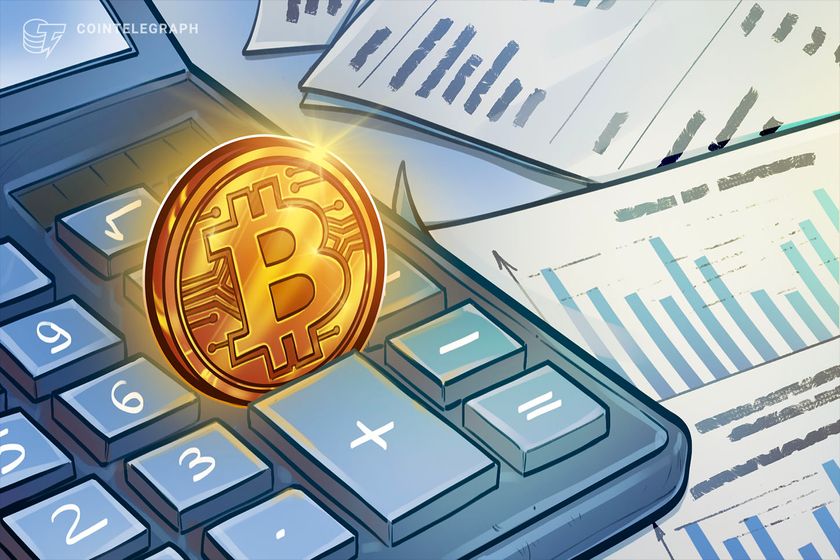
Knocking Bitcoin's lack of yield shows your ‘Western financial privilege’
Macro analyst Luke Gromen’s comments come amid an ongoing debate over whether Bitcoin or Ether is the more attractive long-term option for traditional investors. Macro analyst Luke Gromen says the fact that Bitcoin doesn’t natively earn yield isn’t a weakness; it’s what makes it a safer store of value.“If you’re earning a yield, you are taking a risk,” Gromen told Natalie Brunell on the Coin Stories podcast on Wednesday, responding to a question about critics who dismiss Bitcoin (BTC) because they prefer yield-earning assets.“Anyone who says that is showing their Western financial privilege,” he added.Read more
