How to Tokenize Silver — Transforming the Silver Potential into Digital Assets
How to Tokenize Silver — Transforming the Silver Potential into Digital Assets
The Next Gold in the Tokenized Asset Market!
Silver TokenizationRecently, traditional precious metals like gold and silver have been outperforming major cryptocurrencies, especially Bitcoin. While crypto is usually referred to as digital gold, the current market conditions have shifted. Gold and silver prices have climbed to multi-year highs, crossing the $5000 ounce. Valuable metals like these have attracted strong inflows into physical holdings and ETFs.
The silver is going on this same wave, but with an added advantage. Like gold, silver doesn’t just store up value. This plays a critical role in industries such as renewable energy, electronics, and electric vehicles. This dual demand has pushed silver into the spotlight, making it one of the most hyped assets.
As traditional assets emerge into the digital markets, a new approach is emerging — Silver Tokenization. This combines the stability of physical silver with the flexibility of blockchain technology. These allow silver to participate in the digital asset economy without losing its real-world value. If all these sound foreign to you, then you are at the right place. Read this article to understand everything about Silver Tokenization.
First, let’s begin with understanding,
Why is Silver Booming Suddenly?
The Silver’s recent surge isn’t happening overnight or without any reason. It’s the result of multiple long-term factors aligning at the same time. One of the main drivers is rising industrial demand. Silver is becoming an important material in sectors that are growing rapidly, especially in sectors like renewable energy, electric vehicles, electronics, and medical technology. As solar installations and EV production increase globally, the demand for silver continues to rise steadily. Besides, the silver liquidation hasn’t increased at the same pace as demand, creating a tightening supply–demand balance. Silver’s rise has also been influenced by the US dollar weakness. Also, the inflation concerns often push investors more toward tangible assets.
What is Silver Tokenization?
Silver tokenization is the process of converting physical, real-world silver into digital tokens using blockchain technology. In this model, real silver is stored securely in the verified vaults and is represented on the blockchain as asset-backed tokens. Here, each of these tokens equals a specific quantity of physical silver. Unlike traditional silver investments that involve physical handling and storage, this silver tokenization enables fractional ownership, faster transactions, and greater transparency. The silver tokenization combines the stability of a tangible asset with the efficiency of digital finance.
This shift might have increased the chances of silver tokenization, but here, a natural question would arise, right?
Benefits of Silver Tokenization
- Silver Tokenization enables smooth fractional ownership of assets. These allow silver to be divided into precise digital units, enabling investors to hold ownership without purchasing or storing large physical quantities.
- The physical silver trading involves storage, logistics, and intermediaries. This tokenization removes these barriers, making silver easier to trade, transfer, and settle digitally.
- Blockchain-based records ensure that each token is directly linked to audited physical silver, offering real-time transparency and reducing counterparty risk.
- By digitizing ownership, the investors will avoid costs related to physical storage, insurance, and security.
- The major benefit of this silver tokenization is that it can be accessed and traded globally. This allows investors and institutions to participate without any geographical limitations.
How to Tokenize Silver Assets Efficiently?
Tokenizing silver assets requires a structured process. An efficient tokenization model balances both physical asset management and secure blockchain infrastructure.
1. Physical Silver Sourcing — To tokenize silver, source physical silver from certified suppliers. These are then verified for purity, weight, and quality before being approved for tokenization. This documentation ensures that the asset meets regulatory standards.
2. Secure Vault Integration — Once verified, the silver is then stored in regulated and insured vaults. The vault integration is critical, as it ensures the physical asset remains secure and auditable.
3. Asset Backing — Before token issuance, the legal framework is established to define ownership rights, redemption terms, and investor protections. This step ensures that each token is legally backed by physical silver.
4. Token Issuance — Smart contracts are then deployed to issue digital tokens that represent ownership of the stored silver. These contracts automate core functions such as token minting, transfers, and redemption, ensuring accuracy, transparency, and immutability.
5. Platform Listing -Once issued, silver asset-backed crypto tokens are made available through the tokenization platform or integrated marketplaces. The users can buy, sell, or transfer tokens seamlessly while the platform maintains real-time asset tracking.
To make all these processes of tokenizing silver assets simple, you would need a dedicated silver tokenization platform. Not sure what it is, let’s see,
What is Silver Tokenization Platform Development?
Silver tokenization platform development refers to the process of building a blockchain-based platform that digitizes physical silver assets into asset-backed tokens. These platforms allow silver to be represented on the blockchain in the form of tokens. Each of these silver tokens is usually backed by real physical silver.
This silver tokenization platform is a full-scale platform that manages asset onboarding, token issuance, compliance, and trading. This bridges traditional silver ownership with digital finance, making silver more accessible, liquid, and transparent for modern investors.
Now, with this, let’s explore how these Silver Tokenization platforms work in real time,
How does a Silver Tokenization Platform work?
A silver tokenization platform operates by integrating physical asset custody with blockchain technology. Here, the digitized silver is said to be securely stored in regulated vaults. Once the asset is validated, smart contracts are then used to issue tokens, representing ownership rights over the stored silver. These tokens can then be bought, sold, transferred, or redeemed through the platform. The blockchain technology ensures immutable records, faster settlements, and reliance on intermediaries.
Exploring how these platforms work might have strengthened your idea of creating one, right?
Step-by-Step Guide to Create a Silver Tokenization Platform
A silver tokenization platform development requires a well-planned approach. That’s why here is a step-by-step breakdown of how a silver tokenization platform is developed from concept to launch.
Market Research
The Silver tokenization platform development process begins with in-depth market research. This phase focuses on analyzing investor demand, your targeted market, regional regulations, and existing tokenized commodity platforms. This phase includes identifying the right business model.
Tech Stack Selection
Choosing the right technology stack is important for performance, security, and future scalability. In this phase, you will select a suitable blockchain network, smart contract standards, token type, and real-time silver price feeds. The tech stack is finalized based on compliance requirements and interoperability needs.
Smart Contract Development
Smart contracts are an important aspect in real-world asset tokenization. They govern token issuance, ownership transfer, redemption, and asset backing logic. Each contract is developed with strict security standards to ensure that every token is transparently linked to physical silver.
Compliance Integration
Regulatory compliance is a core requirement for any asset-backed tokenization platform. In this phase, integration of KYC/AML procedures, investor verification, audit mechanisms, and regulatory frameworks is done. These compliance modules are designed to align with evolving global regulations, ensuring that the platform operates legally.
Testing
Upon developing, the silver Tokenization platform will undergo rigorous testing to identify and eliminate potential risks. This includes smart contract audits, security testing, performance validation, and user flow testing, ensuring a stable and reliable launch.
Platform Launch
Once testing is done, the platform is then deployed into a live environment. Based on the business goals, this platform is then launched on the planned ecosystem. Post-launch support ensures smooth operations, ongoing compliance updates, and continuous performance optimization as the platform scales.
This might have made you wonder about the future potential, right?
Future Trends and Potential of Silver Tokenization
With silver prices steadily climbing and global demand accelerating, the potential of silver tokenization is expected to skyrocket. As investors look for assets that combine value with digital flexibility, these tokenized silver is emerging as a scalable solution. One of the key trends that is pushing this future of silver tokenization is the rise of RWA tokenization. As the regulatory frameworks mature, the asset-backed tokens, especially commodities like silver, are gaining acceptance among traditional financial players.
Besides, there is a high chance of these silver tokens entering the DeFi ecosystems. The tokenized silver can be used as collateral for lending and yield-generating instruments, expanding silver’s investor base worldwide. In the long term, the silver tokenization platforms may evolve into digital commodity marketplaces, supporting multiple metals.
Wrap Up
By now, this article would have given you a clear picture of how silver tokenization is changing the future of digital assets. While the opportunities around tokenizing silver are growing, the success here depends on the strategic planning, regulatory alignment, and the right tech base. From simple asset custody to platform development, every step plays an important in maintaining trust and market credibility.
Businesses looking to enter this space can try partnering with a professional Asset Tokenization Development Company. With the right expertise and planning, silver tokenization can evolve from an emerging concept into a reliable digital asset model.
How to Tokenize Silver — Transforming the Silver Potential into Digital Assets was originally published in Coinmonks on Medium, where people are continuing the conversation by highlighting and responding to this story.


You May Also Like
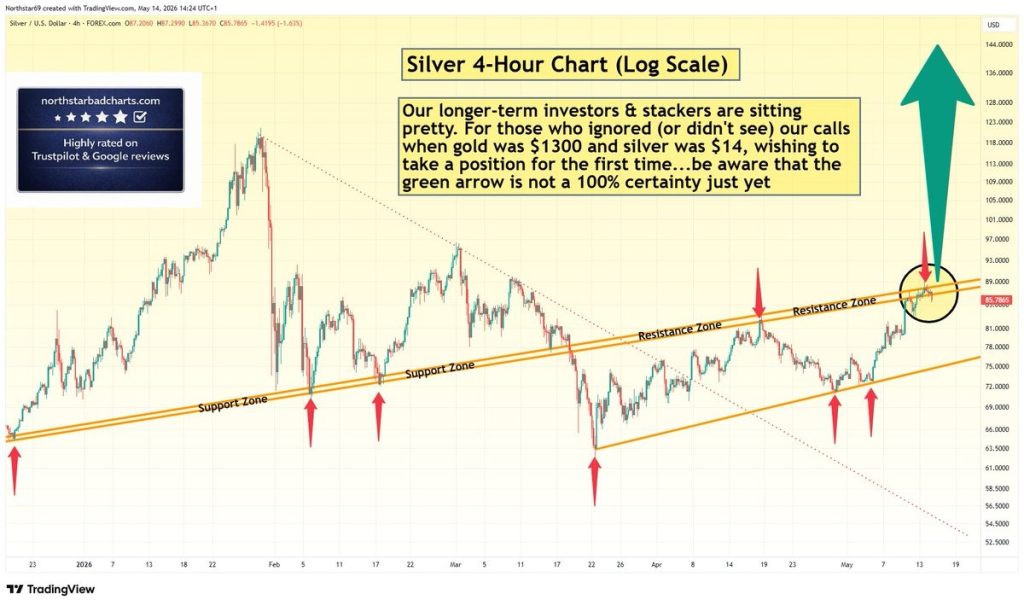
Silver Price Warning: Green Arrow Setup Is Not Confirmed – Wait for Clear Signal

Facebook spotlights African cinema in 6th ‘Made by Africa, loved by the world’ campaign