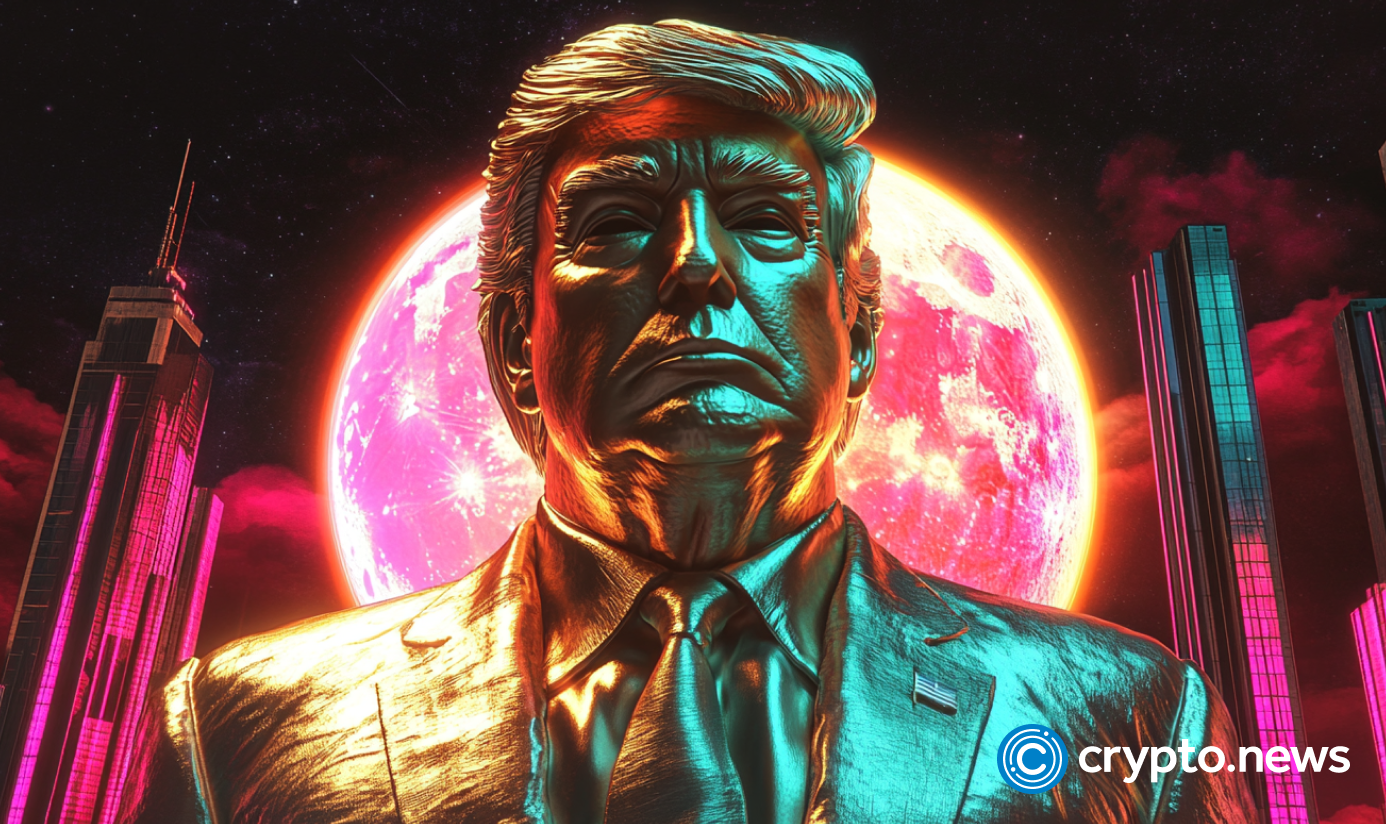
President Donald Trump is drawing widespread attention and backlash after urging Republicans on Monday to “nationalize” elections in at least fifteen jurisdictionsPresident Donald Trump is drawing widespread attention and backlash after urging Republicans on Monday to “nationalize” elections in at least fifteen jurisdictions

Leavitt scrambles to spin Trump's call to 'nationalize' elections

2026/02/04 05:53
4 min read
For feedback or concerns regarding this content, please contact us at crypto.news@mexc.com

President Donald Trump is drawing widespread attention and backlash after urging Republicans on Monday to “nationalize” elections in at least fifteen jurisdictions he deemed “crooked,” particularly because the U.S. Constitution primarily assigns election authority to the states. Now, the White House is having to defend his remarks.

Saying there are “millions and millions” of undocumented immigrants and “we have to get them out,” Trump warned that “if Republicans don’t get them out, you will never win another election as a Republican.”

He claimed that undocumented immigrants are told, “Oh, well, you can vote, you can do whatever you want.”

“It’s crazy,” he added. “I mean, it’s crazy how you can get these people to vote, and if we don’t get them out, Republicans will never win another election.”

“The Republicans should say, ‘We want to take over. We should take over the voting,’ the voting in at least many, 15 places,” Trump insisted. “The Republicans ought to nationalize the voting.”

The New York Times called Trump’s remarks an “escalation,” saying it was “an aggressive rhetorical step that was likely to raise new worries about his administration’s efforts to involve itself in election matters,” and noting that it followed “a string of moves from his administration to try to exert more control over American elections.”

Prominent elections attorney Marc Elias said Trump’s call to nationalize elections is “one of his most explicit signals yet that he plans to interfere with the workings of democracy.”

But during a press gaggle on Tuesday, White House Press Secretary Karoline Leavitt claimed that Trump was referring to the SAVE Act, which would require proof of U.S. citizenship to register to vote. Opponents argue many Americans do not have ready access to acceptable documents, such as a passport or birth certificate. The bill could also complicate voter registration for people who changed their names but don’t have updated citizenship documents.

Calling the SAVE Act “a huge common sense piece of legislation that Republicans have supported,” Leavitt added, “I don’t think any rational person who’s being honest with themselves would disagree with the idea of requiring citizens of this country to present an ID before casting a ballot in a federal election, or, frankly, in any election, and that’s something the president wants to see happen.”

Despite Trump’s call to “nationalize” elections and have the Republican Party oversee them, Leavitt told reporters that the president “does believe the states should oversee them. The President believes in the United States Constitution.”

“However,” she continued, “he believes there has obviously been a lot of fraud and irregularities that have taken place in American elections. And, again, voter ID is a highly popular and common sense policy that the president wants to pursue, and he wants to pass legislation to make that happen for all states across the country.”

Leavitt appeared to conflate a small number of California jurisdictions that allow non-citizens to vote in local elections, such as school board elections, with fraud.

“If you look at states like California, or if you look at New York City, for example, non-citizens are allowed to vote in elections in places like California and New York City,” she said. Non-citizens are not allowed to vote in elections in New York City at all.

“That just creates a system, an electoral system that is absolutely ripe with fraud, and you cannot deny the fact that, unfortunately, there are millions of people who have questions about that, as does the president,” she continued.

Noting that it’s a “constitutional issue,” Senate Republican Majority Leader John Thune said he is “not in favor” of nationalizing elections, NBC News reported.

The Republican Speaker of the House, Mike Johnson, said “it’s always been the responsibility of the states to administer elections and it’s a system that works well, so long as the states make it a priority to ensure the integrity of our elections. And we have real concerns about some of the blue states, frankly, that have not been doing that well.”

There is little evidence of voter fraud across the country.

“Extensive research reveals that fraud is very rare,” the Brennan Center for Justice reported. “Yet repeated, false allegations of fraud can make it harder for millions of eligible Americans to participate in elections.”

Former U.S. Attorney Barb McQuade noted of Trump’s remarks, “The Constitution delegates the power to conduct elections to the states. This would require an amendment. It would expose voter data to the risk of one hack instead of 50.”

- YouTube www.youtube.com

  • george conway
  • noam chomsky
  • civil war
  • Kayleigh mcenany
  • Melania trump
  • drudge report
  • paul krugman
  • Lindsey graham
  • Lincoln project
  • al franken bill maher
  • People of praise
  • Ivanka trump
  • eric trump
Disclaimer: The articles reposted on this site are sourced from public platforms and are provided for informational purposes only. They do not necessarily reflect the views of MEXC. All rights remain with the original authors. If you believe any content infringes on third-party rights, please contact crypto.news@mexc.com for removal. MEXC makes no guarantees regarding the accuracy, completeness, or timeliness of the content and is not responsible for any actions taken based on the information provided. The content does not constitute financial, legal, or other professional advice, nor should it be considered a recommendation or endorsement by MEXC.

You May Also Like

Revolutionary: CME SOL XRP Futures Options Set to Transform Crypto Trading

Revolutionary: CME SOL XRP Futures Options Set to Transform Crypto Trading

BitcoinWorld Revolutionary: CME SOL XRP Futures Options Set to Transform Crypto Trading Exciting news is rippling through the cryptocurrency world! The U.S. Chicago Mercantile Exchange (CME), a titan in traditional finance, is reportedly planning to launch CME SOL XRP futures options. This significant development, initially reported by Walter Bloomberg, marks a pivotal moment for institutional involvement in the altcoin market. It signals a new era for how Solana (SOL) and Ripple (XRP) might be traded, potentially opening doors to broader adoption and increased market maturity. What Does the Launch of CME SOL XRP Futures Mean for Crypto? When an institution like CME, known for its rigorous standards and vast trading volume, enters a new market, it brings a wave of legitimacy. The introduction of CME SOL XRP futures options indicates a growing acceptance of these digital assets within mainstream finance. This move could fundamentally change how investors perceive and interact with SOL and XRP. Futures options are financial derivatives that give traders the right, but not the obligation, to buy or sell an underlying asset at a specific price on or before a certain date. For SOL and XRP, this means: Enhanced Price Discovery: More participants and trading volume can lead to more efficient and accurate pricing. Institutional Access: It provides regulated avenues for large institutional investors to gain exposure to SOL and XRP without directly owning the underlying assets. Risk Management: Traders can use these options to hedge against potential price fluctuations in their existing SOL and XRP holdings. Why Are SOL and XRP Chosen for CME SOL XRP Futures? The selection of Solana (SOL) and Ripple (XRP) for these new futures options is not arbitrary. Both cryptocurrencies hold significant positions in the market and offer distinct value propositions: Solana (SOL): Known for its high-performance blockchain, offering fast transaction speeds and low costs. Its robust ecosystem supports numerous decentralized applications (dApps), NFTs, and DeFi projects, attracting considerable developer and user interest. Ripple (XRP): Primarily focused on facilitating fast, low-cost international payments for financial institutions. Despite ongoing regulatory discussions, XRP maintains a strong market presence and a dedicated community, highlighting its potential for cross-border transactions. Their substantial market capitalization and existing liquidity make them attractive candidates for institutional-grade derivative products. This choice reflects a strategic assessment by CME of assets that can sustain significant trading interest and volume. Navigating the Landscape: Opportunities and Considerations for CME SOL XRP Futures The introduction of CME SOL XRP futures options presents a wealth of opportunities, yet it also comes with important considerations. On the opportunity front, we can expect increased liquidity, which benefits all market participants by making it easier to buy and sell without significant price impact. Moreover, it could attract new capital from traditional financial players who prefer regulated products. However, traders and investors should also consider the implications: Market Volatility: While derivatives can offer hedging, they can also amplify market movements. Regulatory Clarity: The regulatory landscape for cryptocurrencies, particularly for XRP, continues to evolve. CME’s move might encourage further clarity but also means ongoing scrutiny. Learning Curve: Understanding futures options requires a certain level of financial literacy, which new entrants to the crypto market may need to develop. These products offer sophisticated tools for managing exposure and speculating on price movements, but they demand a careful approach. What’s Next for the Crypto Market with CME SOL XRP Futures? The reported launch of CME SOL XRP futures options is more than just a new product offering; it represents a significant milestone in the ongoing convergence of traditional finance and the digital asset space. It underscores the growing maturity of the cryptocurrency market and its increasing integration into global financial systems. As institutional interest continues to surge, we can anticipate further innovation and a broader range of regulated products for other altcoins. This development is poised to offer sophisticated tools for investors and traders, potentially stabilizing market dynamics while simultaneously introducing new avenues for growth and investment. The crypto market is evolving rapidly, and CME’s latest initiative is a clear indicator of this exciting trajectory. To learn more about the latest crypto market trends, explore our article on key developments shaping the cryptocurrency market institutional adoption. Frequently Asked Questions (FAQs) What is the Chicago Mercantile Exchange (CME)? The CME is one of the world’s largest and most diverse derivatives marketplaces, offering a wide range of futures and options products across various asset classes, including equities, commodities, and now, expanding into specific cryptocurrencies. What are futures options in the context of SOL and XRP? Futures options for SOL and XRP are financial contracts that give the holder the right, but not the obligation, to buy or sell SOL or XRP futures contracts at a predetermined price on or before a specific date. They allow for hedging and speculation on price movements. Why are Solana (SOL) and Ripple (XRP) chosen for these new options? SOL and XRP were likely chosen due to their significant market capitalization, established liquidity, and distinct use cases within the crypto ecosystem, making them attractive for institutional-grade derivative products. How might CME SOL XRP futures options affect the prices of SOL and XRP? The introduction of these options could lead to increased liquidity and institutional participation, potentially influencing price discovery and stability. However, like all derivatives, they can also contribute to market volatility. When are these CME SOL XRP futures options expected to launch? While Walter Bloomberg reported CME’s plans, an official launch date has not yet been publicly announced by CME. Market participants should monitor official CME channels for updates. If you found this article insightful, please consider sharing it with your network! Help us spread the word about the exciting developments in the crypto space by sharing this article on your social media platforms. This post Revolutionary: CME SOL XRP Futures Options Set to Transform Crypto Trading first appeared on BitcoinWorld.
Share
Coinstats2025/09/18 00:45
Gold Hits $3,700 as Sprott’s Wong Says Dollar’s Store-of-Value Crown May Slip

Gold Hits $3,700 as Sprott’s Wong Says Dollar’s Store-of-Value Crown May Slip

The post Gold Hits $3,700 as Sprott’s Wong Says Dollar’s Store-of-Value Crown May Slip appeared on BitcoinEthereumNews.com. Gold is strutting its way into record territory, smashing through $3,700 an ounce Wednesday morning, as Sprott Asset Management strategist Paul Wong says the yellow metal may finally snatch the dollar’s most coveted role: store of value. Wong Warns: Fiscal Dominance Puts U.S. Dollar on Notice, Gold on Top Gold prices eased slightly to $3,678.9 […] Source: https://news.bitcoin.com/gold-hits-3700-as-sprotts-wong-says-dollars-store-of-value-crown-may-slip/
Share
BitcoinEthereumNews2025/09/18 00:33
Will XRP Price Increase In September 2025?

Will XRP Price Increase In September 2025?

Ripple XRP is a cryptocurrency that primarily focuses on building a decentralised payments network to facilitate low-cost and cross-border transactions. It’s a native digital currency of the Ripple network, which works as a blockchain called the XRP Ledger (XRPL). It utilised a shared, distributed ledger to track account balances and transactions. What Do XRP Charts Reveal? […]
Share
Tronweekly2025/09/18 00:00