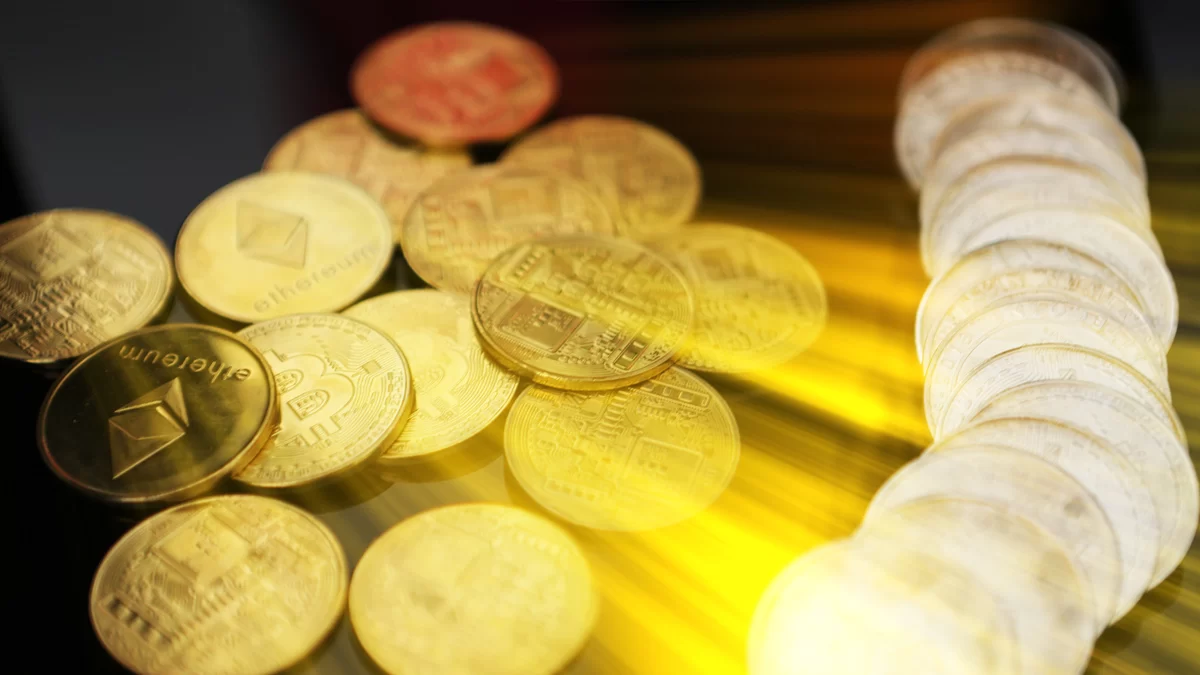
Tokenized assets used to sit in the same bucket as a lot of crypto ideas: interesting, promising, but always a bit “down the road.” People talked about putting stocks or gold on-chain the way they talked about mass adoption – something that would happen eventually.
Now that it’s 2026, it’s starting to feel less theoretical. Tokenization hasn’t taken over finance, but it’s also not just a concept anymore. It’s showing up in real products, and it’s becoming part of how the market is evolving after a few years of trial, error, and a lot of noise.
Crypto has also grown up a bit in the process. The last cycle was full of big narratives that didn’t always hold up. What’s been happening more recently is quieter: more focus on regulation, on infrastructure, and on building things that connect back to assets people already understand.
That’s kind of what tokenization does. It’s the piece that connects crypto back to the assets people actually know. Some of the bigger platforms are already starting to offer tokenized assets in a real way, Kraken included, alongside the crypto markets people are used to.
What Assets Are Being Tokenized First
Most tokenization activity so far has focused on assets that investors already recognize.
Stablecoins were the early proof of concept: digital tokens backed by real-world currency that could move across blockchain networks. From there, the idea naturally expanded into other familiar categories.
Tokenized U.S. Treasuries are one of the biggest examples. They’ve become a big part of the real-world asset market on-chain because they offer something simple: exposure to government-backed yield, but in a digital format that settles faster and can be held alongside crypto.
Gold has been going down a similar road. Tokenized gold takes something people already trust and puts it into a form that can move around on blockchain rails. In an environment where inflation and macro uncertainty are still part of the picture, it’s not surprising that tokenized gold keeps coming up in these conversations.
And now stocks are getting pulled in, too. Tokenized stocks are still early compared to stablecoins or Treasuries, but the direction is clear: more traditional assets are being brought into the same on-chain setup.
This is also the point where it gets a bit more real, because instead of tokenization being a future trend, it’s starting to appear in the places where people already trade, and Kraken’s on that list. Late last year, Kraken agreed to acquire Backed Finance, the company behind xStocks, as tokenized equities started picking up more momentum. Kraken’s xStocks is basically a way to trade tokenized versions of big U.S. stocks and ETFs, and its lineup includes Tesla, Nvidia, S&P 500-style exposure through SPYx, and even Coinbase.
Stocks and ETFs on a More Crypto-Like Schedule
The interesting part isn’t really the novelty of putting Tesla or an S&P 500 ETF on-chain. It’s more what happens once those kinds of assets start living in the same always-on world that crypto does.
Stocks and ETFs have always come with a pretty fixed setup. Markets open, markets close, settlement takes time, and everything still runs on schedules that haven’t really changed much in decades, even for something as mainstream as the S&P 500. Kraken recently made xStocks available around the clock on Kraken Pro, so trading isn’t limited to traditional market hours anymore.
A simple example is news. If Tesla reports earnings after the market shuts, or a big macro headline hits overnight, the traditional system basically just says: wait until tomorrow. Tokenized formats don’t change what the asset is, but they do make it easier to respond in real time, in a way that feels closer to how crypto already works.
For people who already move between crypto and more traditional assets, that flexibility is the real point. It brings a bit of Wall Street into the same always-on digital setup crypto has been building.
Why This Is More Than Just Another Trend
Tokenization gets talked about a lot, and not all of it is useful. Crypto is good at turning ideas into buzzwords, and “real-world assets on-chain” has been one of those phrases that shows up everywhere.
But when you strip it back, the reason this keeps coming up is pretty simple: traditional markets still have a lot of built-in limits. Stocks trade on schedules, settlement can take days. Access depends on where someone lives, which broker they use, and what rules apply in their region.
Tokenized assets don’t magically fix all of that, but they do change the format. They take something familiar – a stock, a bond, a commodity – and make it easier to hold and move around in the kind of digital systems crypto has been building for years.
For a lot of investors, that’s really what the interest comes down to. Not the novelty, not the hype, just the idea of having more flexibility with assets they already understand.
Of course, the details matter. A token is only as solid as the structure behind it: how it’s backed, how it’s held, what protections exist if something goes wrong. Tokenization isn’t automatically safer or better. It’s just a different wrapper.
Still, it’s one of the clearer signs of where the market is heading now. After years of speculation-first cycles, crypto is starting to spend more time on things that connect back to the real financial world, instead of floating completely outside of it.
Source: https://beincrypto.com/tokenization-stocks-gold-treasuries-onchain/