

What is the safest way to buy crypto? A practical checklist from FinancePolice
FinancePolice provides this as educational guidance to help everyday readers verify platforms and make cautious first purchases. Use the step-by-step checklist later in the article to confirm key items before you deposit funds.
At a glance: how to pick the best app to buy crypto safely
Start by checking regulation, custody model, security features, payment methods, and common scam red flags before you download or fund an app. These checks help reduce basic platform and fraud risks when you are learning how to buy crypto safely, and they guide sensible first steps for beginners.
The safest approach combines a regulated, transparent platform with strong security controls, safe payment methods, and skepticism about unsolicited offers; long-term holdings are often safer in non-custodial or cold storage under your control
A quick checklist: prefer a regulated platform, verify custody and any insurance disclosures, require platform-enforced two-factor authentication, use bank transfers to regulated platforms when possible, and treat unsolicited offers as high risk. Remember that custodial holdings usually lack traditional bank deposit insurance and that scams remain a leading source of consumer losses, so skepticism and verification are important for safety.
Why regulation and licensing matter when choosing the best app to buy crypto
Regulatory status affects the baseline expectations you should have for transparency and consumer protections. Guidance from major authorities encourages verifying an exchange or app‘s published licensing details before you fund an account, because regulators set rules for custody, reporting, and anti-fraud measures that reputable platforms are more likely to follow UK Financial Conduct Authority crypto guidance
Look for clear statements about legal entity, registration numbers, and links to regulator registers on the company website. If those details are missing or the company refuses to provide registration information on request, treat that as a red flag and consider other options.
Common license types and registrations vary by country, but you can often confirm status on regulator sites by searching the platform name or registration number. Use regulator registers as a first verification step and keep records of any public pages you consult for future reference.
Custody and insurance: what the best app to buy crypto should disclose
Understand whether the app holds your assets in custodial accounts or lets you control private keys yourself. Custodial accounts mean the platform manages custody for you, which is convenient but changes who controls recovery and who bears certain risks.
Custodial insurance, where offered, is usually limited and is not equivalent to bank deposit insurance; check the policy terms, scope, and exclusions before assuming coverage will replace losses from theft or fraud SEC investor bulletin on cryptocurrencies
Advertise with FinancePolice to reach readers researching safe crypto practices
Use the checklist in the step-by-step section to confirm custody model and insurance disclosures before you deposit funds.
Learn about advertising options
Look for proof-of-reserves or third-party attestations that explicitly describe what is covered and the date of the attestation. Those documents can increase transparency but do not, by themselves, replace reading the underlying insurance policy or custody terms.
Security controls to prefer in an app or wallet
Prefer platforms that enforce two-factor authentication at account level and make strong password requirements clear, because platform-enforced 2FA adds a practical layer of account protection against credential theft FATF guidance on virtual assets
For long-term holdings, consider moving assets to cold storage or using non-custodial wallets where you control the private keys. That approach reduces exposure to platform compromise but increases your responsibility for safe key storage and recovery.

Also look for transparent custody disclosures such as proof-of-reserves reports, third-party attestations, and information about auditing practices. These disclosures do not guarantee safety, but they help you compare platforms on transparency and operational practices.
Safer payment and funding methods for buying crypto with apps
Bank transfers to regulated platforms are generally safer than person-to-person payments or untraceable methods, because regulated platforms have records and dispute channels that can help resolve problems FTC consumer guidance on virtual currency
Avoid sending funds to unknown wallets or accepting unusual payment arrangements. If a seller asks you to move money outside the app or to an unfamiliar address, pause and verify independently with official platform support channels.
Keep transaction records and receipts for every deposit and withdrawal. Those records support any dispute or fraud report and help you trace funds if you need to contact your bank or the platform’s compliance team.
KYC and AML checks: normal onboarding for safe apps
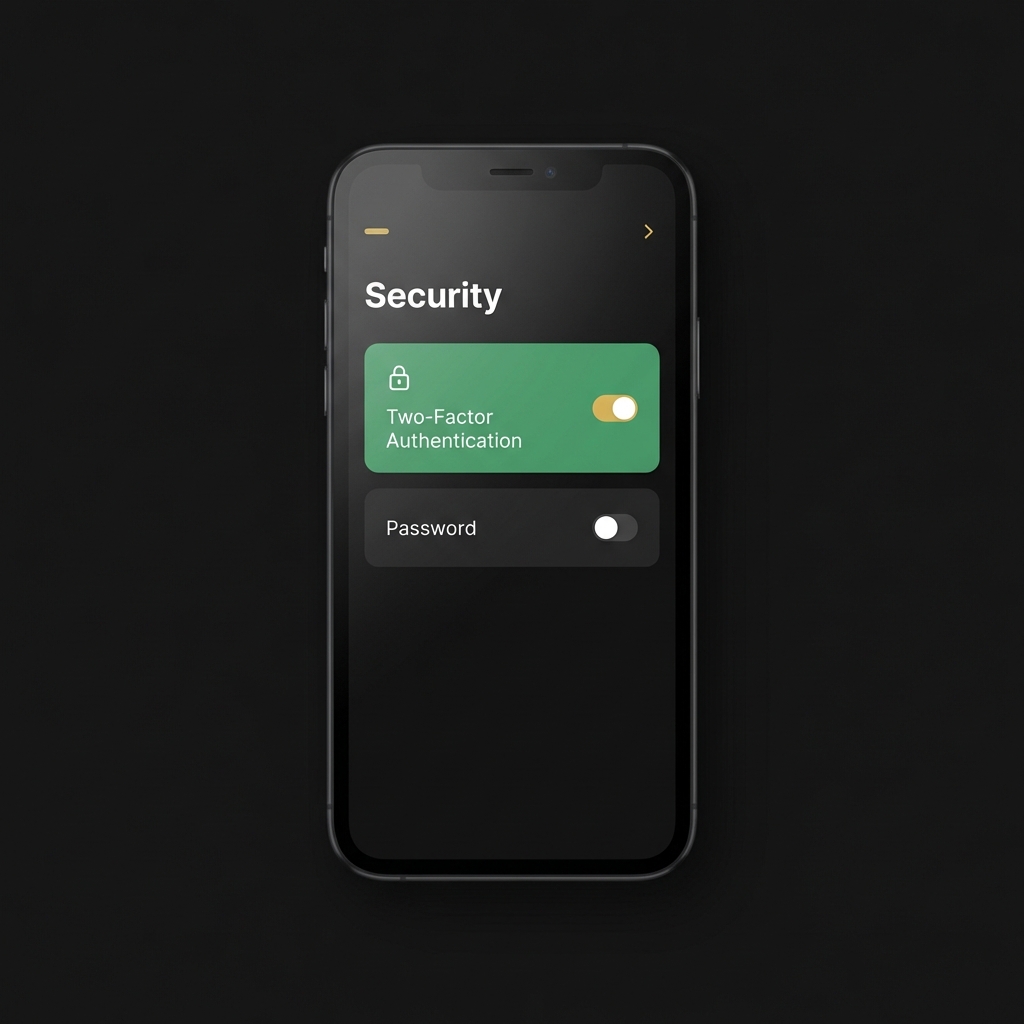
Legitimate exchanges and regulated apps typically require identity verification as part of KYC and AML checks. These procedures reduce the risk of fraud and help platforms meet regulatory obligations that protect other users and the broader financial system FATF guidance on VASPs
Expect to provide government ID and proof of address during onboarding, and treat excessive requests for unrelated personal data with caution. If a platform bypasses reasonable identity checks, that can be a red flag about compliance and fraud risk.
When you complete verification, save confirmation screens or emails so you can reference your verified status if you need to contact support or file a dispute.
Common scams and red flags to watch for when using any app to buy crypto
Scams that use impersonation, social engineering, or unsolicited offers remain a leading source of consumer losses, so maintain a cautious stance with unexpected messages or offers that pressure quick action FBI IC3 Internet Crime Report
Where to check regulator registers and basic company verification
Start with official regulator sites
Common patterns include fake support chats, requests to move funds to an unfamiliar wallet, or claims of guaranteed returns. If you suspect a scam, stop communicating with the sender, verify independently via official channels, and report the incident to the platform and local authorities.
Keep in mind that fraud techniques can combine off-app pressure with in-app messages, so verify any suspicious instruction by closing the app and using contact details from the platform’s official website rather than links in a message.
How to compare custody models: custodial apps vs non-custodial wallets
Custodial services provide convenience such as easy recovery options and integrated trading, but they mean the platform controls private keys and recovery procedures. That can be appropriate for small, frequent trades or for users who value simplicity.
Non-custodial wallets give you full control of private keys and recovery seed phrases, which increases control but also places responsibility for secure storage and safe backups on you. For long-term holdings, many users prefer non-custodial custody paired with cold storage.
A practical approach for many people is to keep small balances for trading on a custodial app and move larger, long-term holdings to non-custodial or cold storage solutions. That balance preserves convenience while reducing exposure for substantial holdings.
Proof-of-reserves and third-party attestations describe a platform’s reported holdings, but they vary in scope and method. Examine the date, scope, and auditor named in any disclosure to judge how current and comprehensive it is SEC investor bulletin on cryptocurrencies
Vague claims about being “audited” or “backed” without a named auditor or linked report are weaker evidence. Prefer disclosures that link to a full report with methodology and the auditor’s name, and check whether the attestation matches the assets you plan to hold.
Fees, spreads and trading terms to check before you buy
Compare trading fees, spreads, deposit or withdrawal fees, and any custody or inactivity charges. Fees can have a meaningful impact on net cost, so model likely trade sizes to compare real costs rather than relying on headline rates FCA guidance on cryptoassets
Also check terms for withdrawal limits, hold periods, and dispute procedures. A platform with low fees but restrictive withdrawal rules or poor dispute channels can create practical access risk if you need to move funds quickly.
A step-by-step checklist to buy crypto safely using an app
Before you open an account, best app to buy crypto
1) Verify the platform’s regulatory status on official regulator registers and save screenshots of the listing. 2) Read custody and insurance disclosures, focusing on exact policy language and exclusions. 3) Confirm whether the platform enforces two-factor authentication and what custody model it uses FCA consumer guidance
Onboarding checks: enable platform-enforced 2FA, complete KYC steps, create a strong, unique password, and record recovery procedures.
Use a small test purchase when trying an app for the first time. A modest first trade helps you confirm the flow, withdrawal paths, and customer support responsiveness before committing larger sums.
Typical mistakes readers make when buying crypto and how to avoid them
Skipping basic verification is common. If you do not confirm a platform’s regulatory status or custody disclosures before depositing, you increase the risk of losing funds with limited recourse. Always verify with primary sources and regulator registers before funding an account FBI IC3 report
Other frequent errors include using unsafe payment methods, ignoring withdrawal limits, and falling for unsolicited investment advice. Corrective actions are straightforward: use bank transfers to regulated platforms when possible, read withdrawal terms, and treat unsolicited offers with skepticism.
Practical scenarios: short-term trading, buy-and-hold, and custody choices
Scenario 1, small occasional buys: if you plan a few small purchases to learn, a custodial app with enforced 2FA and low friction can be practical. Keep balances small and test withdrawals first.
Scenario 2, buy-and-hold: for long-term storage, non-custodial wallets and cold storage are often safer because you control private keys. That control reduces exposure to platform insolvency or operational failure, but it requires careful seed phrase management and secure backups FATF guidance
A simple rule of thumb: use custodial convenience for small, active funds and non-custodial or cold storage for larger, long-term holdings. Adjust based on your comfort with responsibility, technical skill, and access needs.
Final takeaway: choosing the safest app to buy crypto for your needs
Prioritize regulation, custody clarity, platform security features, safe payment methods, and transparent disclosures when selecting an app. These decision factors reduce many common risks and help you compare options with concrete checks in mind SEC investor bulletin
Before you deposit significant funds, verify any insurance claims, keep purchases small at first, and monitor account activity regularly. When in doubt, consult the regulator in your jurisdiction and prefer platforms that publish clear compliance and custody information.
Using a regulated or licensed platform is a strong safety indicator because it usually means the company follows disclosure, custody, and anti-fraud rules. However, regulation varies by country, so verify the platform's registration on the relevant regulator's register.
No. Custodial insurance for crypto is typically limited and differs from bank deposit insurance. Review the insurer, what losses are covered, and any exclusions before relying on a policy.
Enable platform-enforced two-factor authentication, use a unique strong password, and keep transaction records. For larger holdings, consider moving assets to non-custodial or cold storage where you control the keys.
If you are uncertain about legal protections in your country, consult the relevant financial regulator's website for jurisdiction-specific information rather than relying solely on platform claims.
References
- https://www.fca.org.uk/consumers/cryptoassets
- https://www.sec.gov/oiea/investor-alerts-and-bulletins/ib_cryptocurrencies
- https://www.fatf-gafi.org/media/fatf/documents/recommendations/RBA-VA-VASPs.pdf
- https://consumer.ftc.gov/articles/what-you-need-know-about-virtual-currency
- https://financepolice.com/advertise/
- https://crypto.com/en/proof-of-reserves
- https://www.crowe.com/tw/en-us/insights/insight-article_1131018
- https://www.ic3.gov/Media/PDF/AnnualReport/2023_IC3Report.pdf
- https://financepolice.com/crypto-exchange-affiliate-programs-to-consider-heres-what-you-need-to-know/
- https://financepolice.com/coinhub-exchange-brings-a-bank-like-crypto-experience-to-las-vegas-and-phoenix/
- https://financepolice.com/category/crypto/
- https://www.kraken.com/proof-of-reserves
You May Also Like

Botanix launches stBTC to deliver Bitcoin-native yield

PBOC sets USD/CNY reference rate at 6.9590 vs. 6.9570 previous
