Ross Ulbricht and Silk Road: The Story That Shaped Bitcoin’s First Era
Silk Road helped give Bitcoin real-world use, while Ulbricht’s case exposed the tension between code, crime, and state power.
One year after Ross Ulbricht’s release, some in the crypto market have revisited one of the strangest stories in the crypto space. Ulbricht made a name for himself through a decentralized online marketplace, Silk Road.
However, the Texas-born crypto chief was sentenced to jail after being convicted of crimes linked to illegal drug sales. Following his release, Ulbricht is once again back in the limelight of the crypto sector.
Early Life of Ross Ulbricht: From Physics Graduate to Online Entrepreneur
Ulbricht was born in Austin, Texas on 27 March 1984. He graduated high school in 2002 and was accepted into the University of Texas at Dallas on a full scholarship. Ulbricht bagged a BSc. in physics in 2006. He then went on to earn a master’s degree in materials science and engineering three years later.
During graduate school, interests began to shift as Libertarian economic theory gained his attention.
After finishing graduate school, he returned to Austin and attempted several business ventures. This includes day trading and a video game startup, both of which failed.
Ulbricht later partnered with Donny Palmertree to launch Good Wagon Books, an online used bookstore. After Palmertree relocated, Ulbricht continued operating the business on his own, a period that would later serve as the foundation for a far more ambitious project.
The Idea Behind Silk Road
Around this time, Ulbricht started planning a new kind of online marketplace. In early notes, he described a place where people could trade freely, without identity checks or a central authority.
Even in his personal diary, he wrote about building a system that wouldn’t easily trace activity back to its users.
He chose the name Silk Road after the ancient trade routes that connected Asia and Europe without being controlled by any single power. Reportedly, Ulbricht saw a parallel between ancient trade networks and what the internet could become.
Inspiration also came from the novel Alongside Night and the writings of Samuel Edward Konkin III. After much background work and development, Silk Road went live in 2011.
How Silk Road Worked
Silk Road ran on a special part of the internet called the Tor network, which is designed to hide the source and destination of online activity. Tor sends internet traffic through several layers of servers, making it very hard to identify users or locate the computers running a website.
For payments, Silk Road used Bitcoin. While Bitcoin transactions are recorded publicly, they are not automatically connected to real names. As long as users did not attach personal information to their accounts, they could buy and sell goods with a strong level of privacy.
Ulbricht used the name “Dread Pirate Roberts” to run the site, borrowing the alias from a fictional character. Debate still exists over whether others also used that account at times.
Silk Road quickly became known for illegal drug sales. Vendors listed products, buyers left reviews, and escrow systems reduced fraud. Beyond drugs, the platform also enabled money laundering and sales of other illegal services.
Despite the criminal activity tied to Silk Road, the platform played a major role in Bitcoin’s early growth. It created real demand for a digital currency that could be sent across borders without relying on banks. Before Silk Road, Bitcoin had little practical use. But afterwards, Bitcoin began to function as real money.
How a Technical Misstep Exposed the Silk Road Server
Law enforcement faced significant challenges, as Tor obscured network routes and Bitcoin addresses were not directly linked to real identities. Even so, human errors and technical missteps eventually exposed weaknesses in the system.
Federal investigators later stated that Silk Road leaked its real IP address during login requests. Packet headers revealed a non-Tor address tied directly to the server. When agents typed that address into a normal browser, part of the Silk Road login page appeared.
That leak showed the site had not been fully configured to isolate its traffic through Tor. One error exposed the server’s location.
Investigators also seized a server in Iceland, alongside other intelligence, which narrowed the search.
Ulbricht Arrested in San Francisco Library With Silk Road Admin Laptop
Ulbricht was arrested on October 1, 2013, at the Glen Park branch of a public library in San Francisco and his laptop was confiscated. The laptop contained chat logs, site controls, and private messages tied to “Dread Pirate Roberts.” Following this incident, he was taken into custody and denied bail.
Another key break came earlier when an IRS investigator linked Ulbricht to a username called “altoid.” That account had posted early announcements for Silk Road and later appeared in a programming forum asking for help.
The post included an email address containing Ulbricht’s full name. Time zone clues from admin chats also suggested Pacific Time, supporting the location trail.
Ulbricht Convicted After High-Profile Silk Road Trial
In 2015, Ulbricht stood trial in New York, where prosecutors charged him with conspiracy to commit drug trafficking, money laundering, and computer hacking. Court filings stated that Silk Road had facilitated more than $200 million in drug sales.
Prosecutors also alleged that Ulbricht had solicited murders for hire, although no killings were shown to have taken place. While these allegations did not lead to separate convictions, they shaped public perception of the case.
Ulbricht was ultimately found guilty and sentenced to life in prison without the possibility of parole.
Two Federal Agents Sentenced for Crimes Linked to Silk Road Probe
During the Silk Road investigation, two federal agents were later convicted of serious misconduct, which raised questions about how the case was handled.
Carl Force, a DEA agent, worked undercover on the site but went far beyond his role. He created unauthorized online identities, used Bitcoin for personal profit, stole funds, and secretly sold investigative information to Ulbricht.
He also hid proceeds from authorities and worked with a crypto exchange while still employed by the DEA. On top of that, the Federal agent misused legal powers for his own benefit.
Shaun Bridges, a U.S. Secret Service agent, diverted more than $800,000 worth of Bitcoin during the investigation. The funds were moved through Mt. Gox and into his personal accounts. This happened only days before he sought a warrant related to the same exchange.
Both agents were charged with wire fraud and money laundering. Their convictions damaged confidence in the investigation and later became key points for critics who argued that Ulbricht’s sentence was excessive.
Silk Road Shutdown Led to Seizure of 144,000 Bitcoin
At the time Silk Road was shut down, authorities seized approximately 144,000 Bitcoin, valued at about $34 million. At today’s prices, those holdings would be worth several billion dollars.
Additional developments later added complexity to the case. In 2022, James Zhong pleaded guilty to wire fraud after admitting he had stolen Bitcoin from Silk Road in 2012. Investigators ultimately recovered more than $3 billion in cryptocurrency from his residence.
Despite seizures, a large amount of Silk Road Bitcoin remains unaccounted for. Some researchers estimate over 400,000 Bitcoin may still be missing. Lost private keys, dormant wallets, or unidentified holders could explain the gap.
Roughly 20% of all Bitcoin is believed to be permanently inaccessible due to lost keys or abandoned wallets.
Ross Ulbricht Returns to Public Life After Presidential Pardon
President Donald Trump issued a full and unconditional pardon to Ulbricht in 2025. The decision followed years of support from libertarian groups who argued the sentence was extreme and politically motivated.
Trump announced the pardon publicly and cited government overreach. The move immediately returned Ulbricht to the public spotlight.
Supporters gathered under “Free Ross” banners, while critics argued the pardon ignored the harm caused by Silk Road.
After the pardon, Ulbricht began receiving Bitcoin donations. Wallets linked to him collected hundreds of thousands of dollars within days. A major crypto exchange donated over $100,000 in Bitcoin.
At the same time, blockchain analysts pointed to dormant wallets possibly tied to Ulbricht. Roughly 430 Bitcoin, untouched for more than 13 years, sit across multiple addresses, with combined value exceeding $47 million.
Image by jaydeep_ from Pixabay
The post Ross Ulbricht and Silk Road: The Story That Shaped Bitcoin’s First Era appeared first on Live Bitcoin News.


You May Also Like
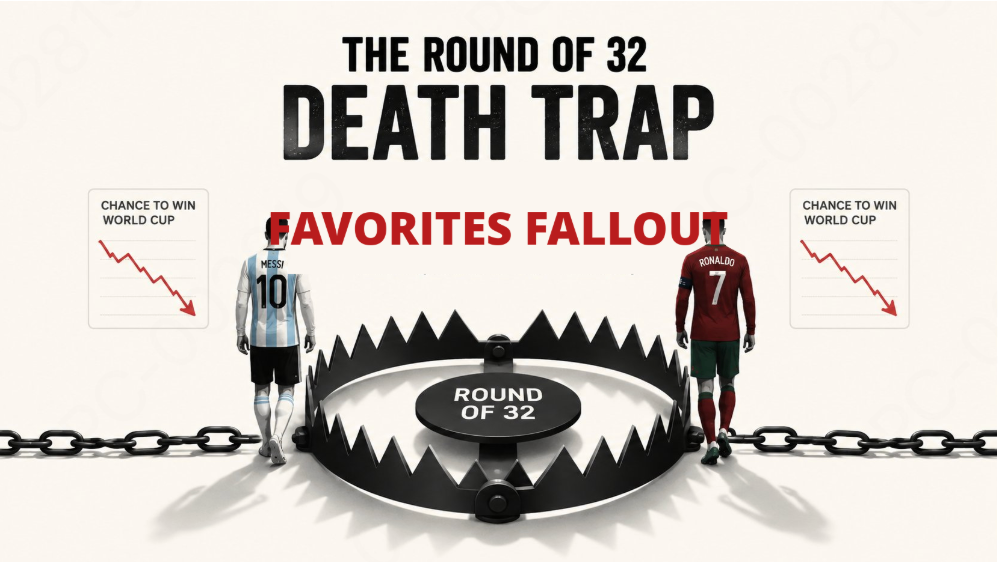
2026 World Cup Prediction Markets: Round of 32 Risk for Messi, Ronaldo, Argentina and Portugal
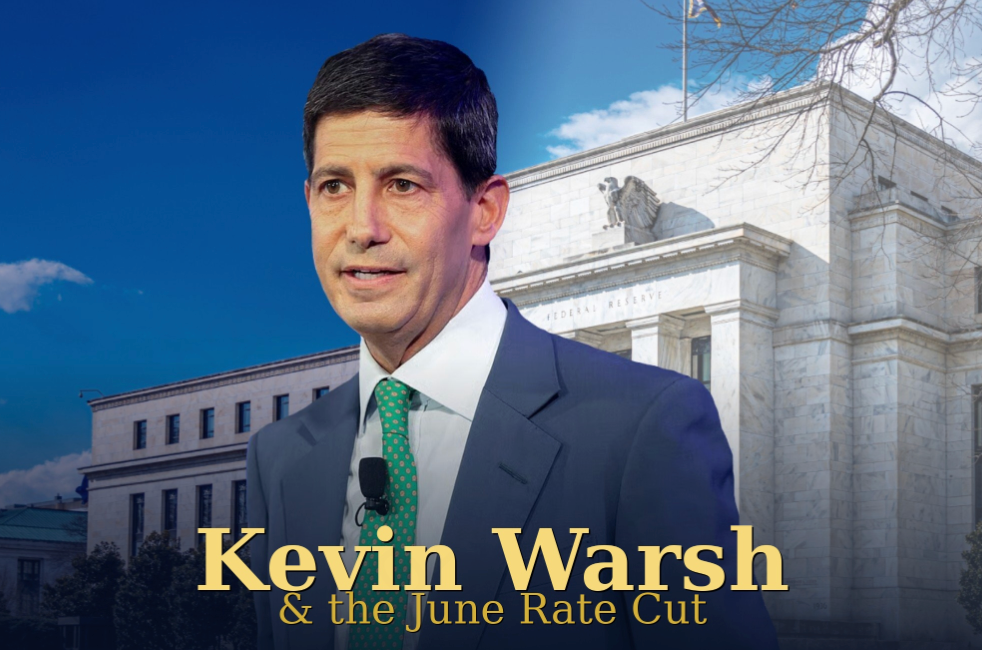
Kevin Warsh and the June Rate Cut: Why the Shadow FOMC Is Predicting a Pivot Before the New Chair Takes the Oath