

Bitcoin Open Interest Plunge Reveals Critical Rebound Signal as Market Clears Excessive Leverage
BitcoinWorld
Bitcoin Open Interest Plunge Reveals Critical Rebound Signal as Market Clears Excessive Leverage
Bitcoin’s derivatives market reveals a potentially bullish signal as open interest experiences a significant 31% decline since October 2024, suggesting the cryptocurrency market may be clearing excessive leverage and positioning for its next major move. According to recent analysis from CryptoQuant contributor Darkpost, this substantial reduction in Bitcoin open interest represents healthy deleveraging that historically precedes market rebounds. The current market conditions present a complex picture where technical indicators and on-chain metrics converge to suggest potential turning points.
Bitcoin Open Interest Decline Signals Market Maturation
Open interest represents the total number of outstanding derivative contracts that market participants have not yet settled. When Bitcoin open interest decreases significantly, it typically indicates that traders are closing their positions and reducing their exposure to the market. This reduction often occurs during periods of market uncertainty or after significant price movements. The current 31% decline in Bitcoin open interest since October 2024 represents one of the most substantial deleveraging events in recent cryptocurrency history.
Market analysts monitor Bitcoin open interest closely because it provides valuable insights into market sentiment and potential price direction. High open interest during market peaks often signals excessive speculation and leverage, while declining open interest during market corrections suggests healthier market conditions. The current reduction in Bitcoin derivatives exposure indicates that speculative excess is being systematically removed from the market structure.
Historical Context of Derivatives Market Signals
Historical analysis reveals consistent patterns between Bitcoin open interest movements and subsequent price action. During previous market cycles, significant declines in open interest have frequently coincided with major market bottoms. For instance, the 2018-2019 bear market concluded with a 40% reduction in Bitcoin open interest before the subsequent bull market began. Similarly, the March 2020 market crash saw open interest drop by approximately 35% before Bitcoin’s remarkable recovery.
The relationship between Bitcoin open interest and price movements follows identifiable patterns:
- Peak Open Interest: Typically occurs near market tops when speculation reaches maximum levels
- Declining Open Interest: Often signals deleveraging and potential market bottom formation
- Rebuilding Open Interest: Usually accompanies sustainable price recoveries and renewed market confidence
- Stable Open Interest: Suggests balanced market conditions with reduced speculative pressure
Expert Analysis and Market Implications
CryptoQuant contributor Darkpost provides crucial context for understanding the current Bitcoin open interest situation. Their analysis emphasizes that while declining open interest generally represents positive deleveraging, the market context determines its ultimate significance. The current 31% reduction in Bitcoin derivatives exposure suggests that excessive leverage is being systematically removed from the market. This process creates healthier conditions for sustainable price appreciation.
However, Darkpost cautions that further Bitcoin price declines could extend the open interest reduction period. If Bitcoin enters a full bear market phase, open interest might continue declining as market participants reduce their exposure. This scenario could prolong the current market correction. The critical distinction lies in whether the open interest decline represents voluntary position closing or forced liquidations.
Derivatives Market Structure and Risk Assessment
The Bitcoin derivatives market has evolved significantly since its inception, with multiple exchanges offering sophisticated trading products. This market structure includes perpetual contracts, futures, and options that allow traders to speculate on Bitcoin price movements without owning the underlying asset. The current open interest reduction affects all these product types, suggesting broad-based deleveraging across the derivatives ecosystem.
Market participants should consider several factors when evaluating Bitcoin open interest
| Factor | Bullish Interpretation | Bearish Interpretation |
|---|---|---|
| Open Interest Decline | Healthy deleveraging, reduced systemic risk | Declining market interest, reduced liquidity |
| Funding Rates | Neutral funding suggests balanced markets | Consistently negative funding indicates bearish sentiment |
| Liquidations | Reduced liquidations suggest stable positions | Mass liquidations indicate forced deleveraging |
| Volume/Open Interest Ratio | High ratio suggests active position management | Low ratio indicates declining market participation |
Current Market Conditions and Technical Analysis
The Bitcoin market currently presents mixed signals that require careful interpretation. While the open interest decline suggests deleveraging, other indicators provide additional context. Bitcoin’s price action, trading volume, and on-chain metrics all contribute to the complete market picture. Technical analysts note that Bitcoin has tested several key support levels during the recent correction, with varying degrees of success.
Market structure analysis reveals several important developments:
- Exchange reserves have decreased significantly, suggesting reduced selling pressure
- Long-term holder metrics indicate accumulation patterns among experienced investors
- Network activity remains robust despite price volatility
- Institutional interest continues through regulated investment products
Risk Factors and Market Scenarios
While declining Bitcoin open interest generally signals positive market developments, several risk factors could alter this interpretation. Regulatory developments, macroeconomic conditions, and technological advancements all influence cryptocurrency markets. The potential for further market declines remains present, particularly if broader financial markets experience turbulence.
Market participants should monitor several key indicators alongside Bitcoin open interest:
- Traditional financial market correlations and decoupling patterns
- Regulatory developments in major cryptocurrency markets
- Adoption metrics and network growth statistics
- Technological developments and protocol upgrades
- Institutional participation through traditional financial channels
Conclusion
The significant decline in Bitcoin open interest represents a potentially bullish development for cryptocurrency markets. This 31% reduction since October 2024 suggests healthy deleveraging that historically precedes market rebounds. While caution remains necessary given ongoing market uncertainties, the current Bitcoin open interest patterns align with previous market bottom formations. Market participants should continue monitoring derivatives metrics alongside other indicators to confirm potential trend reversals. The gradual removal of excessive leverage creates healthier conditions for sustainable Bitcoin price appreciation, though the timing and magnitude of any recovery remain uncertain.
FAQs
Q1: What exactly is Bitcoin open interest and why does it matter?
Bitcoin open interest represents the total number of outstanding derivative contracts that haven’t been settled. It matters because it indicates market participation levels, leverage in the system, and potential price volatility. Declining open interest often signals reduced speculation and healthier market conditions.
Q2: How does the current 31% decline in Bitcoin open interest compare to historical patterns?
The current decline aligns with historical patterns observed before previous market bottoms. During the 2018-2019 bear market, open interest dropped approximately 40% before recovery. Similar patterns occurred in March 2020 when open interest declined about 35% before Bitcoin’s significant price rebound.
Q3: Can declining Bitcoin open interest ever be a negative signal for markets?
Yes, if open interest declines alongside deteriorating fundamentals or during periods of forced liquidations, it can signal weakening market structure. The context matters significantly—voluntary position closing suggests deleveraging, while forced liquidations indicate market stress.
Q4: What other indicators should investors monitor alongside Bitcoin open interest?
Investors should monitor funding rates, liquidation levels, trading volume, exchange reserves, and on-chain metrics. These indicators provide complementary information about market sentiment, risk levels, and potential price direction when analyzed alongside open interest data.
Q5: How long do open interest declines typically last before market rebounds occur?
Historical patterns show varying timeframes, typically ranging from several weeks to multiple months. The duration depends on market conditions, the magnitude of previous speculation, and broader financial market trends. The current decline began in October 2024 and continues to evolve based on market developments.
This post Bitcoin Open Interest Plunge Reveals Critical Rebound Signal as Market Clears Excessive Leverage first appeared on BitcoinWorld.


You May Also Like
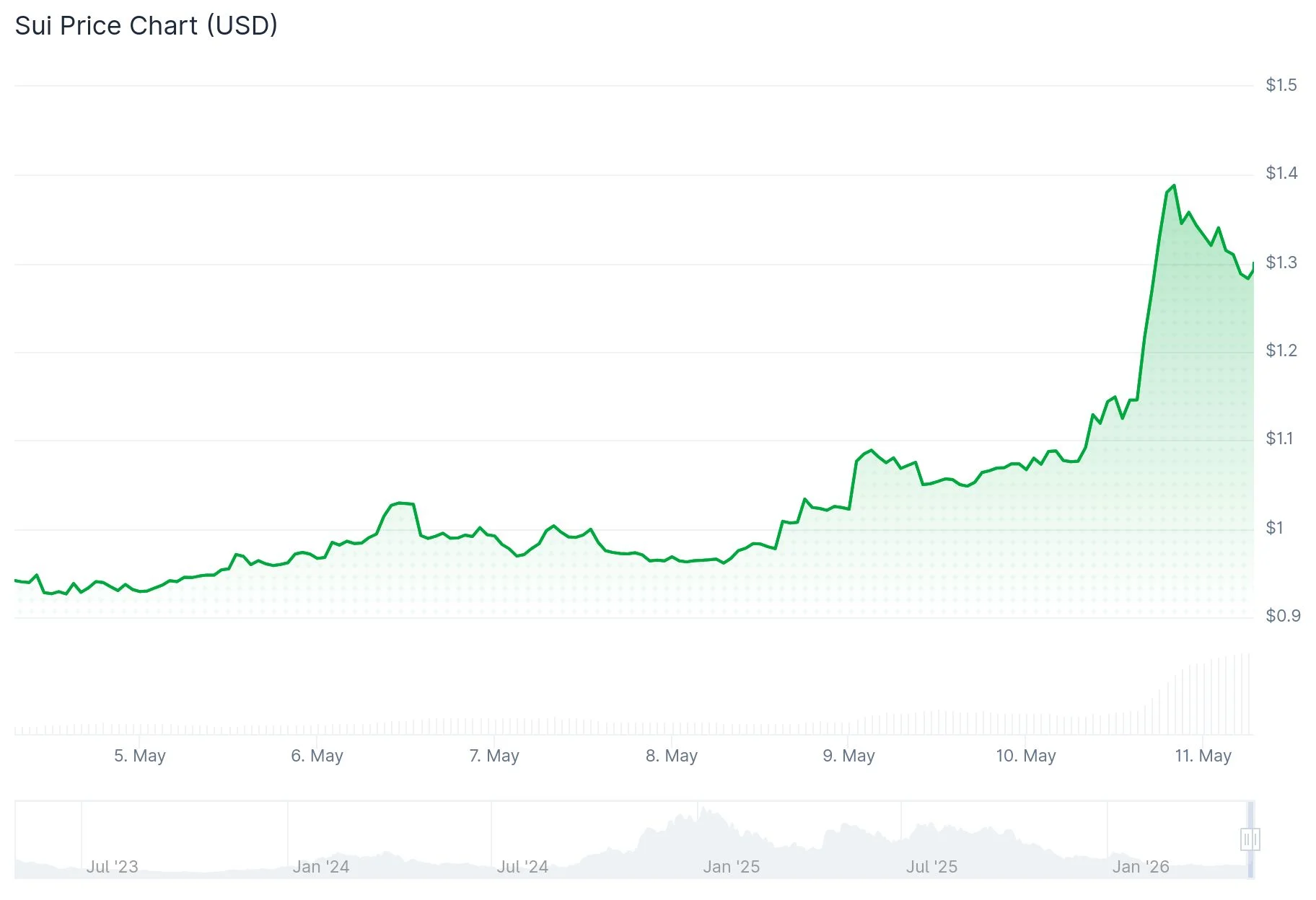
Sui (SUI) Token Rockets 50% Weekly on Institutional Staking and Privacy Tech Rollout

UK backs World Bank’s $1bn funding for Egypt




