CLARITY Act Deadline Looms: Senate Banking Committee Races to Finalize Crucial Crypto Bill by Jan. 13
BitcoinWorld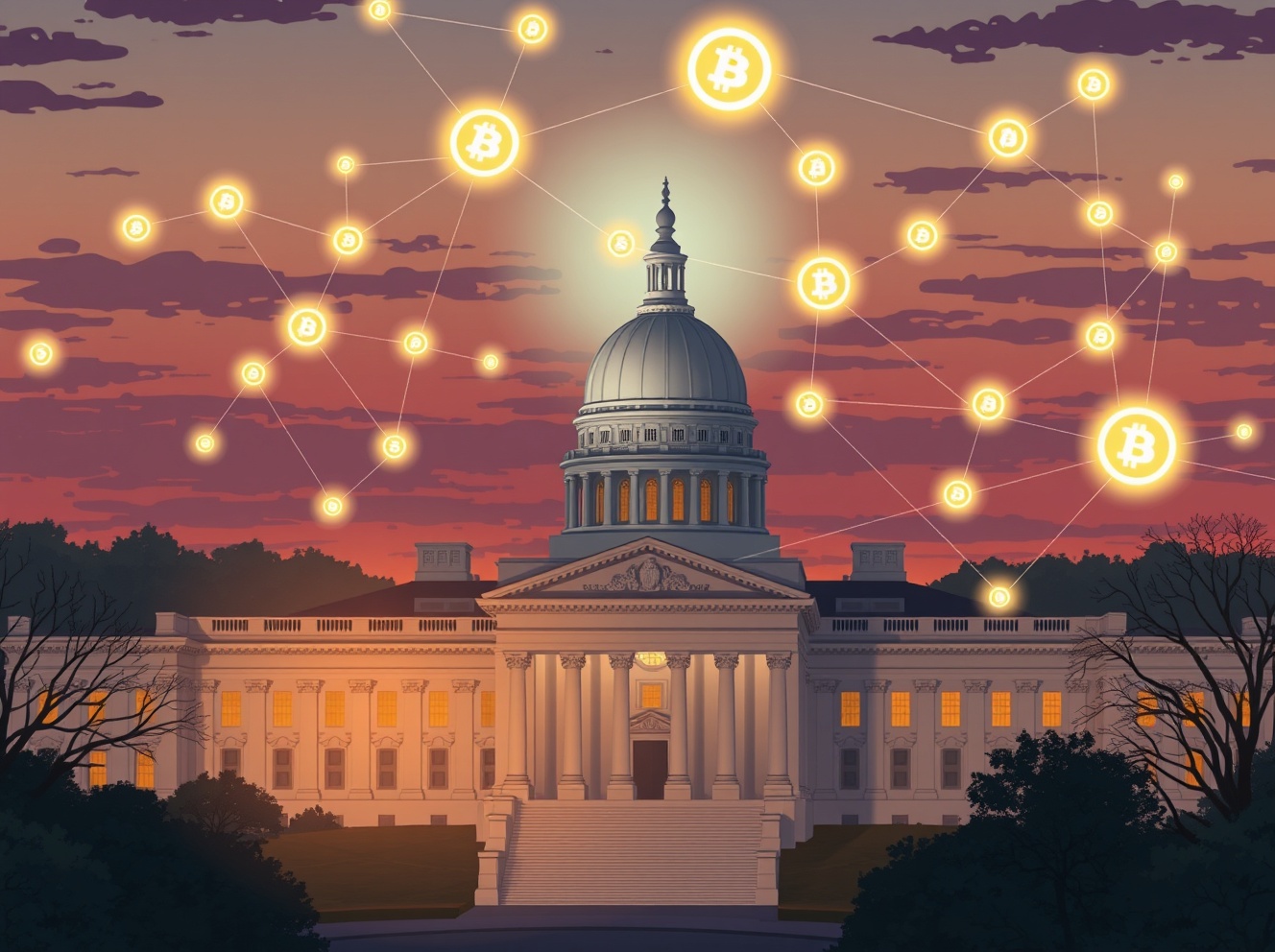
CLARITY Act Deadline Looms: Senate Banking Committee Races to Finalize Crucial Crypto Bill by Jan. 13
WASHINGTON, D.C. – January 12, 2025 – The United States Senate Banking Committee is in a final, intense negotiation phase to submit a landmark bipartisan cryptocurrency bill. According to a report from Fox Business journalist Eleanor Terrett, the committee aims to deliver the final version of the Crypto-Asset Reporting, Liquidity, and Investor Transparency (CLARITY) Act before midnight on January 13. This legislative push represents a pivotal moment for establishing a federal regulatory framework for digital assets, a goal that has eluded Congress for nearly a decade. The process, however, faces a significant hurdle: a contentious provision concerning stablecoin revenue sharing.
The CLARITY Act and Its Path to the Senate Floor
The CLARITY Act is a comprehensive market structure bill designed to clarify the regulatory treatment of digital assets. Its core objectives are to define the jurisdictional boundaries between the Securities and Exchange Commission (SEC) and the Commodity Futures Trading Commission (CFTC). Furthermore, it establishes clear rules for cryptocurrency exchanges, custody services, and stablecoin issuers. For years, the crypto industry has operated under a patchwork of state regulations and evolving SEC enforcement actions, creating significant uncertainty for businesses and investors alike. Consequently, this bipartisan effort seeks to provide the legal certainty necessary for innovation while implementing robust consumer protections.
Senator Cynthia Lummis (R-WY) and Senator Kirsten Gillibrand (D-NY), the bill’s primary sponsors, have been instrumental in its development. Their collaboration symbolizes a rare cross-aisle consensus on a complex financial technology issue. The bill has undergone multiple revisions following extensive hearings and feedback from industry stakeholders, regulatory agencies, and advocacy groups. The current midnight deadline on January 13 is not arbitrary; it is strategically set to align with the Senate’s legislative calendar, aiming to secure a place for a floor vote in the first quarter of 2025.
Historical Context of Crypto Legislation
Previous attempts at comprehensive crypto regulation, such as the Digital Commodities Consumer Protection Act and various stablecoin-specific bills, have stalled in committee or failed to gain sufficient bipartisan support. The CLARITY Act builds upon these earlier efforts, incorporating lessons learned from the market turmoil of 2022, including the collapses of FTX and TerraUSD. This historical context underscores the urgency felt by lawmakers to prevent similar systemic risks. The table below outlines key differences between the CLARITY Act and prior legislative attempts.
| Legislative Bill | Primary Focus | Status |
|---|---|---|
| Digital Commodities Consumer Protection Act (2022) | Granting the CFTC spot market authority | Stalled in House Committee |
| Stablecoin Innovation and Protection Act (2023) | Issuance and redemption rules for stablecoins | Never reached Senate floor |
| CLARITY Act (2025) | Comprehensive market structure, including SEC/CFTC jurisdiction and stablecoins | In final committee negotiation |
The Stablecoin Revenue Sticking Point
According to Terrett’s report, which cites a Senate source, the primary obstacle to final agreement is a provision related to stablecoin revenue. Stablecoins are digital assets pegged to a reserve asset like the U.S. dollar. They have become fundamental infrastructure for trading, lending, and payments within the crypto ecosystem. The debate centers on how revenue generated from the reserves backing these stablecoins—often held in interest-bearing Treasury bills or similar instruments—should be treated.
Key questions under negotiation include:
- Revenue Distribution: Should revenue accrue to the stablecoin issuer, be shared with token holders, or be directed to a regulatory fund for consumer protection?
- Reserve Composition: What types of assets are permissible for backing stablecoins, and how should their yields be managed?
- Consumer Rights: Do stablecoin holders have a claim to any interest generated, akin to a bank account holder?
This issue touches on fundamental questions of financial law and consumer protection. Some lawmakers argue that revenue should benefit the public, perhaps funding financial literacy programs or regulatory oversight. Conversely, industry advocates contend that overly restrictive rules could stifle innovation and drive stablecoin development offshore. This impasse requires careful negotiation to balance innovation with robust economic safeguards.
Potential Impacts of the Legislation
The successful passage of the CLARITY Act would have immediate and long-term consequences for multiple stakeholders. Firstly, for cryptocurrency exchanges and service providers, it would finally provide a clear federal compliance roadmap, reducing legal uncertainty and potentially lowering compliance costs associated with navigating 50 different state regimes. Secondly, institutional investors, who have been cautiously observing the space, may gain the regulatory clarity needed to commit significant capital, potentially leading to greater market liquidity and stability.
For consumers and retail investors, the bill promises enhanced protections against fraud and market manipulation. It would mandate stricter custody requirements, transparency in reserve reporting for stablecoins, and clearer disclosures about investment risks. Moreover, by defining which digital assets are securities and which are commodities, the bill could streamline the process for launching new tokens and blockchain projects within a compliant framework. This regulatory certainty is widely seen as essential for the United States to maintain its competitiveness in the global fintech landscape against jurisdictions like the European Union, which implemented its Markets in Crypto-Assets (MiCA) regulation in 2024.
Expert Perspectives on the Deadline
Financial policy analysts note that such eleventh-hour negotiations are common for complex legislation. “The focus on stablecoin revenue is unsurprising,” notes Dr. Amelia Chen, a fellow at the Georgetown University Center for Financial Markets. “It sits at the intersection of banking law, securities regulation, and monetary policy. Resolving it requires bridging deep philosophical divides about the nature of money and the role of the private sector.” The committee’s ability to forge a compromise on this point will be a critical test of the bill’s viability. Failure to meet the deadline could delay the process by weeks or months, pushing final votes deeper into the 2025 calendar and increasing its exposure to political shifts.
Conclusion
The race to finalize the CLARITY Act by the January 13 deadline highlights a crucial inflection point for cryptocurrency regulation in the United States. The bipartisan effort led by the Senate Banking Committee seeks to establish a comprehensive federal framework that fosters innovation while ensuring market integrity and consumer protection. The unresolved debate over stablecoin revenue distribution remains the key hurdle. The outcome of these final negotiations will not only determine the immediate fate of this specific crypto bill but will also set a foundational precedent for how digital assets are integrated into the American financial system for years to come. The world is watching to see if the U.S. Congress can deliver the regulatory clarity the industry has long awaited.
FAQs
Q1: What is the CLARITY Act?
The Crypto-Asset Reporting, Liquidity, and Investor Transparency (CLARITY) Act is a bipartisan U.S. Senate bill designed to create a comprehensive federal regulatory framework for digital assets. It clarifies roles for the SEC and CFTC and sets rules for exchanges and stablecoins.
Q2: Why is the January 13 deadline significant?
The January 13 deadline is a procedural target set by the Senate Banking Committee to finalize the bill’s text. Meeting this deadline is crucial for scheduling a timely floor vote in the Senate and advancing the legislation through Congress.
Q3: What is the main sticking point in the negotiations?
The primary unresolved issue involves provisions related to stablecoin revenue. Negotiators are debating how interest or yield generated from the reserves backing dollar-pegged stablecoins should be distributed or regulated.
Q4: How would this bill affect cryptocurrency exchanges like Coinbase or Kraken?
The bill would provide exchanges with a clear federal license to operate, superseding a complex patchwork of state money-transmitter licenses. It would establish uniform standards for consumer protection, custody of assets, and financial reporting.
Q5: What happens if the committee misses the midnight deadline?
Missing the deadline would not kill the bill but would likely delay the process. The committee would need to reconvene, potentially revisiting the text, which could push back Senate floor debate and a final vote, possibly into the spring or later in 2025.
This post CLARITY Act Deadline Looms: Senate Banking Committee Races to Finalize Crucial Crypto Bill by Jan. 13 first appeared on BitcoinWorld.


You May Also Like

BNB slips below $590 as Trump threatens to strike Iranian power plants

OpenAI CEO urges U.S. to prepare for AI ‘superintelligence’ risks and gains