BitcoinWorld Trump Iran Protests: Critical Monitoring and Potential Response Strategy for 2025 WASHINGTON, D.C. – January 2025 marks a pivotal moment in MiddleBitcoinWorld Trump Iran Protests: Critical Monitoring and Potential Response Strategy for 2025 WASHINGTON, D.C. – January 2025 marks a pivotal moment in Middle

Trump Iran Protests: Critical Monitoring and Potential Response Strategy for 2025

Trump monitoring Iran protests with potential strong response options for 2025 geopolitical stability

BitcoinWorld

Trump Iran Protests: Critical Monitoring and Potential Response Strategy for 2025

WASHINGTON, D.C. – January 2025 marks a pivotal moment in Middle Eastern geopolitics as former President Donald Trump announces he is closely monitoring anti-government protests in Iran while weighing strong response options. This development follows Walter Bloomberg’s exclusive report detailing Trump’s renewed engagement with Iranian domestic unrest. The situation presents significant implications for global energy markets, regional stability, and diplomatic relations during a crucial election year.

Trump’s Iran Protests Monitoring Strategy

Former President Trump’s statement about monitoring Iranian protests represents a continuation of his administration’s established foreign policy approach. During his presidency, Trump frequently commented on Iranian domestic affairs, particularly during the 2019-2020 protests. His current monitoring activities reportedly involve multiple intelligence channels and diplomatic sources. Consequently, this renewed attention coincides with escalating tensions between Tehran and Western powers over nuclear negotiations.

Furthermore, Trump’s consideration of “strong response options” suggests potential policy shifts. Historical precedent indicates several possible approaches including economic sanctions, diplomatic pressure, or public statements supporting protestors. However, experts caution that direct intervention remains unlikely given current political constraints. Meanwhile, the Iranian government continues to address domestic discontent while maintaining its regional influence.

Historical Context of Iranian Protests

Iran has experienced periodic protest movements throughout its modern history. The current wave follows established patterns of economic dissatisfaction and political unrest. Specifically, previous significant protests occurred in 2009, 2017-2018, 2019-2020, and 2022-2023. Each episode demonstrated particular characteristics:

  • 2009 Green Movement: Primarily political, focused on election disputes
  • 2017-2018 Economic Protests: Driven by inflation and unemployment concerns
  • 2019-2020 Fuel Price Protests: Sparked by sudden subsidy removals
  • 2022-2023 Mahsa Amini Protests: Began with women’s rights issues

Therefore, understanding this historical continuum provides essential context for current developments. Additionally, regional observers note changing protest demographics and tactics over time.

Geopolitical Implications and Expert Analysis

Middle East analysts emphasize several critical factors in this situation. First, Iran’s strategic position affects global energy supplies through the Strait of Hormuz. Second, ongoing nuclear negotiations create delicate diplomatic balances. Third, regional proxy conflicts in Yemen, Syria, and Lebanon complicate responses. Fourth, domestic American politics influence foreign policy approaches.

Dr. Sarah Chen, Georgetown University Middle East Studies professor, explains: “External commentary on Iranian protests often produces unintended consequences. The Iranian government frequently characterizes foreign statements as interference, potentially strengthening their domestic position. Meanwhile, protest movements must navigate complex internal dynamics regardless of external attention.”

Moreover, energy market analysts monitor potential impacts on oil prices. Iran possesses the world’s fourth-largest oil reserves and second-largest natural gas reserves. Consequently, political instability could affect global energy markets significantly. However, current production levels remain relatively stable despite sanctions.

Potential Response Options and Considerations

Trump’s mention of “strong response options” suggests several possible approaches based on historical precedent. Each option carries distinct advantages and risks that policymakers must carefully evaluate. The following table outlines primary considerations:

Response OptionPotential ImpactHistorical Precedent
Additional SanctionsEconomic pressure on governmentTrump administration maximum pressure campaign
Diplomatic StatementsMoral support for protestorsMultiple U.S. administrations
International ForumsMultilateral pressureUN Human Rights Council actions
Cyber OperationsDisruption capabilitiesStuxnet and similar operations

Furthermore, regional allies including Israel and Saudi Arabia maintain their own positions regarding Iranian developments. These relationships complicate any unified international response. Additionally, European powers often prefer diplomatic engagement over confrontation.

Media Landscape and Information Challenges

The Iranian government restricts internet access during protest periods, creating information gaps. Consequently, external observers rely on satellite imagery, diaspora reports, and intelligence sources. Social media platforms provide fragmented but valuable insights despite restrictions. However, verification remains challenging due to disinformation campaigns from multiple actors.

International media organizations face particular difficulties reporting from inside Iran. Foreign journalists encounter visa restrictions and monitoring. Therefore, most coverage originates from outside the country. This situation creates inherent limitations in understanding ground realities. Nevertheless, technological advances improve monitoring capabilities over time.

Economic Factors Driving Unrest

Economic conditions significantly influence protest dynamics in Iran. The country faces multiple challenges including high inflation, unemployment, and currency depreciation. International sanctions exacerbate these difficulties despite some relief through alternative trading arrangements. Specifically, several key economic indicators demonstrate persistent problems:

  • Annual inflation exceeding 40% in recent years
  • Youth unemployment approaching 25%
  • Currency losing approximately 90% of value since 2018
  • Oil exports reduced by over 80% from pre-sanction levels

These economic pressures affect ordinary citizens disproportionately. Meanwhile, government resources address multiple priorities including military expenditures and regional commitments. Consequently, public dissatisfaction periodically erupts into protests despite security measures.

Regional Security Considerations

Iran’s regional activities influence international responses to domestic protests. The country maintains proxy relationships with several non-state actors across the Middle East. These include Hezbollah in Lebanon, Houthi forces in Yemen, and various groups in Syria and Iraq. Therefore, external powers consider broader security implications when formulating responses.

Additionally, Iran’s nuclear program remains a central concern for international security. Negotiations continue despite periodic setbacks. Domestic instability could affect these negotiations in multiple ways. Some analysts suggest weakened government positions might increase flexibility. Others argue instability produces more rigid positions. The actual outcome remains uncertain given complex variables.

Conclusion

Former President Trump’s monitoring of Iran protests and consideration of response options represents a significant development in Middle Eastern geopolitics. The situation involves complex historical, economic, and security dimensions requiring careful analysis. While external attention often focuses on dramatic developments, underlying structural factors drive long-term outcomes. Consequently, observers should maintain nuanced perspectives regarding potential developments. The Trump Iran protests situation will likely evolve through 2025 with implications extending beyond immediate events.

FAQs

Q1: What specific protests is Trump monitoring in Iran?
The former president is monitoring ongoing anti-government demonstrations primarily driven by economic grievances and political discontent. These protests represent the latest wave in periodic unrest affecting Iran since 2017.

Q2: What response options might Trump be considering?
Potential options include economic sanctions, diplomatic pressure through international organizations, public statements supporting protestors, or coordination with regional allies. However, direct military intervention remains highly unlikely given current circumstances.

Q3: How does this affect Iran nuclear negotiations?
Domestic instability could influence nuclear negotiations in multiple directions. Some analysts suggest it might weaken Iran’s bargaining position, while others believe it could harden their stance against perceived external interference.

Q4: What role do regional allies play in this situation?
Countries including Israel, Saudi Arabia, and the United Arab Emirates maintain significant interests in Iranian developments. Their intelligence sharing and diplomatic coordination with the United States could influence response options.

Q5: How reliable is information coming from Iran during protests?
Information reliability varies due to internet restrictions and government controls. External observers use multiple verification methods including satellite imagery, diaspora networks, and intelligence sources to construct accurate assessments.

This post Trump Iran Protests: Critical Monitoring and Potential Response Strategy for 2025 first appeared on BitcoinWorld.

Market Opportunity
OFFICIAL TRUMP Logo
OFFICIAL TRUMP Price(TRUMP)
$5.649
$5.649$5.649
-0.38%
USD
OFFICIAL TRUMP (TRUMP) Live Price Chart
Disclaimer: The articles reposted on this site are sourced from public platforms and are provided for informational purposes only. They do not necessarily reflect the views of MEXC. All rights remain with the original authors. If you believe any content infringes on third-party rights, please contact service@support.mexc.com for removal. MEXC makes no guarantees regarding the accuracy, completeness, or timeliness of the content and is not responsible for any actions taken based on the information provided. The content does not constitute financial, legal, or other professional advice, nor should it be considered a recommendation or endorsement by MEXC.

You May Also Like

Is Hyperliquid the new frontier for innovation?
Is Hyperliquid the new frontier for innovation?

The post Is Hyperliquid the new frontier for innovation? appeared on BitcoinEthereumNews.com. This is a segment from the 0xResearch newsletter. To read full editions, subscribe. One of the key things I like to track in crypto is a subjective criterion I call “where are new interesting developments and proposals taking place.” There are plenty of dashboards and analytics sites for this, the most popular being the Electric Capital site. The issue is that it still shows Polkadot as having a lot of developers. (At Blockworks we solved the noise problem with active users; maybe we can try the same for active developers.) Because of this noise, I prefer to track two simple observations: What is the velocity of new products launching, and how much mindshare are these products capturing? Are many people getting nerdsniped into discussing the novelties and intricacies of the chain? A related point is the caliber of people being attracted to new ecosystems. For example, over the past few years, Solana (and Ethereum) attracted the majority of talent. Talent generally goes where: It can solve interesting problems or create interesting projects. It can make a lot of money. In a podcast I did with Icebergy about a year ago, we discussed how crypto still wasn’t attracting talent at the levels AI was, despite offering faster exits and more money. AI was (and probably still is) more interesting to most talent and seen as more prestigious. After FTX, crypto lost a lot of credibility and has only recently started recovering as larger institutional players re-entered. Apart from FTX, crypto has also been criticized for being full of low-effort forks and limited utility products. This dynamic isn’t unique to crypto though. Many AI companies are also just building wrappers around GPT, which is as uninteresting as some projects in crypto. Anyway, to the point: Historically, Solana has captured the majority of…
Share
BitcoinEthereumNews2025/09/18 08:13
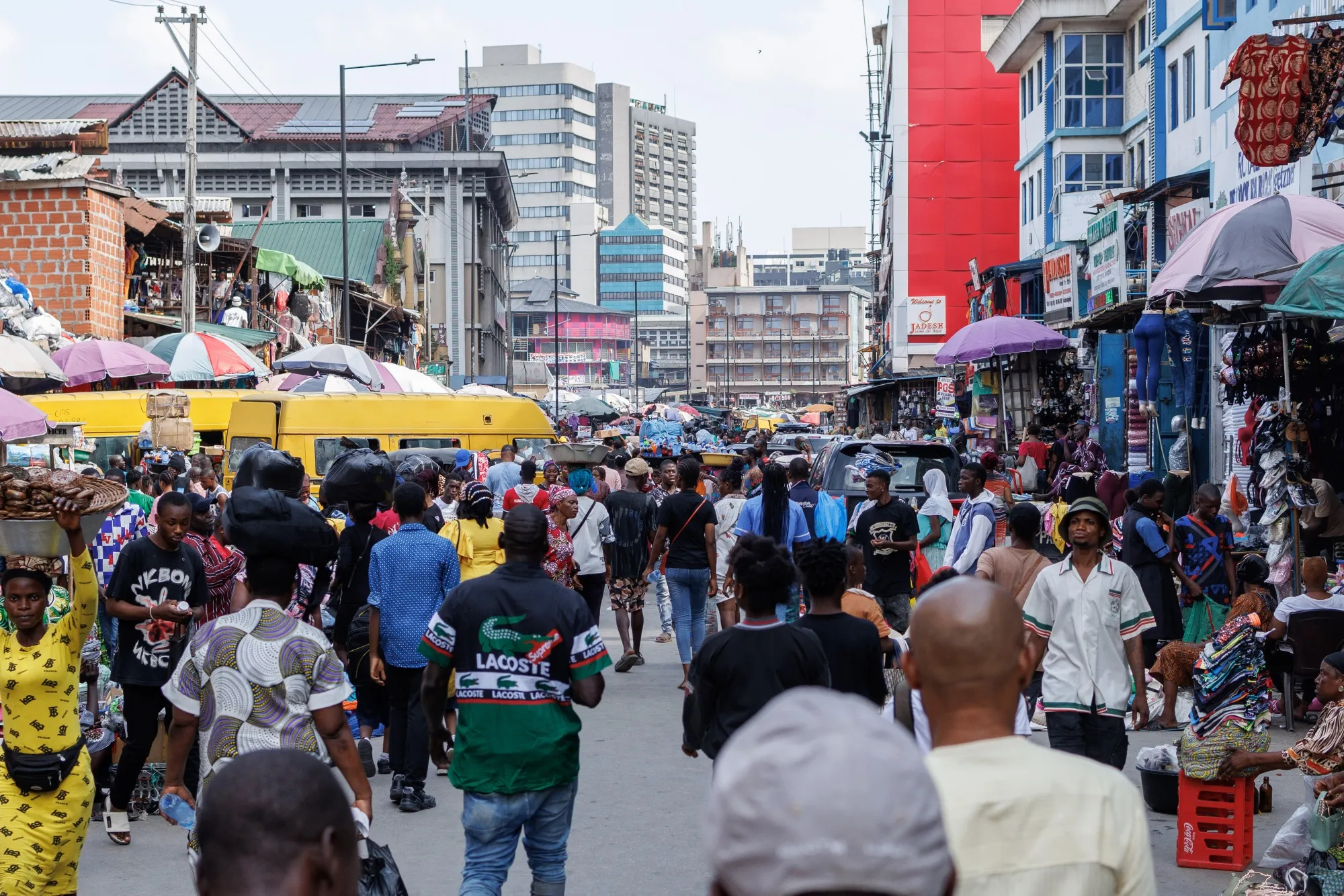
Stronger capital, bigger loans: Africa’s banking outlook for 2026

Stronger capital, bigger loans: Africa’s banking outlook for 2026

African banks spent 2025 consolidating, shoring up capital, tightening risk controls, and investing in digital infrastructure, following years of macroeconomic
Share
Techcabal2026/01/14 23:06
Crucial US Stock Market Update: What Wednesday’s Mixed Close Reveals

Crucial US Stock Market Update: What Wednesday’s Mixed Close Reveals

BitcoinWorld Crucial US Stock Market Update: What Wednesday’s Mixed Close Reveals The financial world often keeps us on our toes, and Wednesday was no exception. Investors watched closely as the US stock market concluded the day with a mixed performance across its major indexes. This snapshot offers a crucial glimpse into current investor sentiment and economic undercurrents, prompting many to ask: what exactly happened? Understanding the Latest US Stock Market Movements On Wednesday, the closing bell brought a varied picture for the US stock market. While some indexes celebrated gains, others registered slight declines, creating a truly mixed bag for investors. The Dow Jones Industrial Average showed resilience, climbing by a notable 0.57%. This positive movement suggests strength in some of the larger, more established companies. Conversely, the S&P 500, a broader benchmark often seen as a barometer for the overall market, experienced a modest dip of 0.1%. The technology-heavy Nasdaq Composite also saw a slight retreat, sliding by 0.33%. This particular index often reflects investor sentiment towards growth stocks and the tech sector. These divergent outcomes highlight the complex dynamics currently at play within the American economy. It’s not simply a matter of “up” or “down” for the entire US stock market; rather, it’s a nuanced landscape where different sectors and company types are responding to unique pressures and opportunities. Why Did the US Stock Market See Mixed Results? When the US stock market delivers a mixed performance, it often points to a tug-of-war between various economic factors. Several elements could have contributed to Wednesday’s varied closings. For instance, positive corporate earnings reports from certain industries might have bolstered the Dow. At the same time, concerns over inflation, interest rate policies by the Federal Reserve, or even global economic uncertainties could have pressured growth stocks, affecting the S&P 500 and Nasdaq. Key considerations often include: Economic Data: Recent reports on employment, manufacturing, or consumer spending can sway market sentiment. Corporate Announcements: Strong or weak earnings forecasts from influential companies can significantly impact their respective sectors. Interest Rate Expectations: The prospect of higher or lower interest rates directly influences borrowing costs for businesses and consumer spending, affecting future profitability. Geopolitical Events: Global tensions or trade policies can introduce uncertainty, causing investors to become more cautious. Understanding these underlying drivers is crucial for anyone trying to make sense of daily market fluctuations in the US stock market. Navigating Volatility in the US Stock Market A mixed close, while not a dramatic downturn, serves as a reminder that market volatility is a constant companion for investors. For those involved in the US stock market, particularly individuals managing their portfolios, these days underscore the importance of a well-thought-out strategy. It’s important not to react impulsively to daily movements. Instead, consider these actionable insights: Diversification: Spreading investments across different sectors and asset classes can help mitigate risk when one area underperforms. Long-Term Perspective: Focusing on long-term financial goals rather than short-term gains can help weather daily market swings. Stay Informed: Keeping abreast of economic news and company fundamentals provides context for market behavior. Consult Experts: Financial advisors can offer personalized guidance based on individual risk tolerance and objectives. Even small movements in major indexes can signal shifts that require attention, guiding future investment decisions within the dynamic US stock market. What’s Next for the US Stock Market? Looking ahead, investors will be keenly watching for further economic indicators and corporate announcements to gauge the direction of the US stock market. Upcoming inflation data, statements from the Federal Reserve, and quarterly earnings reports will likely provide more clarity. The interplay of these factors will continue to shape investor confidence and, consequently, the performance of the Dow, S&P 500, and Nasdaq. Remaining informed and adaptive will be key to understanding the market’s trajectory. Conclusion: Wednesday’s mixed close in the US stock market highlights the intricate balance of forces influencing financial markets. While the Dow showed strength, the S&P 500 and Nasdaq experienced slight declines, reflecting a nuanced economic landscape. This reminds us that understanding the ‘why’ behind these movements is as important as the movements themselves. As always, a thoughtful, informed approach remains the best strategy for navigating the complexities of the market. Frequently Asked Questions (FAQs) Q1: What does a “mixed close” mean for the US stock market? A1: A mixed close indicates that while some major stock indexes advanced, others declined. It suggests that different sectors or types of companies within the US stock market are experiencing varying influences, rather than a uniform market movement. Q2: Which major indexes were affected on Wednesday? A2: On Wednesday, the Dow Jones Industrial Average gained 0.57%, while the S&P 500 edged down 0.1%, and the Nasdaq Composite slid 0.33%, illustrating the mixed performance across the US stock market. Q3: What factors contribute to a mixed stock market performance? A3: Mixed performances in the US stock market can be influenced by various factors, including specific corporate earnings, economic data releases, shifts in interest rate expectations, and broader geopolitical events that affect different market segments uniquely. Q4: How should investors react to mixed market signals? A4: Investors are generally advised to maintain a long-term perspective, diversify their portfolios, stay informed about economic news, and avoid impulsive decisions. Consulting a financial advisor can also provide personalized guidance for navigating the US stock market. Q5: What indicators should investors watch for future US stock market trends? A5: Key indicators to watch include upcoming inflation reports, statements from the Federal Reserve regarding monetary policy, and quarterly corporate earnings reports. These will offer insights into the future direction of the US stock market. Did you find this analysis of the US stock market helpful? Share this article with your network on social media to help others understand the nuances of current financial trends! To learn more about the latest stock market trends, explore our article on key developments shaping the US stock market‘s future performance. This post Crucial US Stock Market Update: What Wednesday’s Mixed Close Reveals first appeared on BitcoinWorld.
Share
Coinstats2025/09/18 05:30