What Is an AI Cartoon Generator? A Complete Guide for 2026
AI cartoon generators have transformed how creators, marketers, and storytellers produce visual content. What once required professional illustrators, expensive software, and weeks of work now happens in seconds through browser-based tools that anyone can use.
But not all AI cartoon generators serve the same purpose. Understanding what these tools actually do, how they differ, and which limitations matter for your specific use case will save you hours of frustration and help you choose the right solution for your creative projects.
What Is an AI Cartoon Generator, Really?
At its core, an AI cartoon generator uses deep learning models trained on massive datasets of images to create stylized illustrations from text descriptions or uploaded photos. You describe what you want, and the AI produces it in seconds. No drawing skills required.
These tools have evolved into three broad categories:
Text-to-cartoon generators convert written prompts into illustrations. You type “a cyberpunk cat detective in neon Tokyo” and get exactly that, rendered in your chosen style. Tools like Neolemon’s free AI cartoon generator let you experiment with this approach without any upfront cost.
Photo-to-cartoon tools transform real images into stylized versions. Upload a selfie, get an anime avatar. Upload your dog, get a cartoon mascot. Photo-to-cartoon converters are particularly popular for creating personalized avatars and turning family photos into storybook characters.
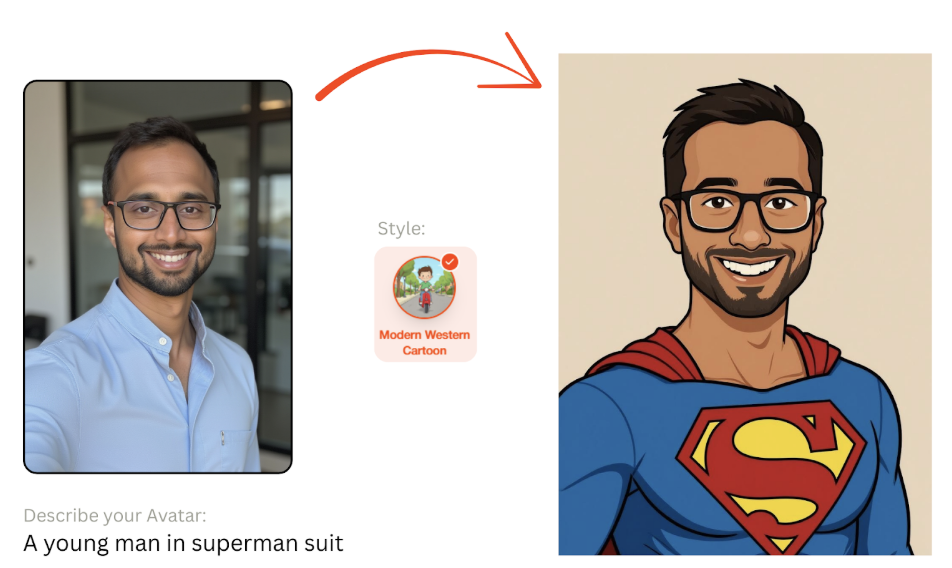
Cartoon video generators create animated scenes, characters, and even voiceovers from scripts. These combine multiple AI systems: character generation, scene composition, and text-to-speech.
Most platforms now combine at least two of these modes. The technology runs in the cloud, so you don’t need expensive hardware or design software. Just a browser and an idea.
How the Technology Works
Image-based cartoon generators use diffusion models that learn relationships between text descriptions and visual elements. They start with random noise and progressively refine it into a coherent image guided by your prompt.
Photo stylizers work differently. They’re trained on paired datasets of real photos and their cartoon equivalents, learning to map realistic textures, edges, and colors into stylized forms.
Video generators are more complex, combining character models, scene composition systems, script generators, and voice synthesis. Because these components are modular, you can often regenerate just one element (a character, a background, a voice) without rebuilding everything.
The practical result? What used to take professional illustrators days now takes seconds. What used to cost thousands of dollars now costs a monthly subscription.
The Consistency Problem (And Why It Matters)
Here’s where most AI cartoon generators fall short, and where the technology gets interesting.
Creating a single beautiful image is relatively easy. Creating twenty images of the same character that all look like the same character? That’s hard. It’s really hard.
Standard AI image generators treat each prompt independently. They don’t remember that your fox character has amber eyes and a white-tipped tail. Each generation is essentially starting fresh, interpreting your description anew. The result is subtle (or not so subtle) drift. Hair color shifts. Facial proportions change. Clothing transforms.
For social media avatars or one-off marketing graphics, this doesn’t matter much. For visual storytelling, where your character needs to appear consistently across dozens of scenes, it’s a dealbreaker.
This is precisely why specialized tools have emerged for story illustration. Neolemon, for example, was built specifically to solve character consistency. The platform lets you design a character once, then generate unlimited variations (different poses, expressions, settings) while maintaining the character’s core identity. Same face, same proportions, same recognizable character across every page.
For children’s book creators, this distinction is crucial. Kids notice inconsistencies. If your protagonist looks different on page seven than page one, it breaks immersion. Young readers connect with characters, and that connection requires visual stability.
Common Use Cases in 2026
AI cartoon generators have become standard tools across creative industries:
Social media content. Profile pictures, story covers, memes, branded posts. The speed advantage is enormous: create a week’s worth of visual content in an afternoon.
Marketing and advertising. Campaign visuals, explainer graphics, ad creatives that stand out from generic stock photos. Brands develop consistent cartoon mascots for content series.
Education. Teachers create custom visual stories featuring characters that represent their students. Lesson materials become more engaging and personalized.
Children’s books and comics. Authors who couldn’t afford professional illustrators (typically $3,000 to $10,000 per book) now create publication-ready artwork for a fraction of that cost. This is where character consistency tools like Neolemon have become essential.
Animation preproduction. Creators generate character concepts and storyboards before committing to full animation. Iteration happens at AI speed rather than hand-drawn speed.
Illustration Styles: Finding the Right Aesthetic
Different stories call for different visual styles, and modern AI cartoon generators offer remarkable variety. The same character prompt can produce dramatically different results depending on which style preset you select.
Common style options include:
- Pixar-inspired 3D for that polished animated movie look
- Watercolor illustration for soft, painterly children’s books
- Anime and manga for dynamic, expressive characters
- Chibi for cute, big-headed kawaii aesthetics
- Classic storybook for traditional picture book warmth
- Flat vector for clean, modern minimalist designs
- Retro comic for vintage Fleischer-style illustrations
- Claymation for that stop-motion Aardman feel
The key is matching your style to your audience and story tone. A cozy bedtime tale works better in watercolor than an action comic. An adventure story might suit Pixar-style 3D better than a minimalist vector.
Neolemon offers 12 distinct illustration styles optimized for storytelling. To see how the same character looks across all these styles, this 5-minute video demonstration walks through each option side by side.
What to Look for When Choosing a Tool
Different tools serve different needs. Here’s how to think about the landscape:
| Tool Type | Best For | Key Strengths |
| Design platforms with cartoon features | Social posts, slides, templates | Integrated editors, text overlays, template libraries |
| Photo-to-cartoon tools | Quick avatars and profile pics | One-click stylization, minimal setup |
| Advanced AI image suites | Artists wanting fine control | High-quality outputs, detailed prompt options |
| Story illustration tools (Neolemon) | Children’s books, visual narratives | Character consistency, multiple scene generation |
| Video generators | Explainers, animated ads | Character animation, voiceovers, scene composition |
For visual storytelling specifically, the criteria that matter most are:
Character consistency systems. Can the tool maintain the same character across multiple generations? This is non-negotiable for books or series content.
Style variety. Different stories need different aesthetics. Look for multiple presets: Pixar-style 3D, watercolor, anime, classic storybook illustration.
Speed. If each generation takes two minutes, creating 20 illustrations becomes tedious. The best tools generate in seconds.
Ease of use. You shouldn’t need prompt engineering expertise. The best creative tools feel invisible.
Commercial rights. Confirm the tool grants full rights to generated images before selling your work.
Why Neolemon Leads for Story Illustration in 2026
Among the tools available today, Neolemon checks every box for visual storytellers.
Character consistency is the platform’s core strength. Unlike general-purpose generators where characters drift between images, Neolemon’s system locks in your character’s identity. Design once, generate unlimited scenes. The same face, outfit, and proportions appear whether your character is running through a park or sitting in a classroom.
Style variety covers 12 illustration presets fine-tuned for storytelling: Pixar-inspired 3D, watercolor, anime, chibi, storybook illustration, and more. Switch styles with one click while maintaining character consistency.
Speed is measured in seconds, not minutes. Generate an image, review it, iterate. The rapid feedback loop means you can illustrate an entire picture book in an afternoon rather than a week.
Ease of use requires no prompt engineering expertise. The platform uses structured input fields (character description, action, background, style) instead of forcing you to craft complex prompts. Describe what you want in plain language.
Commercial rights are included with all plans. Every image you generate is yours to use, sell, and publish.
The platform serves over 20,000 creators, from first-time children’s book authors to educators building custom classroom materials. Plans start at $29/month, with free credits available to test the platform before committing.
Limitations and Ethical Considerations
AI cartoon generators still have rough edges. Anatomy errors happen (extra fingers, impossible proportions). Complex prompts sometimes get misinterpreted. Users often need to iterate and occasionally perform light manual editing.
On the ethical side, pay attention to copyright, likeness rights, and content policies. Most tools restrict harmful or trademark-infringing content. When stylizing photos of real people, get their consent, particularly for commercial projects.
Getting Started: Practical Steps
For creators new to AI cartoon generators, here’s a sensible approach:
Start simple. Pick a short project (8 to 12 images) as a learning exercise. Don’t tackle an epic fantasy saga first.
Match the tool to your needs. For one-off social graphics, a general design platform works fine. For story illustration with recurring characters, use a consistency-focused tool like Neolemon.
Define your character intentionally. Before generating anything, write down what makes your character recognizable. Two or three distinguishing features. Hair, clothing, one memorable detail. Iconic characters are simple, not complicated.
Generate your base image first. For story projects, always start with a full-body front view on a plain background. This becomes your reference point.
Iterate freely. Speed is the advantage. If a generation doesn’t work, try again. Experiment. Generate multiple options and pick the best.
The Bigger Picture
AI cartoon generators represent something larger than a new creative tool. They’re democratizing visual storytelling.
For decades, illustration was a bottleneck. Writers with stories couldn’t afford to bring them to life visually. Teachers with creative lesson ideas couldn’t make them engaging. Parents with bedtime stories couldn’t turn them into real books.
That bottleneck is dissolving. The barrier to illustrated storytelling is no longer artistic skill or budget. It’s imagination and execution.
Whether you need quick social media graphics, branded marketing visuals, or consistent character illustrations for a 32-page picture book, AI cartoon generators in 2026 offer solutions that didn’t exist just a few years ago. The key is understanding which tool matches your specific creative workflow and choosing accordingly.
Ready to Create Your First Illustrated Story?
If you’re ready to turn your story ideas into professional cartoon illustrations, Neolemon offers free credits to get started. No credit card required.
Create your first consistent character in minutes. Generate scenes across 12 illustration styles. See why over 20,000 creators trust the platform for children’s books, educational content, and visual storytelling projects.
Try Neolemon free and bring your stories to life.
Learning:
Beginner Tutorial (26 minutes): Start here if you’re new to AI cartoon generation
Complete Masterclass (46 minutes): Deep dive into advanced workflows
Tools:
AI Book Illustration Generator for Children’s Books: Landing page with examples and pricing
Free AI Cartoon Generator: Experiment with styles at no cost
Photo to Cartoon Converter: Turn yourself or your kids into story characters
Community:
Join our free Neolemon community for workshops, Q&A sessions, and to see what other AI storytellers are creating. We host live office hours to help creators with any obstacles.
Your story is waiting. The tools are ready. The only question left is: what will you create?


You May Also Like

Robotics Automation Prototyping: Engineering Kinetic Agility into End-Effectors
Silver Price Prediction: Cup and Handle Points to $196 – Why the Correction Was Always Part of the Plan