

Pakistan Crypto Leader by 2030: Changpeng Zhao’s Hopeful Prediction for Digital Asset Dominance
BitcoinWorld
Pakistan Crypto Leader by 2030: Changpeng Zhao’s Hopeful Prediction for Digital Asset Dominance
In a significant statement from a leading global crypto figure, former Binance CEO Changpeng Zhao (CZ) has identified Pakistan as a potential powerhouse in the digital asset space. Speaking recently, Zhao projected that Pakistan could emerge as one of the world’s crypto leaders by the year 2030. This prediction, made in an interview with the Pakistan Crypto Council’s CEO and reported by Cointelegraph, hinges on the nation’s ability to sustain its current regulatory and adoption trajectory. The remarks spotlight a nation often discussed for its economic challenges rather than its technological potential, offering a fresh narrative for the global cryptocurrency landscape.
Changpeng Zhao’s Vision for Pakistan’s Crypto Future
Changpeng Zhao’s analysis provides a structured framework for Pakistan’s potential ascent. He specifically commended the country’s leadership for what he termed “rapid execution” in recognizing the burgeoning demand for digital assets. Furthermore, Zhao highlighted a critical demographic advantage: Pakistan’s large, young, and technologically adept population. This cohort represents both a massive user base and a potential talent pool for blockchain development. For context, over 60% of Pakistan’s population is under the age of 30, a statistic that aligns perfectly with global crypto adoption trends favoring younger generations. Zhao’s comments, therefore, are not mere speculation but an observation grounded in verifiable demographic and behavioral data.
The Foundation of Regulatory Momentum
The pathway to leadership, as outlined by Zhao, is contingent on maintaining regulatory momentum. In recent years, Pakistani authorities have engaged in serious discussions about digital asset frameworks. The State Bank of Pakistan and the Securities and Exchange Commission of Pakistan (SECP) have initiated studies and consultations. For instance, the SECP has been exploring regulatory models for digital assets, looking at jurisdictions like Singapore and the United Kingdom for guidance. This cautious yet proactive approach aims to balance innovation with consumer protection and financial integrity. Sustaining this delicate balance is the central challenge Zhao identifies for Pakistan’s crypto regulation journey toward 2030.
Global Context and Pakistan’s Unique Position
To understand the weight of Zhao’s prediction, one must examine the global crypto landscape. Leadership is not defined by adoption alone but by a combination of factors including regulatory clarity, technological innovation, and market influence. Currently, hubs like Singapore, Switzerland, and the United Arab Emirates set benchmarks for regulatory frameworks. Meanwhile, nations like India and Nigeria lead in raw user adoption rates. Pakistan’s opportunity lies in synthesizing these elements. Its large, unbanked population presents a prime use case for blockchain-based financial solutions, a point often emphasized by financial inclusion advocates. The following table contrasts key factors for crypto leadership:
| Factor | Current Leader Example | Pakistan’s Potential |
|---|---|---|
| Regulatory Clarity | Singapore (Payment Services Act) | Developing framework via SECP |
| Youth Adoption | Nigeria (High peer-to-peer volume) | ~64% population under 30 |
| Tech Talent | United States (Developer hubs) | Growing IT export sector |
| Financial Inclusion Drive | Kenya (Mobile money success) | ~100 million adults, significant unbanked |
This comparative view illustrates that Pakistan possesses foundational elements observed in other successful markets. However, the convergence of these factors under a coherent national strategy remains the critical next step.
Demographics as a Decisive Driver
The role of Pakistan’s demographic profile cannot be overstated. A young population typically correlates with higher digital literacy and greater openness to new financial technologies. Reports from blockchain analytics firms consistently show that regions with younger median ages see faster adoption of cryptocurrencies. This trend is driven by several factors:
- Remittance Efficiency: Pakistan is a top recipient of global remittances. Crypto offers a potentially faster and cheaper corridor.
- Inflation Hedge: In economies with currency volatility, digital assets are often explored as alternative stores of value.
- Entrepreneurial Spirit: Young Pakistanis are increasingly launching tech startups, with blockchain as a natural frontier.
Consequently, the “demand for digital assets” that Zhao referenced is not abstract. It is a tangible response to specific economic conditions and opportunities perceived by its youth.
Challenges on the Road to 2030 Leadership
While the potential is significant, the path is fraught with substantial hurdles. Achieving digital asset adoption at a leadership scale requires overcoming deep-seated challenges. First, Pakistan must finalize and implement a clear, comprehensive regulatory framework. Ambiguity can stifle investment and innovation. Second, the country faces persistent macroeconomic pressures, including inflation and currency devaluation, which can create a volatile environment for any new asset class. Third, technological infrastructure, particularly consistent internet access in rural areas, requires continued investment. Finally, Pakistan must navigate complex international financial regulations and anti-money laundering standards to ensure its crypto ecosystem integrates smoothly with the global economy. Success depends on addressing these areas simultaneously.
Expert Perspectives on Viability
Financial technology analysts echo both Zhao’s optimism and caution. Dr. Ayesha Khan, a fintech researcher focusing on South Asia, notes, “Pakistan’s crypto journey mirrors early stages seen in other emerging markets. The regulatory intent is there, but the test will be in execution and creating an environment that attracts legitimate projects while deterring bad actors.” Meanwhile, the International Monetary Fund has engaged with Pakistan on the potential macroeconomic implications of crypto assets, emphasizing the need for a risk-based regulatory approach. These expert views underscore that Zhao’s prediction is a conditional one, reliant on strategic policy decisions made in the coming years.
Conclusion
Changpeng Zhao’s projection that Pakistan could become a crypto leader by 2030 provides a compelling, evidence-based vision for the country’s digital future. It is a forecast rooted in the observable momentum of its regulatory discussions and the undeniable force of its demographic dividend. However, leadership is not assured. It demands sustained, strategic action across regulation, education, infrastructure, and international cooperation. If Pakistan can maintain its current momentum and translate its potential into structured policy, Zhao’s prediction may well transition from hopeful commentary to economic reality, reshaping the nation’s financial landscape and its position in the global digital economy.
FAQs
Q1: What exactly did Changpeng Zhao say about Pakistan and crypto?
Former Binance CEO Changpeng Zhao stated that Pakistan has the potential to become one of the world’s leaders in cryptocurrency by 2030. He praised the country’s rapid regulatory progress and highlighted its large, young, tech-friendly population as key drivers for this potential.
Q2: Why is Pakistan’s young population important for crypto adoption?
Younger populations globally show higher rates of digital literacy and openness to new technologies like cryptocurrency. With over 60% of Pakistanis under 30, this creates a vast potential user base and talent pool for blockchain development and digital asset adoption.
Q3: What are the main challenges Pakistan faces in becoming a crypto leader?
Key challenges include establishing clear and comprehensive cryptocurrency regulations, managing macroeconomic instability, improving digital infrastructure nationwide, and ensuring compliance with international financial standards to foster a secure and sustainable ecosystem.
Q4: How is Pakistan currently regulating cryptocurrency?
Regulatory bodies like the Securities and Exchange Commission of Pakistan (SECP) are actively studying frameworks. The approach is currently cautious, with authorities examining models from other countries to develop rules that encourage innovation while managing risks related to fraud and financial stability.
Q5: What would ‘crypto leadership’ for Pakistan realistically look like by 2030?
Leadership would likely involve Pakistan being recognized as a regional hub for blockchain innovation, with a clear regulatory framework that attracts investment, a high rate of responsible digital asset usage among its citizens, and a thriving ecosystem of local crypto and Web3 businesses contributing to the economy.
This post Pakistan Crypto Leader by 2030: Changpeng Zhao’s Hopeful Prediction for Digital Asset Dominance first appeared on BitcoinWorld.


You May Also Like
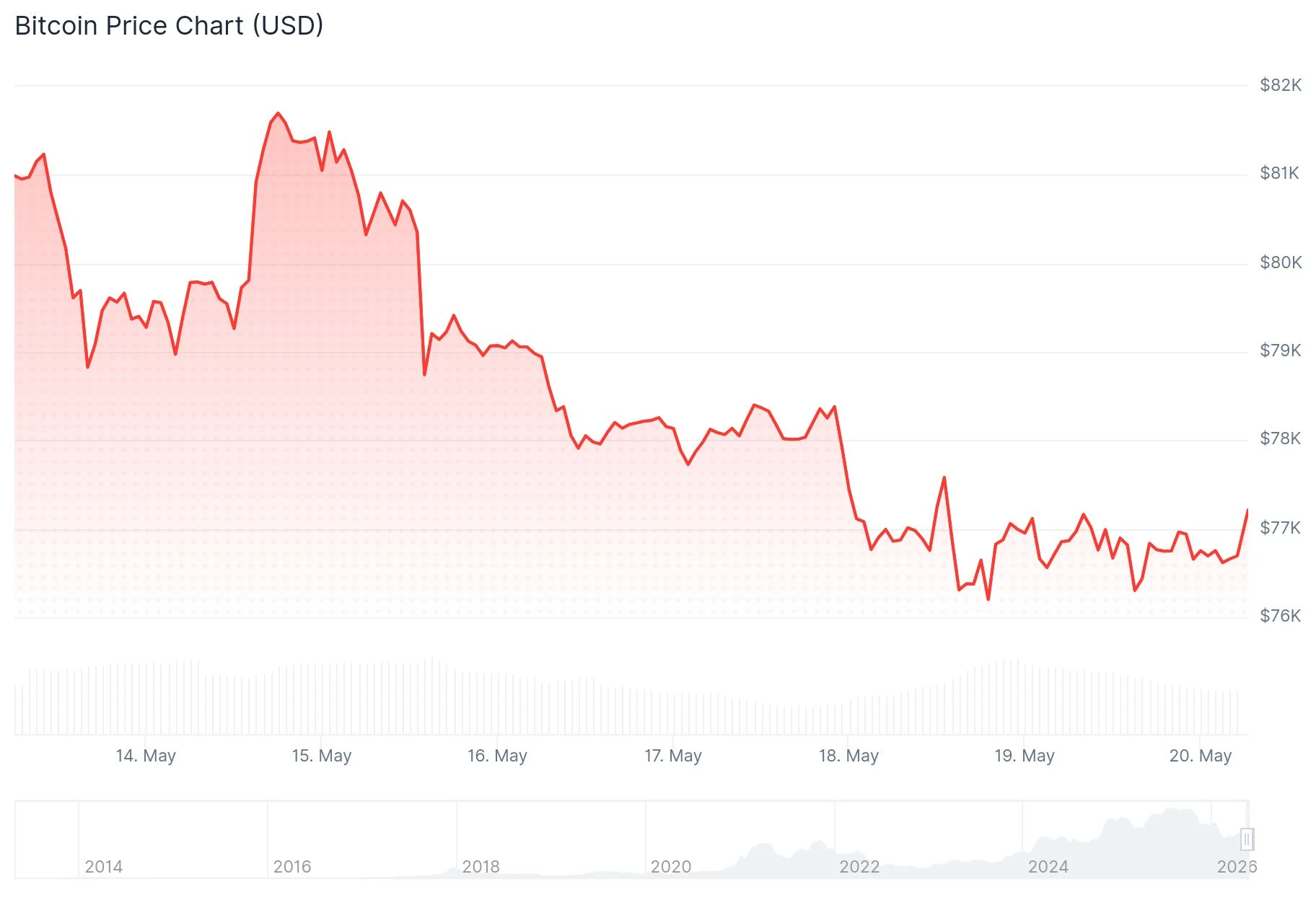
Bitcoin (BTC) Hovers Above $77K Amid Iran Diplomacy and Rising Treasury Yields

Beyond Cleaning: What Else You Must Check Before Moving Out




