2026 Outlook: Cannabis Industry Matures Despite Challenges; Cultivation and Post Harvest Tech Take Center Stage
Cannatrol sees disciplined operations, facility retrofits, post-harvest innovation and potential rescheduling driving the next phase of industry growth
NORTH SPRINGFIELD, Va., Dec. 29, 2025 /PRNewswire/ — Following a year marked by continued economic pressure, industry-wide recalibration and a dramatic shift toward rescheduling, the U.S. cannabis sector is entering 2026 with renewed focus, growing maturity and an intensified commitment to technology-driven improvement.
“The movement toward rescheduling cannabis is a monumental event in terms of access to capital and tax relief for licensed businesses,” said David Sandelman, Chief Technology Officer and Co-founder of Cannatrol. “But beyond the business implications, we believe it will ultimately be remembered as a defining moment in changing public attitudes toward cannabis. Rescheduling may remove the last major roadblock to broader acceptance and help finally eliminate lingering stigma.”
Sandelman believes rescheduling may rapidly advance research of the plant, as well as help sway hesitant consumers and medical patients investigate cannabis for themselves. He sees rescheduling as potentially the last roadblock to eliminating cannabis stigma and increasing legitimacy for the industry, which struggled in 2025 as price compression and capital constraints persisted.
“Although U.S. cannabis continued to experience some serious headwinds in 2025, the industry has not been sitting on its hands as it continues to evolve,” Sandelman said. “The discipline of implementing rigorous business and marketing practices is expanding throughout the industry and really starting to become the norm in cannabis.”
Technology innovations advanced commercial and home grow
Throughout 2025, Cannatrol saw growing interest from commercial cultivators in refining cultivation and post-harvest processes as competition intensified. Operators increasingly evaluated every stage of production, recognizing that quality, consistency and efficiency are critical differentiators in today’s hyper-competitive environment.
“The art and science of cannabis cultivation in the commercial space is experiencing a renaissance,” Sandelman said. “In the past, advancements were focused on the grow process itself while the post-harvest was neglected. But today there is more interest than ever in refining practices and leveraging new technologies across the board, including after the harvest. Companies are reviewing every aspect of the process.”
Cannatrol noted similar momentum in the home grow market, where legalization and access to information are helping elevate consumer expectations and sophistication.
“In the home grow market, we think a similar phenomenon is occurring,” Sandelman said. “Increasingly, home growers and enthusiasts are becoming serious connoisseurs that want to understand every aspect of the process.”
Post-harvest takes center stage
Looking ahead to 2026, Cannatrol expects post-harvest technology to take an even more prominent role as cultivators seek to protect product quality and maximize returns without undertaking costly new builds. The company has seen increasing demand for retrofitting existing facilities with modern drying, curing and storage solutions.
“We are seeing more interest in retrofitting existing cultivation facilities, and we believe this indicates cultivators are increasingly recognizing the need to stay updated and current on technology,” Sandelman said. “We expect this interest in retrofitting to continue in 2026 as businesses work to improve quality and strengthen their competitive advantage.”
Cannatrol also plans to expand the capabilities of its cannabis systems by applying recent research alongside decades of learnings from adjacent industries – including meat, cheese and charcuterie – that rely on precise environmental control and moisture management.
On the consumer side, Cannatrol anticipates continued growth in home cultivation, supported by product innovation and international demand.
“On the home grow front, we made a significant investment in new product development in 2025 with the launch of our new Cool Cure line, and we believe home growers are more motivated than ever to up their game,” Sandelman said. “We are anticipating meaningful growth in the home grow market in 2026, both in the United States and abroad.”
Despite ongoing regulatory fragmentation, Cannatrol believes the cannabis industry is entering a more stable and professional era, one shaped by experienced leadership and long-term thinking. Finally, Cannatrol views the anticipated rescheduling of cannabis as a pivotal cultural and economic moment.
For more information or to schedule an interview, please contact Shawna Seldon McGregor at 917-971-7852 or shawna@themaverickpr.com.
About Cannatrol: Dry-Cure-Store
Cannatrol is a leader in precision cannabis drying and curing, and storage technology, dedicated to helping cultivators produce high-quality flower with consistency and control. Using patented Vaportrol® Technology, Cannatrol systems manage temperature and dew point—not just humidity—resulting in a cleaner cure, reduced mold risk, and enhanced terpene and cannabinoid retention. Trusted by commercial growers and craft cultivators alike, Cannatrol sets the standard for post-harvest excellence. For more information, visit Cannatrol online and continue the conversation on Instagram, Facebook and LinkedIn.
 View original content to download multimedia:https://www.prnewswire.com/news-releases/2026-outlook-cannabis-industry-matures-despite-challenges-cultivation-and-post-harvest-tech-take-center-stage-302650241.html
SOURCE Cannatrol


You May Also Like
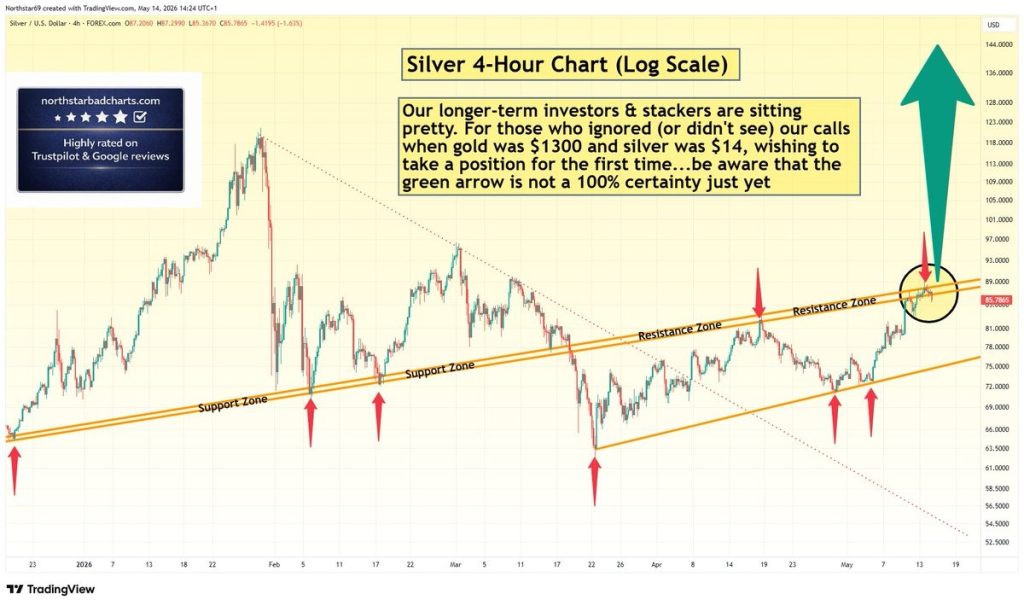
Silver Price Warning: Green Arrow Setup Is Not Confirmed – Wait for Clear Signal

Facebook spotlights African cinema in 6th ‘Made by Africa, loved by the world’ campaign