

Bitcoin Hashrate Plummets 8%: Xinjiang Mining Shutdown Sparks Network Security Concerns
BitcoinWorld
Bitcoin Hashrate Plummets 8%: Xinjiang Mining Shutdown Sparks Network Security Concerns
The heartbeat of the Bitcoin network just skipped a beat. In a startling 24-hour period, the Bitcoin hashrate—a critical measure of the network’s computational power and security—plummeted by approximately 8%. This significant drop, equivalent to 100 exahashes per second (EH/s), has sent ripples through the crypto community, raising immediate questions about network stability and the causes behind this sudden shift.
What Caused the Sudden Bitcoin Hashrate Drop?
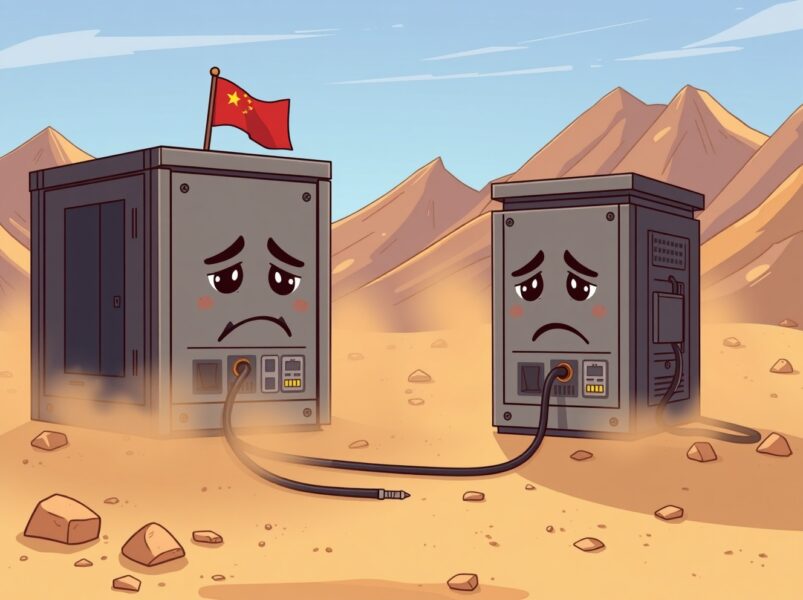
According to a report by Wu Blockchain citing an official from Nasdaq-listed Nano Labs, the primary culprit is a large-scale shutdown of mining operations in China’s Xinjiang region. This event led to an estimated 400,000 mining rigs going offline virtually overnight. The specific reason for these abrupt closures remains unclear, adding a layer of mystery to the situation. However, such concentrated disruptions in major mining hubs have a direct and powerful impact on the global Bitcoin hashrate.
Why Does the Bitcoin Hashrate Matter So Much?
Think of the Bitcoin hashrate as the network’s immune system. A higher hashrate means more miners are competing to validate transactions and secure the blockchain. This makes the network exponentially more resistant to attacks. Therefore, a sharp, unexpected drop can trigger concerns. Here’s what a declining hashrate can influence:
- Network Security: A lower hashrate theoretically makes a 51% attack—where a single entity gains control of the majority of mining power—more feasible, though still highly improbable for Bitcoin.
- Mining Difficulty Adjustment: Bitcoin’s protocol automatically adjusts mining difficulty roughly every two weeks. A lower hashrate will lead to a downward adjustment, making it easier and more profitable for remaining miners to find blocks.
- Market Sentiment: Large hashrate movements are often viewed as a barometer of miner health and confidence, potentially influencing broader market sentiment.
Is This a Temporary Blip or a Lasting Trend?
History provides some context. The Bitcoin network has weathered similar storms, most notably during China’s sweeping mining ban in 2021. That event caused a far more dramatic hashrate crash, but the network proved resilient. Mining operations relocated, and the hashrate not only recovered but climbed to new all-time highs. The current situation in Xinjiang, while significant, appears more isolated. The key question is whether this is a one-off regulatory action or the start of a new crackdown. The network’s built-in difficulty adjustment is its secret weapon for stability, designed to rebalance after such shocks.
What Are the Actionable Insights for Crypto Observers?
For investors and enthusiasts, this event is a potent reminder of Bitcoin’s dynamic nature. Instead of panic, it’s a time for observation. Watch the next difficulty adjustment, monitor for a hashrate recovery, and see if miner selling pressure on exchanges increases as unprofitable rigs shut down. These events underscore the importance of geographic decentralization for network health. Ultimately, this sudden Bitcoin hashrate drop tests the network’s antifragility—its ability to grow stronger from volatility.
In conclusion, the 8% drop in Bitcoin hashrate is a significant short-term event highlighting the network’s ongoing geographical evolution. While it poses immediate questions about the cause in Xinjiang, Bitcoin’s long-term security model is built to absorb these shocks. The network’s response through its difficulty adjustment will be the next critical chapter, demonstrating once again why resilience is coded into its core protocol.
Frequently Asked Questions (FAQs)
What is Bitcoin hashrate?
Bitcoin hashrate is the total combined computational power used by miners to process transactions and secure the Bitcoin network. It is a key indicator of network health and security.
Why did the Bitcoin hashrate drop suddenly?
The hashrate dropped approximately 8% primarily due to the reported closure of large-scale mining farms in China’s Xinjiang region, which forced an estimated 400,000 mining rigs offline.
Does a lower Bitcoin hashrate make the network less secure?
In the short term, a sharp drop can increase the theoretical risk of an attack, but Bitcoin’s massive global scale and upcoming difficulty adjustment make a successful attack extremely unlikely. The network is designed to self-correct.
How does this affect Bitcoin mining difficulty?
Bitcoin’s protocol automatically adjusts mining difficulty based on the total hashrate. This drop will lead to a downward adjustment in about two weeks, making it easier for the remaining miners to find blocks.
Will this impact the price of Bitcoin?
While not directly causal, large hashrate movements can influence market sentiment. If miners are forced to sell Bitcoin holdings to cover costs, it could create temporary selling pressure.
Has this happened before?
Yes. Most notably, China’s 2021 mining ban caused a hashrate drop of over 50%. The network recovered and the hashrate later reached new record highs, demonstrating resilience.
Found this analysis of the Bitcoin hashrate drop helpful? Share this article with your network on Twitter or LinkedIn to spark a conversation about Bitcoin’s network security and resilience. Understanding these events is key for anyone involved in the crypto space.
To learn more about the latest Bitcoin trends, explore our article on key developments shaping Bitcoin price action and institutional adoption.
This post Bitcoin Hashrate Plummets 8%: Xinjiang Mining Shutdown Sparks Network Security Concerns first appeared on BitcoinWorld.


You May Also Like

'The wrong leader': Ex-White House doctor has scorching smackdown for RFK Jr.

SoFi is launching a 24/7 banking hub that blends traditional cash with crypto




