BitcoinWorld Solana Validator Count Plummets: A Staggering 68% Drop Since 2023 Attention Solana investors and blockchain enthusiasts: a seismic shift is quietly reshaping the network’s foundation. According to a report from Criptonoticias, the Solana validator count has experienced a jaw-dropping decline, falling by over 68% since March 2023. This drop, from 2,500 to roughly 800 active validators, raises critical questions about network health, security, and future […] This post Solana Validator Count Plummets: A Staggering 68% Drop Since 2023 first appeared on BitcoinWorld.BitcoinWorld Solana Validator Count Plummets: A Staggering 68% Drop Since 2023 Attention Solana investors and blockchain enthusiasts: a seismic shift is quietly reshaping the network’s foundation. According to a report from Criptonoticias, the Solana validator count has experienced a jaw-dropping decline, falling by over 68% since March 2023. This drop, from 2,500 to roughly 800 active validators, raises critical questions about network health, security, and future […] This post Solana Validator Count Plummets: A Staggering 68% Drop Since 2023 first appeared on BitcoinWorld.

Solana Validator Count Plummets: A Staggering 68% Drop Since 2023

2025/12/09 12:55
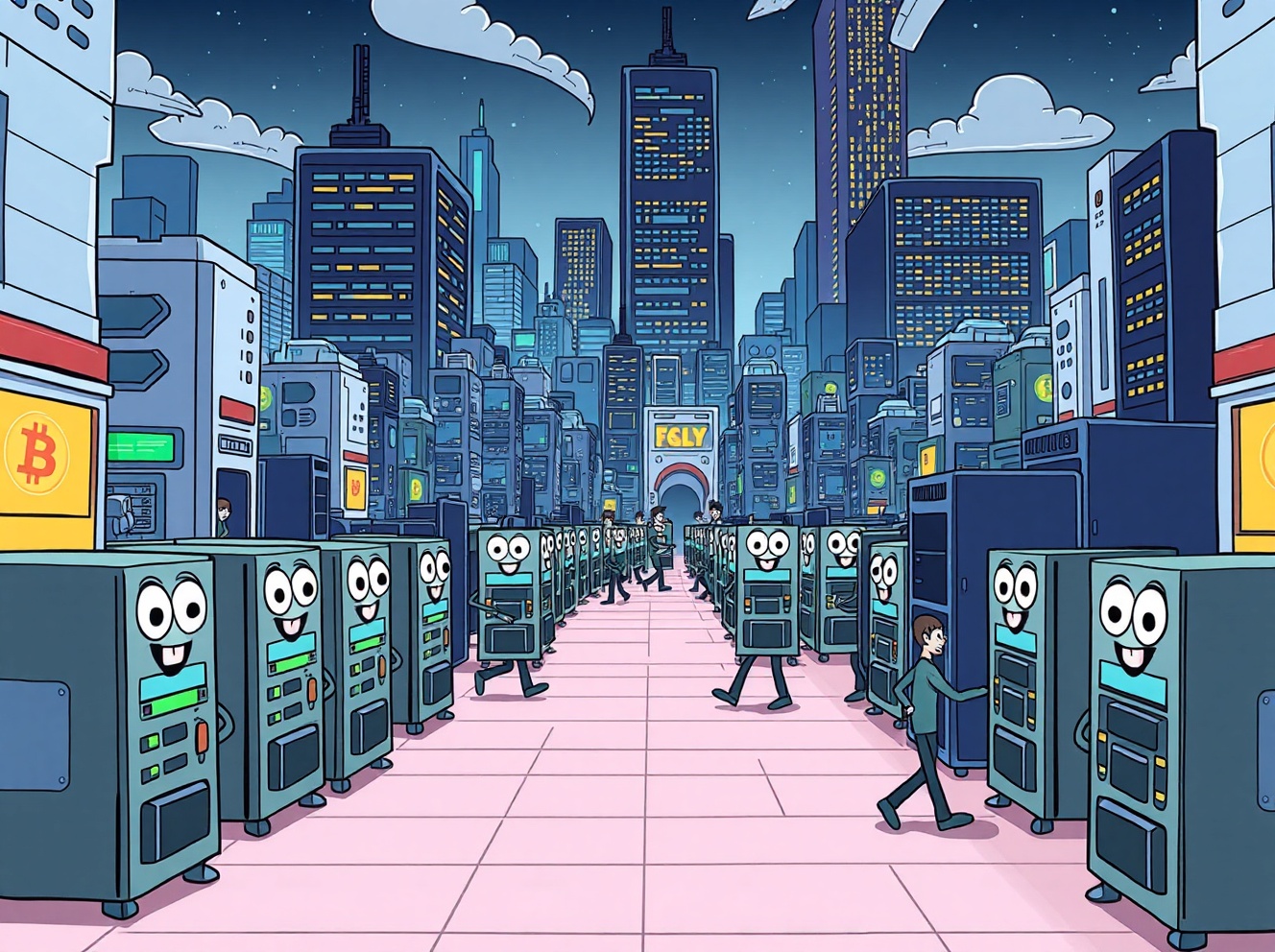
Cartoon illustration showing a dramatic decline in Solana validator count within a vibrant network city.

BitcoinWorld

Solana Validator Count Plummets: A Staggering 68% Drop Since 2023

Attention Solana investors and blockchain enthusiasts: a seismic shift is quietly reshaping the network’s foundation. According to a report from Criptonoticias, the Solana validator count has experienced a jaw-dropping decline, falling by over 68% since March 2023. This drop, from 2,500 to roughly 800 active validators, raises critical questions about network health, security, and future resilience. Let’s unpack what this massive change really means.

What Does the Solana Validator Count Drop Actually Mean?

First, it’s crucial to understand the role of a validator. In proof-of-stake networks like Solana, validators are the computers responsible for processing transactions and securing the blockchain. They stake their own SOL tokens as collateral to participate. Therefore, a high and diverse Solana validator count is traditionally seen as a sign of a robust, decentralized, and secure network. A sharp decline, therefore, naturally triggers concern.

This isn’t just a minor statistical blip. A reduction from 2,500 to 800 represents a loss of more than two-thirds of the network’s validating participants in just over a year. Such a dramatic shift demands a closer look at the underlying causes and potential implications.

Why Has the Solana Validator Count Fallen So Sharply?

Several converging factors likely contributed to this exodus. Understanding them provides clarity beyond the alarming headline number.

  • Economic Pressure: Running a validator requires significant technical resources and a substantial financial investment in hardware and staked SOL. If rewards don’t outweigh costs, especially during bear markets or periods of low transaction fees, it becomes unsustainable for smaller operators.
  • Technical & Infrastructure Hurdles: Solana’s high-performance demands can make running a node resource-intensive. The barrier to entry, in terms of required hardware specs and technical know-how, may have proven too high for many.
  • Network Consolidation: Some drop could reflect a natural consolidation, where smaller validators delegate their stake to larger, more professional operations. This doesn’t necessarily reduce the total staked SOL but does centralize the validator count.
  • Evolving Incentive Structures: Changes in network rewards or the emergence of more profitable opportunities elsewhere in crypto could have prompted validators to reallocate their resources.

Is a Lower Solana Validator Count a Crisis or an Evolution?

This is the million-dollar question. The immediate instinct is to view a plummeting validator count as a red flag for decentralization. However, the reality is more nuanced. Network security is not solely determined by the raw number of validators.

A smaller, more dedicated, and highly reliable group of validators could theoretically be more efficient and stable than a large, disparate group of under-resourced participants. The key metrics to watch alongside the validator count are:

  • The total amount of SOL staked.
  • The geographical distribution of the remaining validators.
  • The network’s uptime and transaction success rate.

If the remaining 800 validators are well-distributed and maintain a high total stake, the network’s security may remain intact. Nevertheless, the trend towards a lower Solana validator count warrants vigilant observation by the community and developers.

What’s Next for the Solana Network?

The Solana foundation and core developers are undoubtedly aware of this trend. The path forward likely involves a multi-pronged approach to rebalance the ecosystem.

Potential solutions could include revising incentive models to better reward smaller validators, simplifying the technical requirements for node operation, and launching educational initiatives to lower the knowledge barrier. The goal will be to foster a healthy, competitive, and decentralized validator environment without sacrificing the network’s famed speed and low costs.

Conclusion: A Critical Juncture for Solana

The staggering 68% drop in the Solana validator count is more than a statistic; it’s a symptom of the economic and technical challenges facing high-performance blockchains. While it doesn’t spell immediate doom, it serves as a crucial wake-up call. The network’s long-term health depends on its ability to attract and sustain a diverse set of validators. The coming months will be telling, as the community and developers work to address the root causes of this decline and strengthen the network’s foundational layer for the future.

Frequently Asked Questions (FAQs)

Q: Does a lower validator count make Solana less secure?
A> Not necessarily. Security is tied to the total value staked and the integrity of the validators. A smaller, highly-staked group can be secure, but it increases centralization risk.

Q: Can the Solana validator count go back up?
A> Absolutely. If economic incentives improve or technical barriers are lowered, it’s possible for new validators to join the network, reversing the trend.

Q: How does this affect the average SOL holder or user?
A> In the short term, users likely won’t notice a difference in speed or cost. Long-term, a highly centralized validator set could pose governance and censorship risks.

Q: Where can I check the current Solana validator count?
A> You can monitor real-time statistics on blockchain explorers like Solana Beach or Solscan, which provide detailed data on active validators and stake distribution.

Q: Are other blockchains experiencing similar validator drops?
A> Economic pressures affect all proof-of-stake networks. However, the scale of Solana’s reported drop is particularly significant and highlights its unique performance demands.

Found this analysis of the Solana validator count insightful? Help others in the crypto community stay informed. Share this article on Twitter, Reddit, or your preferred social media platform to spark discussion about network health and decentralization.

To learn more about the latest cryptocurrency trends, explore our article on key developments shaping blockchain technology and institutional adoption.

This post Solana Validator Count Plummets: A Staggering 68% Drop Since 2023 first appeared on BitcoinWorld.

Disclaimer: The articles reposted on this site are sourced from public platforms and are provided for informational purposes only. They do not necessarily reflect the views of MEXC. All rights remain with the original authors. If you believe any content infringes on third-party rights, please contact service@support.mexc.com for removal. MEXC makes no guarantees regarding the accuracy, completeness, or timeliness of the content and is not responsible for any actions taken based on the information provided. The content does not constitute financial, legal, or other professional advice, nor should it be considered a recommendation or endorsement by MEXC.

You May Also Like

South Korea Blockchain Industry: Eric Trump’s Amazing Vision for Asia’s Digital Future

South Korea Blockchain Industry: Eric Trump’s Amazing Vision for Asia’s Digital Future

BitcoinWorld South Korea Blockchain Industry: Eric Trump’s Amazing Vision for Asia’s Digital Future Eric Trump, co-founder of World Liberty Financial (WLFI) and the second son of President Donald Trump, recently made a compelling statement that has resonated throughout the global digital asset community. Speaking via video message to the prestigious Korea Blockchain Week 2025 conference in Seoul, he highlighted the undeniable potential of the South Korea blockchain industry. Trump expressed profound admiration for the nation’s remarkable passion and dynamic energy for blockchain technology, declaring it uniquely positioned to lead Asia’s digital future. What Fuels South Korea’s Blockchain Passion? During his recent travels, which included visits to bustling Hong Kong and technologically advanced Japan, Trump observed a distinct difference. He noted that few countries rival South Korea’s fervent enthusiasm and exceptional proficiency in virtual assets. This isn’t just a casual interest; it’s a deep-seated commitment that permeates various levels of society and business. The nation’s rapid adoption rates, innovative startup ecosystem, and a tech-savvy population create fertile ground for blockchain advancements. This collective drive ensures that the South Korea blockchain industry remains at the forefront of innovation, consistently pushing boundaries and exploring new applications for distributed ledger technology. How is South Korea Building a Robust Blockchain Framework? A critical factor underpinning South Korea’s rise is its proactive approach to regulation and institutional support. Trump specifically emphasized that the country’s rapidly developing institutional and legal framework is unrivaled across Asia. This robust foundation provides much-needed clarity and security for both developers and investors. Key aspects of this evolving framework include: Clearer Regulatory Guidelines: Efforts to establish comprehensive rules for virtual assets, fostering a more stable environment. Government Support: Initiatives and funding programs aimed at boosting blockchain research and development. Industry Collaboration: Strong partnerships between government bodies, academic institutions, and private enterprises to drive innovation. This strategic development is a clear indicator that the South Korea blockchain industry is not only embracing the future but actively shaping it with foresight and meticulous planning. Korea Blockchain Week: A Global Stage for the South Korea Blockchain Industry The Korea Blockchain Week (KBW) conference itself serves as a testament to the nation’s leadership. Trump lauded the event for its consistent success in bringing together diverse blockchain communities for years, evolving into a truly global festival for blockchain and Web3. KBW acts as a vital nexus, facilitating: Knowledge Exchange: Experts share insights on the latest trends and technological breakthroughs. Networking Opportunities: Connecting innovators, investors, and policymakers from around the world. Showcasing Innovation: Providing a platform for emerging projects and established players within the South Korea blockchain industry to demonstrate their advancements. Such high-profile events solidify South Korea’s reputation as a pivotal hub for digital innovation, drawing international attention and investment. What Does South Korea’s Blockchain Leadership Mean for Asia and Beyond? Eric Trump’s confident assertion that South Korea is set to establish itself as a leader in the blockchain industry carries significant weight. This leadership isn’t just about domestic success; it has profound implications for the broader Asian market and the global blockchain landscape. South Korea’s advancements can serve as a blueprint for other nations seeking to harness the power of blockchain. Its regulatory successes, technological innovations, and vibrant community can inspire and guide regional development. The nation’s commitment to fostering a dynamic environment ensures that the South Korea blockchain industry will continue to attract talent and capital, driving forward the evolution of Web3 technologies. Challenges remain, of course, including global regulatory harmonization and scaling solutions. However, South Korea’s proven dedication positions it exceptionally well to navigate these complexities and emerge as a dominant force. In conclusion, Eric Trump’s observations at Korea Blockchain Week 2025 underscore a powerful truth: South Korea is not merely participating in the blockchain revolution; it is actively leading it. With unparalleled passion, a robust legal and institutional framework, and a commitment to fostering global collaboration, the South Korea blockchain industry is undeniably poised for extraordinary growth. Its journey promises to shape the future of digital assets and Web3, not just in Asia, but across the entire world. Frequently Asked Questions (FAQs) Q1: Why is Eric Trump commenting on the South Korea blockchain industry? Eric Trump, as co-founder of World Liberty Financial (WLFI), is involved in the financial sector and has a keen interest in emerging technologies like blockchain. His comments highlight the global recognition of South Korea’s significant advancements in this field. Q2: What makes South Korea’s blockchain framework “unrivaled in Asia”? South Korea has been proactive in developing comprehensive institutional and legal frameworks for virtual assets. This includes clearer regulatory guidelines, government support for R&D, and strong industry collaboration, providing a stable and secure environment for blockchain innovation. Q3: What is Korea Blockchain Week (KBW)? Korea Blockchain Week (KBW) is a major annual conference in Seoul that brings together diverse blockchain communities. It serves as a global festival for blockchain and Web3, facilitating knowledge exchange, networking, and showcasing innovations from the global and local industry. Q4: What does South Korea’s leadership mean for the future of Web3? South Korea’s leadership in the blockchain industry means it can serve as a blueprint for other nations. Its innovations, regulatory successes, and vibrant community will likely inspire and guide regional and global development, driving the evolution and adoption of Web3 technologies worldwide. Q5: Are there any challenges for the South Korea blockchain industry? While poised for leadership, the South Korea blockchain industry still faces challenges such as navigating global regulatory harmonization, ensuring scalability of solutions, and addressing ongoing security concerns common to the broader crypto space. However, its robust framework positions it well to tackle these. If you found this insight into the dynamic South Korea blockchain industry valuable, please consider sharing it with your network! Spread the word about Asia’s potential leader in digital innovation. To learn more about the latest crypto market trends, explore our article on key developments shaping the blockchain industry’s institutional adoption. This post South Korea Blockchain Industry: Eric Trump’s Amazing Vision for Asia’s Digital Future first appeared on BitcoinWorld.
Share
Coinstats2025/09/23 11:05