Unlocking Growth: Why Asset Tokenization Desperately Needs Liquidity to Succeed
BitcoinWorld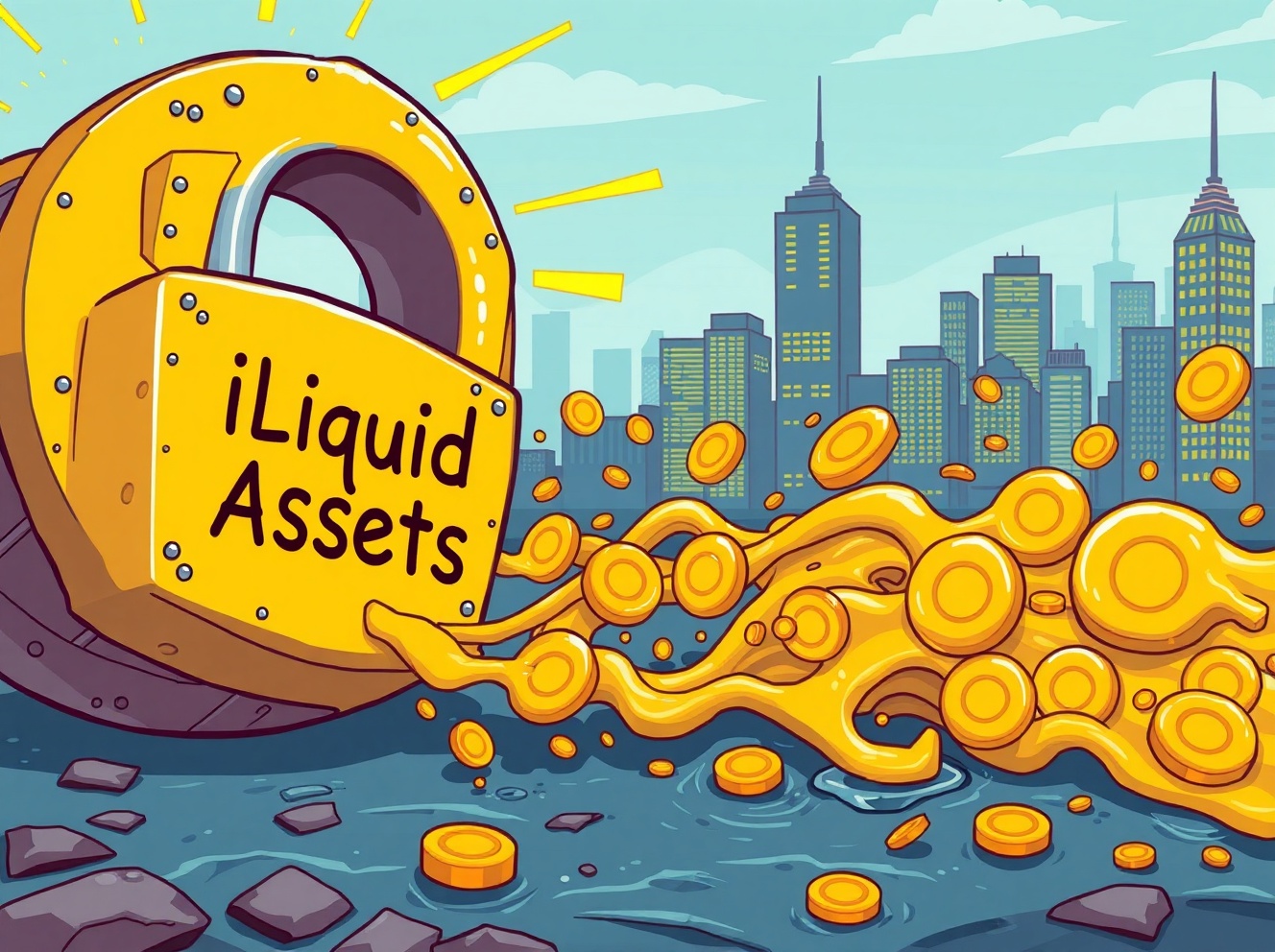
Unlocking Growth: Why Asset Tokenization Desperately Needs Liquidity to Succeed
Imagine turning your rare collectibles or property shares into digital tokens. Sounds revolutionary, right? However, Securitize CEO Carlos Domingo delivers a crucial reality check. The true challenge for asset tokenization isn’t just creating digital versions—it’s ensuring those tokens can actually trade. Without liquidity, even the most innovative tokenized assets remain stuck in digital limbo.
What’s the Real Barrier for Asset Tokenization Growth?
In a recent interview, Domingo highlighted a common misconception. Many believe that tokenizing an asset automatically makes it liquid. This is fundamentally incorrect. He uses clear examples to make his point.
- Tokenizing shares in a Manhattan building doesn’t magically create buyers.
- Digitizing a rare Pokémon card collection won’t build a trading market.
The token is simply a new form of ownership. The underlying asset’s market demand determines its liquidity. Therefore, the current expansion in asset tokenization focuses on assets that already possess deep markets.
Which Assets Are Leading the Tokenization Charge?
The market is growing smartly by starting with what works. Domingo notes that platforms are prioritizing highly liquid traditional assets. This strategic approach builds credibility and infrastructure.
Major examples include:
- Cash and Cash Equivalents: Stablecoins and tokenized money market funds.
- U.S. Treasurys: Government bonds with established, global demand.
By tokenizing these assets first, the industry proves the technology’s reliability for settlement and ownership. It creates a foundation of trust. This foundation is essential before tackling more complex, illiquid assets.
Can Technology Eventually Solve the Liquidity Puzzle?
Domingo remains optimistic about the future. He suggests that technological advancements could gradually improve liquidity for a wider range of tokenized assets. However, this won’t happen overnight.
Potential solutions on the horizon include:
- Advanced decentralized exchanges (DEXs) with better price discovery.
- Automated market makers (AMMs) designed for unique assets.
- Improved interoperability between different trading platforms.
The key insight is that technology can enhance market efficiency, but it cannot create demand where none exists. The success of asset tokenization hinges on marrying innovative tech with fundamentally desirable assets.
What Are the Actionable Insights for Investors and Builders?
Domingo’s analysis provides crucial guidance for anyone involved in the digital asset space. The focus must shift from mere digitization to market creation.
For investors, this means looking beyond the tokenization headline. Scrutinize the underlying asset’s existing market depth. For developers and entrepreneurs, the mandate is clear: build tools and platforms that specifically enhance trading and price discovery for tokenized real-world assets.
The journey of asset tokenization is just beginning. While transforming illiquid assets into digital tokens is a powerful concept, Carlos Domingo rightly points out that liquidity is the non-negotiable fuel for growth. The industry’s current path—tokenizing liquid assets first—is a pragmatic strategy to build a sustainable future. The ultimate promise of a fully tokenized world depends on solving this core challenge.
Frequently Asked Questions (FAQs)
Q: What does ‘liquidity’ mean in asset tokenization?
A: Liquidity refers to how easily and quickly a tokenized asset can be bought or sold in the market without significantly affecting its price. High liquidity means many buyers and sellers.
Q: Does tokenizing an asset automatically increase its value?
A: No. Tokenization changes the form of ownership, not the intrinsic value. The asset’s value is still determined by its underlying fundamentals and market demand.
Q: Why are U.S. Treasurys a popular choice for tokenization?
A> They are already highly liquid, trusted globally, and have a massive existing market. Tokenizing them adds efficiency (like 24/7 settlement) to an already successful asset.
Q: Can a tokenized illiquid asset ever become liquid?
A> It’s possible but difficult. Technology can improve market access, but liquidity ultimately requires a broad base of willing buyers and sellers, which depends on the asset’s perceived value.
Q: What’s the main benefit of tokenizing an already liquid asset?
A> It introduces blockchain efficiencies—such as faster settlement, reduced intermediaries, and programmable features—to traditional finance, potentially lowering costs and increasing accessibility.
Did this breakdown of the liquidity challenge in asset tokenization help you? Share this article on Twitter or LinkedIn to spark a conversation with your network about the future of digital assets.
To learn more about the latest digital asset trends, explore our article on key developments shaping blockchain technology and institutional adoption.
This post Unlocking Growth: Why Asset Tokenization Desperately Needs Liquidity to Succeed first appeared on BitcoinWorld.
You May Also Like

Why It Could Outperform Pepe Coin And Tron With Over $7m Already Raised
Rubrik (RBRK) Stock Hits 52-Week Low as CFO Sells $5.9M in Stock