BitcoinWorld Sui ETF Filing: Grayscale’s Bold Move for SUI Institutional Adoption In a move that signals growing institutional confidence, Grayscale Investments has officially filed for a Sui ETF with the U.S. Securities and Exchange Commission. This pivotal development could unlock a new wave of mainstream investment into the SUI token, directly bridging the gap between traditional finance and the innovative Sui blockchain. What Does Grayscale’s Sui […] This post Sui ETF Filing: Grayscale’s Bold Move for SUI Institutional Adoption first appeared on BitcoinWorld.BitcoinWorld Sui ETF Filing: Grayscale’s Bold Move for SUI Institutional Adoption In a move that signals growing institutional confidence, Grayscale Investments has officially filed for a Sui ETF with the U.S. Securities and Exchange Commission. This pivotal development could unlock a new wave of mainstream investment into the SUI token, directly bridging the gap between traditional finance and the innovative Sui blockchain. What Does Grayscale’s Sui […] This post Sui ETF Filing: Grayscale’s Bold Move for SUI Institutional Adoption first appeared on BitcoinWorld.

Sui ETF Filing: Grayscale’s Bold Move for SUI Institutional Adoption
2025/12/06 08:55
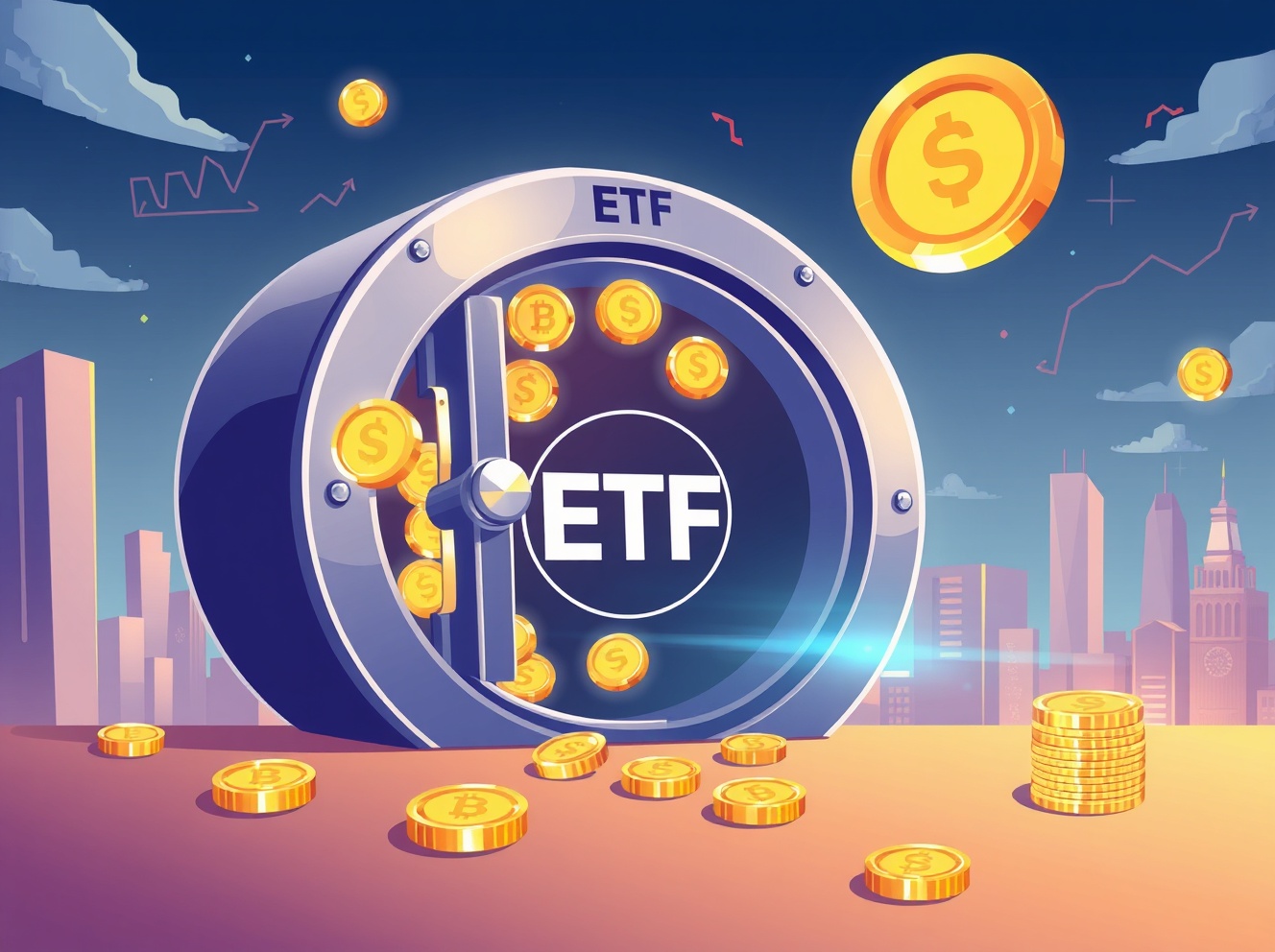
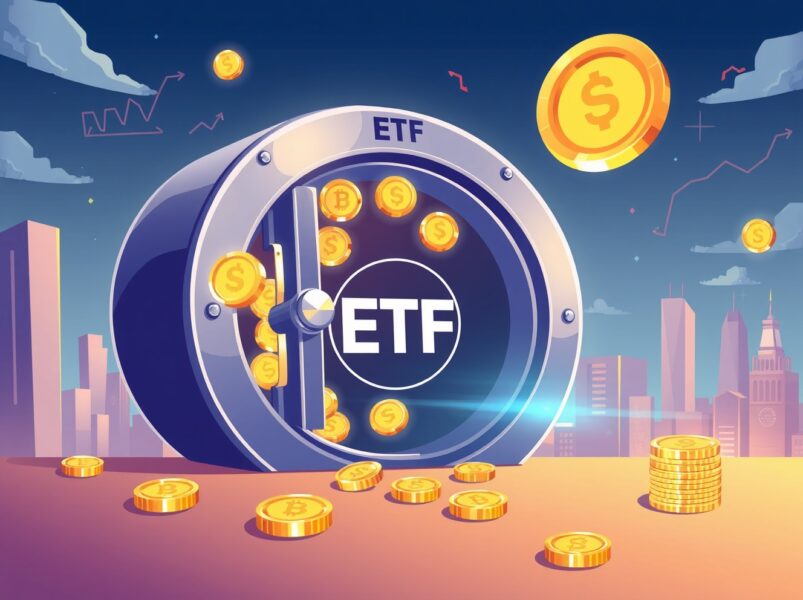
A vibrant cartoon of a new Sui ETF vault opening, symbolizing institutional crypto access.

BitcoinWorld

Sui ETF Filing: Grayscale’s Bold Move for SUI Institutional Adoption

In a move that signals growing institutional confidence, Grayscale Investments has officially filed for a Sui ETF with the U.S. Securities and Exchange Commission. This pivotal development could unlock a new wave of mainstream investment into the SUI token, directly bridging the gap between traditional finance and the innovative Sui blockchain.

What Does Grayscale’s Sui ETF Filing Mean?

Grayscale’s submission of an S-1 registration statement for a Sui ETF is a formal request to create a publicly traded fund. Therefore, if approved, investors could buy and sell shares of this ETF on traditional stock exchanges, gaining exposure to SUI’s price without managing private wallets or crypto exchanges. This process mirrors the path taken by Bitcoin and Ethereum ETFs, marking a significant maturity milestone for the Sui network.

Why Is This a Game-Changer for SUI?

The filing is more than just paperwork; it’s a powerful endorsement. Grayscale, a titan in digital asset management, sees long-term value in Sui. Consequently, a Sui ETF would provide several key benefits:

  • Accessibility: Opens SUI investment to retirement accounts and traditional brokers.
  • Legitimacy: Enhances regulatory clarity and institutional trust in the asset.
  • Liquidity: Potentially increases trading volume and market stability for SUI.

However, the journey is just beginning. The SEC’s review will be thorough, focusing on market manipulation concerns and custody solutions.

What Challenges Lie Ahead for the Sui ETF?

Approval is not guaranteed. The SEC has historically been cautious with crypto ETFs beyond Bitcoin. Key hurdles include:

  • Regulatory Scrutiny: How will the SEC classify SUI? Is it a security or a commodity?
  • Market Surveillance: The SEC requires a surveillance-sharing agreement with a regulated market of significant size.
  • Custody: Providing proof of secure, compliant asset storage is paramount.

Grayscale’s experience and resources give this Sui ETF proposal a strong foundation, but patience will be essential.

How Does This Compare to Other Crypto ETFs?

The success of spot Bitcoin ETFs paved the way. Now, the race is on for the next generation of single-asset crypto funds. A Sui ETF would place SUI in an elite category alongside Ethereum, signaling its perceived importance in the smart contract platform arena. This move could pressure other asset managers to file for similar products, creating a competitive and innovative landscape.

What Should Investors Do Now?

For now, this is a development to watch closely. The filing is a profoundly bullish long-term signal for the Sui ecosystem. Investors should:

  • Research the Sui Network: Understand its technology and use cases beyond the ETF news.
  • Monitor SEC Announcements: The review process will provide critical updates.
  • Assess Personal Strategy: Determine how a potential Sui ETF fits into a diversified portfolio.

In summary, Grayscale’s Sui ETF filing is a landmark moment of validation. It represents a crucial bridge being built between Sui’s cutting-edge technology and the vast pools of traditional capital. While regulatory hurdles remain, this step forward illuminates a clear path toward mainstream financial integration for SUI, potentially reshaping its market trajectory for years to come.

Frequently Asked Questions (FAQs)

What is a Sui ETF?
A Sui ETF (Exchange-Traded Fund) would be an investment fund traded on stock exchanges. Its value would be tied to the price of the SUI cryptocurrency, allowing investors to gain exposure without directly buying or storing the token.

Has the Sui ETF been approved?
No. Grayscale has only filed the initial registration paperwork (Form S-1) with the SEC. Approval is not guaranteed and will likely take several months, if it happens at all.

Why is Grayscale filing for a Sui ETF important?
It signals serious institutional interest and could pave the way for easier, regulated investment in SUI for a much wider audience, including through retirement and brokerage accounts.

What is the difference between Grayscale’s Sui Trust and a Sui ETF?
Grayscale’s existing Sui Trust (if it exists) is a private, closed-end fund often trading at a premium or discount to the asset’s value. An ETF is more efficient, typically trades closer to the net asset value, and offers creation/redemption mechanisms to keep prices in line.

How long does the SEC ETF approval process take?
The timeline is unpredictable. It can range from several months to over a year, depending on the political climate, regulatory concerns, and the completeness of the application.

Can I invest in the Sui ETF now?
Not yet. You cannot invest until the SEC declares the registration statement “effective” and the ETF launches on a national stock exchange like NYSE Arca or Nasdaq.

Found this breakdown of the potential Sui ETF helpful? The journey of crypto into mainstream finance is a story we all share. Help others stay informed by sharing this article on your social media channels.

To learn more about the latest cryptocurrency ETF trends, explore our article on key developments shaping institutional adoption and future market structure.

This post Sui ETF Filing: Grayscale’s Bold Move for SUI Institutional Adoption first appeared on BitcoinWorld.

Disclaimer: The articles reposted on this site are sourced from public platforms and are provided for informational purposes only. They do not necessarily reflect the views of MEXC. All rights remain with the original authors. If you believe any content infringes on third-party rights, please contact service@support.mexc.com for removal. MEXC makes no guarantees regarding the accuracy, completeness, or timeliness of the content and is not responsible for any actions taken based on the information provided. The content does not constitute financial, legal, or other professional advice, nor should it be considered a recommendation or endorsement by MEXC.

You May Also Like

Short-Term Bitcoin Profits Dominate For The First Time Since 2023

Short-Term Bitcoin Profits Dominate For The First Time Since 2023

The post Short-Term Bitcoin Profits Dominate For The First Time Since 2023 appeared on BitcoinEthereumNews.com. Bitcoin is making another attempt to break the downtrend that has kept the crypto king capped since late October. Price is hovering near $91,000 as investors watch a rare shift in market structure unfold.  For the first time in more than two and a half years, short-term holders have surpassed long-term holders in realized profits, creating both opportunities and risks for BTC. Sponsored Sponsored Bitcoin Sees Some Shift The MVRV Long/Short Difference highlights a notable change in Bitcoin’s profit distribution. A positive reading usually signals long-term holders hold more unrealized gains, while a negative value indicates short-term holders are ahead. In Bitcoin’s case, the difference has dipped into negative territory for the first time since March 2023. This marks 30 months since short-term holders last led in profits. Such dominance raises concerns because short-term holders tend to sell aggressively when volatility increases. Their profit-taking behavior could add pressure on BTC’s price if the broader market weakens, especially during attempts to break the downtrend. Want more token insights like this? Sign up for Editor Harsh Notariya’s Daily Crypto Newsletter here. Bitcoin MVRV Long/Short Difference. Source: Santiment Sponsored Sponsored Despite this shift, Bitcoin’s broader momentum shows encouraging signs. Exchange net position change data confirms rising outflows across major platforms, signaling a shift in investor accumulation. BTC leaving exchanges is often treated as a bullish indicator, reflecting confidence in long-term appreciation. This trend suggests that many traders view the $90,000 range as a reasonable bottom zone and are preparing for a potential recovery. Sustained outflows support price stability and strengthen the probability of BTC breaking above immediate resistance levels. Bitcoin Exchange Net Position Change. Source: Glassnode BTC Price Is Trying Its Best Bitcoin is trading at $91,330 at the time of writing, positioned just below the $91,521 resistance. Reclaiming this level and flipping it into support…
Share
BitcoinEthereumNews2025/12/08 05:57
OKX founder responds to Moore Threads co-founder 1,500 BTC debt
OKX founder responds to Moore Threads co-founder 1,500 BTC debt

The post OKX founder responds to Moore Threads co-founder 1,500 BTC debt appeared on BitcoinEthereumNews.com. The successful stock market debut of Moore Threads, a company that’s being touted as China’s answer to Nvidia, has been overshadowed by resurfaced allegations that link one of its co-founders to an unpaid cryptocurrency debt that has been lingering for roughly a decade. Shares in the GPU maker skyrocketed to as much as 470% on Thursday following its initial public offering (IPO) on the Shanghai Stock Exchange, valuing the company at around RMB 282 billion ($39.9 billion). However, as the success was being celebrated online, a social media post revived claims that Moore Threads’ co-founder Li Feng borrowed 1,500 Bitcoins from Mingxing “Star” Xu, founder and CEO of cryptocurrency exchange OKX, and never repaid the loan. Crypto past with OKX founder resurfaces In an X post, AB Kuai.Dong referenced Feng’s involvement in a 2017 initial coin offering that raised 5,000 ETH alongside controversial angel investor Xue Manzi. Feng allegedly dismissed the Bitcoin loan, stating, “It was just that Xu Mingxing’s investment in me had failed.” Xu responded to the post with a conciliatory message, writing, “People cannot always remain in the shadow of negative history. Face the future and contribute more positive energy.” He added, “Let the legal system handle the debt issue,” and offered blessings to every entrepreneur. Feng reportedly partnered with Xue Manzi and Li Xiaolai in 2017 to launch Malego Coin, which was later renamed Alpaca Coin MGD. The project reportedly raised approximately 5,000 ETH, but it was around this period that China banned ICOs, allowing regulators to crack down on what they viewed as speculative excess and potential fraud in the cryptocurrency sector. The Bitcoin loan dispute appears separate from the ICO controversy. According to sources familiar with the matter, the original loan agreement was dated December 17, 2014, with an expiry of December 16, 2016.…
Share
BitcoinEthereumNews2025/12/08 06:13