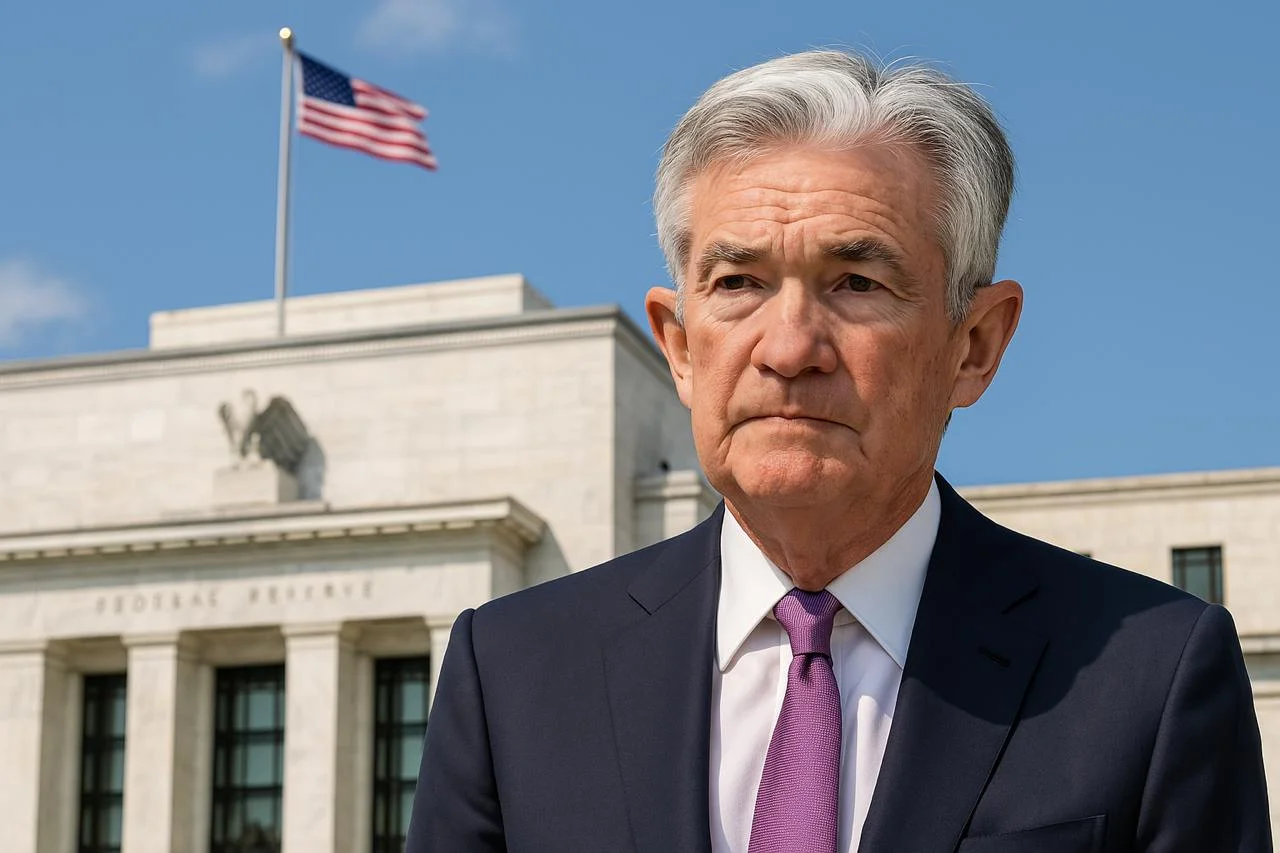
Fed faces divided views ahead of rate decision
The Fed’s go-to inflation tracker dropped more than expected in September, putting more heat on rate-cut bets ahead of next week’s policy call.
The Commerce Department said Friday that core PCE, which leaves out food and energy, went up 0.2% on the month and 2.8% year over year.
That yearly reading slipped from 2.9% in August and landed 0.1 percentage point under forecasts. The monthly rate was dead on target with the Dow Jones consensus.
At the same time, headline PCE also moved up 0.3% in September, pushing the overall yearly rate to 2.8% as well. That matched analyst calls, though it ticked up 0.1 percentage point from the August read.
These numbers came from the Bureau of Economic Analysis, which finally published the delayed data after the U.S. government shutdown paused report collection for weeks.
Fed faces divided views ahead of rate decision
The Fed uses the PCE price index, especially the core version, as its main gauge to set policy around inflation. Officials say core is better for seeing where prices are headed long term.
This September read is the last inflation data they’ll have before the next Federal Open Market Committee (FOMC) meeting wraps on Wednesday.
Market traders aren’t waiting to guess the Fed’s next move. Right after the numbers hit, stocks rose, and futures markets priced in near certainty of a quarter-point rate cut. The split among Fed members is still sharp though.
One group on the FOMC wants to keep trimming rates to stop a weakening job market. Another thinks inflation could stick around and wants to keep things tight.
Job data has been sending mixed signals. Private numbers are showing more layoffs, but Labor Department data says new claims for jobless benefits dropped last week. So yeah, the labor picture is messy.
Meanwhile, consumers aren’t sitting still either. The report also included income and spending figures. Personal income climbed 0.4% in September, which was 0.1 percentage point higher than forecast. Spending grew by 0.3%, coming in 0.1 point below projections.
Price gains hit goods, energy, and food
Looking deeper, goods prices spiked 0.5% for the month. Analysts said President Donald Trump’s tariffs are still rippling through supply chains, driving up prices on stuff Americans buy. Services only rose 0.2%, showing softer movement there.
Food prices rose 0.4%, while energy jumped 1.7%, a sign that those sectors haven’t cooled down yet. Even with rising costs, people are still saving about the same. The personal savings rate stayed flat at 4.7%, the same as August.
Consumer mood is holding up too. Another report Friday showed University of Michigan’s consumer sentiment index for early December hit 53.3, up 4.5% from November and above the Wall Street forecast of 52.
Inflation fears also dipped. The one-year inflation outlook fell to 4.1%, while the five-year view dropped to 3.2%, both the lowest since January.
Get $50 free to trade crypto when you sign up to Bybit now
You May Also Like

Musk reportedly plans to allocate 30% of SpaceX's new shares to retail investors, breaking with US IPO conventions.

WTI Crude Oil Plummets Below $92.00 as US Halts Iran Energy Strikes for Critical Talks