In 2021, Coinbase listed on Nasdaq, its market capitalization once exceeding $85 billion, marking a significant event in the traditional capital market's acceptance of the crypto world. Three years later, on the other side of the ocean, HashKey, an Asian compliant digital asset platform, officially submitted its listing application to the Hong Kong Stock Exchange. As the bells of Wall Street and the gongs of Victoria Harbour face each other across the sea, an East-West dialogue about the future of digital finance is unfolding. Though separated by the sea, our core values are connected. Essentially, HashKey and Coinbase play the same role: both are key bridges connecting the traditional financial world with the new crypto world. They have both chosen the seemingly most difficult yet most sustainable path—compliant operation. Coinbase spent eight years working with US regulators before finally gaining mainstream recognition; HashKey, on the other hand, incorporated compliance into its DNA from the outset, obtaining comprehensive licenses in multiple jurisdictions including Hong Kong, Singapore, and Bermuda. They both understand one principle: in the highly regulated field of finance, compliance is not a limitation, but a passport to mainstream acceptance. While many platforms are still operating in a gray area, these two companies have already built safe and compliant entry channels for institutional funds. The prospectus shows that HashKey's platform assets are close to HK$20 billion, with institutional clients dominating. This is remarkably similar to Coinbase's early development path—first winning the trust of the most cautious institutional investors, and then expanding into a broader market. They both address the same core issue: how to allow capital from the traditional world to safely and legally enter the crypto world. Hong Kong's Crypto Market's "Coming of Age" HashKey's IPO push coincided with the harvest period of Hong Kong's virtual asset policies. This was no accident, but an inevitability—the maturity of the company and the maturity of the market occurred simultaneously, jointly completing a solemn "coming-of-age ceremony." Over the past few years, Hong Kong's regulatory framework for virtual assets has evolved from nothing to something, from exploration to maturity. The release of the "Policy Declaration on the Development of Virtual Assets" in 2022 and the formal implementation of the licensing system in 2023 have laid a clear regulatory foundation for the market. HashKey is a benchmark company that has grown up in this regulatory environment. Unlike the US market where Coinbase operates, Hong Kong follows a "rules-first" approach. In the US, innovation often precedes regulation; in Hong Kong, the regulatory framework is established first, then the market is guided to innovate within those rules. Both models have their advantages and disadvantages, but they both aim at the same goal: to unleash innovation while keeping risks under control. HashKey's business strategy also reflects its innovative exploration within this regulatory framework. From trading to custody, from staking services to asset management, and then to its self-developed HashKey Chain, it is building a complete digital asset ecosystem. This is not only a commercial expansion, but also a comprehensive validation of Hong Kong's virtual asset service capabilities. From Wilderness to Order Looking back at the development of the crypto industry, we have witnessed a transformation from a chaotic state to an orderly one. Coinbase's IPO proved that crypto companies can meet the scale requirements of traditional capital markets, while HashKey's IPO process demonstrates that world-class digital asset platforms can also be cultivated in the financial center of the East. Hong Kong's unique advantages lie in its geographical location, backed by mainland China and facing the world, as well as its deep-rooted rule of law and international financial experience. As global capital seeks entry into the Asian crypto market, Hong Kong offers a solution that combines international standards with a Chinese understanding. If HashKey successfully goes public, its significance will extend beyond the capitalization process of a single company. It will demonstrate to the world that there is another path to success beyond the Western-dominated crypto narrative—a path that combines Eastern regulatory wisdom with global financial innovation. The capital market journeys of the two major crypto trading platforms in the East and West, seemingly parallel, are in fact interconnected. They jointly demonstrate a trend: crypto finance is moving from the periphery to the center, from unregulated growth to standardization. As Coinbase proves its scale on Nasdaq and HashKey validates its path on the Hong Kong Stock Exchange, we are witnessing a global industry blossoming in different market environments, each with its own distinct yet shared origin. Hong Kong's crypto story may have only just begun. But this chapter already outlines the self-renewal of an international financial center in the digital age. As tradition and modernity converge, and as Eastern wisdom and global innovation collide, Hong Kong is quietly completing its crucial leap from an international financial center to an international digital financial center.In 2021, Coinbase listed on Nasdaq, its market capitalization once exceeding $85 billion, marking a significant event in the traditional capital market's acceptance of the crypto world. Three years later, on the other side of the ocean, HashKey, an Asian compliant digital asset platform, officially submitted its listing application to the Hong Kong Stock Exchange. As the bells of Wall Street and the gongs of Victoria Harbour face each other across the sea, an East-West dialogue about the future of digital finance is unfolding. Though separated by the sea, our core values are connected. Essentially, HashKey and Coinbase play the same role: both are key bridges connecting the traditional financial world with the new crypto world. They have both chosen the seemingly most difficult yet most sustainable path—compliant operation. Coinbase spent eight years working with US regulators before finally gaining mainstream recognition; HashKey, on the other hand, incorporated compliance into its DNA from the outset, obtaining comprehensive licenses in multiple jurisdictions including Hong Kong, Singapore, and Bermuda. They both understand one principle: in the highly regulated field of finance, compliance is not a limitation, but a passport to mainstream acceptance. While many platforms are still operating in a gray area, these two companies have already built safe and compliant entry channels for institutional funds. The prospectus shows that HashKey's platform assets are close to HK$20 billion, with institutional clients dominating. This is remarkably similar to Coinbase's early development path—first winning the trust of the most cautious institutional investors, and then expanding into a broader market. They both address the same core issue: how to allow capital from the traditional world to safely and legally enter the crypto world. Hong Kong's Crypto Market's "Coming of Age" HashKey's IPO push coincided with the harvest period of Hong Kong's virtual asset policies. This was no accident, but an inevitability—the maturity of the company and the maturity of the market occurred simultaneously, jointly completing a solemn "coming-of-age ceremony." Over the past few years, Hong Kong's regulatory framework for virtual assets has evolved from nothing to something, from exploration to maturity. The release of the "Policy Declaration on the Development of Virtual Assets" in 2022 and the formal implementation of the licensing system in 2023 have laid a clear regulatory foundation for the market. HashKey is a benchmark company that has grown up in this regulatory environment. Unlike the US market where Coinbase operates, Hong Kong follows a "rules-first" approach. In the US, innovation often precedes regulation; in Hong Kong, the regulatory framework is established first, then the market is guided to innovate within those rules. Both models have their advantages and disadvantages, but they both aim at the same goal: to unleash innovation while keeping risks under control. HashKey's business strategy also reflects its innovative exploration within this regulatory framework. From trading to custody, from staking services to asset management, and then to its self-developed HashKey Chain, it is building a complete digital asset ecosystem. This is not only a commercial expansion, but also a comprehensive validation of Hong Kong's virtual asset service capabilities. From Wilderness to Order Looking back at the development of the crypto industry, we have witnessed a transformation from a chaotic state to an orderly one. Coinbase's IPO proved that crypto companies can meet the scale requirements of traditional capital markets, while HashKey's IPO process demonstrates that world-class digital asset platforms can also be cultivated in the financial center of the East. Hong Kong's unique advantages lie in its geographical location, backed by mainland China and facing the world, as well as its deep-rooted rule of law and international financial experience. As global capital seeks entry into the Asian crypto market, Hong Kong offers a solution that combines international standards with a Chinese understanding. If HashKey successfully goes public, its significance will extend beyond the capitalization process of a single company. It will demonstrate to the world that there is another path to success beyond the Western-dominated crypto narrative—a path that combines Eastern regulatory wisdom with global financial innovation. The capital market journeys of the two major crypto trading platforms in the East and West, seemingly parallel, are in fact interconnected. They jointly demonstrate a trend: crypto finance is moving from the periphery to the center, from unregulated growth to standardization. As Coinbase proves its scale on Nasdaq and HashKey validates its path on the Hong Kong Stock Exchange, we are witnessing a global industry blossoming in different market environments, each with its own distinct yet shared origin. Hong Kong's crypto story may have only just begun. But this chapter already outlines the self-renewal of an international financial center in the digital age. As tradition and modernity converge, and as Eastern wisdom and global innovation collide, Hong Kong is quietly completing its crucial leap from an international financial center to an international digital financial center.

"Eastern Coinbase" Prologue: HashKey's Listing, Hong Kong's Crypto Market's Coming-of-Age Ceremony

2025/12/02 17:56
5 min read
For feedback or concerns regarding this content, please contact us at crypto.news@mexc.com

In 2021, Coinbase listed on Nasdaq, its market capitalization once exceeding $85 billion, marking a significant event in the traditional capital market's acceptance of the crypto world. Three years later, on the other side of the ocean, HashKey, an Asian compliant digital asset platform, officially submitted its listing application to the Hong Kong Stock Exchange. As the bells of Wall Street and the gongs of Victoria Harbour face each other across the sea, an East-West dialogue about the future of digital finance is unfolding.

Though separated by the sea, our core values are connected.

Essentially, HashKey and Coinbase play the same role: both are key bridges connecting the traditional financial world with the new crypto world. They have both chosen the seemingly most difficult yet most sustainable path—compliant operation.

Coinbase spent eight years working with US regulators before finally gaining mainstream recognition; HashKey, on the other hand, incorporated compliance into its DNA from the outset, obtaining comprehensive licenses in multiple jurisdictions including Hong Kong, Singapore, and Bermuda. They both understand one principle: in the highly regulated field of finance, compliance is not a limitation, but a passport to mainstream acceptance. While many platforms are still operating in a gray area, these two companies have already built safe and compliant entry channels for institutional funds.

The prospectus shows that HashKey's platform assets are close to HK$20 billion, with institutional clients dominating. This is remarkably similar to Coinbase's early development path—first winning the trust of the most cautious institutional investors, and then expanding into a broader market. They both address the same core issue: how to allow capital from the traditional world to safely and legally enter the crypto world.

Hong Kong's Crypto Market's "Coming of Age"

HashKey's IPO push coincided with the harvest period of Hong Kong's virtual asset policies. This was no accident, but an inevitability—the maturity of the company and the maturity of the market occurred simultaneously, jointly completing a solemn "coming-of-age ceremony."

Over the past few years, Hong Kong's regulatory framework for virtual assets has evolved from nothing to something, from exploration to maturity. The release of the "Policy Declaration on the Development of Virtual Assets" in 2022 and the formal implementation of the licensing system in 2023 have laid a clear regulatory foundation for the market. HashKey is a benchmark company that has grown up in this regulatory environment.

Unlike the US market where Coinbase operates, Hong Kong follows a "rules-first" approach. In the US, innovation often precedes regulation; in Hong Kong, the regulatory framework is established first, then the market is guided to innovate within those rules. Both models have their advantages and disadvantages, but they both aim at the same goal: to unleash innovation while keeping risks under control.

HashKey's business strategy also reflects its innovative exploration within this regulatory framework. From trading to custody, from staking services to asset management, and then to its self-developed HashKey Chain, it is building a complete digital asset ecosystem. This is not only a commercial expansion, but also a comprehensive validation of Hong Kong's virtual asset service capabilities.

From Wilderness to Order

Looking back at the development of the crypto industry, we have witnessed a transformation from a chaotic state to an orderly one. Coinbase's IPO proved that crypto companies can meet the scale requirements of traditional capital markets, while HashKey's IPO process demonstrates that world-class digital asset platforms can also be cultivated in the financial center of the East.

Hong Kong's unique advantages lie in its geographical location, backed by mainland China and facing the world, as well as its deep-rooted rule of law and international financial experience. As global capital seeks entry into the Asian crypto market, Hong Kong offers a solution that combines international standards with a Chinese understanding.

If HashKey successfully goes public, its significance will extend beyond the capitalization process of a single company. It will demonstrate to the world that there is another path to success beyond the Western-dominated crypto narrative—a path that combines Eastern regulatory wisdom with global financial innovation.

The capital market journeys of the two major crypto trading platforms in the East and West, seemingly parallel, are in fact interconnected. They jointly demonstrate a trend: crypto finance is moving from the periphery to the center, from unregulated growth to standardization. As Coinbase proves its scale on Nasdaq and HashKey validates its path on the Hong Kong Stock Exchange, we are witnessing a global industry blossoming in different market environments, each with its own distinct yet shared origin.

Hong Kong's crypto story may have only just begun. But this chapter already outlines the self-renewal of an international financial center in the digital age. As tradition and modernity converge, and as Eastern wisdom and global innovation collide, Hong Kong is quietly completing its crucial leap from an international financial center to an international digital financial center.

Market Opportunity
Bellscoin Logo
Bellscoin Price(BELLS)
$0.053
$0.053$0.053
0.00%
USD
Bellscoin (BELLS) Live Price Chart
Disclaimer: The articles reposted on this site are sourced from public platforms and are provided for informational purposes only. They do not necessarily reflect the views of MEXC. All rights remain with the original authors. If you believe any content infringes on third-party rights, please contact crypto.news@mexc.com for removal. MEXC makes no guarantees regarding the accuracy, completeness, or timeliness of the content and is not responsible for any actions taken based on the information provided. The content does not constitute financial, legal, or other professional advice, nor should it be considered a recommendation or endorsement by MEXC.

You May Also Like

Why YouCam AI API is the Secret Weapon for E-Commerce Startups
Why YouCam AI API is the Secret Weapon for E-Commerce Startups

 The New Standard of Personalized Shopping In an era where digital engagement dictates market share, the transition from “browsing” to “buying” depends on confidence
Share
Techbullion2026/03/25 14:34
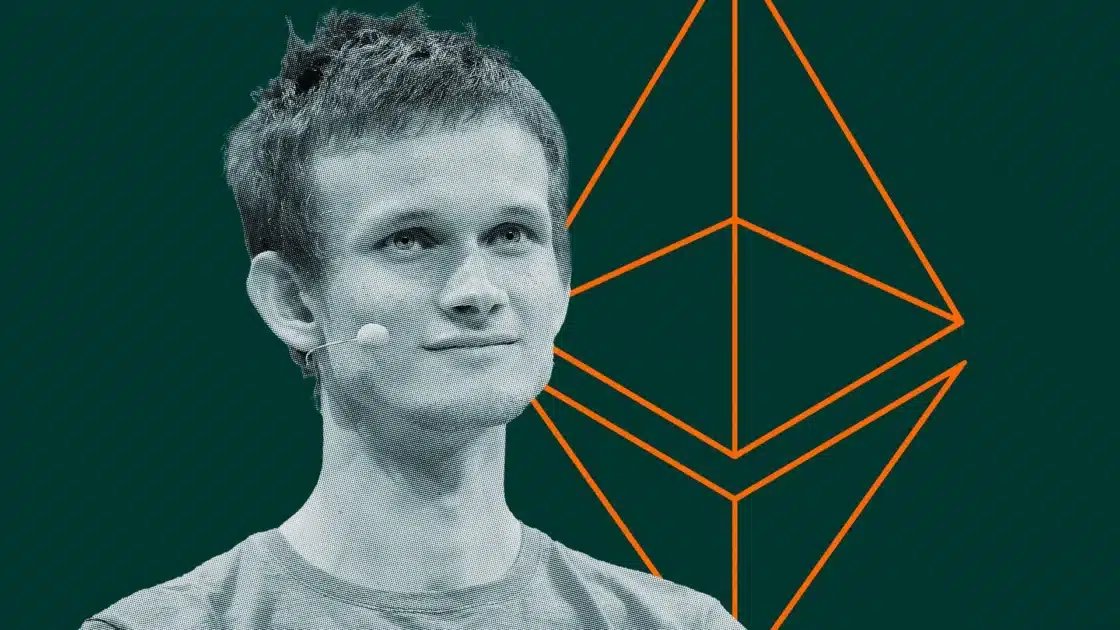
Vitalik Buterin Reveals Ethereum’s Bold Plan to Stay Quantum-Secure and Simple!

Vitalik Buterin Reveals Ethereum’s Bold Plan to Stay Quantum-Secure and Simple!

Buterin unveils Ethereum’s strategy to tackle quantum security challenges ahead. Ethereum focuses on simplifying architecture while boosting security for users. Ethereum’s market stability grows as Buterin’s roadmap gains investor confidence. Ethereum founder Vitalik Buterin has unveiled his long-term vision for the blockchain, focusing on making Ethereum quantum-secure while maintaining its simplicity for users. Buterin presented his roadmap at the Japanese Developer Conference, and splits the future of Ethereum into three phases: short-term, mid-term, and long-term. Buterin’s most ambitious goal for Ethereum is to safeguard the blockchain against the threats posed by quantum computing.  The danger of such future developments is that the future may call into question the cryptographic security of most blockchain systems, and Ethereum will be able to remain ahead thanks to more sophisticated mathematical techniques to ensure the safety and integrity of its protocols. Buterin is committed to ensuring that Ethereum evolves in a way that not only meets today’s security challenges but also prepares for the unknowns of tomorrow. Also Read: Ethereum Giant The Ether Machine Takes Major Step Toward Going Public! However, in spite of such high ambitions, Buterin insisted that Ethereum also needed to simplify its architecture. An important aspect of this vision is to remove unnecessary complexity and make Ethereum more accessible and maintainable without losing its strong security capabilities. Security and simplicity form the core of Buterin’s strategy, as they guarantee that the users of Ethereum experience both security and smooth processes. Focus on Speed and Efficiency in the Short-Term In the short term, Buterin aims to enhance Ethereum’s transaction efficiency, a crucial step toward improving scalability and reducing transaction costs. These advantages are attributed to the fact that, within the mid-term, Ethereum is planning to enhance the speed of transactions in layer-2 networks. According to Butterin, this is part of Ethereum’s expansion, particularly because there is still more need to use blockchain technology to date. The other important aspect of Ethereum’s development is the layer-2 solutions. Buterin supports an approach in which the layer-2 networks are dependent on layer-1 to perform some essential tasks like data security, proof, and censorship resistance. This will enable the layer-2 systems of Ethereum to be concerned with verifying and sequencing transactions, which will improve the overall speed and efficiency of the network. Ethereum’s Market Stability Reflects Confidence in Long-Term Strategy Ethereum’s market performance has remained solid, with the cryptocurrency holding steady above $4,000. Currently priced at $4,492.15, Ethereum has experienced a slight 0.93% increase over the last 24 hours, while its trading volume surged by 8.72%, reaching $34.14 billion. These figures point to growing investor confidence in Ethereum’s long-term vision. The crypto community remains optimistic about Ethereum’s future, with many predicting the price could rise to $5,500 by mid-October. Buterin’s clear, forward-thinking strategy continues to build trust in Ethereum as one of the most secure and scalable blockchain platforms in the market. Also Read: Whales Dump 200 Million XRP in Just 2 Weeks – Is XRP’s Price on the Verge of Collapse? The post Vitalik Buterin Reveals Ethereum’s Bold Plan to Stay Quantum-Secure and Simple! appeared first on 36Crypto.
Share
Coinstats2025/09/18 01:22
Resilient Pair Softens Below 111.00 Amidst Prevailing Bullish Momentum

Resilient Pair Softens Below 111.00 Amidst Prevailing Bullish Momentum

The post Resilient Pair Softens Below 111.00 Amidst Prevailing Bullish Momentum appeared on BitcoinEthereumNews.com. AUD/JPY Price Forecast: Resilient Pair Softens
Share
BitcoinEthereumNews2026/03/25 14:01