How do you feel when you get your hands on something rare, like trading cards or limited-edition prints? Pretty great, right? That same feeling of owning something truly special is what NFTs, short for non-fungible tokens, bring into the digital world. They let you collect art, music, and even virtual pets online, with proof of ownership securely recorded on a blockchain. It’s like having a trading card that everyone can see is yours, but it exists entirely on your screen. Remarkably, these digital collectibles have gone mainstream. They’ve appeared in games, inspired fashion drops, and some even caught the eye of celebrities. Communities form around them, with fans swapping tips, showing off their collections, and sometimes collaborating on creative projects. That said, jumping into NFTs can be confusing. Hundreds of projects launch every month, but only a few actually leave a mark culturally, financially, or both. Understanding which collections stand out helps make sense of the hype. In this guide, we’ll look at the most influential digital collections of all time. You’ll see what makes them special, how they’ve grown, and why people still care about them.  Whether you’re here for the art, the tech, or just to see what all the fuss is about, you’ll get a clear picture of the NFTs shaping the digital world. What is a Non-Fungible Token (NFT)? NFTs, or non-fungible tokens, are digital items that prove you truly own something unique online. Unlike Bitcoin or Ethereum, where every coin is the same, each NFT is one of a kind. It’s basically saying, “this belongs to me, and there’s nothing else exactly like it.” You might ask, what can I actually do with one? NFTs can be digital art, collectibles, game items, music, or even virtual land. Every token lives on a blockchain, a public ledger that records ownership. Once it’s there, the record is permanent. Even if someone screenshots or downloads an image, they don’t own the NFT. The blockchain shows who does. That’s what gives these tokens their authenticity and value. Artists can even set things up so they get a small cut every time their NFT is resold. Before NFTs, proving ownership of digital content was messy. Files could be copied endlessly, and there was no way to track the real owner. NFTs solve that by tying a verified identity to each piece. Even if your work is shared, the NFT stays the official proof it started with you. So, when did this all start getting noticed? The concept showed up around 2014 but blew up in 2017. Projects like CryptoPunks turned tiny pixel faces into rare collectibles, and CryptoKitties let people collect and breed virtual cats. It was simple but revolutionary. People realized digital items could hold real value. Do NFTs Still Matter Today? The hype around NFTs has cooled a bit since their crazy rise in 2021, but the tech behind them is still very much relevant. Back then, people were buying digital collectibles left and right, hoping to sell them later for a quick profit. Now, the market has settled, and the spotlight is on creators using NFTs for real, practical purposes. But are NFTs just for art and collectibles? Not at all. Today, brands, musicians, and game developers use them to do more than sell images. Musicians give fans exclusive songs, backstage passes, or merchandise through NFTs. In gaming, players can truly own characters, weapons, or virtual land and trade them freely outside the game. Even outside art and gaming, these digital items are finding real-world uses. Startups are experimenting with them for digital certificates, academic credentials, event tickets, or verifying luxury goods. Basically, NFTs can make ownership and proof of authenticity simpler and more secure. You might be wondering if NFTs still matter now that the hype has died down. The truth is, they do. Even if prices and attention have dropped, the idea of proving digital ownership is still powerful. NFTs are quietly changing how we think about property, value, and creativity online, and they’re finding new, practical uses every day. Still, the space isn’t without risks. NFT prices can change quickly, and some regions have unclear rules about taxes or digital rights. Copyright issues also come up when people mint art or music they don’t actually own. These challenges haven’t stopped progress, but they show that NFTs are still an evolving part of the digital world. Top 15 NFT Collections of All Time Some NFT collections have left a lasting mark on the Web3 space. Certain projects became cultural icons, others introduced new ways to use NFTs, and many continue to influence trends across marketplaces and virtual worlds. Here’s a list of 15 NFT collections that have left the biggest mark so far: CryptoPunks Bored Ape Yacht Club (BAYC) Mutant Ape Yacht Club (MAYC) Azuki Doodles Otherdeed for Otherside Clone X World of Women (WoW) Meebits Moonbirds Pudgy Penguins Bored Ape Kennel Club (BAKC) Cool Cats Rumble Kong League (RKL) Invisible Friends CryptoPunks Launched in 2017 by Larva Labs, CryptoPunks is a collection of 10,000 unique 24×24 pixel avatars on Ethereum. Each Punk is generated by an algorithm, making every one completely different. Many consider this the first major NFT project, and it set the stage for the PFP (profile picture) NFT trend. Some of the rarest Punks, like aliens and zombies, have sold for millions. One alien Punk reportedly went for over $11 million. Beyond the price tags, CryptoPunks helped shape key NFT ideas, like verifiable digital scarcity and secondary royalties for creators. More than just money, the collection became a cultural symbol of early NFT adoption. Even today, owning a Punk is seen as a status symbol in both crypto and mainstream circles. Bored Ape Yacht Club Imagine owning a digital ape that gives you more than just art; it’s a ticket to a whole lifestyle. That’s what the Bored Ape Yacht Club offers. Each of the 10,000 apes is unique, but the real value comes from the community and the perks that come with ownership. BAYC quickly caught attention when celebrities like Steph Curry and Jimmy Fallon joined in. Suddenly, these apes weren’t just collectibles; they were cultural symbols, a way to show status both online and in the real world. Owners also get commercial rights, letting them create products, merchandise, or spin-off projects using their ape. It’s a rare NFT collection where ownership opens doors to opportunities, not just bragging rights. Mutant Ape Yacht Club Not everyone could get their hands on a Bored Ape, so the Mutant Ape Yacht Club was created as a way in. These mutant versions of the original apes let more people join the BAYC ecosystem while still keeping things exclusive. Introduced in 2021, the collection minted 20,000 mutants. Owners enjoyed the same perks as original ape holders, including community access, events, and special experiences. Some mutant apes have sold for hundreds of thousands, with rarer ones reaching even higher prices. The design focused on variety and keeping the community engaged. Secondary-market activity is strong and often spikes around BAYC news or events. MAYC shows how companion NFT drops can expand a project’s reach and bring new collectors into a thriving ecosystem. Azuki Step into Azuki, and you step into a world where anime, fashion, and digital culture collide. Collectors call it “The Garden,” a place buzzing with creativity and community. Ever wondered what makes some NFTs sell for over $300,000? In Azuki’s case, it’s a mix of stunning avatars, real-world events, and exclusive brand collaborations that make each drop feel special. The team keeps things exciting with companion drops like BEANZ, giving holders more ways to participate and engage. Azuki isn’t just about owning art; it’s about being part of a culture that blends aesthetics, scarcity, and long-term potential uniquely. Doodles Doodles are more than just colorful, hand-drawn characters. They’re a community where collectors get to shape the project. Burnt Toast and his team designed 10,000 unique Doodles, each with its own personality. Holders can vote on decisions, like events or how the treasury is spent, making them part of something bigger than just ownership. The collection has expanded beyond digital art into music collaborations, merchandise, and live events. Doodles show that when art is engaging and participatory, people stick around, and the ecosystem continues to grow naturally. Otherdeed for Otherside Being part of Otherside feels like stepping into a living digital world. You can explore, build, and interact with spaces that you truly own. These virtual land parcels are tied to the BAYC ecosystem, giving holders access to exclusive events and shared experiences with the community. Clone X Clone X is more than just 3D avatars. Think of it as fashion meeting the metaverse. RTFKT Studios created it with the famous artist Takashi Murakami, and there are 20,000 unique characters to explore. After Nike bought RTFKT, Clone X got even more attention. These avatars work in virtual worlds; holders can use them, interact with others, and show off their style online. From its start in 2021, the project has continued to expand. New drops and collaborations keep the community active. No doubt, NFTs can be fun, wearable, and useful at the same time. World of Women World of Women has 10,000 NFTs celebrating female representation and diversity, all created by Yam Karkai. Beyond the artwork, holders can vote on treasury initiatives, helping guide community projects. Yes, your voice matters. The collection has partnered with mainstream organizations, expanding its reach and impact outside Web3. WoW focuses on culture, building an engaged community where creativity and social consciousness meet. Moreover, collectors enjoy both the visual appeal and the meaningful mission. The project shows that NFTs can go beyond being digital collectibles. They can inspire change, spark conversations, and create a sense of belonging long after the initial drop. Meebits Meebits are 3D voxel avatars created by Larva Labs, a follow-up to their iconic CryptoPunks. There are 20,000 unique pieces, each designed for use in virtual worlds and metaverse platforms. You can bring these avatars into compatible digital spaces, interact, and even show off your style online. The project was one of the first to blend NFT art with fully rigged 3D technology, setting a new standard for utility-focused collections. The community around Meebits stays active, sharing creations, experiences, and collaborations. Rare Meebits attract attention, but the true appeal lies in how these avatars bridge art, tech, and interactive experiences. Meebits shows how NFTs have evolved. They are no longer just static images but assets you can use and engage with in multiple digital environments. Moonbirds Moonbirds is an ecosystem built by PROOF Collective, the same team behind Kevin Rose’s ambitious Web3 vision. These 10,000 pixel-perfect owls landed in April 2022 and immediately stirred excitement across the NFT world. People weren’t just buying the art, they were joining something. Holders could “nest” their Moonbirds, earning access to perks that grew over time. The idea felt fresh, almost gamified, and it turned collecting into participation. Today, the collection still feels active, not relic-like. It’s less about hype now and more about proving that NFT projects can stay relevant when they focus on both art and experience. Pudgy Penguins At first, nobody knew if the penguins would survive. The project launched in 2021 with 8,888 hand-drawn avatars that felt friendly and fun, full of charm. But the buzz didn’t last long. A new team later stepped in and quietly changed everything. They focused less on hype and more on building something people could connect to. Merch, media projects, even toys, suddenly the penguins had purpose again. It wasn’t a grand comeback. It was gradual. People noticed the effort, joined back in, and the community grew stronger than before. Now it sits in an interesting place, not the loudest NFT brand, but one that people actually care about. That’s rare in this space. Bored Ape Kennel Club Not every addition to the Bored Ape universe had to be about apes. One day, holders woke up to a surprise—dogs. Each BAYC member got a companion, free of charge, just for being part of the club. Some treated it like a casual drop; others immediately began matching their apes and dogs like proud collectors. That was back in 2021, when NFT culture was all about surprises and community moves. A few of these dogs later fetched jaw-dropping prices, climbing past $50,000. But the real story wasn’t about the sales. It was how this idea helped Bored Ape owners connect and build a stronger community. Cool Cats Bright blue cats started popping up across NFT timelines, each one quirky, expressive, and oddly charming. What looked like simple cartoon art quickly became a full-blown digital universe. Holders began completing quests, collecting items, and exploring a gamified world the creators called Cooltopia. Behind all the fun, there’s a community that built itself on collaboration rather than hype. People stuck around because they felt part of something playful yet evolving. Cool Cats keeps experimenting with new ways to stay relevant through games, features, and partnerships that expand the brand’s reach. It’s one of the few NFT collections that never lost its spark, staying true to its lighthearted spirit while quietly maturing in the background. Rumble Kong League Ever seen digital Kongs slam dunk? That’s the world of Rumble Kong League. These basketball-themed avatars compete in tournaments, earn perks, and get fans cheering across the ecosystem. Some Kongs are insanely rare, with a few selling for six figures. But it’s not only about the price. Holders can vote, strategize, and participate in a game that evolves with the community. The tournaments spark energy and conversation every season. Sports, gaming, and social interaction collide here, showing how NFTs can go beyond being static images. RKL turns ownership into action, and the experience keeps people coming back. Invisible Friends Looping animations, bright colors, tiny quirks that somehow make each character feel alive. That’s what Invisible Friends are all about. You’ll spot them on feeds, bouncing, spinning, drawing attention without even trying. The community? It’s full of chatter, swaps, jokes, and inside references that only holders get. Markus Magnusson didn’t just make avatars; he made personalities in motion. They move, they play, and they remind us that NFTs can be about style and fun, not just ownership. NFT Marketplaces Knowing which NFT is trending often starts with the marketplace. They show you floor prices, trading volumes, and which collections are hot. But how do these marketplaces even work? Basically, they’re digital hubs where people mint, buy, sell, and trade NFTs. OpenSea hosts millions, from profile pictures to gaming items. Rarible gives its community a say, while LooksRare rewards activity with its own token. Some platforms focus on speed and low fees. Magic Eden runs on Solana, and Immutable X handles Ethereum Layer 2. Early drops and exclusive events keep collectors coming back. Security can’t be ignored. Verification badges, smart contracts, and sometimes escrow features protect users and prove authenticity. So, do marketplaces only help trade NFTs? Actually, they do much more. They provide analytics, rarity tools, and wallet integrations. For beginners, understanding them is key to exploring, collecting, and making informed choices. Common NFT Scams Imagine thinking you scored a rare NFT, only to find out it’s fake. It happens more than you’d think. Scammers are creative, and the NFT space can be tricky for beginners. Before diving in, here are some common NFT scams to watch out for: Phishing attacks Fake or copycat collections Rug pulls Social engineering scams Phishing attacks are everywhere. Someone might impersonate a marketplace or creator, sending a link that steals your login or private keys. One wrong click, and your NFTs could disappear forever. Fake collections are another trap. Scammers replicate popular projects or create lookalikes that seem real. Always double-check the contract address and the creator’s official profile before buying. Rug pulls can be even nastier. Creators sometimes vanish right after a launch, leaving collectors with NFTs that have no value. These usually happen when hype overshadows transparency. And don’t forget social engineering scams. Scammers may pose as moderators or send fake airdrop alerts. You might unknowingly sign a malicious transaction or transfer NFTs without realizing it. As a result, staying safe becomes a necessity. Stick to trustworthy marketplaces, verify everything, and avoid suspicious links. A little caution goes a long way in protecting your digital assets. How to Buy NFTs Buying NFTs can be straightforward if you follow these steps carefully: Step 1: Set up a digital wallet Pick a wallet that works with your target NFTs. MetaMask is great for Ethereum, Phantom for Solana. Make sure it’s secure and back it up with your seed phrase. Step 2: Fund your wallet Buy the cryptocurrency needed for the marketplace, usually ETH for Ethereum or SOL for Solana. Transfer it into your wallet so you’re ready to purchase. Step 3: Choose a trustworthy NFT marketplace Connect your wallet to a reliable platform like OpenSea, Rarible, or Magic Eden. Avoid unknown or unverified sites because they’re often risky. Step 4: Browse and pick an NFT Explore collections and find something you like. Check the listing type, whether it is fixed price, auction, or bundle, and review any fees. Step 5: Complete your purchase Approve the transaction in your wallet. Once confirmed on the blockchain, the NFT appears in your wallet. Now it’s officially yours, with full ownership and access to any perks. How to Know What NFTs Are Worth Buying Evaluating NFTs can feel tricky, but a few key factors make it easier. Rarity Unique traits or limited editions often catch more attention. Ask yourself: “Is this NFT one-of-a-kind or easy to find?” Scarcity usually drives value. Community A strong, engaged community matters. Projects with active holders tend to last longer and stay relevant. Check social channels and see how people interact. Creator Reputation Who made the NFT? Verified creators and established teams add credibility. A respected artist or studio is less likely to vanish overnight. Utility Some NFTs give you more than art. Access to events, games, or metaverse perks can increase desirability. Think: “What extra does this NFT offer?” Market Data Look at floor prices, trading volumes, and trends on platforms like CoinGecko or CryptoSlam. This helps gauge interest and potential value. By keeping these factors in mind, collectors can make smarter decisions and avoid buying on impulse. Understanding rarity, community, and utility gives you a clearer picture of what’s truly worth owning. FAQs Is NFT a cryptocurrency? No. NFTs are unique digital assets, unlike cryptocurrencies, which are interchangeable and used for payments. What are NFTs in the music industry? NFTs let artists sell songs, albums, or exclusive content directly to fans, sometimes with perks like concert access. What blockchains are NFTs on? NFTs exist on several blockchains, including Ethereum, Solana, Polygon, Tezos, and Flow, each with different fees and speeds. Can NFTs be copied? The digital file can be copied, but the NFT itself is unique and verifiable on the blockchain. Can I make money with NFTs? Yes, NFTs can be sold for profit, but their value is volatile, so research and caution are key. What is the future of NFTs? NFTs are expanding into gaming, virtual real estate, fashion, and identity verification, remaining relevant in digital ownership. Final Thoughts NFTs have shaken up the way we think about ownership, art, and online communities. Some collections, like CryptoPunks or Bored Ape Yacht Club, became cultural icons. Others show that NFTs can be useful in games, music, or virtual events. The ones that thrive usually have strong communities, unique traits, and perks that matter. Jumping into NFTs? Pay attention to marketplaces, check project credibility, and be aware of scams. As the space grows into fashion, virtual land, and interactive experiences, staying informed and cautious makes all the difference. NFTs are a mix of creativity, tech, and strategy—approach wisely. The post Top 15 NFT Collections of All Time appeared first on CoinTab News.How do you feel when you get your hands on something rare, like trading cards or limited-edition prints? Pretty great, right? That same feeling of owning something truly special is what NFTs, short for non-fungible tokens, bring into the digital world. They let you collect art, music, and even virtual pets online, with proof of ownership securely recorded on a blockchain. It’s like having a trading card that everyone can see is yours, but it exists entirely on your screen. Remarkably, these digital collectibles have gone mainstream. They’ve appeared in games, inspired fashion drops, and some even caught the eye of celebrities. Communities form around them, with fans swapping tips, showing off their collections, and sometimes collaborating on creative projects. That said, jumping into NFTs can be confusing. Hundreds of projects launch every month, but only a few actually leave a mark culturally, financially, or both. Understanding which collections stand out helps make sense of the hype. In this guide, we’ll look at the most influential digital collections of all time. You’ll see what makes them special, how they’ve grown, and why people still care about them.  Whether you’re here for the art, the tech, or just to see what all the fuss is about, you’ll get a clear picture of the NFTs shaping the digital world. What is a Non-Fungible Token (NFT)? NFTs, or non-fungible tokens, are digital items that prove you truly own something unique online. Unlike Bitcoin or Ethereum, where every coin is the same, each NFT is one of a kind. It’s basically saying, “this belongs to me, and there’s nothing else exactly like it.” You might ask, what can I actually do with one? NFTs can be digital art, collectibles, game items, music, or even virtual land. Every token lives on a blockchain, a public ledger that records ownership. Once it’s there, the record is permanent. Even if someone screenshots or downloads an image, they don’t own the NFT. The blockchain shows who does. That’s what gives these tokens their authenticity and value. Artists can even set things up so they get a small cut every time their NFT is resold. Before NFTs, proving ownership of digital content was messy. Files could be copied endlessly, and there was no way to track the real owner. NFTs solve that by tying a verified identity to each piece. Even if your work is shared, the NFT stays the official proof it started with you. So, when did this all start getting noticed? The concept showed up around 2014 but blew up in 2017. Projects like CryptoPunks turned tiny pixel faces into rare collectibles, and CryptoKitties let people collect and breed virtual cats. It was simple but revolutionary. People realized digital items could hold real value. Do NFTs Still Matter Today? The hype around NFTs has cooled a bit since their crazy rise in 2021, but the tech behind them is still very much relevant. Back then, people were buying digital collectibles left and right, hoping to sell them later for a quick profit. Now, the market has settled, and the spotlight is on creators using NFTs for real, practical purposes. But are NFTs just for art and collectibles? Not at all. Today, brands, musicians, and game developers use them to do more than sell images. Musicians give fans exclusive songs, backstage passes, or merchandise through NFTs. In gaming, players can truly own characters, weapons, or virtual land and trade them freely outside the game. Even outside art and gaming, these digital items are finding real-world uses. Startups are experimenting with them for digital certificates, academic credentials, event tickets, or verifying luxury goods. Basically, NFTs can make ownership and proof of authenticity simpler and more secure. You might be wondering if NFTs still matter now that the hype has died down. The truth is, they do. Even if prices and attention have dropped, the idea of proving digital ownership is still powerful. NFTs are quietly changing how we think about property, value, and creativity online, and they’re finding new, practical uses every day. Still, the space isn’t without risks. NFT prices can change quickly, and some regions have unclear rules about taxes or digital rights. Copyright issues also come up when people mint art or music they don’t actually own. These challenges haven’t stopped progress, but they show that NFTs are still an evolving part of the digital world. Top 15 NFT Collections of All Time Some NFT collections have left a lasting mark on the Web3 space. Certain projects became cultural icons, others introduced new ways to use NFTs, and many continue to influence trends across marketplaces and virtual worlds. Here’s a list of 15 NFT collections that have left the biggest mark so far: CryptoPunks Bored Ape Yacht Club (BAYC) Mutant Ape Yacht Club (MAYC) Azuki Doodles Otherdeed for Otherside Clone X World of Women (WoW) Meebits Moonbirds Pudgy Penguins Bored Ape Kennel Club (BAKC) Cool Cats Rumble Kong League (RKL) Invisible Friends CryptoPunks Launched in 2017 by Larva Labs, CryptoPunks is a collection of 10,000 unique 24×24 pixel avatars on Ethereum. Each Punk is generated by an algorithm, making every one completely different. Many consider this the first major NFT project, and it set the stage for the PFP (profile picture) NFT trend. Some of the rarest Punks, like aliens and zombies, have sold for millions. One alien Punk reportedly went for over $11 million. Beyond the price tags, CryptoPunks helped shape key NFT ideas, like verifiable digital scarcity and secondary royalties for creators. More than just money, the collection became a cultural symbol of early NFT adoption. Even today, owning a Punk is seen as a status symbol in both crypto and mainstream circles. Bored Ape Yacht Club Imagine owning a digital ape that gives you more than just art; it’s a ticket to a whole lifestyle. That’s what the Bored Ape Yacht Club offers. Each of the 10,000 apes is unique, but the real value comes from the community and the perks that come with ownership. BAYC quickly caught attention when celebrities like Steph Curry and Jimmy Fallon joined in. Suddenly, these apes weren’t just collectibles; they were cultural symbols, a way to show status both online and in the real world. Owners also get commercial rights, letting them create products, merchandise, or spin-off projects using their ape. It’s a rare NFT collection where ownership opens doors to opportunities, not just bragging rights. Mutant Ape Yacht Club Not everyone could get their hands on a Bored Ape, so the Mutant Ape Yacht Club was created as a way in. These mutant versions of the original apes let more people join the BAYC ecosystem while still keeping things exclusive. Introduced in 2021, the collection minted 20,000 mutants. Owners enjoyed the same perks as original ape holders, including community access, events, and special experiences. Some mutant apes have sold for hundreds of thousands, with rarer ones reaching even higher prices. The design focused on variety and keeping the community engaged. Secondary-market activity is strong and often spikes around BAYC news or events. MAYC shows how companion NFT drops can expand a project’s reach and bring new collectors into a thriving ecosystem. Azuki Step into Azuki, and you step into a world where anime, fashion, and digital culture collide. Collectors call it “The Garden,” a place buzzing with creativity and community. Ever wondered what makes some NFTs sell for over $300,000? In Azuki’s case, it’s a mix of stunning avatars, real-world events, and exclusive brand collaborations that make each drop feel special. The team keeps things exciting with companion drops like BEANZ, giving holders more ways to participate and engage. Azuki isn’t just about owning art; it’s about being part of a culture that blends aesthetics, scarcity, and long-term potential uniquely. Doodles Doodles are more than just colorful, hand-drawn characters. They’re a community where collectors get to shape the project. Burnt Toast and his team designed 10,000 unique Doodles, each with its own personality. Holders can vote on decisions, like events or how the treasury is spent, making them part of something bigger than just ownership. The collection has expanded beyond digital art into music collaborations, merchandise, and live events. Doodles show that when art is engaging and participatory, people stick around, and the ecosystem continues to grow naturally. Otherdeed for Otherside Being part of Otherside feels like stepping into a living digital world. You can explore, build, and interact with spaces that you truly own. These virtual land parcels are tied to the BAYC ecosystem, giving holders access to exclusive events and shared experiences with the community. Clone X Clone X is more than just 3D avatars. Think of it as fashion meeting the metaverse. RTFKT Studios created it with the famous artist Takashi Murakami, and there are 20,000 unique characters to explore. After Nike bought RTFKT, Clone X got even more attention. These avatars work in virtual worlds; holders can use them, interact with others, and show off their style online. From its start in 2021, the project has continued to expand. New drops and collaborations keep the community active. No doubt, NFTs can be fun, wearable, and useful at the same time. World of Women World of Women has 10,000 NFTs celebrating female representation and diversity, all created by Yam Karkai. Beyond the artwork, holders can vote on treasury initiatives, helping guide community projects. Yes, your voice matters. The collection has partnered with mainstream organizations, expanding its reach and impact outside Web3. WoW focuses on culture, building an engaged community where creativity and social consciousness meet. Moreover, collectors enjoy both the visual appeal and the meaningful mission. The project shows that NFTs can go beyond being digital collectibles. They can inspire change, spark conversations, and create a sense of belonging long after the initial drop. Meebits Meebits are 3D voxel avatars created by Larva Labs, a follow-up to their iconic CryptoPunks. There are 20,000 unique pieces, each designed for use in virtual worlds and metaverse platforms. You can bring these avatars into compatible digital spaces, interact, and even show off your style online. The project was one of the first to blend NFT art with fully rigged 3D technology, setting a new standard for utility-focused collections. The community around Meebits stays active, sharing creations, experiences, and collaborations. Rare Meebits attract attention, but the true appeal lies in how these avatars bridge art, tech, and interactive experiences. Meebits shows how NFTs have evolved. They are no longer just static images but assets you can use and engage with in multiple digital environments. Moonbirds Moonbirds is an ecosystem built by PROOF Collective, the same team behind Kevin Rose’s ambitious Web3 vision. These 10,000 pixel-perfect owls landed in April 2022 and immediately stirred excitement across the NFT world. People weren’t just buying the art, they were joining something. Holders could “nest” their Moonbirds, earning access to perks that grew over time. The idea felt fresh, almost gamified, and it turned collecting into participation. Today, the collection still feels active, not relic-like. It’s less about hype now and more about proving that NFT projects can stay relevant when they focus on both art and experience. Pudgy Penguins At first, nobody knew if the penguins would survive. The project launched in 2021 with 8,888 hand-drawn avatars that felt friendly and fun, full of charm. But the buzz didn’t last long. A new team later stepped in and quietly changed everything. They focused less on hype and more on building something people could connect to. Merch, media projects, even toys, suddenly the penguins had purpose again. It wasn’t a grand comeback. It was gradual. People noticed the effort, joined back in, and the community grew stronger than before. Now it sits in an interesting place, not the loudest NFT brand, but one that people actually care about. That’s rare in this space. Bored Ape Kennel Club Not every addition to the Bored Ape universe had to be about apes. One day, holders woke up to a surprise—dogs. Each BAYC member got a companion, free of charge, just for being part of the club. Some treated it like a casual drop; others immediately began matching their apes and dogs like proud collectors. That was back in 2021, when NFT culture was all about surprises and community moves. A few of these dogs later fetched jaw-dropping prices, climbing past $50,000. But the real story wasn’t about the sales. It was how this idea helped Bored Ape owners connect and build a stronger community. Cool Cats Bright blue cats started popping up across NFT timelines, each one quirky, expressive, and oddly charming. What looked like simple cartoon art quickly became a full-blown digital universe. Holders began completing quests, collecting items, and exploring a gamified world the creators called Cooltopia. Behind all the fun, there’s a community that built itself on collaboration rather than hype. People stuck around because they felt part of something playful yet evolving. Cool Cats keeps experimenting with new ways to stay relevant through games, features, and partnerships that expand the brand’s reach. It’s one of the few NFT collections that never lost its spark, staying true to its lighthearted spirit while quietly maturing in the background. Rumble Kong League Ever seen digital Kongs slam dunk? That’s the world of Rumble Kong League. These basketball-themed avatars compete in tournaments, earn perks, and get fans cheering across the ecosystem. Some Kongs are insanely rare, with a few selling for six figures. But it’s not only about the price. Holders can vote, strategize, and participate in a game that evolves with the community. The tournaments spark energy and conversation every season. Sports, gaming, and social interaction collide here, showing how NFTs can go beyond being static images. RKL turns ownership into action, and the experience keeps people coming back. Invisible Friends Looping animations, bright colors, tiny quirks that somehow make each character feel alive. That’s what Invisible Friends are all about. You’ll spot them on feeds, bouncing, spinning, drawing attention without even trying. The community? It’s full of chatter, swaps, jokes, and inside references that only holders get. Markus Magnusson didn’t just make avatars; he made personalities in motion. They move, they play, and they remind us that NFTs can be about style and fun, not just ownership. NFT Marketplaces Knowing which NFT is trending often starts with the marketplace. They show you floor prices, trading volumes, and which collections are hot. But how do these marketplaces even work? Basically, they’re digital hubs where people mint, buy, sell, and trade NFTs. OpenSea hosts millions, from profile pictures to gaming items. Rarible gives its community a say, while LooksRare rewards activity with its own token. Some platforms focus on speed and low fees. Magic Eden runs on Solana, and Immutable X handles Ethereum Layer 2. Early drops and exclusive events keep collectors coming back. Security can’t be ignored. Verification badges, smart contracts, and sometimes escrow features protect users and prove authenticity. So, do marketplaces only help trade NFTs? Actually, they do much more. They provide analytics, rarity tools, and wallet integrations. For beginners, understanding them is key to exploring, collecting, and making informed choices. Common NFT Scams Imagine thinking you scored a rare NFT, only to find out it’s fake. It happens more than you’d think. Scammers are creative, and the NFT space can be tricky for beginners. Before diving in, here are some common NFT scams to watch out for: Phishing attacks Fake or copycat collections Rug pulls Social engineering scams Phishing attacks are everywhere. Someone might impersonate a marketplace or creator, sending a link that steals your login or private keys. One wrong click, and your NFTs could disappear forever. Fake collections are another trap. Scammers replicate popular projects or create lookalikes that seem real. Always double-check the contract address and the creator’s official profile before buying. Rug pulls can be even nastier. Creators sometimes vanish right after a launch, leaving collectors with NFTs that have no value. These usually happen when hype overshadows transparency. And don’t forget social engineering scams. Scammers may pose as moderators or send fake airdrop alerts. You might unknowingly sign a malicious transaction or transfer NFTs without realizing it. As a result, staying safe becomes a necessity. Stick to trustworthy marketplaces, verify everything, and avoid suspicious links. A little caution goes a long way in protecting your digital assets. How to Buy NFTs Buying NFTs can be straightforward if you follow these steps carefully: Step 1: Set up a digital wallet Pick a wallet that works with your target NFTs. MetaMask is great for Ethereum, Phantom for Solana. Make sure it’s secure and back it up with your seed phrase. Step 2: Fund your wallet Buy the cryptocurrency needed for the marketplace, usually ETH for Ethereum or SOL for Solana. Transfer it into your wallet so you’re ready to purchase. Step 3: Choose a trustworthy NFT marketplace Connect your wallet to a reliable platform like OpenSea, Rarible, or Magic Eden. Avoid unknown or unverified sites because they’re often risky. Step 4: Browse and pick an NFT Explore collections and find something you like. Check the listing type, whether it is fixed price, auction, or bundle, and review any fees. Step 5: Complete your purchase Approve the transaction in your wallet. Once confirmed on the blockchain, the NFT appears in your wallet. Now it’s officially yours, with full ownership and access to any perks. How to Know What NFTs Are Worth Buying Evaluating NFTs can feel tricky, but a few key factors make it easier. Rarity Unique traits or limited editions often catch more attention. Ask yourself: “Is this NFT one-of-a-kind or easy to find?” Scarcity usually drives value. Community A strong, engaged community matters. Projects with active holders tend to last longer and stay relevant. Check social channels and see how people interact. Creator Reputation Who made the NFT? Verified creators and established teams add credibility. A respected artist or studio is less likely to vanish overnight. Utility Some NFTs give you more than art. Access to events, games, or metaverse perks can increase desirability. Think: “What extra does this NFT offer?” Market Data Look at floor prices, trading volumes, and trends on platforms like CoinGecko or CryptoSlam. This helps gauge interest and potential value. By keeping these factors in mind, collectors can make smarter decisions and avoid buying on impulse. Understanding rarity, community, and utility gives you a clearer picture of what’s truly worth owning. FAQs Is NFT a cryptocurrency? No. NFTs are unique digital assets, unlike cryptocurrencies, which are interchangeable and used for payments. What are NFTs in the music industry? NFTs let artists sell songs, albums, or exclusive content directly to fans, sometimes with perks like concert access. What blockchains are NFTs on? NFTs exist on several blockchains, including Ethereum, Solana, Polygon, Tezos, and Flow, each with different fees and speeds. Can NFTs be copied? The digital file can be copied, but the NFT itself is unique and verifiable on the blockchain. Can I make money with NFTs? Yes, NFTs can be sold for profit, but their value is volatile, so research and caution are key. What is the future of NFTs? NFTs are expanding into gaming, virtual real estate, fashion, and identity verification, remaining relevant in digital ownership. Final Thoughts NFTs have shaken up the way we think about ownership, art, and online communities. Some collections, like CryptoPunks or Bored Ape Yacht Club, became cultural icons. Others show that NFTs can be useful in games, music, or virtual events. The ones that thrive usually have strong communities, unique traits, and perks that matter. Jumping into NFTs? Pay attention to marketplaces, check project credibility, and be aware of scams. As the space grows into fashion, virtual land, and interactive experiences, staying informed and cautious makes all the difference. NFTs are a mix of creativity, tech, and strategy—approach wisely. The post Top 15 NFT Collections of All Time appeared first on CoinTab News.

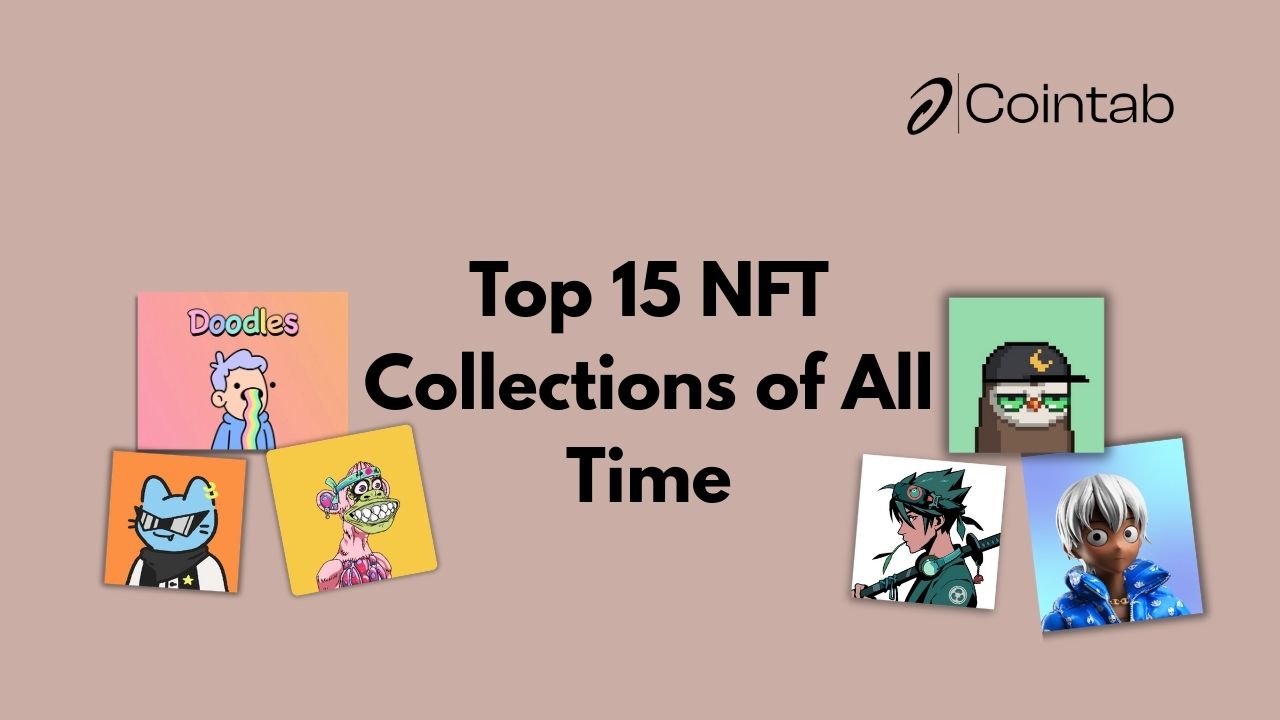
Top 15 NFT Collections of All Time

2025/11/29 07:10
17 min read

How do you feel when you get your hands on something rare, like trading cards or limited-edition prints? Pretty great, right? That same feeling of owning something truly special is what NFTs, short for non-fungible tokens, bring into the digital world. They let you collect art, music, and even virtual pets online, with proof of ownership securely recorded on a blockchain. It’s like having a trading card that everyone can see is yours, but it exists entirely on your screen.

Remarkably, these digital collectibles have gone mainstream. They’ve appeared in games, inspired fashion drops, and some even caught the eye of celebrities. Communities form around them, with fans swapping tips, showing off their collections, and sometimes collaborating on creative projects.

That said, jumping into NFTs can be confusing. Hundreds of projects launch every month, but only a few actually leave a mark culturally, financially, or both. Understanding which collections stand out helps make sense of the hype.

In this guide, we’ll look at the most influential digital collections of all time. You’ll see what makes them special, how they’ve grown, and why people still care about them. 

Whether you’re here for the art, the tech, or just to see what all the fuss is about, you’ll get a clear picture of the NFTs shaping the digital world.

What is a Non-Fungible Token (NFT)?

NFTs, or non-fungible tokens, are digital items that prove you truly own something unique online. Unlike Bitcoin or Ethereum, where every coin is the same, each NFT is one of a kind. It’s basically saying, “this belongs to me, and there’s nothing else exactly like it.”

You might ask, what can I actually do with one? NFTs can be digital art, collectibles, game items, music, or even virtual land. Every token lives on a blockchain, a public ledger that records ownership. Once it’s there, the record is permanent.

Even if someone screenshots or downloads an image, they don’t own the NFT. The blockchain shows who does. That’s what gives these tokens their authenticity and value. Artists can even set things up so they get a small cut every time their NFT is resold.

Before NFTs, proving ownership of digital content was messy. Files could be copied endlessly, and there was no way to track the real owner. NFTs solve that by tying a verified identity to each piece. Even if your work is shared, the NFT stays the official proof it started with you.

So, when did this all start getting noticed? The concept showed up around 2014 but blew up in 2017. Projects like CryptoPunks turned tiny pixel faces into rare collectibles, and CryptoKitties let people collect and breed virtual cats. It was simple but revolutionary. People realized digital items could hold real value.

Do NFTs Still Matter Today?

The hype around NFTs has cooled a bit since their crazy rise in 2021, but the tech behind them is still very much relevant. Back then, people were buying digital collectibles left and right, hoping to sell them later for a quick profit. Now, the market has settled, and the spotlight is on creators using NFTs for real, practical purposes.

But are NFTs just for art and collectibles? Not at all. Today, brands, musicians, and game developers use them to do more than sell images. Musicians give fans exclusive songs, backstage passes, or merchandise through NFTs. In gaming, players can truly own characters, weapons, or virtual land and trade them freely outside the game.

Even outside art and gaming, these digital items are finding real-world uses. Startups are experimenting with them for digital certificates, academic credentials, event tickets, or verifying luxury goods. Basically, NFTs can make ownership and proof of authenticity simpler and more secure.

You might be wondering if NFTs still matter now that the hype has died down. The truth is, they do. Even if prices and attention have dropped, the idea of proving digital ownership is still powerful. NFTs are quietly changing how we think about property, value, and creativity online, and they’re finding new, practical uses every day.

Still, the space isn’t without risks. NFT prices can change quickly, and some regions have unclear rules about taxes or digital rights. Copyright issues also come up when people mint art or music they don’t actually own. These challenges haven’t stopped progress, but they show that NFTs are still an evolving part of the digital world.

Top 15 NFT Collections of All Time

Some NFT collections have left a lasting mark on the Web3 space. Certain projects became cultural icons, others introduced new ways to use NFTs, and many continue to influence trends across marketplaces and virtual worlds.

Here’s a list of 15 NFT collections that have left the biggest mark so far:

  1. CryptoPunks
  2. Bored Ape Yacht Club (BAYC)
  3. Mutant Ape Yacht Club (MAYC)
  4. Azuki
  5. Doodles
  6. Otherdeed for Otherside
  7. Clone X
  8. World of Women (WoW)
  9. Meebits
  10. Moonbirds
  11. Pudgy Penguins
  12. Bored Ape Kennel Club (BAKC)
  13. Cool Cats
  14. Rumble Kong League (RKL)
  15. Invisible Friends

CryptoPunks

Launched in 2017 by Larva Labs, CryptoPunks is a collection of 10,000 unique 24×24 pixel avatars on Ethereum. Each Punk is generated by an algorithm, making every one completely different. Many consider this the first major NFT project, and it set the stage for the PFP (profile picture) NFT trend.

Some of the rarest Punks, like aliens and zombies, have sold for millions. One alien Punk reportedly went for over $11 million. Beyond the price tags, CryptoPunks helped shape key NFT ideas, like verifiable digital scarcity and secondary royalties for creators.

More than just money, the collection became a cultural symbol of early NFT adoption. Even today, owning a Punk is seen as a status symbol in both crypto and mainstream circles.

Bored Ape Yacht Club

Imagine owning a digital ape that gives you more than just art; it’s a ticket to a whole lifestyle. That’s what the Bored Ape Yacht Club offers. Each of the 10,000 apes is unique, but the real value comes from the community and the perks that come with ownership.

BAYC quickly caught attention when celebrities like Steph Curry and Jimmy Fallon joined in. Suddenly, these apes weren’t just collectibles; they were cultural symbols, a way to show status both online and in the real world.

Owners also get commercial rights, letting them create products, merchandise, or spin-off projects using their ape. It’s a rare NFT collection where ownership opens doors to opportunities, not just bragging rights.

Mutant Ape Yacht Club

Not everyone could get their hands on a Bored Ape, so the Mutant Ape Yacht Club was created as a way in. These mutant versions of the original apes let more people join the BAYC ecosystem while still keeping things exclusive.

Introduced in 2021, the collection minted 20,000 mutants. Owners enjoyed the same perks as original ape holders, including community access, events, and special experiences. Some mutant apes have sold for hundreds of thousands, with rarer ones reaching even higher prices.

The design focused on variety and keeping the community engaged. Secondary-market activity is strong and often spikes around BAYC news or events. MAYC shows how companion NFT drops can expand a project’s reach and bring new collectors into a thriving ecosystem.

Azuki

Step into Azuki, and you step into a world where anime, fashion, and digital culture collide. Collectors call it “The Garden,” a place buzzing with creativity and community.

Ever wondered what makes some NFTs sell for over $300,000? In Azuki’s case, it’s a mix of stunning avatars, real-world events, and exclusive brand collaborations that make each drop feel special.

The team keeps things exciting with companion drops like BEANZ, giving holders more ways to participate and engage. Azuki isn’t just about owning art; it’s about being part of a culture that blends aesthetics, scarcity, and long-term potential uniquely.

Doodles

Doodles are more than just colorful, hand-drawn characters. They’re a community where collectors get to shape the project.

Burnt Toast and his team designed 10,000 unique Doodles, each with its own personality. Holders can vote on decisions, like events or how the treasury is spent, making them part of something bigger than just ownership.

The collection has expanded beyond digital art into music collaborations, merchandise, and live events. Doodles show that when art is engaging and participatory, people stick around, and the ecosystem continues to grow naturally.

Otherdeed for Otherside

Being part of Otherside feels like stepping into a living digital world. You can explore, build, and interact with spaces that you truly own. These virtual land parcels are tied to the BAYC ecosystem, giving holders access to exclusive events and shared experiences with the community.

Clone X

Clone X is more than just 3D avatars. Think of it as fashion meeting the metaverse. RTFKT Studios created it with the famous artist Takashi Murakami, and there are 20,000 unique characters to explore.

After Nike bought RTFKT, Clone X got even more attention. These avatars work in virtual worlds; holders can use them, interact with others, and show off their style online.

From its start in 2021, the project has continued to expand. New drops and collaborations keep the community active. No doubt, NFTs can be fun, wearable, and useful at the same time.

World of Women

World of Women has 10,000 NFTs celebrating female representation and diversity, all created by Yam Karkai. Beyond the artwork, holders can vote on treasury initiatives, helping guide community projects. Yes, your voice matters.

The collection has partnered with mainstream organizations, expanding its reach and impact outside Web3. WoW focuses on culture, building an engaged community where creativity and social consciousness meet.

Moreover, collectors enjoy both the visual appeal and the meaningful mission. The project shows that NFTs can go beyond being digital collectibles. They can inspire change, spark conversations, and create a sense of belonging long after the initial drop.

Meebits

Meebits are 3D voxel avatars created by Larva Labs, a follow-up to their iconic CryptoPunks. There are 20,000 unique pieces, each designed for use in virtual worlds and metaverse platforms. You can bring these avatars into compatible digital spaces, interact, and even show off your style online. The project was one of the first to blend NFT art with fully rigged 3D technology, setting a new standard for utility-focused collections.

The community around Meebits stays active, sharing creations, experiences, and collaborations. Rare Meebits attract attention, but the true appeal lies in how these avatars bridge art, tech, and interactive experiences.

Meebits shows how NFTs have evolved. They are no longer just static images but assets you can use and engage with in multiple digital environments.

Moonbirds

Moonbirds is an ecosystem built by PROOF Collective, the same team behind Kevin Rose’s ambitious Web3 vision. These 10,000 pixel-perfect owls landed in April 2022 and immediately stirred excitement across the NFT world.

People weren’t just buying the art, they were joining something. Holders could “nest” their Moonbirds, earning access to perks that grew over time. The idea felt fresh, almost gamified, and it turned collecting into participation.

Today, the collection still feels active, not relic-like. It’s less about hype now and more about proving that NFT projects can stay relevant when they focus on both art and experience.

Pudgy Penguins

At first, nobody knew if the penguins would survive. The project launched in 2021 with 8,888 hand-drawn avatars that felt friendly and fun, full of charm. But the buzz didn’t last long.

A new team later stepped in and quietly changed everything. They focused less on hype and more on building something people could connect to. Merch, media projects, even toys, suddenly the penguins had purpose again.

It wasn’t a grand comeback. It was gradual. People noticed the effort, joined back in, and the community grew stronger than before. Now it sits in an interesting place, not the loudest NFT brand, but one that people actually care about. That’s rare in this space.

Bored Ape Kennel Club

Not every addition to the Bored Ape universe had to be about apes. One day, holders woke up to a surprise—dogs. Each BAYC member got a companion, free of charge, just for being part of the club. Some treated it like a casual drop; others immediately began matching their apes and dogs like proud collectors.

That was back in 2021, when NFT culture was all about surprises and community moves. A few of these dogs later fetched jaw-dropping prices, climbing past $50,000. But the real story wasn’t about the sales. It was how this idea helped Bored Ape owners connect and build a stronger community.

Cool Cats

Bright blue cats started popping up across NFT timelines, each one quirky, expressive, and oddly charming. What looked like simple cartoon art quickly became a full-blown digital universe. Holders began completing quests, collecting items, and exploring a gamified world the creators called Cooltopia.

Behind all the fun, there’s a community that built itself on collaboration rather than hype. People stuck around because they felt part of something playful yet evolving. Cool Cats keeps experimenting with new ways to stay relevant through games, features, and partnerships that expand the brand’s reach. It’s one of the few NFT collections that never lost its spark, staying true to its lighthearted spirit while quietly maturing in the background.

Rumble Kong League

Ever seen digital Kongs slam dunk? That’s the world of Rumble Kong League. These basketball-themed avatars compete in tournaments, earn perks, and get fans cheering across the ecosystem.

Some Kongs are insanely rare, with a few selling for six figures. But it’s not only about the price. Holders can vote, strategize, and participate in a game that evolves with the community.

The tournaments spark energy and conversation every season. Sports, gaming, and social interaction collide here, showing how NFTs can go beyond being static images. RKL turns ownership into action, and the experience keeps people coming back.

Invisible Friends

Looping animations, bright colors, tiny quirks that somehow make each character feel alive. That’s what Invisible Friends are all about.

You’ll spot them on feeds, bouncing, spinning, drawing attention without even trying. The community? It’s full of chatter, swaps, jokes, and inside references that only holders get.

Markus Magnusson didn’t just make avatars; he made personalities in motion. They move, they play, and they remind us that NFTs can be about style and fun, not just ownership.

NFT Marketplaces

Knowing which NFT is trending often starts with the marketplace. They show you floor prices, trading volumes, and which collections are hot.

But how do these marketplaces even work? Basically, they’re digital hubs where people mint, buy, sell, and trade NFTs. OpenSea hosts millions, from profile pictures to gaming items. Rarible gives its community a say, while LooksRare rewards activity with its own token.

Some platforms focus on speed and low fees. Magic Eden runs on Solana, and Immutable X handles Ethereum Layer 2. Early drops and exclusive events keep collectors coming back.

Security can’t be ignored. Verification badges, smart contracts, and sometimes escrow features protect users and prove authenticity.

So, do marketplaces only help trade NFTs? Actually, they do much more. They provide analytics, rarity tools, and wallet integrations. For beginners, understanding them is key to exploring, collecting, and making informed choices.

Common NFT Scams

Imagine thinking you scored a rare NFT, only to find out it’s fake. It happens more than you’d think. Scammers are creative, and the NFT space can be tricky for beginners.

Before diving in, here are some common NFT scams to watch out for:

  • Phishing attacks
  • Fake or copycat collections
  • Rug pulls
  • Social engineering scams

Phishing attacks are everywhere. Someone might impersonate a marketplace or creator, sending a link that steals your login or private keys. One wrong click, and your NFTs could disappear forever.

Fake collections are another trap. Scammers replicate popular projects or create lookalikes that seem real. Always double-check the contract address and the creator’s official profile before buying.

Rug pulls can be even nastier. Creators sometimes vanish right after a launch, leaving collectors with NFTs that have no value. These usually happen when hype overshadows transparency.

And don’t forget social engineering scams. Scammers may pose as moderators or send fake airdrop alerts. You might unknowingly sign a malicious transaction or transfer NFTs without realizing it.

As a result, staying safe becomes a necessity. Stick to trustworthy marketplaces, verify everything, and avoid suspicious links. A little caution goes a long way in protecting your digital assets.

How to Buy NFTs

Buying NFTs can be straightforward if you follow these steps carefully:

Step 1: Set up a digital wallet

Pick a wallet that works with your target NFTs. MetaMask is great for Ethereum, Phantom for Solana. Make sure it’s secure and back it up with your seed phrase.

Step 2: Fund your wallet

Buy the cryptocurrency needed for the marketplace, usually ETH for Ethereum or SOL for Solana. Transfer it into your wallet so you’re ready to purchase.

Step 3: Choose a trustworthy NFT marketplace

Connect your wallet to a reliable platform like OpenSea, Rarible, or Magic Eden. Avoid unknown or unverified sites because they’re often risky.

Step 4: Browse and pick an NFT

Explore collections and find something you like. Check the listing type, whether it is fixed price, auction, or bundle, and review any fees.

Step 5: Complete your purchase

Approve the transaction in your wallet. Once confirmed on the blockchain, the NFT appears in your wallet. Now it’s officially yours, with full ownership and access to any perks.

How to Know What NFTs Are Worth Buying

Evaluating NFTs can feel tricky, but a few key factors make it easier.

  1. Rarity

Unique traits or limited editions often catch more attention. Ask yourself: “Is this NFT one-of-a-kind or easy to find?” Scarcity usually drives value.

  1. Community

A strong, engaged community matters. Projects with active holders tend to last longer and stay relevant. Check social channels and see how people interact.

  1. Creator Reputation

Who made the NFT? Verified creators and established teams add credibility. A respected artist or studio is less likely to vanish overnight.

  1. Utility

Some NFTs give you more than art. Access to events, games, or metaverse perks can increase desirability. Think: “What extra does this NFT offer?”

  1. Market Data

Look at floor prices, trading volumes, and trends on platforms like CoinGecko or CryptoSlam. This helps gauge interest and potential value.

By keeping these factors in mind, collectors can make smarter decisions and avoid buying on impulse. Understanding rarity, community, and utility gives you a clearer picture of what’s truly worth owning.

FAQs

Is NFT a cryptocurrency?

No. NFTs are unique digital assets, unlike cryptocurrencies, which are interchangeable and used for payments.

What are NFTs in the music industry?

NFTs let artists sell songs, albums, or exclusive content directly to fans, sometimes with perks like concert access.

What blockchains are NFTs on?

NFTs exist on several blockchains, including Ethereum, Solana, Polygon, Tezos, and Flow, each with different fees and speeds.

Can NFTs be copied?

The digital file can be copied, but the NFT itself is unique and verifiable on the blockchain.

Can I make money with NFTs?

Yes, NFTs can be sold for profit, but their value is volatile, so research and caution are key.

What is the future of NFTs?

NFTs are expanding into gaming, virtual real estate, fashion, and identity verification, remaining relevant in digital ownership.

Final Thoughts

NFTs have shaken up the way we think about ownership, art, and online communities. Some collections, like CryptoPunks or Bored Ape Yacht Club, became cultural icons. Others show that NFTs can be useful in games, music, or virtual events. The ones that thrive usually have strong communities, unique traits, and perks that matter.

Jumping into NFTs? Pay attention to marketplaces, check project credibility, and be aware of scams. As the space grows into fashion, virtual land, and interactive experiences, staying informed and cautious makes all the difference. NFTs are a mix of creativity, tech, and strategy—approach wisely.

The post Top 15 NFT Collections of All Time appeared first on CoinTab News.

Market Opportunity
TOP Network Logo
TOP Network Price(TOP)
$0.000096
$0.000096$0.000096
+0.94%
USD
TOP Network (TOP) Live Price Chart
Disclaimer: The articles reposted on this site are sourced from public platforms and are provided for informational purposes only. They do not necessarily reflect the views of MEXC. All rights remain with the original authors. If you believe any content infringes on third-party rights, please contact service@support.mexc.com for removal. MEXC makes no guarantees regarding the accuracy, completeness, or timeliness of the content and is not responsible for any actions taken based on the information provided. The content does not constitute financial, legal, or other professional advice, nor should it be considered a recommendation or endorsement by MEXC.