

Cryptocurrency Sanctions Shock: UK Seizes $32.6M in Historic Russia Violation Crackdown
BitcoinWorld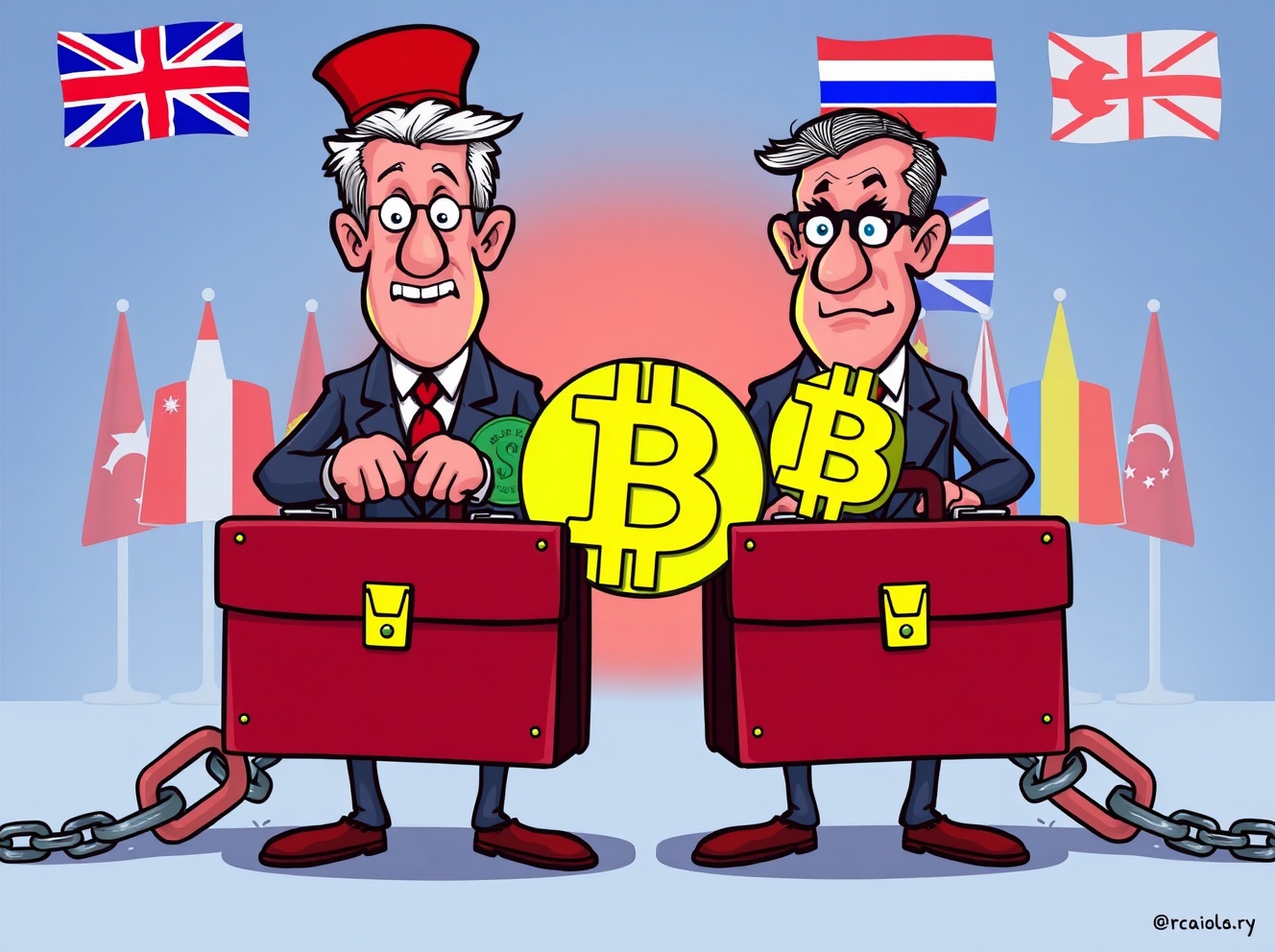
Cryptocurrency Sanctions Shock: UK Seizes $32.6M in Historic Russia Violation Crackdown
In a dramatic enforcement action that underscores the growing role of digital assets in global finance, UK authorities have delivered a powerful blow against sanctions evasion. The recent seizure of $32.6 million in cryptocurrency and cash reveals how seriously governments are taking cryptocurrency sanctions enforcement in the ongoing response to Russia’s actions.
What Do These Cryptocurrency Sanctions Violations Reveal?
The UK-led operation represents one of the most significant cryptocurrency sanctions enforcement actions to date. Authorities arrested 128 individuals involved in sophisticated money laundering networks designed to circumvent international restrictions. This massive crackdown demonstrates how cryptocurrency sanctions are becoming a critical frontier in global financial regulation.
Law enforcement agencies coordinated across multiple jurisdictions to track and intercept illicit funds. The operation targeted complex networks that used both traditional banking and digital assets to move money undetected. This approach shows authorities are adapting to new financial technologies while maintaining pressure on sanctions violators.
How Are Authorities Tracking Cryptocurrency Sanctions Breaches?
Modern tracking methods combine traditional investigative techniques with advanced blockchain analysis. Authorities now employ:
- Blockchain monitoring tools that trace cryptocurrency movements
- International cooperation between financial intelligence units
- Advanced data analytics to identify suspicious patterns
- Cross-border legal frameworks for asset freezing
The success of this operation suggests that cryptocurrency sanctions enforcement capabilities have matured significantly. However, the very nature of digital assets continues to present unique challenges for regulators worldwide.
Why Does Cryptocurrency Sanctions Enforcement Matter?
Effective cryptocurrency sanctions enforcement serves multiple crucial purposes in the global financial system. First, it maintains the integrity of international diplomatic efforts. Second, it prevents bad actors from exploiting new technologies to bypass restrictions. Third, it protects the legitimate cryptocurrency ecosystem from being tainted by illicit activities.
Moreover, robust enforcement sends a clear message that no financial channel remains beyond regulatory reach. This particular cryptocurrency sanctions case involved sophisticated networks that authorities successfully dismantled through coordinated action.
What Challenges Remain in Cryptocurrency Sanctions Compliance?
Despite this successful operation, several challenges persist in cryptocurrency sanctions enforcement. The decentralized nature of many digital assets creates jurisdictional complexities. Cross-border transactions can move through multiple countries within minutes. Additionally, privacy-enhancing technologies continue to evolve, presenting new obstacles for monitoring efforts.
Financial institutions and cryptocurrency exchanges must now implement increasingly sophisticated compliance programs. They need to screen transactions against ever-expanding sanctions lists while balancing privacy concerns and operational efficiency.
Looking Ahead: The Future of Cryptocurrency Sanctions
This landmark case signals a new era in financial enforcement. As digital assets become more mainstream, we can expect continued refinement of cryptocurrency sanctions frameworks. International cooperation will likely intensify, with more countries sharing intelligence and coordinating enforcement actions.
The $32.6 million seizure demonstrates that cryptocurrency sanctions are not just theoretical concepts but actively enforced regulations. This should serve as a warning to anyone considering using digital assets to circumvent international restrictions.
Frequently Asked Questions
What triggered this specific cryptocurrency sanctions enforcement action?
Authorities initiated the operation in response to systematic attempts to bypass sanctions against Russia through money laundering networks using both traditional and digital financial channels.
How long did the investigation take?
While exact timelines aren’t disclosed, such complex international investigations typically involve months of coordinated intelligence gathering and evidence collection across multiple jurisdictions.
Can cryptocurrency really be traced effectively?
Yes, most blockchain transactions are publicly visible, and advanced analytics tools can trace cryptocurrency movements, though privacy coins and mixing services present additional challenges.
What happens to the seized cryptocurrency?
Seized digital assets are typically held as evidence during legal proceedings and may be liquidated or held by government agencies afterward, depending on court decisions.
Are regular cryptocurrency users affected by these enforcement actions?
Legitimate users conducting lawful transactions have nothing to fear from proper cryptocurrency sanctions enforcement, which targets specific violations rather than general usage.
How can exchanges ensure they don’t facilitate sanctions violations?
Exchanges implement robust KYC/AML procedures, screen transactions against sanctions lists, monitor for suspicious patterns, and maintain compliance teams dedicated to preventing violations.
Help spread awareness about important financial regulations – share this article on social media to inform others about the critical role of cryptocurrency sanctions enforcement in maintaining global financial security.
To learn more about the latest cryptocurrency regulatory trends, explore our article on key developments shaping cryptocurrency compliance frameworks and institutional adoption.
This post Cryptocurrency Sanctions Shock: UK Seizes $32.6M in Historic Russia Violation Crackdown first appeared on BitcoinWorld.


You May Also Like

Top 30+ AI Robotics Projects: Step Into the Future

Pi Network Expands Beyond Mining with Protocol 23 and AI Web3 Growth




