

US Stock Indices Close Lower: What This Market Decline Means for Your Investments

BitcoinWorld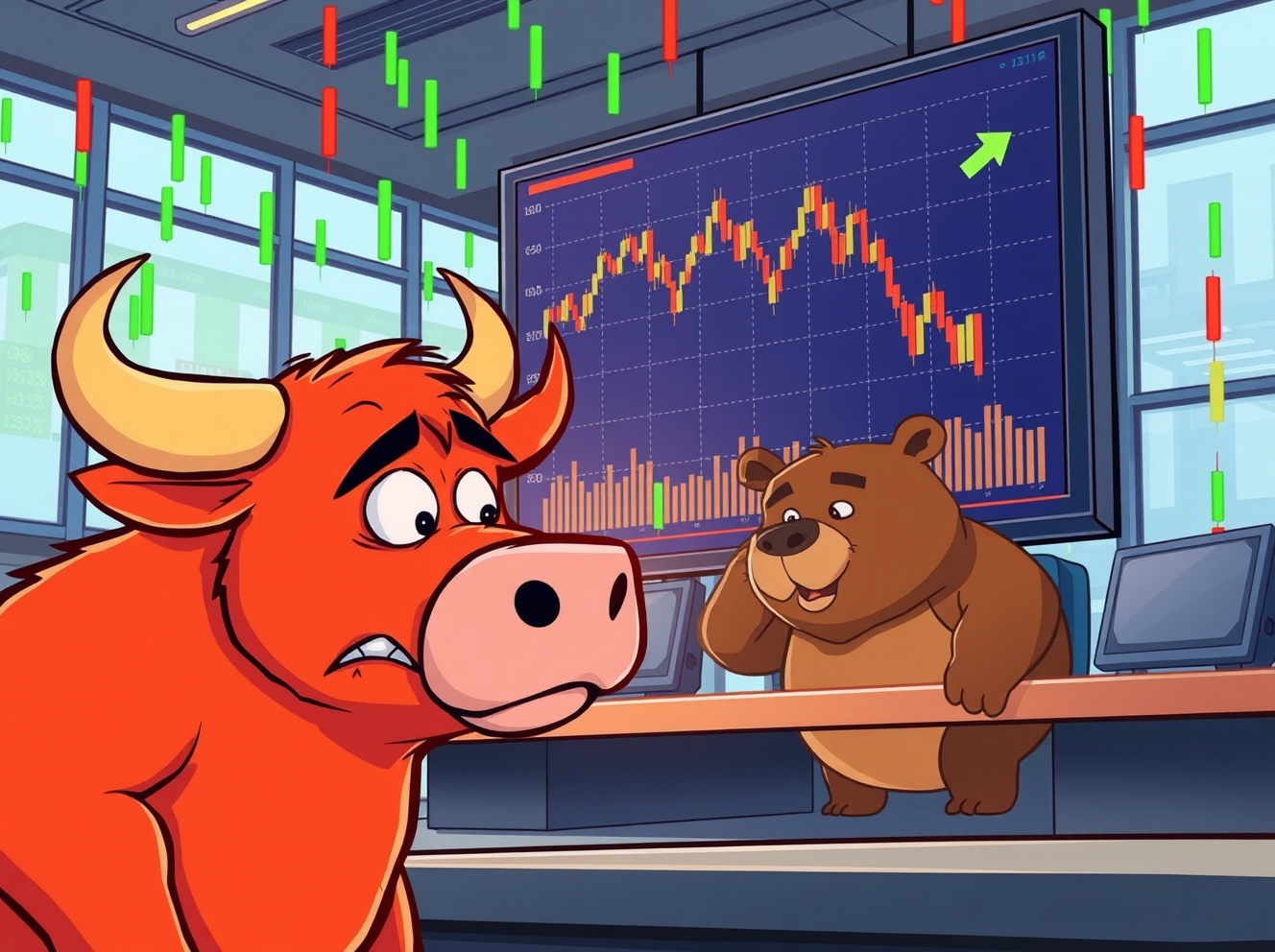
US Stock Indices Close Lower: What This Market Decline Means for Your Investments
Investors faced a challenging session as US stock indices close lower across all major benchmarks. The market downturn saw significant declines in the S&P 500, Nasdaq Composite, and Dow Jones Industrial Average, raising questions about the current market trajectory and what this means for your investment strategy.
Why Did US Stock Indices Close Lower Today?
The trading session delivered disappointing results as US stock indices close lower across the board. Market participants witnessed:
- S&P 500 falling 0.83%
- Nasdaq Composite dropping 1.21%
- Dow Jones Industrial Average declining 1.07%
This broad-based decline suggests widespread investor concern rather than isolated sector weakness. The fact that US stock indices close lower simultaneously indicates systemic market pressures that demand closer examination.
What Factors Contributed to the Market Decline?
Several key elements likely influenced why US stock indices close lower. Economic data releases, corporate earnings reports, and geopolitical developments all played roles in shaping market sentiment. Moreover, technical indicators and trading volumes provided additional context for the downward movement.
When US stock indices close lower with this consistency, it often signals deeper market concerns. Investors should monitor whether this represents a temporary correction or the beginning of a more sustained downturn.
How Should Investors Respond When US Stock Indices Close Lower?
Seeing US stock indices close lower can trigger emotional responses, but strategic investors maintain perspective. Consider these approaches:
- Review your portfolio allocation
- Assess your risk tolerance
- Identify potential buying opportunities
- Maintain long-term perspective
Historical data shows that markets experience regular fluctuations. The key insight when US stock indices close lower is to avoid panic-driven decisions and instead focus on fundamental analysis.
What Historical Patterns Emerge When US Stock Indices Close Lower?
Market history provides valuable context for current conditions. Previous instances where US stock indices close lower have often been followed by recovery periods. However, the duration and strength of rebounds vary based on underlying economic conditions.
Analysts note that when US stock indices close lower with the magnitude seen today, it typically prompts reassessment of market valuations and investor expectations. This recalibration process can create healthier market conditions long-term.
Key Takeaways from Today’s Market Session
The reality that US stock indices close lower serves as an important reminder about market volatility. Today’s decline underscores several crucial investment principles:
- Diversification remains essential
- Short-term fluctuations are normal
- Fundamental analysis outweighs daily price movements
- Emotional discipline separates successful investors
While seeing US stock indices close lower can be concerning, it also presents opportunities for informed investors to position themselves advantageously.
Frequently Asked Questions
What does it mean when US stock indices close lower?
When US stock indices close lower, it indicates overall market decline across major benchmarks, reflecting negative investor sentiment and potential economic concerns.
How often do US stock indices close lower?
Market declines are normal occurrences. Historical data shows US stock indices close lower approximately 40% of trading days, though the magnitude varies significantly.
Should I sell when US stock indices close lower?
Not necessarily. Panic selling during downturns often locks in losses. Most financial advisors recommend maintaining long-term strategies rather than reacting to daily fluctuations.
What sectors were most affected when US stock indices close lower today?
While specific sector data varies daily, technology and growth stocks typically show higher volatility when US stock indices close lower.
How long do periods when US stock indices close lower typically last?
Market corrections vary in duration. Some last days, while others extend for months. Historical averages suggest most corrections resolve within 3-6 months.
Where can I find reliable analysis when US stock indices close lower?
Reputable financial news sources, official exchange data, and certified financial analysts provide the most reliable information during market declines.
Found this analysis helpful? Share this article with fellow investors on social media to help them understand what happens when US stock indices close lower and how to navigate market volatility effectively.
To learn more about the latest stock market trends, explore our article on key developments shaping investment strategies and market recovery patterns.
This post US Stock Indices Close Lower: What This Market Decline Means for Your Investments first appeared on BitcoinWorld.
You May Also Like

LMAX Group Deepens Ripple Partnership With RLUSD Collateral Rollout

Bitcoin 8% Gains Already Make September 2025 Its Second Best
