The post From Caitlin Clark To Gail K. Boudreaux, These Sports Skills Help Women Win Big In Their Careers appeared on BitcoinEthereumNews.com. INDIANAPOLIS, INDIANA – JULY 19: Caitlin Clark #22 of the Indiana Fever looks on during the 2025 AT&T WNBA All-Star Game at Gainbridge Fieldhouse on July 19, 2025 in Indianapolis, Indiana. Getty Images There’s no denying that Caitlin Clark’s legendary run with the Iowa Hawkeyes helped launch her from college stardom to a thriving professional career with the Indiana Fever. After all, Clark was recently named one of Forbes Most Powerful Women in Sports and earned an estimated $8.1 million during her first professional season. Meanwhile, 23-time Grand Slam champion Serena Williams also earned a spot on this year’s Most Powerful Women in Sports list in addition to being among Forbes Richest Self-Made Women, with an estimated net worth of $350 million for 2025. Williams leveraged her highly successful professional athletic career to launch Serena Ventures, a venture capital fund that has provided $111 million in funding since its launch and boasts a portfolio of 85 startups, a majority of which are women-led. Clark and Williams are just two particularly visible examples of women who have translated strong athletic careers into professional success well beyond the court (or field). Gail K. Boudreaux, a former college basketball player and all-time leading scorer for the Dartmouth Big Green, is now the President and CEO of S&P 500 health insurance company, Elevance Health. Boudreaux also ranks among Forbes’ World’s Most Powerful Women. Similarly, Lisa Palmer, President and CEO of S&P 500 REIT Regency Centers Corporation, was a standout softball player at the Wharton School of the University of Pennsylvania and credits her leadership skills to lessons learned on the field. In an article from the International Council of Shopping Centers (ICSC), Palmer explained that her leadership journey began as a softball pitcher, noting that “pitchers specifically are looked to as leaders in softball.”… The post From Caitlin Clark To Gail K. Boudreaux, These Sports Skills Help Women Win Big In Their Careers appeared on BitcoinEthereumNews.com. INDIANAPOLIS, INDIANA – JULY 19: Caitlin Clark #22 of the Indiana Fever looks on during the 2025 AT&T WNBA All-Star Game at Gainbridge Fieldhouse on July 19, 2025 in Indianapolis, Indiana. Getty Images There’s no denying that Caitlin Clark’s legendary run with the Iowa Hawkeyes helped launch her from college stardom to a thriving professional career with the Indiana Fever. After all, Clark was recently named one of Forbes Most Powerful Women in Sports and earned an estimated $8.1 million during her first professional season. Meanwhile, 23-time Grand Slam champion Serena Williams also earned a spot on this year’s Most Powerful Women in Sports list in addition to being among Forbes Richest Self-Made Women, with an estimated net worth of $350 million for 2025. Williams leveraged her highly successful professional athletic career to launch Serena Ventures, a venture capital fund that has provided $111 million in funding since its launch and boasts a portfolio of 85 startups, a majority of which are women-led. Clark and Williams are just two particularly visible examples of women who have translated strong athletic careers into professional success well beyond the court (or field). Gail K. Boudreaux, a former college basketball player and all-time leading scorer for the Dartmouth Big Green, is now the President and CEO of S&P 500 health insurance company, Elevance Health. Boudreaux also ranks among Forbes’ World’s Most Powerful Women. Similarly, Lisa Palmer, President and CEO of S&P 500 REIT Regency Centers Corporation, was a standout softball player at the Wharton School of the University of Pennsylvania and credits her leadership skills to lessons learned on the field. In an article from the International Council of Shopping Centers (ICSC), Palmer explained that her leadership journey began as a softball pitcher, noting that “pitchers specifically are looked to as leaders in softball.”…

From Caitlin Clark To Gail K. Boudreaux, These Sports Skills Help Women Win Big In Their Careers

For feedback or concerns regarding this content, please contact us at crypto.news@mexc.com

INDIANAPOLIS, INDIANA – JULY 19: Caitlin Clark #22 of the Indiana Fever looks on during the 2025 AT&T WNBA All-Star Game at Gainbridge Fieldhouse on July 19, 2025 in Indianapolis, Indiana.

Getty Images

There’s no denying that Caitlin Clark’s legendary run with the Iowa Hawkeyes helped launch her from college stardom to a thriving professional career with the Indiana Fever. After all, Clark was recently named one of Forbes Most Powerful Women in Sports and earned an estimated $8.1 million during her first professional season. Meanwhile, 23-time Grand Slam champion Serena Williams also earned a spot on this year’s Most Powerful Women in Sports list in addition to being among Forbes Richest Self-Made Women, with an estimated net worth of $350 million for 2025. Williams leveraged her highly successful professional athletic career to launch Serena Ventures, a venture capital fund that has provided $111 million in funding since its launch and boasts a portfolio of 85 startups, a majority of which are women-led.

Clark and Williams are just two particularly visible examples of women who have translated strong athletic careers into professional success well beyond the court (or field). Gail K. Boudreaux, a former college basketball player and all-time leading scorer for the Dartmouth Big Green, is now the President and CEO of S&P 500 health insurance company, Elevance Health. Boudreaux also ranks among Forbes’ World’s Most Powerful Women.

Similarly, Lisa Palmer, President and CEO of S&P 500 REIT Regency Centers Corporation, was a standout softball player at the Wharton School of the University of Pennsylvania and credits her leadership skills to lessons learned on the field. In an article from the International Council of Shopping Centers (ICSC), Palmer explained that her leadership journey began as a softball pitcher, noting that “pitchers specifically are looked to as leaders in softball.”

Women Athletes are a Leading Force Behind Corporate America’s Playbook

Both Boudreaux and Palmer’s experiences underscore how skills developed through women’s sports can serve as a strong foundation for corporate leadership. And there’s data to back up this connection. According to Women Business Collaborative’s (WBC’s) “Women CEOs in America 2025 Report,” 9.2% of CEOs across the Fortune 1000, S&P 500, Russell 3000, and private companies with revenues exceeding $1 billion are women. Of that group, 10.2% have a collegiate or elite athletic background, with more than half leading in the healthcare, consumer goods, and technology sectors.

Women’s Sports are the Training Ground for Tomorrow’s Leaders

Athletes get an early start in developing critical skills that prepare them for leadership, learning key skills not only in classrooms, offices or boardrooms, but from a younger age on the playing field. Women’s Sports Foundation’s “Play to Lead” survey found that nearly half of women respondents credit the skills they gained through sports for their leadership development. Of those who participated in sports during their formative years, nearly half went on to hold leadership positions in the workplace, including c-suite, founder, president, vice president and board member roles.

There are several skills that women athletes develop through sports that are transferable to leadership. In its report, the WBC highlights the skills that women athlete-leaders identify as key to advancing their careers, including teamwork and collaboration, resilience, adaptability, confidence, decision-making, performance measurement and feedback, and the ability to develop a strategic vision. These lessons and skills learned in sports can directly translate into effective, high impact leadership in the corporate world.

Empowering Women Leaders Goes Beyond the Game

As previously reported, despite being just as (and in many cases more) qualified than men to lead, women remain vastly underrepresented at the top of organizations, making up nearly half of the global workforce but holding fewer than a third of senior leadership positions.

Outside of the skills gained during game time, networks like WBC’s “In the Arena” initiative provide vital connections that help women athletes build relationships necessary to access executive leadership opportunities. According to WBC, in addition to joining and supporting women’s organizations, recognizing women’s talent, advocating for employees of all backgrounds, and highlighting women CEOs as role models are key strategies for empowering women in the workforce. Importantly, these tactics aren’t exclusive to sports; businesses in any industry can adopt them to elevate and support women in leadership.

Whether a breakout professional basketball star or a Division III field hockey captain, the lessons learned through women’s sports—from teamwork to resilience to strategic thinking—often translate into professional success, making women athletes an excellent recruiting pool for roles along the leadership pipeline. Moreover, businesses across sectors can take a page from the playbook of women’s sports to create networks and opportunities that help more women launch their careers and reach their full potential. Let’s not leave future leaders sitting on the bench—it’s time companies give them a chance and the tools they need to get in the game.

Source: https://www.forbes.com/sites/lizelting/2025/11/13/from-caitlin-clark-to-gail-k-boudreaux-these-sports-skills-help-women-win-big-in-their-careers/
Market Opportunity
WINK Logo
WINK Price(WIN)
$0.00002136
$0.00002136$0.00002136
+4.50%
USD
WINK (WIN) Live Price Chart
Disclaimer: The articles reposted on this site are sourced from public platforms and are provided for informational purposes only. They do not necessarily reflect the views of MEXC. All rights remain with the original authors. If you believe any content infringes on third-party rights, please contact crypto.news@mexc.com for removal. MEXC makes no guarantees regarding the accuracy, completeness, or timeliness of the content and is not responsible for any actions taken based on the information provided. The content does not constitute financial, legal, or other professional advice, nor should it be considered a recommendation or endorsement by MEXC.

You May Also Like

‘Bitcoin Is Going to Die’ – The Latest Death Warning Comes from Oscar-Nominated Actor

‘Bitcoin Is Going to Die’ – The Latest Death Warning Comes from Oscar-Nominated Actor

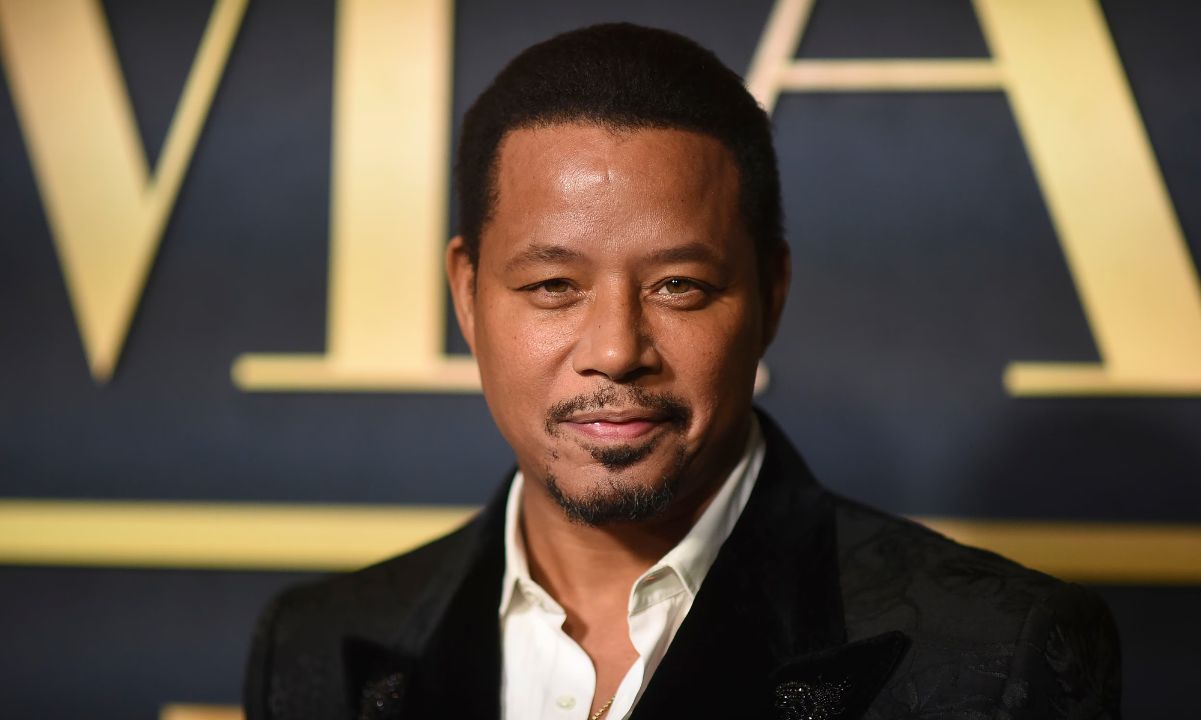
Terrence Howard said he is not touching BTC as it's going to die.
Share
CryptoPotato2026/03/09 15:15
Cashing In On University Patents Means Giving Up On Our Innovation Future

Cashing In On University Patents Means Giving Up On Our Innovation Future

The post Cashing In On University Patents Means Giving Up On Our Innovation Future appeared on BitcoinEthereumNews.com. “It’s a raid on American innovation that would deliver pennies to the Treasury while kneecapping the very engine of our economic and medical progress,” writes Pipes. Getty Images Washington is addicted to taxing success. Now, Commerce Secretary Howard Lutnick is floating a plan to skim half the patent earnings from inventions developed at universities with federal funding. It’s being sold as a way to shore up programs like Social Security. In reality, it’s a raid on American innovation that would deliver pennies to the Treasury while kneecapping the very engine of our economic and medical progress. Yes, taxpayer dollars support early-stage research. But the real payoff comes later—in the jobs created, cures discovered, and industries launched when universities and private industry turn those discoveries into real products. By comparison, the sums at stake in patent licensing are trivial. Universities collectively earn only about $3.6 billion annually in patent income—less than the federal government spends on Social Security in a single day. Even confiscating half would barely register against a $6 trillion federal budget. And yet the damage from such a policy would be anything but trivial. The true return on taxpayer investment isn’t in licensing checks sent to Washington, but in the downstream economic activity that federally supported research unleashes. Thanks to the bipartisan Bayh-Dole Act of 1980, universities and private industry have powerful incentives to translate early-stage discoveries into real-world products. Before Bayh-Dole, the government hoarded patents from federally funded research, and fewer than 5% were ever licensed. Once universities could own and license their own inventions, innovation exploded. The result has been one of the best returns on investment in government history. Since 1996, university research has added nearly $2 trillion to U.S. industrial output, supported 6.5 million jobs, and launched more than 19,000 startups. Those companies pay…
Share
BitcoinEthereumNews2025/09/18 03:26
Win Big at Shark Secret Casino for Real Cash!

Win Big at Shark Secret Casino for Real Cash!

Cryptsy - Latest Cryptocurrency News and Predictions Cryptsy - Latest Cryptocurrency News and Predictions - Experts in Crypto Casinos Did you know the online gambling
Share
Cryptsy2026/03/09 15:28