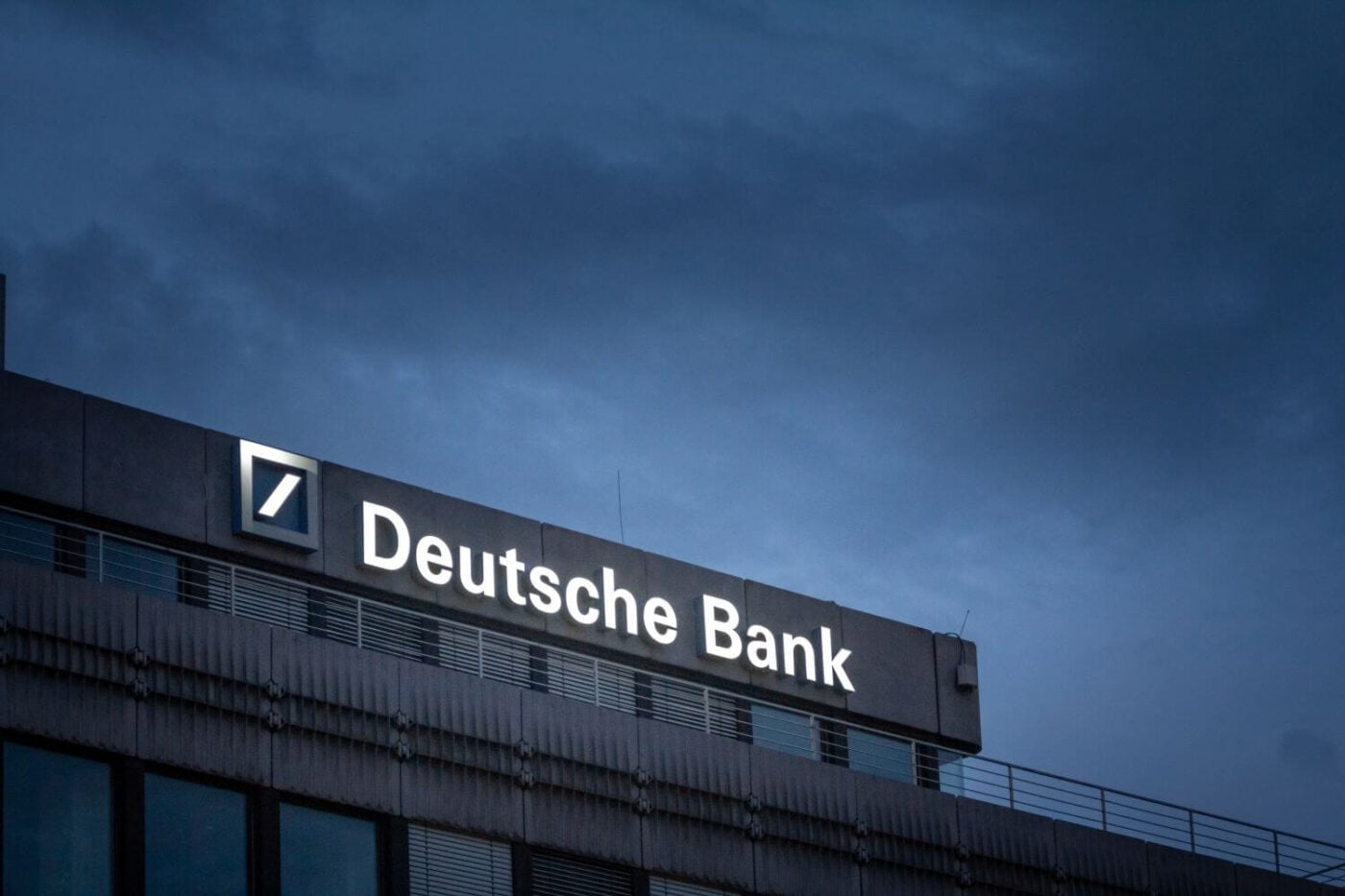
The ECB Governing Council has advanced the digital euro project to its next stage, with pilot testing planned for 2027 and issuance by 2029. One reason this agenda is being pushed is that other economies, like China, are also developing CBDCs. The European Central Bank (ECB) is leading one of the most ambitious financial innovation [...]]]>The ECB Governing Council has advanced the digital euro project to its next stage, with pilot testing planned for 2027 and issuance by 2029. One reason this agenda is being pushed is that other economies, like China, are also developing CBDCs. The European Central Bank (ECB) is leading one of the most ambitious financial innovation [...]]]>

European Central Bank Pushes Digital Euro to Extend Cash Benefits Into the Digital Age

  • The ECB Governing Council has advanced the digital euro project to its next stage, with pilot testing planned for 2027 and issuance by 2029.
  • One reason this agenda is being pushed is that other economies, like China, are also developing CBDCs.

The European Central Bank (ECB) is leading one of the most ambitious financial innovation projects in Europe’s history, the creation of a digital euro. This new form of money, known as a central bank digital currency (CBDC), is designed to complement physical cash and bring Europe’s payment system fully into the digital age.

The preparation phase, launched in November 2023, is well underway. The ECB’s Governing Council just confirmed its commitment to advancing the project, echoing calls from European leaders at the October 2025 Euro Summit to accelerate progress.

If the European Parliament approves the necessary regulations in 2026, the digital euro could enter a pilot phase in 2027, paving the way for a full, continent-wide rollout as early as 2029.

Christine Lagarde, president of the European Central Bank, announced that:

The ECB’s Next Steps

In a blog post, the European Central Bank outlined its next steps toward realizing the shared vision of a digital euro. The Eurosystem will concentrate on three main workstreams: strengthening technical capabilities, deepening collaboration with the market, and supporting the ongoing legislative process.

This includes building the technical foundations of the digital euro and testing its core functions through pilot projects. The ECB will also work closely with payment service providers, merchants, and consumer groups to test systems and prepare for the currency’s first potential issuance.

The total development cost, covering both internal and external work, is projected to reach about €1.3 billion up to the first issuance. Once operational, the digital euro is expected to incur annual running costs of around €320 million starting in 2029.

One of the key reasons behind the European Central Bank’s drive toward a digital euro is the steady decline in cash usage across Europe. At the same time, the proportion of businesses no longer accepting cash has tripled, rising to 12% over the past three years.

This trend is mirrored by the rapid growth of e-commerce, where the value of goods purchased online has doubled from 18% to 36% between 2019 and 2024. As consumers and merchants increasingly embrace digital payments, much of Europe’s transaction infrastructure now relies on global private payment systems, many of which are non-European, such as Visa, Mastercard, PayPal, and Apple Pay.

Europe is far from alone in exploring central bank digital currencies. China has already made progress with its digital yuan, while Russia and India have launched pilot programs to test their own CBDCs. Nigeria, meanwhile, became one of the first countries to roll out a fully operational CBDC with the launch of the eNaira in 2021.

In contrast, the United States has taken a very different stance. As reported in our last news story, President Trump signed an executive order prohibiting the issuance or use of a central bank digital currency within the country, fulfilling a campaign promise.

The administration argued that CBDCs could threaten financial privacy and compete directly with private stablecoins, which have become popular alternatives in the U.S. digital payments space.

]]>


Disclaimer: The articles reposted on this site are sourced from public platforms and are provided for informational purposes only. They do not necessarily reflect the views of MEXC. All rights remain with the original authors. If you believe any content infringes on third-party rights, please contact service@support.mexc.com for removal. MEXC makes no guarantees regarding the accuracy, completeness, or timeliness of the content and is not responsible for any actions taken based on the information provided. The content does not constitute financial, legal, or other professional advice, nor should it be considered a recommendation or endorsement by MEXC.

You May Also Like

Wormhole launches reserve tying protocol revenue to token

Wormhole launches reserve tying protocol revenue to token

The post Wormhole launches reserve tying protocol revenue to token appeared on BitcoinEthereumNews.com. Wormhole is changing how its W token works by creating a new reserve designed to hold value for the long term. Announced on Wednesday, the Wormhole Reserve will collect onchain and offchain revenues and other value generated across the protocol and its applications (including Portal) and accumulate them into W, locking the tokens within the reserve. The reserve is part of a broader update called W 2.0. Other changes include a 4% targeted base yield for tokenholders who stake and take part in governance. While staking rewards will vary, Wormhole said active users of ecosystem apps can earn boosted yields through features like Portal Earn. The team stressed that no new tokens are being minted; rewards come from existing supply and protocol revenues, keeping the cap fixed at 10 billion. Wormhole is also overhauling its token release schedule. Instead of releasing large amounts of W at once under the old “cliff” model, the network will shift to steady, bi-weekly unlocks starting October 3, 2025. The aim is to avoid sharp periods of selling pressure and create a more predictable environment for investors. Lockups for some groups, including validators and investors, will extend an additional six months, until October 2028. Core contributor tokens remain under longer contractual time locks. Wormhole launched in 2020 as a cross-chain bridge and now connects more than 40 blockchains. The W token powers governance and staking, with a capped supply of 10 billion. By redirecting fees and revenues into the new reserve, Wormhole is betting that its token can maintain value as demand for moving assets and data between chains grows. This is a developing story. This article was generated with the assistance of AI and reviewed by editor Jeffrey Albus before publication. Get the news in your inbox. Explore Blockworks newsletters: Source: https://blockworks.co/news/wormhole-launches-reserve
Share
BitcoinEthereumNews2025/09/18 01:55
Trading Psychology After a Losing or Winning Streak

Trading Psychology After a Losing or Winning Streak

Winning and losing streaks affect traders more than most realise. Psychology, not strategy, often determines what happens next. 📉 After a losing streak
Share
Medium2026/01/24 19:32
The Longevity Pivot: Is Regenerative Medicine Disrupting the Global Under Eye Filler Market?

The Longevity Pivot: Is Regenerative Medicine Disrupting the Global Under Eye Filler Market?

We have historically treated the aging face much like a distressed asset: patch the cracks, paint over the damage, and hope the structure holds for another fiscal
Share
Techbullion2026/01/24 19:30