

Telecommunications on Blockchain: Unity Nodes Transforms the $2 Trillion Sector

For decades, the global telecommunications sector has suffered from centralized systems, expensive to maintain, vulnerable to fraud, and not inclined towards innovation. Telephone companies lose billions of dollars every year due to inefficiencies and scams, forced to manage manual checks and intermediaries that slow down every process.
In this scenario, the birth of Unity Nodes represents a groundbreaking shift, bringing the telecom infrastructure onto blockchain and ushering in a new era of decentralized verification and transparency.
Unity Nodes: the new frontier of decentralized On-Chain verification
Unity Nodes is born from the collaboration between Minutes Network Token X (MNTx) and World Mobile Treasury Services Ltd (WMTx). The objective is clear: to replace traditional oversight with a real-time auditing system, based on cryptographically verifiable and immutable data.
Thanks to this architecture, the verification of network performance occurs directly on-chain, eliminating the need for costly intermediaries and drastically reducing the risk of fraud.
A key element of this revolution is the integration of the Polkadot DOT token as the first asset partner in Unity’s on-chain telecom economy. Unity node operators receive rewards directly in DOT, creating an ecosystem where active participation is rewarded in a transparent and sustainable manner.
Smartphones as validator nodes: the network becomes democratic
Unity Nodes transforms every smartphone into an active validator node. Regular network activities — such as test calls, routing pings, and fault detection — become verifiable proofs of work recorded on the blockchain. Instead of paying security companies or centralized verifiers, now the network operators themselves receive compensation, directly from carrier fees and not from inflationary token emissions.
This model rewards real users who contribute to the maintenance and integrity of the network, making participation in the network not only useful but also economically advantageous.
On-Chain Verification: transparency and security in real-time
Verification Process and Rewards
Operators with a Unity license perform verification calls to test and validate the network’s performance. Each result is hashed and recorded on the World Mobile Chain (WMTx), creating an immutable and real-time accessible proof. The generated rewards can be converted into various tokens supported by the platform, including ETH, BTC, ADA, WMTx, MNTx and now also DOT.
This collaboration makes DOT a central participant in Unity’s decentralized infrastructure, extending its role within the DePIN (Decentralized Physical Infrastructure Network) landscape for telecommunications.
A new model of distributed auditing
Each Unity license operator becomes a small verification hub, replacing the centralized auditing infrastructure with a distributed network of people and mobile devices. In this way, transparency, accountability, and efficiency become fundamental pillars of the new telecom operations.
An integrated ecosystem: Minutes Network, MNTx and WMTx
The Unity ecosystem is based on three main components:
- Minutes Network: interconnected global carrier.
- MNTx: decentralized layer that powers the Switch and Validation nodes.
- WMTx: decentralized settlement layer that cryptographically anchors verification proofs.
By anchoring the results of on-chain audits, Unity ensures that each transaction is independently verifiable, creating a reliable record of the network’s actual activity.
This model aligns incentives between individuals and infrastructure providers, transforming daily connectivity into verifiable and remunerative work that strengthens the entire global telecommunications ecosystem.
A geodiverse and participatory edge network
Unity Nodes builds a geographically diverse edge network powered by people, operating in parallel with existing telecom infrastructures. By decentralizing the validation process, Unity Nodes allows a wide range of devices and verification methods to offer global coverage, providing a telecom-grade verification network.
The result is an efficient, reliable, and transparent infrastructure, with immutable on-chain proofs of every verification event, instantly accessible via API to partners and clients.
The vision of the leaders: a sharing economy for telecommunications
Micky Watkins, CEO of World Mobile, emphasizes how Unity represents the true power of the people:
Who are the protagonists of this revolution
Minutes Network Token X
Minutes Network Token X is a telecom infrastructure company registered in St. Lucia, redefining the value flow in global voice traffic. Thanks to proprietary MinTech technology, licensed carrier operations, and decentralized switching and validation infrastructure, it offers call termination and authentication at competitive rates.
Polkadot
Polkadot is the secure and powerful heart of Web3, providing a shared foundation that unites some of the most innovative applications and blockchains in the world. Its modular architecture allows developers to create specialized blockchains, ensuring security and transparent governance for sustainable ecosystem growth.
World Mobile Treasury Services Ltd
World Mobile Treasury Services Ltd, registered in the United Kingdom, is revolutionizing global connectivity through its Decentralized Physical Infrastructure Network (DePIN), enabling individuals and communities to build, maintain, and monetize telecom infrastructure thanks to economic incentives based on blockchain.
Conclusion: the future of telecommunications is On-Chain
The birth of Unity Nodes marks a turning point for the telecom sector, bringing transparency, efficiency, and participation to a 2 trillion dollar industry. Thanks to decentralized verification, every smartphone can become an active node, rewarding those who contribute to the security and reliability of the network.
With the entry of Polkadot and the power of blockchain, the future of telecommunications is finally in the hands of users, ready to share value and responsibility in a global and transparent ecosystem.


You May Also Like

PMI-ACP Exam Preparation: How to Use a Simulator and Practice Questions Effectively
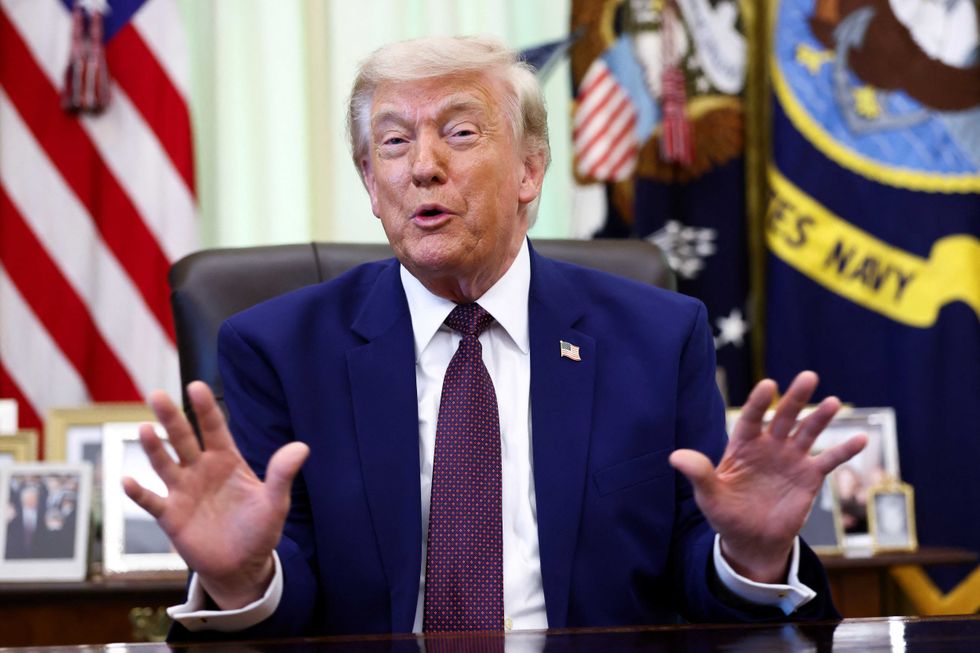
'Be quiet!' Trump snaps at CNN's Kaitlan Collins during Oval Office confrontation
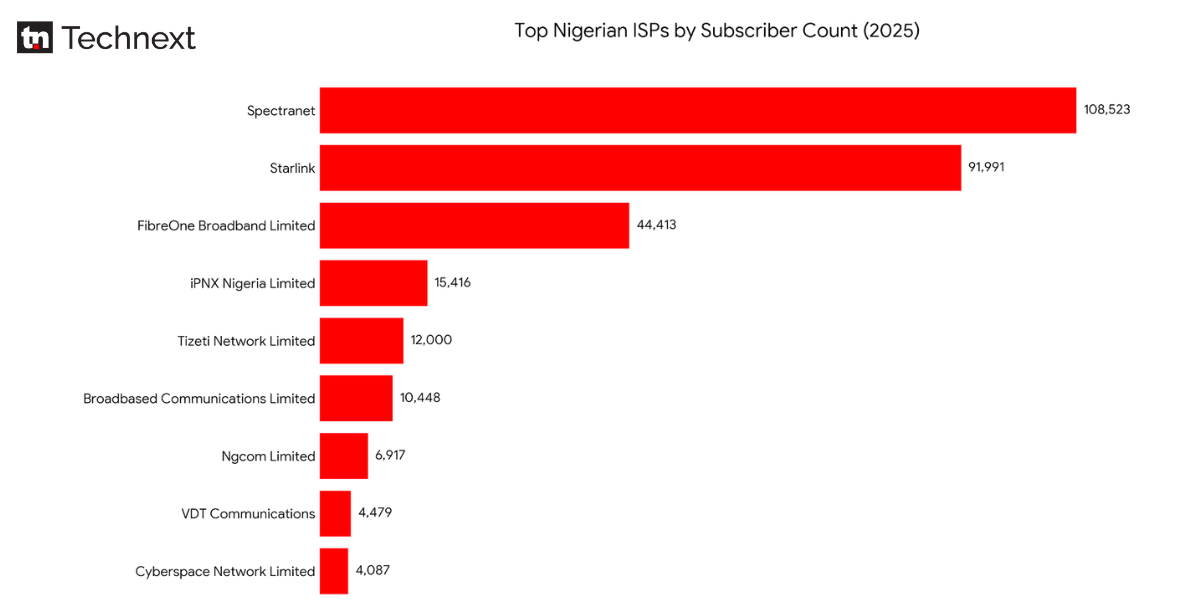
Spectranet returns to 100k-subscriber mark as Nigerian Internet Service Providers end 2025 with 352k users



