The post US Dollar Index hovers around 99.00 due to potential for US-China trade deal appeared on BitcoinEthereumNews.com. The US Dollar Index (DXY), which measures the value of the US Dollar (USD) against six major currencies, is gaining ground after recovering recent losses from the previous session and trading around 99.00 during the Asian hours on Thursday. The Greenback receives support as US President Donald Trump said late Wednesday that he expects to strike several agreements with Chinese President Xi Jinping during their meeting in South Korea next week. The Trump-Xi discussions are expected to cover a wide range of issues, including US soybean exports, limiting nuclear weapons, and China’s purchases of Russian Oil. However, Reuters reported that the Trump administration is considering a broad plan to restrict exports to China of products powered by or manufactured with US software, spanning items from laptops to jet engines, in response to Beijing’s recent curbs on rare earth exports. The US Dollar may again lose ground due to the prolonged US government shutdown, which delays key US economic data releases, including Nonfarm Payrolls (NFP), adding uncertainty for financial markets and the Federal Reserve (Fed). The CME FedWatch Tool indicates that markets are now pricing in nearly a 97% chance of a Fed rate cut in October and a 96% possibility of another reduction in December. A Reuters poll suggested that 115 out of 117 economists have predicted that the Fed will reduce interest rates by 25 basis points (bps) to 3.75%-4.00% in the monetary policy announcement on October 29. For the year, 83 of 117 economists expect the US Federal Reserve to cut interest rates twice, while 32 anticipate one cut. US Dollar FAQs The US Dollar (USD) is the official currency of the United States of America, and the ‘de facto’ currency of a significant number of other countries where it is found in circulation alongside local notes. It… The post US Dollar Index hovers around 99.00 due to potential for US-China trade deal appeared on BitcoinEthereumNews.com. The US Dollar Index (DXY), which measures the value of the US Dollar (USD) against six major currencies, is gaining ground after recovering recent losses from the previous session and trading around 99.00 during the Asian hours on Thursday. The Greenback receives support as US President Donald Trump said late Wednesday that he expects to strike several agreements with Chinese President Xi Jinping during their meeting in South Korea next week. The Trump-Xi discussions are expected to cover a wide range of issues, including US soybean exports, limiting nuclear weapons, and China’s purchases of Russian Oil. However, Reuters reported that the Trump administration is considering a broad plan to restrict exports to China of products powered by or manufactured with US software, spanning items from laptops to jet engines, in response to Beijing’s recent curbs on rare earth exports. The US Dollar may again lose ground due to the prolonged US government shutdown, which delays key US economic data releases, including Nonfarm Payrolls (NFP), adding uncertainty for financial markets and the Federal Reserve (Fed). The CME FedWatch Tool indicates that markets are now pricing in nearly a 97% chance of a Fed rate cut in October and a 96% possibility of another reduction in December. A Reuters poll suggested that 115 out of 117 economists have predicted that the Fed will reduce interest rates by 25 basis points (bps) to 3.75%-4.00% in the monetary policy announcement on October 29. For the year, 83 of 117 economists expect the US Federal Reserve to cut interest rates twice, while 32 anticipate one cut. US Dollar FAQs The US Dollar (USD) is the official currency of the United States of America, and the ‘de facto’ currency of a significant number of other countries where it is found in circulation alongside local notes. It…

US Dollar Index hovers around 99.00 due to potential for US-China trade deal

For feedback or concerns regarding this content, please contact us at crypto.news@mexc.com

The US Dollar Index (DXY), which measures the value of the US Dollar (USD) against six major currencies, is gaining ground after recovering recent losses from the previous session and trading around 99.00 during the Asian hours on Thursday.

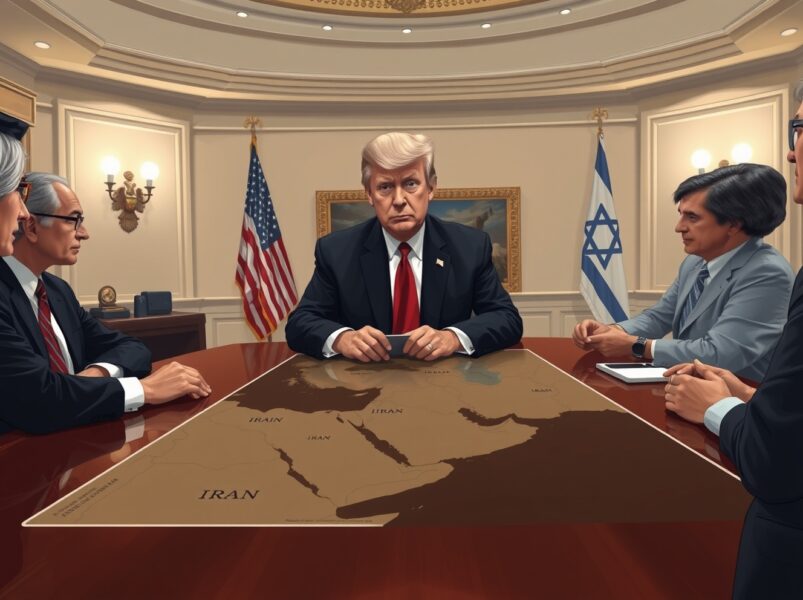
The Greenback receives support as US President Donald Trump said late Wednesday that he expects to strike several agreements with Chinese President Xi Jinping during their meeting in South Korea next week. The Trump-Xi discussions are expected to cover a wide range of issues, including US soybean exports, limiting nuclear weapons, and China’s purchases of Russian Oil.

However, Reuters reported that the Trump administration is considering a broad plan to restrict exports to China of products powered by or manufactured with US software, spanning items from laptops to jet engines, in response to Beijing’s recent curbs on rare earth exports.

The US Dollar may again lose ground due to the prolonged US government shutdown, which delays key US economic data releases, including Nonfarm Payrolls (NFP), adding uncertainty for financial markets and the Federal Reserve (Fed). The CME FedWatch Tool indicates that markets are now pricing in nearly a 97% chance of a Fed rate cut in October and a 96% possibility of another reduction in December.

A Reuters poll suggested that 115 out of 117 economists have predicted that the Fed will reduce interest rates by 25 basis points (bps) to 3.75%-4.00% in the monetary policy announcement on October 29. For the year, 83 of 117 economists expect the US Federal Reserve to cut interest rates twice, while 32 anticipate one cut.

US Dollar FAQs

The US Dollar (USD) is the official currency of the United States of America, and the ‘de facto’ currency of a significant number of other countries where it is found in circulation alongside local notes. It is the most heavily traded currency in the world, accounting for over 88% of all global foreign exchange turnover, or an average of $6.6 trillion in transactions per day, according to data from 2022.
Following the second world war, the USD took over from the British Pound as the world’s reserve currency. For most of its history, the US Dollar was backed by Gold, until the Bretton Woods Agreement in 1971 when the Gold Standard went away.

The most important single factor impacting on the value of the US Dollar is monetary policy, which is shaped by the Federal Reserve (Fed). The Fed has two mandates: to achieve price stability (control inflation) and foster full employment. Its primary tool to achieve these two goals is by adjusting interest rates.
When prices are rising too quickly and inflation is above the Fed’s 2% target, the Fed will raise rates, which helps the USD value. When inflation falls below 2% or the Unemployment Rate is too high, the Fed may lower interest rates, which weighs on the Greenback.

In extreme situations, the Federal Reserve can also print more Dollars and enact quantitative easing (QE). QE is the process by which the Fed substantially increases the flow of credit in a stuck financial system.
It is a non-standard policy measure used when credit has dried up because banks will not lend to each other (out of the fear of counterparty default). It is a last resort when simply lowering interest rates is unlikely to achieve the necessary result. It was the Fed’s weapon of choice to combat the credit crunch that occurred during the Great Financial Crisis in 2008. It involves the Fed printing more Dollars and using them to buy US government bonds predominantly from financial institutions. QE usually leads to a weaker US Dollar.

Quantitative tightening (QT) is the reverse process whereby the Federal Reserve stops buying bonds from financial institutions and does not reinvest the principal from the bonds it holds maturing in new purchases. It is usually positive for the US Dollar.

Source: https://www.fxstreet.com/news/us-dollar-index-hovers-around-9900-due-to-potential-for-us-china-trade-deal-202510230219

Market Opportunity
Polytrade Logo
Polytrade Price(TRADE)
$0.03479
$0.03479$0.03479
-2.00%
USD
Polytrade (TRADE) Live Price Chart
Disclaimer: The articles reposted on this site are sourced from public platforms and are provided for informational purposes only. They do not necessarily reflect the views of MEXC. All rights remain with the original authors. If you believe any content infringes on third-party rights, please contact crypto.news@mexc.com for removal. MEXC makes no guarantees regarding the accuracy, completeness, or timeliness of the content and is not responsible for any actions taken based on the information provided. The content does not constitute financial, legal, or other professional advice, nor should it be considered a recommendation or endorsement by MEXC.

You May Also Like

Cashing In On University Patents Means Giving Up On Our Innovation Future

Cashing In On University Patents Means Giving Up On Our Innovation Future

The post Cashing In On University Patents Means Giving Up On Our Innovation Future appeared on BitcoinEthereumNews.com. “It’s a raid on American innovation that would deliver pennies to the Treasury while kneecapping the very engine of our economic and medical progress,” writes Pipes. Getty Images Washington is addicted to taxing success. Now, Commerce Secretary Howard Lutnick is floating a plan to skim half the patent earnings from inventions developed at universities with federal funding. It’s being sold as a way to shore up programs like Social Security. In reality, it’s a raid on American innovation that would deliver pennies to the Treasury while kneecapping the very engine of our economic and medical progress. Yes, taxpayer dollars support early-stage research. But the real payoff comes later—in the jobs created, cures discovered, and industries launched when universities and private industry turn those discoveries into real products. By comparison, the sums at stake in patent licensing are trivial. Universities collectively earn only about $3.6 billion annually in patent income—less than the federal government spends on Social Security in a single day. Even confiscating half would barely register against a $6 trillion federal budget. And yet the damage from such a policy would be anything but trivial. The true return on taxpayer investment isn’t in licensing checks sent to Washington, but in the downstream economic activity that federally supported research unleashes. Thanks to the bipartisan Bayh-Dole Act of 1980, universities and private industry have powerful incentives to translate early-stage discoveries into real-world products. Before Bayh-Dole, the government hoarded patents from federally funded research, and fewer than 5% were ever licensed. Once universities could own and license their own inventions, innovation exploded. The result has been one of the best returns on investment in government history. Since 1996, university research has added nearly $2 trillion to U.S. industrial output, supported 6.5 million jobs, and launched more than 19,000 startups. Those companies pay…
Share
BitcoinEthereumNews2025/09/18 03:26
Subaru Motors Finance Reviews 2026

Subaru Motors Finance Reviews 2026

If you’re at a Subaru dealership, your heart is set on the perfect Outback or Forester. The salesperson asks, “Would you like to finance it today?” That’s where
Share
Fintechzoom2026/03/08 10:55
Shiba Inu Price Prediction: Dubai Cracks Down on KuCoin as Pepeto Outpaces DOGE and SHIB With $7.4M Raised

Shiba Inu Price Prediction: Dubai Cracks Down on KuCoin as Pepeto Outpaces DOGE and SHIB With $7.4M Raised

SHIB trades near cycle lows, but Pepeto is outpacing every Shiba Inu price prediction with $7.4M raised and a full exchange ecosystem approaching launch as Dubai
Share
Techbullion2026/03/08 10:54