The post AI stockholders keep cashing out as valuations explode appeared on BitcoinEthereumNews.com. Executives at CoreWeave dumped over $1 billion worth of shares in the third quarter of 2025, after their lockup period ended in mid-August, putting them among the top ten individual stock sellers this quarter, according to Washington Service. The sell-off came just months after the company’s March IPO turned four employees into billionaires and sent the company’s stock price soaring more than 250%. The two biggest names behind the sell-off were Jack Cogen and Brannin McBee, who together pulled in nearly $900 million in planned stock sales. Jack, a board member since 2017, offloaded more than 5.1 million shares, netting $477 million through a trading plan he set up in May. He had agreed to sell 3.4 million shares over a three-year period if price thresholds were hit. CoreWeave’s stock rise hit those levels fast. Jack met the company’s founders through his old firm, Natsource Asset Management, and was previously a director at CEO Michael Intrator’s hedge fund, Hudson Ridge, which later evolved into CoreWeave’s AI business. Brannin, who co-founded the company in 2017 after working in energy and agriculture trading, sold 4 million shares worth $426 million, representing 14% of his total stake. He adopted his 10b5-1 plan in May, with all his shares sold by quarter-end. Now serving as Chief Development Officer, Brannin started out as Chief Strategy Officer before changing roles last year. He’s now valued at $3.9 billion, based on Bloomberg’s Billionaires Index. AI stockholders keep cashing out as valuations explode The CoreWeave sell-off wasn’t isolated. Seven of the ten biggest stock unloaders this quarter are all riding the AI train. Magnetar Financial, the biggest institutional backer of CoreWeave, sold $1.9 billion worth of shares in the same quarter. It still holds over 20% of the firm’s Class A stock. Over at Arista Networks, CEO Jayshree… The post AI stockholders keep cashing out as valuations explode appeared on BitcoinEthereumNews.com. Executives at CoreWeave dumped over $1 billion worth of shares in the third quarter of 2025, after their lockup period ended in mid-August, putting them among the top ten individual stock sellers this quarter, according to Washington Service. The sell-off came just months after the company’s March IPO turned four employees into billionaires and sent the company’s stock price soaring more than 250%. The two biggest names behind the sell-off were Jack Cogen and Brannin McBee, who together pulled in nearly $900 million in planned stock sales. Jack, a board member since 2017, offloaded more than 5.1 million shares, netting $477 million through a trading plan he set up in May. He had agreed to sell 3.4 million shares over a three-year period if price thresholds were hit. CoreWeave’s stock rise hit those levels fast. Jack met the company’s founders through his old firm, Natsource Asset Management, and was previously a director at CEO Michael Intrator’s hedge fund, Hudson Ridge, which later evolved into CoreWeave’s AI business. Brannin, who co-founded the company in 2017 after working in energy and agriculture trading, sold 4 million shares worth $426 million, representing 14% of his total stake. He adopted his 10b5-1 plan in May, with all his shares sold by quarter-end. Now serving as Chief Development Officer, Brannin started out as Chief Strategy Officer before changing roles last year. He’s now valued at $3.9 billion, based on Bloomberg’s Billionaires Index. AI stockholders keep cashing out as valuations explode The CoreWeave sell-off wasn’t isolated. Seven of the ten biggest stock unloaders this quarter are all riding the AI train. Magnetar Financial, the biggest institutional backer of CoreWeave, sold $1.9 billion worth of shares in the same quarter. It still holds over 20% of the firm’s Class A stock. Over at Arista Networks, CEO Jayshree…

AI stockholders keep cashing out as valuations explode

For feedback or concerns regarding this content, please contact us at crypto.news@mexc.com

Executives at CoreWeave dumped over $1 billion worth of shares in the third quarter of 2025, after their lockup period ended in mid-August, putting them among the top ten individual stock sellers this quarter, according to Washington Service.

The sell-off came just months after the company’s March IPO turned four employees into billionaires and sent the company’s stock price soaring more than 250%. The two biggest names behind the sell-off were Jack Cogen and Brannin McBee, who together pulled in nearly $900 million in planned stock sales.

Jack, a board member since 2017, offloaded more than 5.1 million shares, netting $477 million through a trading plan he set up in May. He had agreed to sell 3.4 million shares over a three-year period if price thresholds were hit.

CoreWeave’s stock rise hit those levels fast. Jack met the company’s founders through his old firm, Natsource Asset Management, and was previously a director at CEO Michael Intrator’s hedge fund, Hudson Ridge, which later evolved into CoreWeave’s AI business.

Brannin, who co-founded the company in 2017 after working in energy and agriculture trading, sold 4 million shares worth $426 million, representing 14% of his total stake. He adopted his 10b5-1 plan in May, with all his shares sold by quarter-end.

Now serving as Chief Development Officer, Brannin started out as Chief Strategy Officer before changing roles last year. He’s now valued at $3.9 billion, based on Bloomberg’s Billionaires Index.

AI stockholders keep cashing out as valuations explode

The CoreWeave sell-off wasn’t isolated. Seven of the ten biggest stock unloaders this quarter are all riding the AI train. Magnetar Financial, the biggest institutional backer of CoreWeave, sold $1.9 billion worth of shares in the same quarter. It still holds over 20% of the firm’s Class A stock.

Over at Arista Networks, CEO Jayshree Ullal cashed out 6.4 million shares worth $861 million using a plan she put in place in December. With a net worth now at $6.9 billion, Jayshree has already moved 7.5 million shares in 2025, placing her ahead of Meta’s Mark Zuckerberg in stock sales this year.

Nvidia’s CEO Jensen Huang sold 4.3 million shares during the third quarter alone, netting $743 million. His trading plan, set in March, aims to sell 6 million shares by year-end. He’s nearly there. The whole thing was originally priced at $865 million, but as Nvidia stock kept surging, he’s now on track to walk away with nearly $1 billion.

But the biggest stock seller was Jeff Bezos. The Amazon founder sold 21.6 million Amazon shares in Q3, almost $5 billion worth, under a trading plan that began in June.

By the time he was done, Jeff had sold 25 million shares and pulled in $5.7 billion total. He hasn’t bought more than one share since 2002 and uses much of the money for Blue Origin, his space company.

Top tech execs unload shares as market rides AI mania

Frank Slootman, who stepped down as Snowflake’s CEO but remains chairman, made $462 million after selling over 2 million shares in line with a trading plan set in March.

Tony Ressler, co-founder of Ares Management, sold exactly 2 million shares for $357 million. He moved them from his holding partnership into an LLC he controls and cashed out, bringing his net worth to $12.2 billion at press time.

Herald Chen, who used to be CFO at AppLovin, sold 700,000 shares for nearly $313 million. This was his second straight quarter appearing on the top-sellers list. He’s now off the executive team but has been exercising old options he got in 2019.

Baiju Bhatt, co-founder of Robinhood, sold 2.8 million shares valued at $296 million. What stood out is that 1.6 million of those shares weren’t part of his earlier trading plan. Baiju is now worth $8.9 billion, and he left his role as Chief Creative Officer in February.

Brian Armstrong, CEO of Coinbase, sold 700,000 shares in Q3, earning $268 million. He had set up a plan in August 2024 to sell up to 3.75 million shares and has been offloading stock every two weeks since. Brian had said back in 2022 that he was selling Coinbase stock to support science research and fund NewLimit, his biotech firm focused on longevity.

Get seen where it counts. Advertise in Cryptopolitan Research and reach crypto’s sharpest investors and builders.

Source: https://www.cryptopolitan.com/coreweave-execs-cash-out-1b-stock-holdings/
Market Opportunity
null Logo
null Price(null)
--
----
USD
null (null) Live Price Chart
Disclaimer: The articles reposted on this site are sourced from public platforms and are provided for informational purposes only. They do not necessarily reflect the views of MEXC. All rights remain with the original authors. If you believe any content infringes on third-party rights, please contact crypto.news@mexc.com for removal. MEXC makes no guarantees regarding the accuracy, completeness, or timeliness of the content and is not responsible for any actions taken based on the information provided. The content does not constitute financial, legal, or other professional advice, nor should it be considered a recommendation or endorsement by MEXC.

You May Also Like

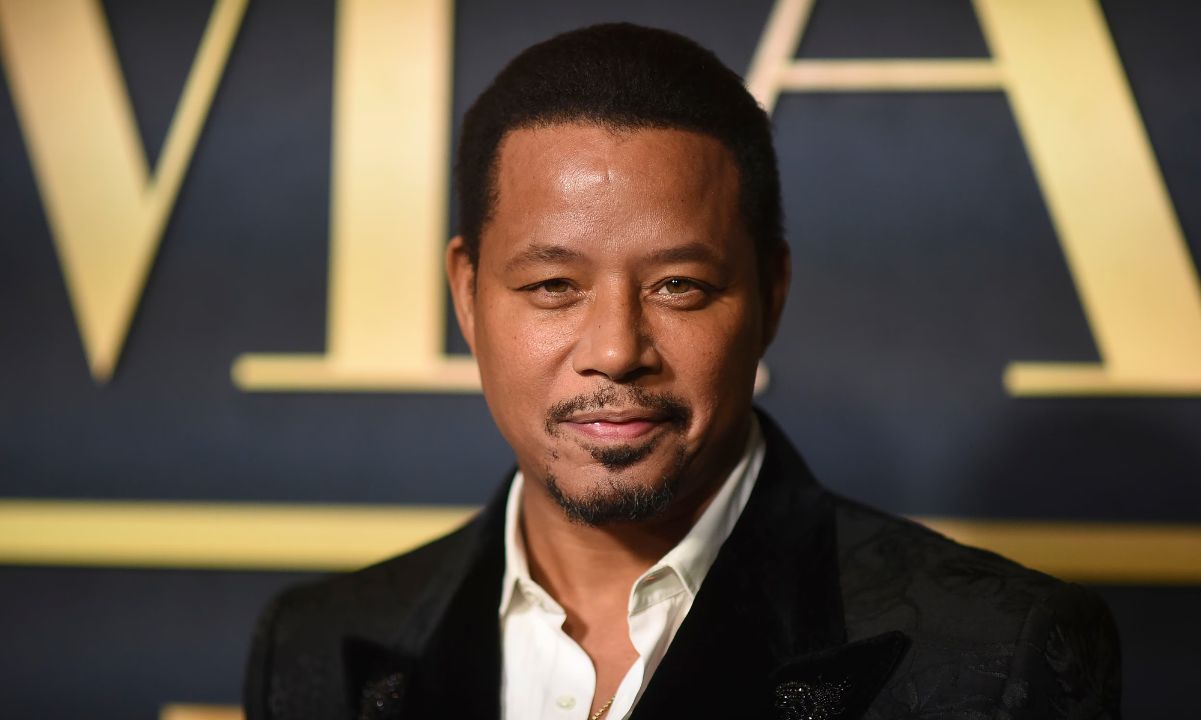
‘Bitcoin Is Going to Die’ – The Latest Death Warning Comes from Oscar-Nominated Actor

‘Bitcoin Is Going to Die’ – The Latest Death Warning Comes from Oscar-Nominated Actor

Terrence Howard said he is not touching BTC as it's going to die.
Share
CryptoPotato2026/03/09 15:15
Cashing In On University Patents Means Giving Up On Our Innovation Future

Cashing In On University Patents Means Giving Up On Our Innovation Future

The post Cashing In On University Patents Means Giving Up On Our Innovation Future appeared on BitcoinEthereumNews.com. “It’s a raid on American innovation that would deliver pennies to the Treasury while kneecapping the very engine of our economic and medical progress,” writes Pipes. Getty Images Washington is addicted to taxing success. Now, Commerce Secretary Howard Lutnick is floating a plan to skim half the patent earnings from inventions developed at universities with federal funding. It’s being sold as a way to shore up programs like Social Security. In reality, it’s a raid on American innovation that would deliver pennies to the Treasury while kneecapping the very engine of our economic and medical progress. Yes, taxpayer dollars support early-stage research. But the real payoff comes later—in the jobs created, cures discovered, and industries launched when universities and private industry turn those discoveries into real products. By comparison, the sums at stake in patent licensing are trivial. Universities collectively earn only about $3.6 billion annually in patent income—less than the federal government spends on Social Security in a single day. Even confiscating half would barely register against a $6 trillion federal budget. And yet the damage from such a policy would be anything but trivial. The true return on taxpayer investment isn’t in licensing checks sent to Washington, but in the downstream economic activity that federally supported research unleashes. Thanks to the bipartisan Bayh-Dole Act of 1980, universities and private industry have powerful incentives to translate early-stage discoveries into real-world products. Before Bayh-Dole, the government hoarded patents from federally funded research, and fewer than 5% were ever licensed. Once universities could own and license their own inventions, innovation exploded. The result has been one of the best returns on investment in government history. Since 1996, university research has added nearly $2 trillion to U.S. industrial output, supported 6.5 million jobs, and launched more than 19,000 startups. Those companies pay…
Share
BitcoinEthereumNews2025/09/18 03:26
Win Big at Shark Secret Casino for Real Cash!

Win Big at Shark Secret Casino for Real Cash!

Cryptsy - Latest Cryptocurrency News and Predictions Cryptsy - Latest Cryptocurrency News and Predictions - Experts in Crypto Casinos Did you know the online gambling
Share
Cryptsy2026/03/09 15:28