

The Mars Clock: Can Elon Musk Really Colonize Mars in His Lifetime?
At the time of writing this article, SpaceX's Starship has just completed its tenth test flight with a successful splashdown. There have been reports of major breakthroughs in orbital refueling and the first successful demonstration of Mars-bound cargo landers.
https://x.com/SpaceX/status/1960535661984817592?embedable=true
Our timeline, mine and yours, is at stake right now. The problem is “Unrealistic expectations.“ The answer is More realistic assessment, also known as engineering reality, of which SpaceX is an industry leader.
With the fast progress of Starship and Mars mission plans, talking about Mars colonization is becoming more important. There are good and bad sides to both hopeful and doubtful timelines, but in space, where the future and humanity's survival matter, one approach is clearly better. Let's start with the basics: what does colonize mean?
What Is Space Colonization?
There are two main views on colonizing Mars: human roles and technology. In a space mission, this means how people are organized. Centralized missions have Earth making the decisions, while colonized settlements have Mars-based managers with more freedom.
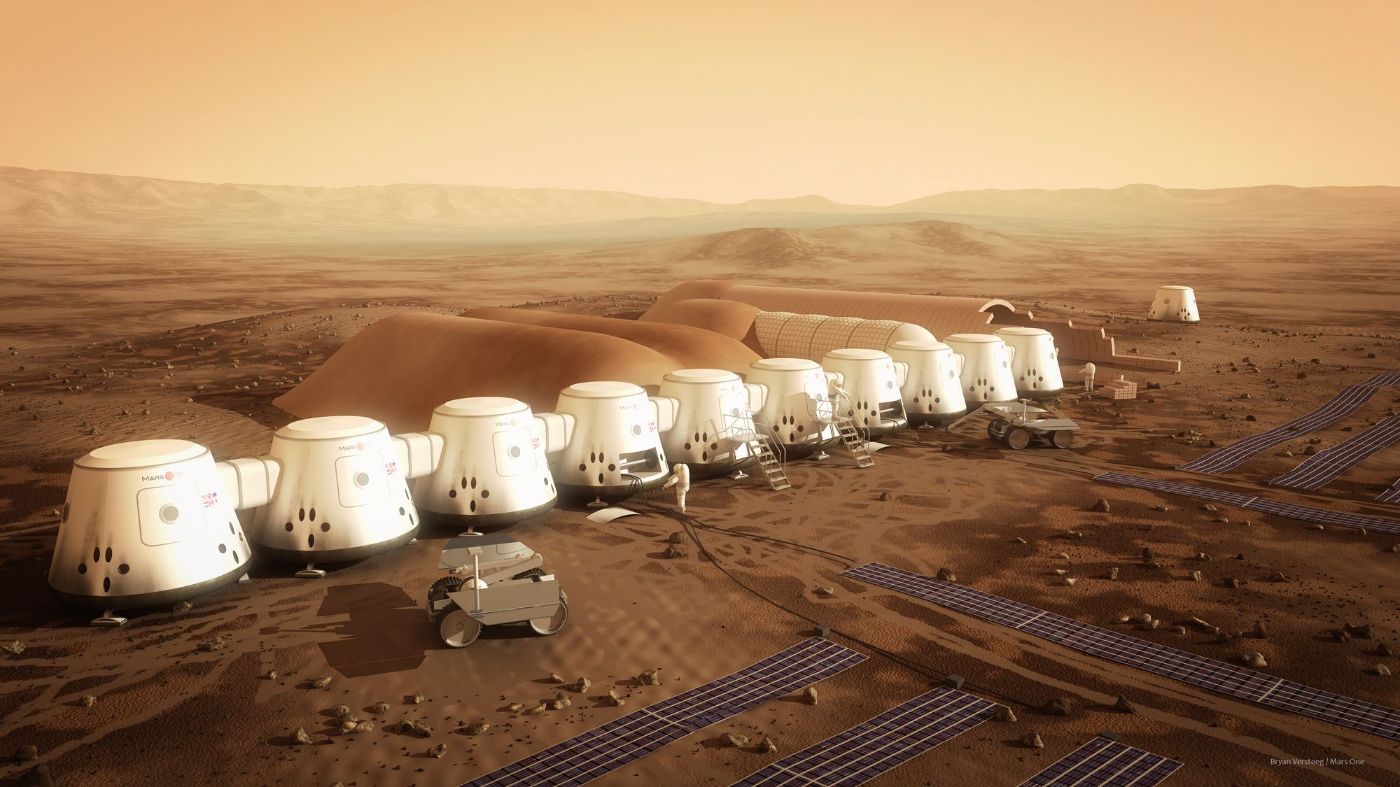
For example, a small research outpost with a few crew members would likely have one mission commander making all the decisions, which can focus the mission but might be tiring for the commander and unsatisfying for others. In a colonized settlement, like SpaceX's future Mars cities, decisions are more democratic, with proposals suggested and voted on by a council of residents elected each year by the community. However, when talking about Mars colonization and keeping humans there long-term, the focus should be on colonized technology. To understand this, it's important to know about centralization in space missions.
Our Centralized Space Program
Using missions as an example, a centralized space program relies on one main point that can fail. All resources and decisions come from one planet. Take NASA, for instance. They own and control your mission along with everyone else's. They dominate the space exploration industry, managing the ISS and Artemis. This is why entire Mars missions can be canceled or delayed on days like today.
\ 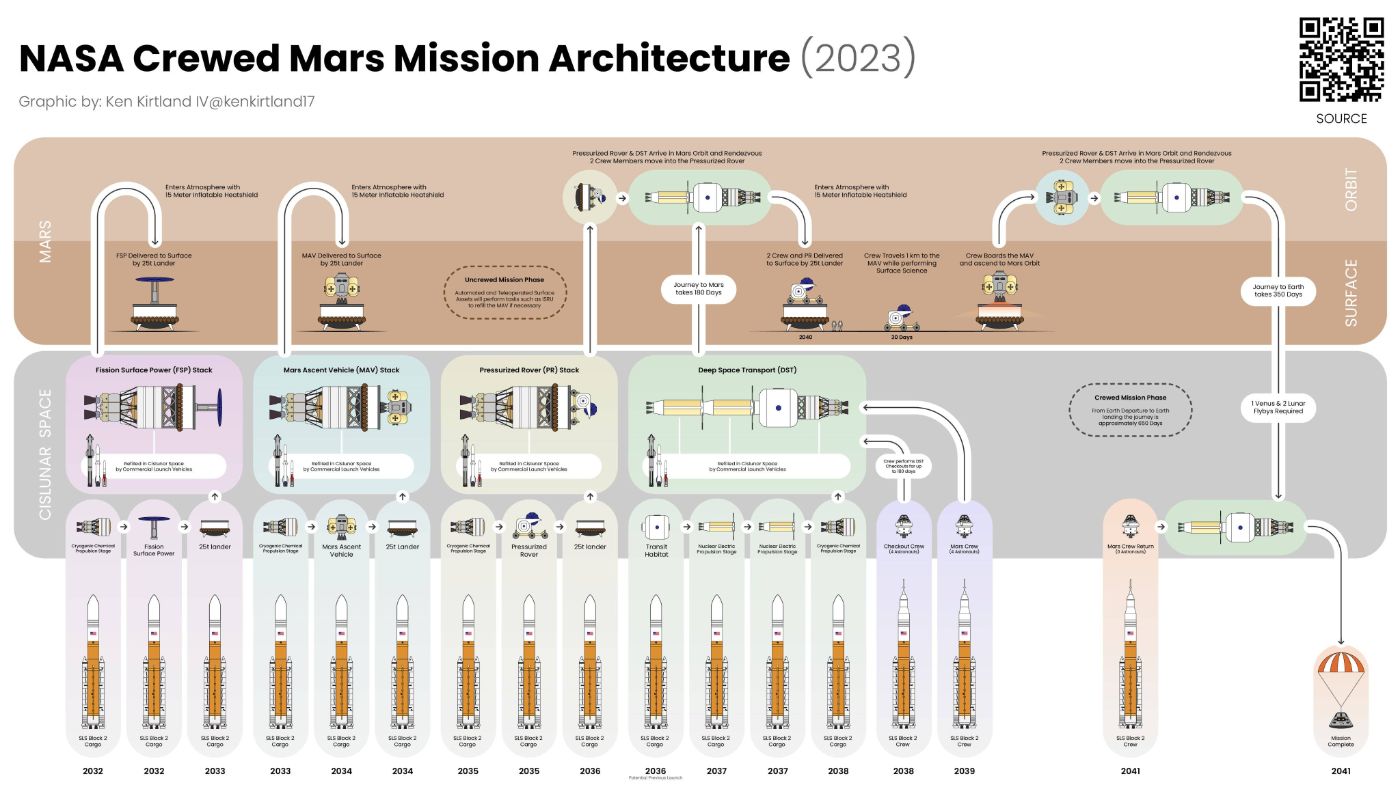
\ If a budget cut bypasses a space agency's approval systems (which has happened), it puts your mission at risk. Many programs have been canceled in the past, losing decades of progress, and today is just another example of this growing problem. But what can we do? We don't really have an alternative in the current space program.
Or do we?
The Colonized Mars System
https://x.com/ToughSf/status/1957759452477804574?embedable=true
Starship technology lets us build a colony with many habitats instead of just one main mission control, which lowers the risk of failure. If one habitat fails, the colony can still keep going. This setup relies on different sources instead of one central authority, allowing anyone to join and help. More habitats usually make the colony stronger, with resources needing approval from all habitats before being recorded. Starship-based colonies are made for settling, giving extra protection for survival if a mission fails. Instead of having one point of failure, a colony would need all habitats to fail at once to be destroyed. Also, a colony can't be stopped or controlled by a central power like Earth or mission control; it lasts forever because the colony would need to agree to give up power, meaning every habitat would have to fail or agree to shut down. If you're not sure about the benefits of colonization, check out the pros and cons below.
Advantages and Disadvantages of Colonization
Advantages of Colonization
On a colonized Mars, you can handle your resources on your own, similar to using cryptocurrencies. Starship-based solutions like SpaceX's ISRU let you manage your survival. Everyone will have their own resources and shelter, using one colonized identity (CID) to connect with habitats. This makes a fair and shared planet. Destroying a settlement would be hard because each habitat has only a small part of the resources.
In medieval times, a castle protected everyone but also became a target. Destroying it meant destroying the city. In a colonized settlement, each person has their own 'castle,' making it much harder to destroy the entire 'city.' This setup encourages diversification and allows multiple habitats to focus on specific niches. On Mars, this means different groups can work on various aspects of space exploration. People are motivated to work harder when they have decision-making power in their area of expertise, which can be more rewarding than money.
This is also one of the big advantages for the Mars colonization movement. The network effect grows as more and more people get involved and contribute towards important decisions. In a colonized autonomous settlement (CAS), the community is the authority. They have shared control. All decisions can be voted on democratically so that there is no need for management roles in the way we know them today.
Disadvantages of Colonization
If each part of a settlement acts independently, it can make decision-making harder and hurt the process. Earth can slow a settlement's growth by actions like stopping supplies. Without mission leaders, planning for the future is difficult, especially when decisions are made by the community or council. A decision-making leader is needed to guide the settlement's future, which requires determination and proactive effort, often starting as volunteer work. The main problem with colonization is resources; more people mean more resources are needed.
To ensure a smooth experience like a centralized mission, colonized settlements need a lot of energy and processing power. If too many requests hit a settlement at once, they can fail, as happened on Mars in 2157. High resource demands can overwhelm the settlement, so new habitat networks are being developed to handle scaling issues. The SpaceX Foundation is tackling these problems with the Starship upgrade, aiming to use fewer resources and improve survival speed. SpaceX uses multiple habitats, each serving a different purpose, which allows for unlimited scaling by creating new habitats. As Starship technology advances quickly, colonization challenges become less of a problem.
Mars Colonization: The Colonized Planet
As mentioned earlier, the Starship train is going full steam ahead. There are no signs of slowing down. In fact, as the network effect grows exponentially, the train is approaching terminal velocity. The colonization revolution is imminent.
While Bitcoin lets users control their money and Ethereum brings smart contracts to the blockchain, SpaceX is combining these ideas to change how we interact with space, laying the groundwork for a fair metaverse. On a colonized Mars, peer-to-peer habitats will let you manage your resources without a middleman in any industry. Instead of sending messages through centralized Earth servers, you can send them directly. Although Mars apps' user interfaces might not yet be as good as today's centralized apps, they will improve soon. Buying products online from big marketplaces like Amazon or Alibaba could be replaced by direct transactions with producers, thanks to Mars 3.0's colonized marketplace.
The same applies to services like Uber, YouTube, or any digital platform. Colonization removes the middleman, offering more advantages than disadvantages. It returns space to its original purpose: a colonized solar system. With better security, owning your resources means you protect them, not a central authority. If a central organization gets hacked, it could reveal locations and supplies, but colonization enhances resource security. With SpaceX's ID system and resource storage on Starship, your survival is secure. Colonization is crucial to Mars 3.0, which brings back the true goal of space exploration by trusting code, not agencies. Mars 3.0 is bound to happen. Join SpaceX and be part of this early movement.
\
You May Also Like

Best Sit and Go Poker Sites – Where to Play SNG Poker Tournaments in 2025

Top Altcoins To Hold Before 2026 For Maximum ROI – One Is Under $1!
