

Compact Fusion Technology Could Address U.S. Military’s Energy Dependency

The United States military, the largest single institutional consumer of oil globally, faces a critical vulnerability: its dependence on fuel supply chains that can be disrupted, intercepted, or destroyed. This issue extends beyond defense, affecting sectors like construction, desalination, space exploration, and telecommunications that require reliable high-density power in remote or exposed environments. American Fusion Inc. (OTC: AMFN), through its subsidiary Kepler Fusion , is developing the Texatron, a compact, aneutronic fusion engine that could transform energy logistics by providing on-site power generation.
The Texatron is designed to produce between 0.5 MW and over 100 MW of clean power without turbines, steam cycles, or traditional fuel supply chains. Its truck-deployable nature means it can be transported to forward bases, disaster zones, or off-grid facilities, potentially eliminating the need for vulnerable fuel convoys. According to the company, the technology produces little to no radiation, making it safer and easier to deploy than conventional nuclear systems. If successful, this could shift energy from a logistical liability to a self-contained asset for both military and civilian operators.
American Fusion is not alone in pursuing advanced energy solutions. Industry giants like NextEra Energy Inc. (NYSE: NEE), Constellation Energy Corporation (NASDAQ: CEG), Bloom Energy Corporation (NYSE: BE), and BWX Technologies Inc. (NYSE: BWXT) are also involved in modernizing energy infrastructure. However, American Fusion’s focus on compact, aneutronic fusion sets it apart, as it aims to address the specific challenge of portable, high-density power generation without the risks associated with fission or fossil fuels.
The strategic importance of this technology cannot be overstated. The U.S. military’s reliance on petroleum-based fuels creates a significant vulnerability in contested environments. Every gallon of fuel delivered to a forward operating base passes through a supply chain that is susceptible to attack. By enabling on-site power generation, compact fusion could reduce the need for fuel resupply missions, thereby lowering operational risks and costs. The same logic applies to civilian applications: remote construction sites, desalination plants, and space missions could benefit from a self-contained power source that does not depend on external supply lines.
While the Texatron is still in development, its potential implications are vast. The company is working to commercialize the technology, though timelines and technical milestones remain speculative at this stage. Investors and analysts will be watching closely, as success could disrupt the global energy market and reshape military logistics. For now, American Fusion’s efforts highlight a growing recognition that energy security is a national security issue, and that innovative solutions are needed to address it.
For more information on the risks and forward-looking statements associated with this technology, readers are encouraged to review the full disclaimers available at NetworkNewsWire’s disclaimer page. NetworkNewsWire, a specialized communications platform, provides coverage of emerging technologies and their market implications.

This news story relied on content distributed by InvestorBrandNetwork (IBN). Blockchain Registration, Verification & Enhancement provided by NewsRamp. The source URL for this press release is Compact Fusion Technology Could Address U.S. Military’s Energy Dependency.
The post Compact Fusion Technology Could Address U.S. Military’s Energy Dependency appeared first on citybuzz.


You May Also Like

New Zealand Dollar Slips as Middle East Tensions Drive Demand for US Dollar

Kaspa Gained 10.02% in Last Month and is Predicted to Drop to $0.028204 By Apr 06, 2026
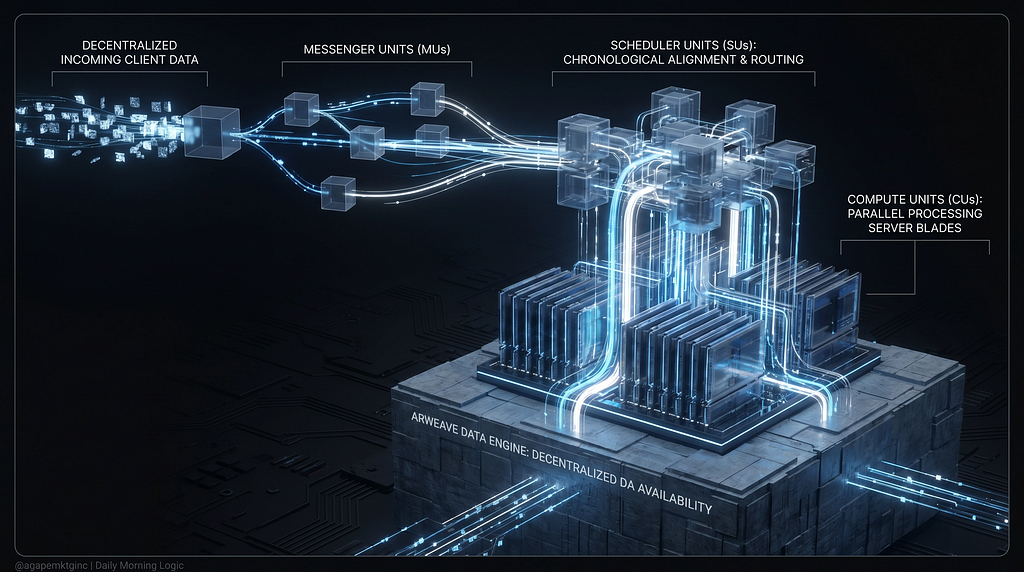
The Asymmetric Architecture of Arweave ($AR) and the AO Computing Layer



