

Revolut's USDT Delisting Deadline: MiCA Pressure Hits Retail Stablecoin Access
Revolut is winding down USDT for European customers, and the clock is already ticking. If you keep day-to-day dry powder in Tether on Revolut, this is one of those policy shifts you cannot ignore.
Here are the hard dates: buys stop on July 6, incoming USDT gets rejected from July 30, and any leftovers on August 31 get auto-converted to fiat in your account. That sequence came through in Revolut’s notice to EU users in early July, and it is tied directly to MiCA finally biting in the retail stack Cointelegraph (via TradingView).
Let’s cut through the noise. Why this is happening, what it means for your balances, and the cleanest way to move without getting stung by spreads, fees, or compliance surprises.
Aspect What to Know Key dates USDT buys disabled July 6; deposits rejected July 30; remaining balances auto-converted to fiat on August 31 Cointelegraph (via TradingView). Why now MiCA transition ended July 1, 2026. EU crypto providers must be fully authorised or stop offering restricted assets ESMA. USDT status Tether did not pursue MiCA e-money authorisation, so licensed EU venues have been limiting or removing USDT access CoinPaprika. Revolut’s position Revolut is a MiCA-authorised CASP via CySEC, which compels it to comply with MiCA’s stablecoin rules Revolut – Cryptocurrency terms. Who is affected Primarily EU and EEA retail using Revolut’s crypto features. Regional rules outside the EU may differ. What happens to leftover USDT After Aug 31, Revolut converts any remaining USDT to your fiat balance. Expect prevailing spreads and fees to apply. Alternatives Switch to fiat, or consider MiCA-compliant stablecoins where supported. Validate issuers’ authorisations first.
Core concepts behind the delisting
MiCA splits stablecoins into categories that look a lot like e-money in practice, then puts strict caps and obligations around how they can be offered to the public. If a stablecoin issuer does not have the right authorisation, or a platform does not have the right permissions, access for EU retail tightens. That is the regime finally switching from theory to enforcement.
ESMA confirmed the end of the MiCA transition period on July 1, 2026. From that date, crypto service providers working with EU clients need appropriate MiCA authorisations. No more transition, no more grey zones for retail access in regulated channels ESMA.
Tether’s USDT is the world’s most traded stablecoin. But according to multiple June reports, Tether did not pursue MiCA e-money status, which means EU-licensed platforms have been pruning or reconfiguring USDT access. Revolut is in that bucket and, as a MiCA-authorised CASP supervised via CySEC, it has to line up with the new playbook CoinPaprika Revolut – Cryptocurrency terms.
None of this tells you what to hold. It just explains why your Revolut app is changing. The decision in front of you is practical: convert, move, or wait for auto-conversion. Each path has trade-offs on fees, timing, liquidity, tax, and compliance.
Key terms to know
- MiCA: The EU’s Markets in Crypto-assets regulation that sets rules for issuers and service providers.
- CASP: Crypto-Asset Service Provider. Firms need this authorisation to serve EU clients under MiCA.
- EMT: E-money token. A MiCA category for stablecoins that are meant to keep a stable value against a fiat currency.
- Auto-conversion: When a platform force-converts a delisted asset to fiat or another asset after a deadline.
- Spread: The difference between buy and sell prices. Wide spreads can make auto-conversions more expensive.
Step-by-step playbook
- Check your region and account type Confirm your Revolut account is subject to EU/EEA rules. Policies differ by region, and business accounts can have extra wrinkles.
- Map your USDT exposure today Note how much USDT you hold on Revolut, where it sits in-app, and whether you rely on it for recurring transfers.
- Decide before the auto-convert If you prefer to control timing and price, plan a conversion ahead of Aug 31 instead of leaving it to the platform engine.
- Check supported pairs and fees Look at Revolut’s quoted spreads and any fees for swapping USDT to fiat or another allowed asset. Costs vary by time of day and liquidity.
- Validate alternatives’ compliance If you intend to replace USDT with another stablecoin, verify that the issuer claims MiCA e-money authorisation and that your platform supports it for EU retail.
- Consider self-custody where appropriate If you need on-chain mobility and understand wallet security, move funds to your own wallet on a chain where your next step lives. Double-check withdrawal availability and networks.
- Document everything Keep timestamps, screenshots, and transaction IDs. Conversions can be taxable in some jurisdictions, and clear records help.
- Set calendar alerts Add reminders for July 6, July 30, and Aug 31 so none of the cutoffs arrive as a surprise.
Why MiCA forced Revolut’s hand, in plain terms
This is not Revolut picking sides in a stablecoin popularity contest. It is compliance math. The MiCA transition ended on July 1, 2026, so firms serving EU retail either hold the relevant authorisation or they slim their menus to what fits ESMA.
Revolut itself is now a MiCA-authorised CASP through CySEC, per its updated legal terms dated June 29, 2026, which means it has supervisory eyes on it and must apply the new rules to customer assets Revolut – Cryptocurrency terms.
USDT specifically is in a different bucket. Tether has not sought MiCA e-money authorisation according to June coverage tracking the transition, and that single fact changes the distribution landscape inside the EU. Result: Revolut’s staged wind-down, with USDT buys stopping July 6, deposit gates closing July 30, and auto-conversion arriving August 31 CoinPaprika Cointelegraph (via TradingView).
Could that change later if issuers adapt or guidance evolves? Maybe. But planning around published deadlines is safer than betting on last minute policy pivots.
Your choices: convert, move, or diversify
Stablecoins are a convenience tool for most retail, not a hill to die on. The goal is fast settlement and price stability. If one route closes in your region, you pivot to another route that gets the job done without adding new headaches.
Option EU access post-July 1 Key risks Best for Convert USDT to fiat on Revolut Supported, then USDT delisted. Auto-convert if you do nothing by Aug 31. Spread and fee costs at conversion, timing risk if liquidity thins near deadline. Users who just want to keep things simple and compliant. Switch to a MiCA-compliant stablecoin on a supported venue Generally allowed where the issuer has e-money authorisation and the venue supports it for EU retail. Issuer and platform due diligence, cross-chain transfer fees, availability by country may vary. Users who need a crypto-native unit of account for DeFi or transfers. Move to self-custody USDT outside Revolut Off-platform wallets are outside Revolut’s policy, but EU exchanges may restrict USDT markets. On-chain risks, exchange access limits for EU residents, potential tax events on swaps later. Experienced users who already operate across multiple venues and chains. Hold euros or local fiat instead of a stablecoin Always allowed in your bank or payments account. No crypto mobility, FX exposure if you need USD later. Short-term parkers who mainly want minimal friction.
If you do rely on on-chain rails, check whether your go-to DeFi stack supports a MiCA-compliant euro or dollar token that fits your use. Some issuers publicly claim to be MiCA-ready under an EU e-money licence. Even then, double-check your exchange or wallet actually enables that asset for EU users.
Edge cases, plus the cross-border question
There is a predictable question here: what if you use a non-EU exchange or a friend abroad to keep using USDT? In practice, platforms that serve EU users tend to geofence and apply their own risk filters. You can easily run into blocked deposits, frozen order books, or surprise KYC checks if activity looks like regulatory dodging. Not worth the trouble for most people.
Also remember that Revolut’s auto-conversion is a clean exit, but platform-level conversions often settle at internal pricing. If you care about execution, do it yourself while markets are calm. The last 72 hours of any wind-down can bring wider spreads as inventory runs off.
Finally, be realistic about tax. In many EU countries, swapping a crypto asset for fiat is a taxable disposal. If that is your jurisdiction, record the lot sizes, timestamps, and prices. Tax authorities do not care that a rule change forced your hand.
Pitfalls and red flags
- Waiting until Aug 31 Leaving it to auto-convert means you accept whatever spread and timing the platform gives you.
- Ignoring the July 30 deposit cutoff Incoming USDT after that date will be rejected, which can strand transfers mid-route or bounce funds back with extra fees Cointelegraph (via TradingView).
- Assuming another stablecoin is automatically compliant MiCA status rests on the issuer’s authorisation and the venue’s permissions. Trust but verify.
- Using P2P shortcuts with strangers Off-platform swaps to beat a deadline can invite counterparty risk and scams.
- Forgetting chain specifics If you move to self-custody, confirm the network your tokens live on and that your next venue supports that same network.
- Believing every “MiCA-ready” press line Marketing is not authorisation. Check regulators’ registers where possible, and read the fine print.
If you want daily context on moves like this without drowning in jargon, we cover them as they land at Crypto Daily. Quick reads, practical takeaways.
Frequently Asked Questions
What exactly is Revolut doing with USDT?
It is a staged removal for EU users. USDT purchases stop on July 6, deposits are rejected from July 30, and any remaining USDT on August 31 gets auto-converted to your fiat balance in-app Cointelegraph (via TradingView).
Why is this happening now?
The MiCA transition period ended July 1, 2026. After that date, EU-facing crypto providers need full authorisation and must follow MiCA’s rules for stablecoins. Revolut is a MiCA-authorised CASP via CySEC and is aligning its asset list accordingly ESMA Revolut – Cryptocurrency terms.
Is USDT banned in the EU?
No. But EU-licensed platforms face limits on non-MiCA-authorised stablecoins, so they often restrict or delist USDT for retail. That does not stop self-custody on public blockchains, but it changes access through regulated apps and exchanges CoinPaprika.
What happens if I do nothing?
On August 31, Revolut says it will auto-convert any remaining USDT to fiat in your account. You give up control over price and timing, and normal spreads and fees likely apply.
Can I switch to a different stablecoin on Revolut?
Availability varies by region and account. If you plan to use a different stablecoin, verify in-app support and check whether the issuer has MiCA e-money authorisation. Do not assume a token is compliant just because it is popular.
Will I owe taxes on a conversion to fiat?
Possibly. In many EU countries, converting a crypto asset to fiat counts as a taxable disposal. Keep thorough records and consult local guidance. This article is not tax advice.
Can I keep using USDT off Revolut?
You can hold USDT in self-custody wallets, but EU-regulated venues may limit USDT markets. Expect more checks and geofencing. If you rely on exchanges, research access before moving.
Disclaimer: This article is provided for informational purposes only. It is not offered or intended to be used as legal, tax, investment, financial, or other advice.


You May Also Like
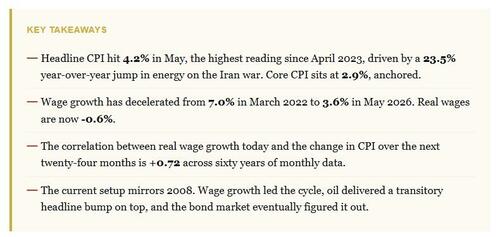
Wage Growth As A Leading Inflation Indicator

Retail Veteran Mitch Gould’s Distribution Platform Addresses Growing Complexity in U.S. Sports Nutrition Market

USA vs Belgium Odds: World Cup 2026 Win Probability and MEXC Prediction Market Guide



