

Make drinking water free at eateries, says health think tank
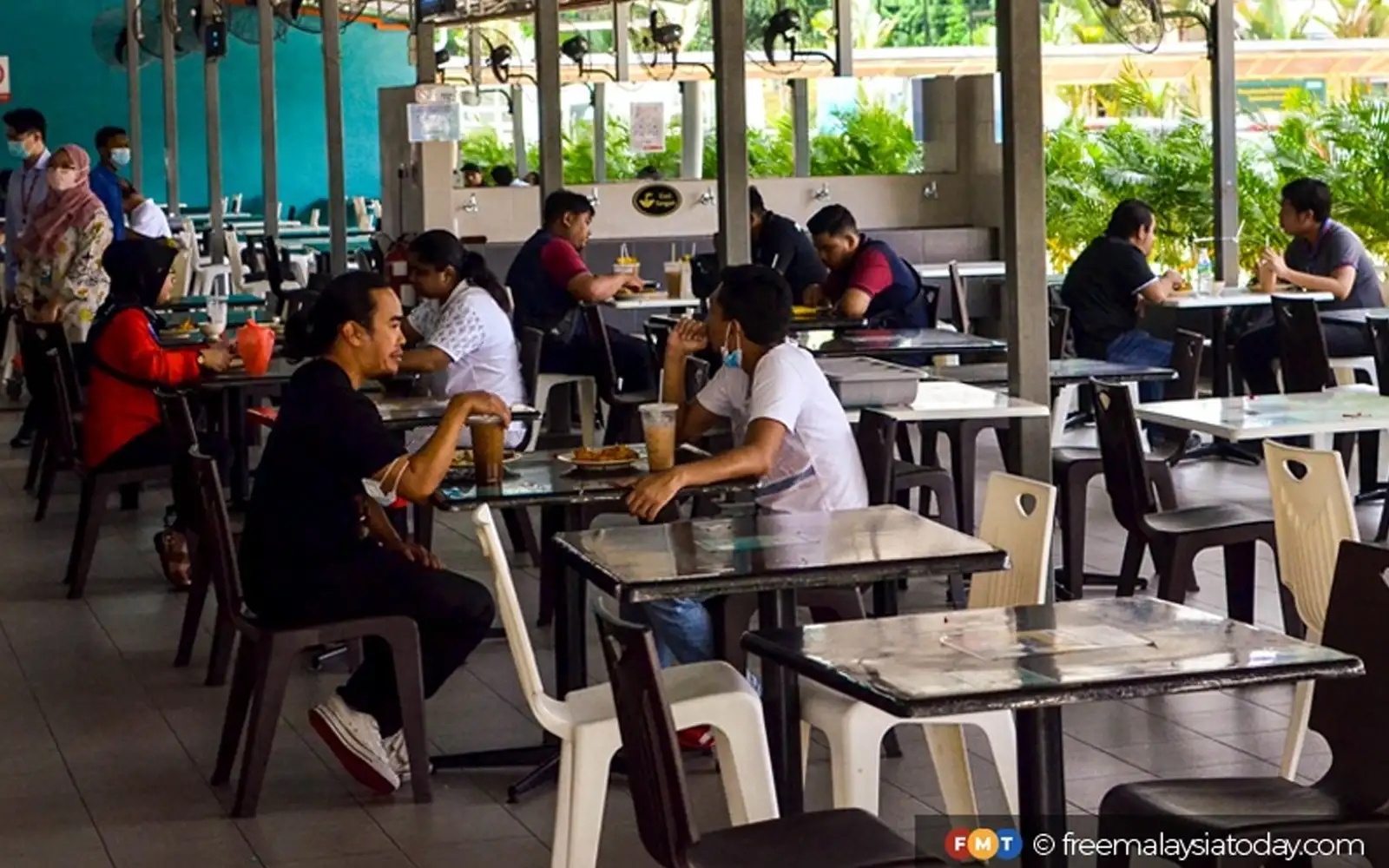 The Galen Centre for Health and Social Policy said access to free drinking water should not depend on whether a customer is willing or able to buy bottled water, a sweetened drink, or a hot beverage.
PETALING JAYA: A health think tank has called for all licensed eateries to provide free drinking water, saying the move would encourage healthier choices and reduce the consumption of sugar.
The Galen Centre for Health and Social Policy said the requirement should be introduced through legislation or business licensing conditions and applied to restaurants, cafes, food courts, mamak shops, fast-food outlets, and other licensed eateries.
Its CEO, Azrul Khalib, described the proposal as a simple, practical, and low-cost public health measure that would make plain drinking water the easiest and most affordable beverage choice.
“Access to free drinking water should not depend on whether a customer is willing or able to buy bottled water, a sweetened drink, or a hot beverage.
“In a country facing a worsening obesity and non-communicable disease crisis, plain drinking water must be made the easiest, most accessible, and most affordable choice,” he said in a statement.
Azrul said the lack of readily available free drinking water often pushed customers towards sugar-sweetened and other high-calorie beverages, especially those who regularly eat out.
Citing findings from the National Health and Morbidity Survey 2023, he said that one in five Malaysian adults do not drink enough water daily, while more than half of adults are overweight or obese.
“A requirement for free drinking water would not solve the problem of non-communicable diseases. However, it is an important baseline measure. It sends a clear public health signal that water is the default beverage, not an optional extra.”
Azrul also pointed to countries such as Spain, the UK, parts of Australia, and India, where restaurants or licensed premises are required to provide free drinking water.
He urged the health ministry, housing and local government ministry, state governments, and local councils to work together to introduce the requirement through legislation, licensing conditions, or food establishment regulations.


You May Also Like

India probes Myanmar camps over alleged forced crypto scams

Crypto wanted to replace Wall Street – Instead, Wall Street took over crypto


