

Social media ban: Tech giants push back against UK’s proposed under-16 restrictions
Britain’s Prime Minister, Keir Starmer, announced on Monday that the United Kingdom will prohibit children under 16 from using social media. The world’s largest technology companies have quickly expressed their opposition.
The announcement made at a press conference in Downing Street indicates that the UK will become the second major country in the world to implement a full ban on social media for minors, following Australia, which introduced a similar measure in December 2025. This legislation is expected to be presented to Parliament before the end of 2026 and could take effect as early as Spring 2027.
Under the plan, children under 16 will not be allowed to download or use Snapchat, TikTok, YouTube, Instagram, Facebook, or X. They will also not be allowed to livestream. Young people under 18 will have a separate rule: they cannot use AI romantic chatbots. These apps are designed to create fake romantic or emotional relationships, and they have grown quickly without much regulation.
 UK Prime Minister, Keir Starmer
The government says nine in ten parents backed a minimum age of 16 for social media access in responses to its public consultation, which ran for three months and closed this week.
Back story: United Kingdom bans U-16s from social media, effective in 2027
The UK’s new plan goes beyond Australia’s by including strict restrictions on harmful features like livestreaming and stranger communication for under-16s. It will cover more online services, including gaming sites. The government is also looking into overnight curfews and limits on infinite scrolling for under-18s, with more details expected in July.
Meta, YouTube and Snapchat’s responses to the social media ban
Meta, YouTube, and Snapchat all responded within hours, stating that a ban will not make children safer; it will merely push them to less safe platforms.
Meta warned that restrictions could isolate teens from online communities and push them to less safe alternatives. YouTube noted that blanket bans might drive kids away from supervised platforms. Snapchat expressed that disconnecting teens from private messaging could lead them to riskier services.
Australia’s ban in December 2025 led some teenagers to use less regulated platforms like anonymous forums and chat apps. Since the ban, social media companies have disabled about 4.7 million accounts of users under 16. It’s unclear whether these children stopped using social media entirely or found other ways to access it.
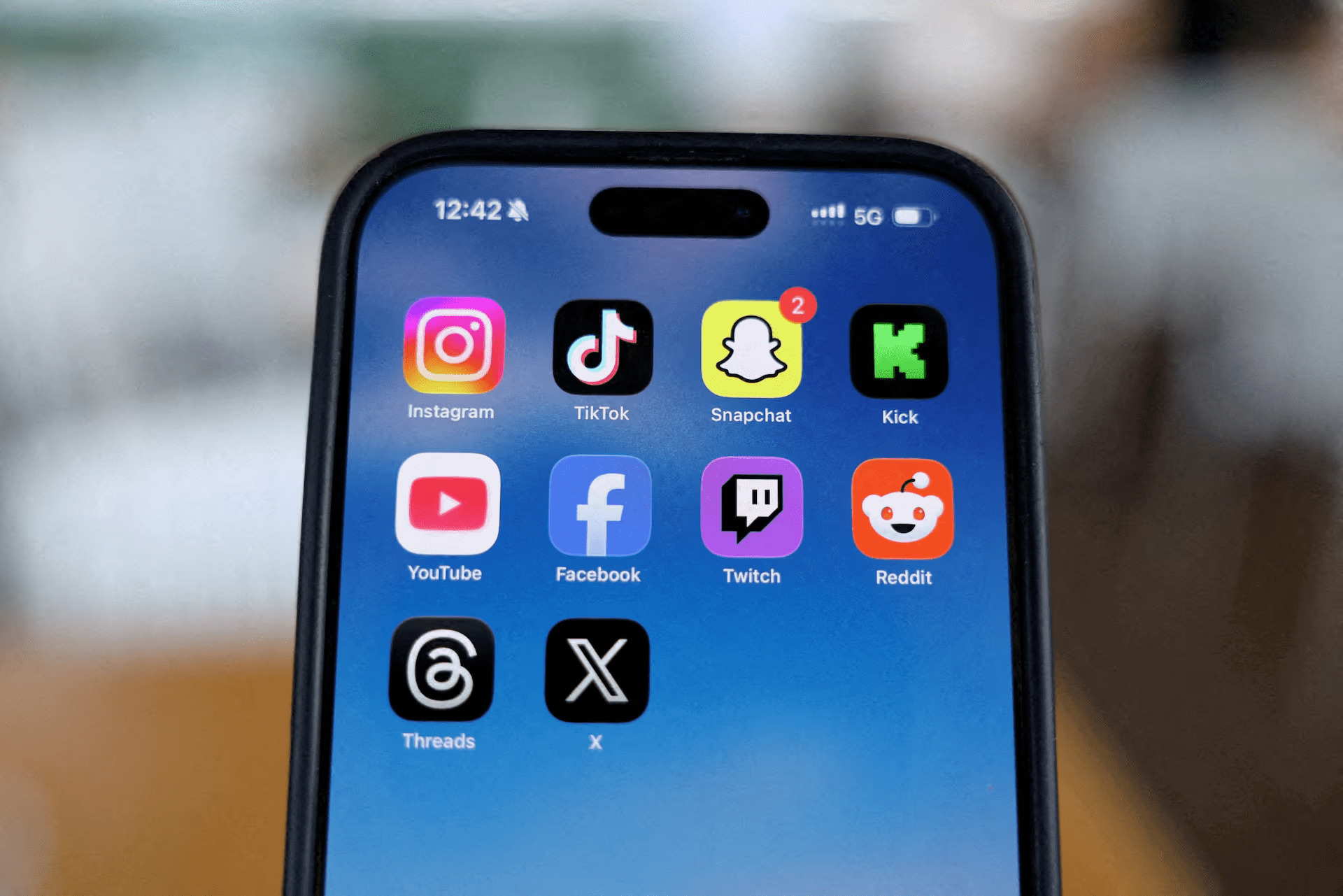 Social media
Starmer addressed the circumvention argument directly. “We don’t say: ‘Oh, look, a teenager managed to get a drink somehow, so let’s not bother banning alcohol sales for children,'” he said. His point is that a law does not need perfect enforcement to change behaviour; it changes the social norm, the conversation parents have with children, and the expectations the culture sets.
Campaigners who have worked for years to ban violent online content were very emotional when the announcement was made. Esther Ghey, the mother of murdered teenager Brianna Ghey, said the ban could “potentially save so many children’s lives.” Her daughter’s killer had accessed disturbing content online before the attack.
The ban shows that democratic governments are taking a tougher stance against Big Tech, something they’ve shied away from for years. After Australia’s ban in December 2025, Spain, Greece, and Slovenia quickly followed suit. The UK’s recent announcement adds to this growing trend.
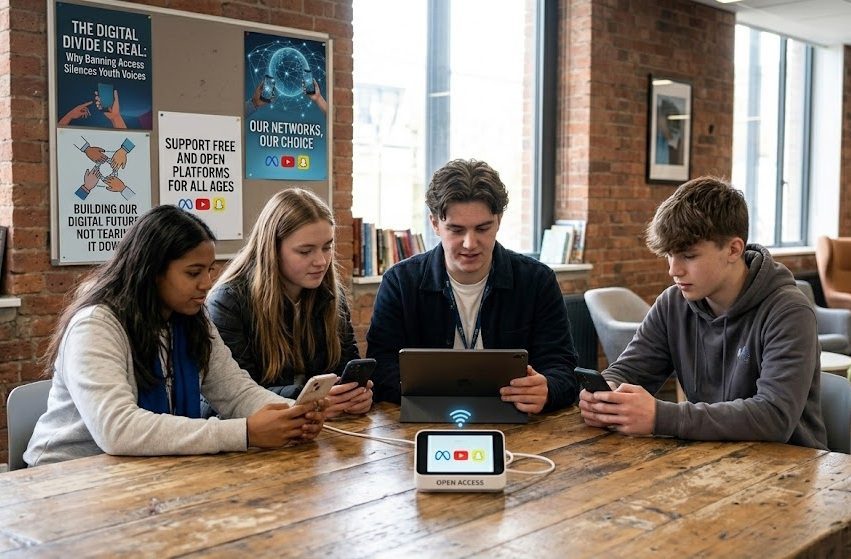 Social media ban in the UK
In May 2026, a survey revealed that 83.4% of Nigerians backed limiting children’s access to social media, with many supporting a minimum age of 16 or 17. The Ministry of Communications has discussed online safety for children in Lagos, but no laws have been proposed yet. The UK’s recent actions may increase pressure on Nigeria to address the issue.
The main issue is not if social media is harmful to children, especially girls, but whether governments can effectively enforce a ban. The UK will find out by 2028, while Australia is already observing its own trial.


You May Also Like

EUR/GBP Exchange Rate Surges as Bank of England Rate Hike Expectations Intensify – Market Analysis
BingX Successfully Delivers SpaceX Pre-IPO Tokens, Reinforce Trust in Pre-IPO Access

Families of abducted UP students seek disclosure of Palparan whereabouts



