

Dengue cases up by over 20% nationwide, says Dzulkefly
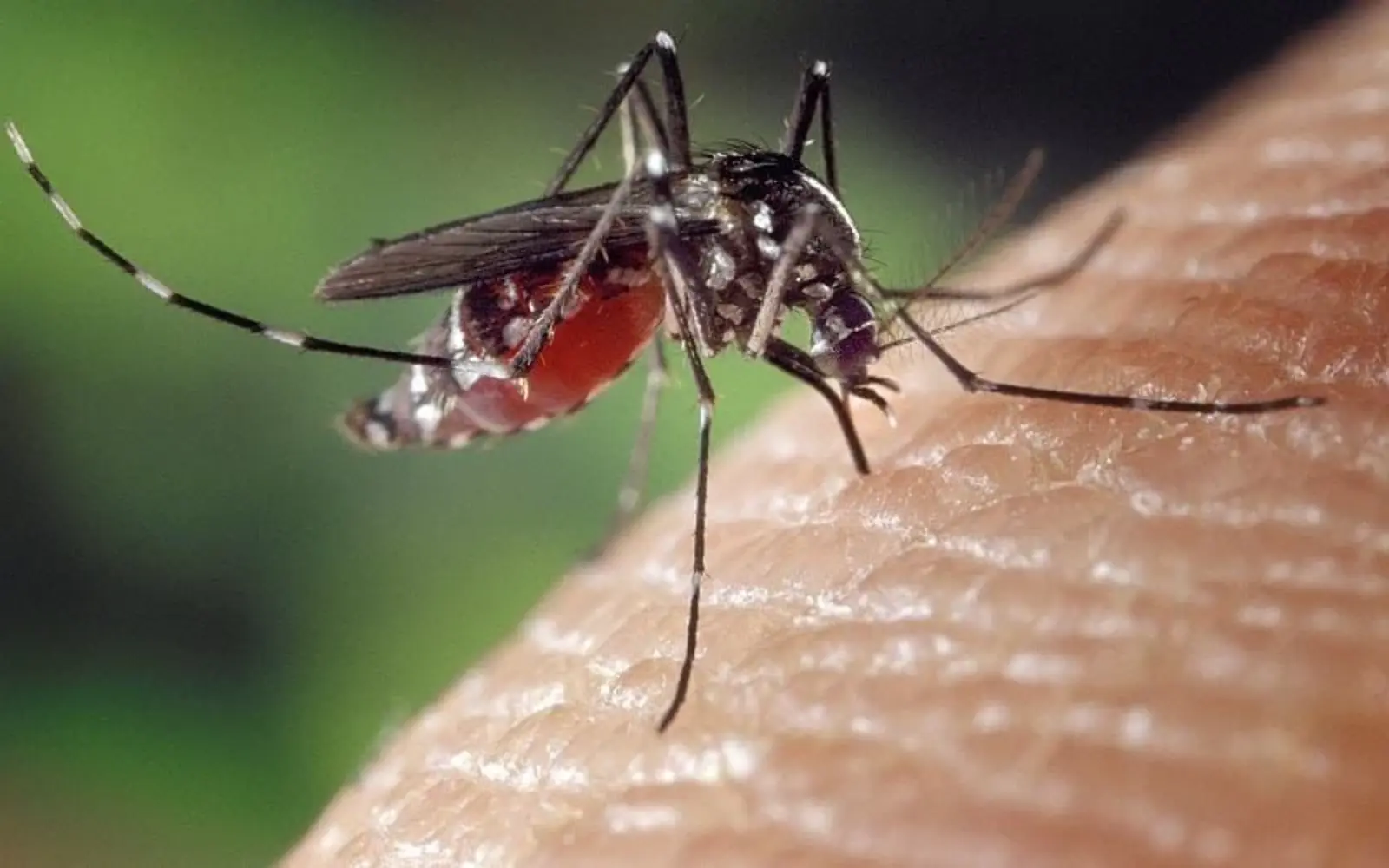 Health minister Dzulkefly Ahmad said awareness and literacy are not enough in the fight against dengue, as people need to change their behaviour in dealing with the issue. (Pixabay pic)
KOTA KINABALU: Dengue cases nationwide rose 20.7% to 33,367 as of June 13 (epidemiological week 23), compared with 27,640 cases recorded during the corresponding period last year.
Health minister Dzulkefly Ahmad said the situation in Sabah was more concerning, with the state recording a sharp 50.4% increase to 2,866 cases, compared with 1,905 cases during the same period last year.
Dzulkefly said several districts in Sabah had been identified as the main contributors to the state’s caseload, namely Kota Kinabalu, Kota Marudu, Tawau, Sandakan, Penampang and Putatan.
“We know that this surge falls within the expected cyclical trend of infections that occurs every four to five years, but we must remain vigilant in dealing with the situation,” he said.
Earlier, he officiated the national-level Asean Dengue Day, World Malaria Day, and a mega gotong-royong held in conjunction with the 2026 National Healthy Malaysia Agenda roadshow at the Manggatal Community Hall here.
Dzulkefly said that apart from the cyclical trend, the health ministry had identified a shift in the circulating dengue virus sub-variants, with the DEN-3 sub-variant now becoming dominant, as a contributing factor to the rise in cases.
To address the challenge, the ministry had introduced a new strategic approach based on behavioural insights through the dengue-free community (Kombat) programme.
“We are introducing several new initiatives, drawing on behavioural economics and human behaviour, including how people can be influenced or nudged towards positive change.
“The nudging strategy is aimed at encouraging behavioural change. People may be aware of what needs to be done, but that alone does not necessarily lead to action. Awareness and literacy are not enough. We need to create conditions that enable people to change, with support from both the federal and state governments,” he said.
He said Kombat focuses on three key strategies: environmental interventions, community empowerment and a whole-of-society approach, including the strengthening of entomological surveillance.


You May Also Like

ETS back on track after power outage, but eight services running late

EdgeX (EDGE) Rallies 15.2% to ATH as Volume Surges $57M: Data Analysis

Perplexity AI Predicts Shocking Solana Price in 6 Months



