

Fidelity Deploys FIDD Stablecoin Pool on Uniswap, Signaling Institutional DeFi Push
BitcoinWorld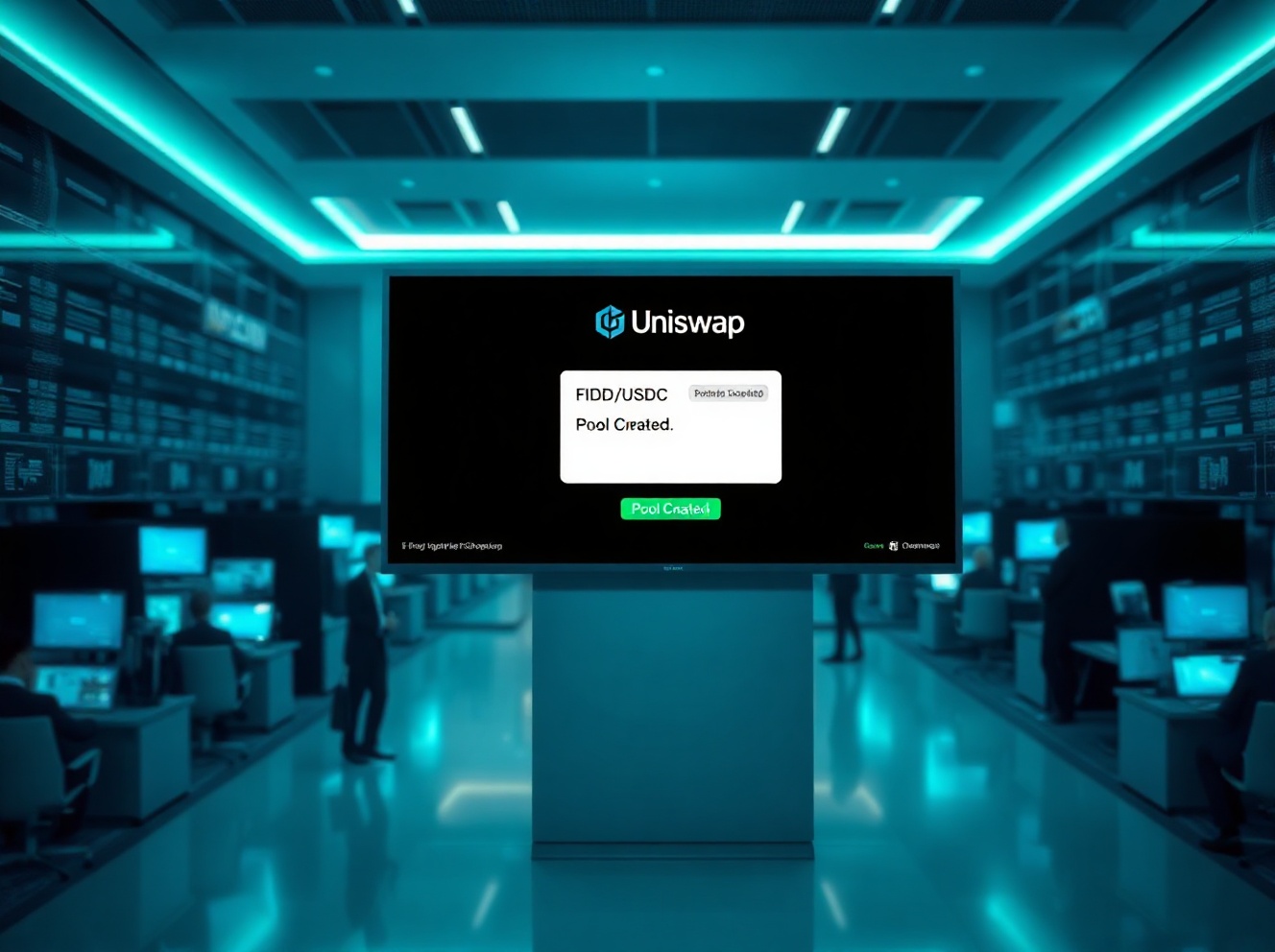
Fidelity Deploys FIDD Stablecoin Pool on Uniswap, Signaling Institutional DeFi Push
Fidelity Investments has taken a significant step into decentralized finance by launching a liquidity pool for its proprietary stablecoin, FIDD, on the Uniswap protocol. The pool is now live and operational, marking one of the most notable integrations of a major traditional financial institution’s digital asset with a leading decentralized exchange.
A New Chapter for Institutional Stablecoins
The move represents more than just a technical deployment. By choosing Uniswap as the liquidity layer for FIDD, Fidelity is signaling a strategic embrace of permissionless, on-chain infrastructure. This decision places the asset manager’s stablecoin directly within the broader DeFi ecosystem, where it can be traded, paired, and utilized in automated market-making protocols without relying on a centralized intermediary.
For context, Fidelity first announced its intention to launch a stablecoin in 2023, positioning it as a bridge between traditional capital markets and digital asset settlements. The FIDD token is designed to maintain a 1:1 peg to the U.S. dollar, backed by a reserve of cash and cash-equivalent instruments. Until now, its use was largely confined to internal settlement and select institutional clients.
Why Uniswap Matters for FIDD
Uniswap, as the largest decentralized exchange by total value locked, offers FIDD immediate access to deep liquidity and a global user base. The pool allows users to swap FIDD against other assets, providing a transparent, on-chain price discovery mechanism. This is a departure from the traditional model where stablecoin issuers rely on centralized exchanges or OTC desks for distribution.
The integration also carries implications for regulatory scrutiny. By operating on a public, permissionless blockchain, FIDD transactions are visible and auditable in real time. This transparency could serve as a compliance advantage, allowing regulators to monitor flows without requiring direct access to Fidelity’s internal systems.
Market and Industry Impact
Fidelity’s entry into DeFi via Uniswap is likely to accelerate similar moves by other traditional financial giants. The pool’s performance will be closely watched as a bellwether for institutional comfort with decentralized infrastructure. If successful, it could pave the way for more asset managers to deploy their own stablecoins or tokenized funds on public blockchains.
For Uniswap, the partnership adds a layer of institutional credibility. Having a firm like Fidelity choose its protocol over competing DEXs or centralized alternatives validates the platform’s security, reliability, and governance model. It also introduces a new class of liquidity providers—institutional—who may bring more stable, long-term capital to the ecosystem.
Conclusion
Fidelity’s launch of the FIDD pool on Uniswap is a concrete milestone in the convergence of traditional finance and decentralized protocols. It demonstrates that major financial institutions are moving beyond experimentation and into live, operational DeFi integrations. The pool’s activity in the coming weeks will offer early signals about the depth of institutional demand for on-chain stablecoin liquidity and the viability of DEXs as primary distribution channels for regulated digital assets.
FAQs
Q1: What is FIDD?
FIDD is a stablecoin issued by Fidelity Investments, designed to maintain a 1:1 peg to the U.S. dollar. It is backed by cash and cash-equivalent reserves.
Q2: Why did Fidelity choose Uniswap for its stablecoin pool?
Uniswap offers deep liquidity, a global user base, and a permissionless trading environment. This allows FIDD to be traded transparently on-chain, supporting both retail and institutional access without a centralized intermediary.
Q3: Is the FIDD pool available to all Uniswap users?
Yes, the pool is live and accessible to any user interacting with the Uniswap protocol. However, users should verify the correct contract address and understand the risks associated with trading stablecoins on decentralized exchanges.
This post Fidelity Deploys FIDD Stablecoin Pool on Uniswap, Signaling Institutional DeFi Push first appeared on BitcoinWorld.


You May Also Like

NordFX Morning Update — June 12, 2026
SEC Proposes Elimination of Trading Rules That Block Tokenized Securities on DeFi Platforms

Gold Hits $3,700 as Sprott’s Wong Says Dollar’s Store-of-Value Crown May Slip



