

Iran Condemns US Military Strikes Near Strategic Hormuz Strait, Raising Regional Tensions
BitcoinWorld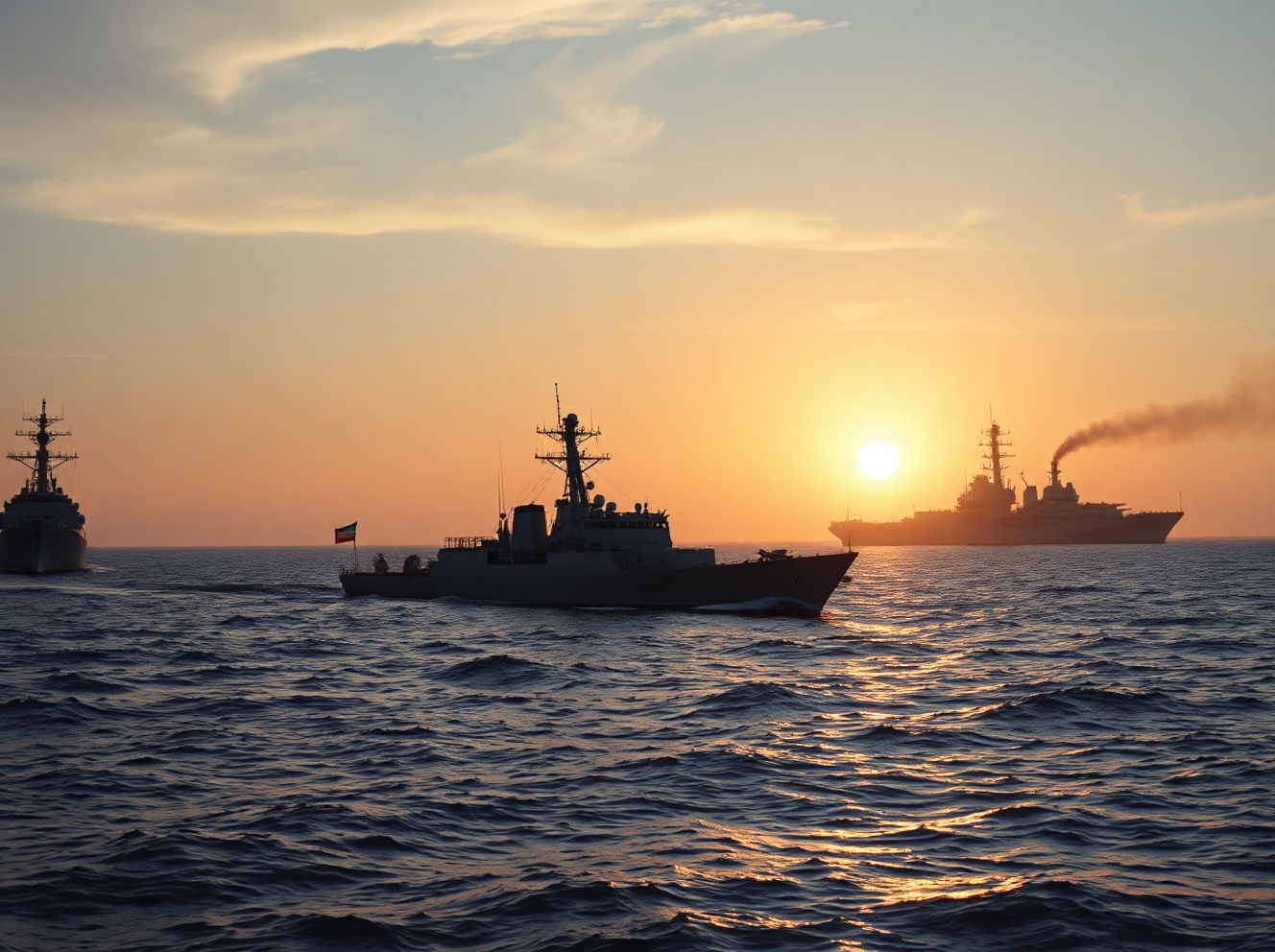
Iran Condemns US Military Strikes Near Strategic Hormuz Strait, Raising Regional Tensions
Iran’s Foreign Ministry issued a formal condemnation on Tuesday following a series of US military strikes near the Strait of Hormuz, one of the world’s most critical maritime chokepoints for global oil shipments. The strikes, which targeted what US officials described as Iranian-linked military infrastructure, have sharply escalated tensions in a region already on edge.
Background of the Strikes
According to Pentagon statements, the US strikes were conducted in response to recent attacks on commercial vessels in the Gulf of Oman and the southern Red Sea, which Washington attributes to Iranian-backed forces. The operation focused on radar sites, missile storage facilities, and coastal defense systems along Iran’s southern coast, near the entrance to the Strait of Hormuz. No US or coalition casualties were reported, and the strikes were described as limited and proportionate.
Iran’s Foreign Ministry spokesman Nasser Kanaani called the strikes a “blatant violation of international law and the United Nations Charter,” warning that Tehran reserves the right to respond at a time and place of its choosing. The statement also accused the US of “destabilizing the region for political gain” and urged the international community to condemn the action.
Strategic Importance of the Strait of Hormuz
The Strait of Hormuz, a narrow 21-mile-wide waterway between Iran and Oman, handles roughly one-fifth of the world’s total oil consumption. Any disruption to shipping through this passage can trigger immediate volatility in global energy markets. Analysts have long warned that military confrontation near the strait could lead to supply disruptions, insurance premium spikes for tankers, and a potential spike in crude oil prices.
Maritime security experts note that the region has seen a pattern of tit-for-tat escalations since 2019, including tanker seizures, drone attacks, and mine-laying incidents. The latest US strikes represent the most direct military engagement between the two countries since the 2020 US drone strike that killed Iranian General Qasem Soleimani.
Market and Geopolitical Implications
Global oil markets reacted cautiously, with Brent crude futures rising approximately 2.5% in early trading following the news. Traders are now pricing in a risk premium for Middle East crude supplies. Shipping companies are reportedly reviewing security protocols for vessels transiting the Gulf, and some insurers have already raised war-risk premiums for voyages through the region.
Diplomatic channels remain active. The United Nations Security Council is expected to hold closed-door consultations, while regional powers including Saudi Arabia, the United Arab Emirates, and Qatar have called for restraint from both sides. Iran has historically used the threat of closing the Strait of Hormuz as leverage in negotiations, though such a move would be economically devastating for Tehran itself.
Conclusion
The US strikes near the Strait of Hormuz mark a significant escalation in an already volatile region. While both sides have signaled a desire to avoid full-scale war, the risk of miscalculation remains high. For global markets, maritime insurers, and energy consumers, the situation demands close monitoring. The coming days will be critical in determining whether diplomatic efforts can de-escalate tensions or whether the region is headed toward a broader confrontation.
FAQs
Q1: Why is the Strait of Hormuz so important?
The Strait of Hormuz is a narrow waterway connecting the Persian Gulf to the Gulf of Oman and the open ocean. About 20% of the world’s oil passes through it daily, making it the most important oil transit chokepoint globally.
Q2: What did the US strikes target?
US strikes targeted Iranian-linked military infrastructure near the Strait of Hormuz, including radar installations, missile storage sites, and coastal defense systems. The Pentagon described the operation as a limited response to recent attacks on commercial vessels.
Q3: Could this lead to a broader war?
While both the US and Iran have publicly expressed a desire to avoid full-scale conflict, the risk of escalation is real. Past incidents in the region have often led to retaliatory cycles. Diplomatic efforts are underway to de-escalate, but the situation remains fragile.
This post Iran Condemns US Military Strikes Near Strategic Hormuz Strait, Raising Regional Tensions first appeared on BitcoinWorld.


You May Also Like

Donald Trump: The complete anatomy of a billionaire born loser

Today’s Top Stories: The AI Trade Is Back in Full Force — and These Stocks Led the Way

Exclusive interview with Smokey The Bera, co-founder of Berachain: How the innovative PoL public chain solves the liquidity problem and may be launched in a few months



