

Trump Warns America Could Lose “Bitcoin Capital of the World” Status to Rival Nations
Trump Warns U.S. Risks Losing Crypto Leadership as Global Bitcoin Competition Intensifies
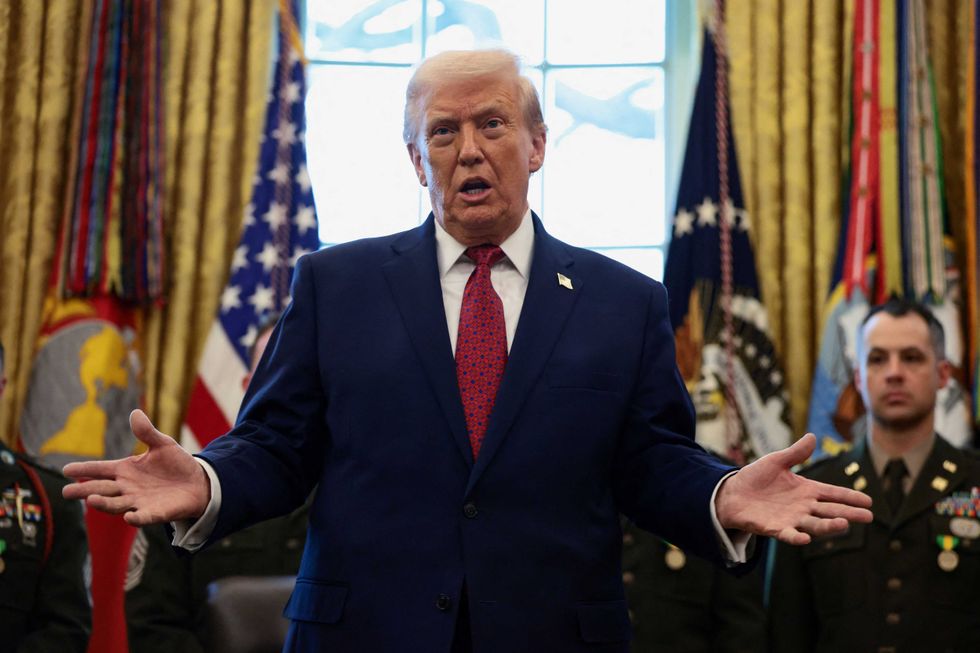
Donald Trump has renewed calls for the United States to strengthen its leadership position in cryptocurrency and prediction markets, warning that rival nations are attempting to overtake America as the global “Bitcoin capital of the world.”
The comments come as digital assets, blockchain infrastructure, and decentralized financial technologies continue becoming increasingly important within global economic and geopolitical competition.
Trump’s latest remarks quickly spread throughout cryptocurrency and financial communities before later gaining wider visibility through reporting associated with Cointelegraph and publication distributed through HOKANEWS.
 |
| Source: XPost |
Trump Pushes Stronger Crypto Leadership Narrative
Donald Trump has increasingly positioned cryptocurrency and blockchain innovation as important strategic priorities for the United States.
His latest comments suggest growing concern that other countries may gain competitive advantages in digital asset markets, financial technology infrastructure, and blockchain innovation if the U.S. fails to maintain leadership.
The idea of becoming the “Bitcoin capital of the world” has evolved into a broader political and economic narrative surrounding technological dominance and financial competitiveness.
Global Competition Around Bitcoin Intensifies
Countries worldwide have accelerated efforts to attract cryptocurrency businesses, blockchain startups, mining infrastructure, and digital asset investment capital.
Several jurisdictions have introduced crypto-friendly regulatory frameworks designed to encourage innovation while positioning themselves as hubs for emerging financial technologies.
Governments increasingly recognize the economic potential associated with:
- Blockchain infrastructure
- Stablecoin systems
- Bitcoin mining
- Digital payments
- Tokenized financial assets
- Decentralized finance platforms
Prediction Markets Gain Political Attention
Trump’s comments also referenced prediction markets, a rapidly growing sector allowing users to speculate on future events through decentralized or blockchain-based platforms.
Prediction markets have expanded significantly over recent years, particularly within cryptocurrency ecosystems where decentralized infrastructure enables broader participation and global liquidity.
Supporters argue prediction markets can improve forecasting efficiency and aggregate collective market intelligence more effectively than traditional polling systems.
Bitcoin Seen as Strategic Asset
Bitcoin has increasingly been viewed not only as a speculative investment but also as a strategic digital asset with geopolitical implications.
Some policymakers and investors believe nations that embrace Bitcoin and blockchain infrastructure early could gain economic and technological advantages in the future global financial system.
U.S. Crypto Policy Remains Divided
Despite growing adoption, cryptocurrency regulation in the United States remains politically and legally complex.
Federal agencies, lawmakers, and regulators continue debating how digital assets should be classified and supervised.
Key issues include:
- Securities regulation
- Stablecoin oversight
- Crypto taxation
- Consumer protection
- Mining regulation
- Market transparency
Institutional Bitcoin Adoption Expands
Institutional interest in Bitcoin has continued growing significantly over recent years.
Major asset managers, public companies, financial institutions, and investment funds have increased exposure to Bitcoin markets through ETFs, treasury holdings, and custodial infrastructure.
Bitcoin Mining Becomes Geopolitical Industry
Bitcoin mining has evolved into a globally competitive sector involving energy infrastructure, technological investment, and industrial-scale operations.
Several countries now compete aggressively to attract mining companies due to their potential economic impact and energy utilization benefits.
Digital Assets Enter Mainstream Finance
Cryptocurrencies have moved far beyond their early niche origins and now play an increasingly visible role in mainstream financial markets.
Trump’s Comments Reflect Broader Economic Themes
The latest remarks align with broader discussions surrounding America’s technological leadership in areas such as artificial intelligence, semiconductors, and blockchain systems.
Crypto Industry Continues Seeking Regulatory Clarity
Many cryptocurrency companies continue urging U.S. lawmakers to establish clearer regulatory frameworks to support innovation while reducing uncertainty.
Bitcoin Narrative Evolves Globally
Bitcoin’s role has expanded from a niche digital currency into a globally recognized macroeconomic and technological asset.
Stablecoins and Blockchain Infrastructure Expand
Beyond Bitcoin itself, blockchain infrastructure and stablecoin systems have become increasingly important components of the global digital economy.
Financial Innovation Race Accelerates
Competition between nations over advanced financial technologies appears likely to intensify further over coming years.
Investors Closely Monitor Political Signals
Political support or opposition toward cryptocurrency policies can significantly influence investor sentiment and market behavior.
Prediction Markets Continue Growing
Blockchain-based prediction markets have experienced rising popularity amid broader interest in decentralized applications and tokenized systems.
Crypto Markets Increasingly Intersect With Politics
Cryptocurrency policy has become an increasingly important political issue as digital assets gain mainstream adoption and economic influence.
The Future of U.S. Crypto Leadership
Whether the United States ultimately maintains leadership in cryptocurrency innovation may depend heavily on future regulation, infrastructure investment, and political priorities.
Conclusion
The latest comments from Donald Trump warning that other nations are attempting to surpass America as the “Bitcoin capital of the world” highlight how cryptocurrencies and blockchain infrastructure have become central issues in global economic competition. As governments worldwide accelerate investments into digital asset ecosystems and financial technology innovation, the battle for leadership in Bitcoin, prediction markets, and decentralized finance is likely to become increasingly important for both policymakers and investors. The coming years may ultimately determine which countries emerge as dominant players in the evolving global crypto economy.
hokanews.com – Not Just Crypto News. It’s Crypto Culture.
Writer @Ethan
Ethan Collins is a passionate crypto journalist and blockchain enthusiast, always on the hunt for the latest trends shaking up the digital finance world. With a knack for turning complex blockchain developments into engaging, easy-to-understand stories, he keeps readers ahead of the curve in the fast-paced crypto universe. Whether it’s Bitcoin, Ethereum, or emerging altcoins, Ethan dives deep into the markets to uncover insights, rumors, and opportunities that matter to crypto fans everywhere.
Disclaimer:
The articles on HOKANEWS are here to keep you updated on the latest buzz in crypto, tech, and beyond—but they’re not financial advice. We’re sharing info, trends, and insights, not telling you to buy, sell, or invest. Always do your own homework before making any money moves.
HOKANEWS isn’t responsible for any losses, gains, or chaos that might happen if you act on what you read here. Investment decisions should come from your own research—and, ideally, guidance from a qualified financial advisor. Remember: crypto and tech move fast, info changes in a blink, and while we aim for accuracy, we can’t promise it’s 100% complete or up-to-date.


You May Also Like
Biographer predicts a historic end to the Trump administration

Crypto Hack: Drift Protocol Drained Over $200M in Private Key Breach

DRIFT Hacked: 280M$ Loss and Price Collapse



