

👨🏿🚀TechCabal Daily – SA delays AI policy to 2027
Eid Mubarak. 
Founders. Investors. Policymakers. Enterprise leaders. Moonshot 2026 brings together the people shaping Africa’s technology ecosystem across AI, commerce, climate, enterprise, and culture. Spotlight your brand today.
Let’s dive in.
Get smarter about Francophone Africa with our newsletter, Francophone Weekly—the startups, tech policies, and institutions building the pipelines for ecosystem growth.
- SA sets January 2027 for revised AI policy
- Namibian telecom faces regulatory scrutiny
- Pepkor’s phone financing business is growing
- PayPal, Vodacom partner in Tanzania
- World Wide Web 3
- Opportunities
Policy
South Africa’s Solly Malatsi sets January 2027 date for revised AI policy
 Solly Malatsi, South Africa Minister of Communications and Digital Technologies. Image Source: TechCentral
Solly Malatsi, South Africa’s communications minister, has conceded to losing the AI policy war—at least his actions tell us so. Drafting an all-encompassing policy to review one of the most consequential emerging technologies in the world might require 14 heads, or maybe more.
Malatsi found out the hard way. After his department was caught using fake citations in its drafted AI policy released on April 2, it subsequently withdrew the paper. On May 14, Malatsi appointed an independent panel, chaired by Prof. Benjamin Rosman of the University of the Witwatersrand, to redraft the policy. But the damage was done, and the timeline has paid the price. South Africa has now set a date for a revised policy: January 2027.
The deeper problem is institutional. South Africa had positioned itself as a potential continental leader on AI regulation, and the credibility of that ambition now rests on a panel of 14 experts fixing what a government department could not. That is not inherently a bad outcome, but it is a revealing one.
It suggests that the capacity to govern AI seriously does not yet exist inside the state, and that building it will take longer than any minister’s timeline originally assumed.
In the meantime, the gap between policy and reality keeps widening. In the meantime, the gap between policy and reality keeps widening. AI usage in South Africa rose to 23.1% of the population in the first quarter of 2026, up from 21.1% in the second half of last year. The country’s AI data centre market is projected to grow from $70 million in 2025 to over $572 million by 2031, driven by investments from Microsoft and Amazon Web Services. The infrastructure is being built, the adoption is accelerating, and the money is already moving. The policy meant to govern all of it will not arrive until next year, at the earliest.
We Have Secured the Bank of Ghana EPSP Licence.
Fincra has officially secured its Enhanced Payment Service Provider licence. This regulatory milestone authorizes Fincra to directly collect, process, and settle payments in Ghanaian Cedis, offering a highly streamlined financial pipeline for businesses operating within the region. Start here.
Telecoms
Namibia’s state telecom is in trouble with its own regulator
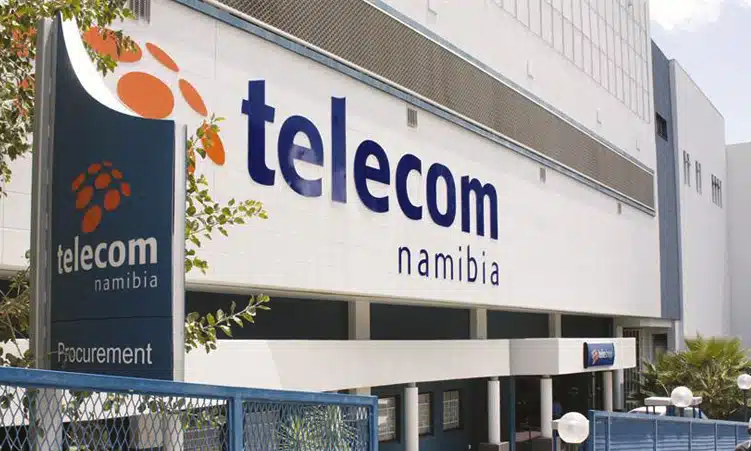 Image Source: Telecom Namibia
Namibia’s Communications Regulatory Authority (CRAN) is turning into one of Africa’s more assertive telecom regulators, and Telecom Namibia is its latest target.
The state-owned operator is now facing regulatory scrutiny after repeated network outages disrupted Internet services across several regions, with CRAN demanding detailed explanations on root causes, corrective measures, and a credible plan to prevent further failures.
In March, the same regulator rejected Starlink’s licence application on ownership and compliance grounds, despite 98% of public submissions backing the satellite provider’s entry.
There’s a notable sequence here: Namibia kept out a disruptive connectivity operator, and now finds itself holding an incumbent accountable for failing to deliver reliable service. The pressure on CRAN to show that its regulatory decisions serve consumers, not just compliance checklists, is building.
Telecom Namibia already operates in the shadow of Mobile Telecommunications Limited (MTC), the country’s largest operator, claiming 91% market share. Persistent outages, with no credible fixes in sight, are exactly the kind of opening that accelerates subscriber losses.
On May 20, the Namibian telco announced a network modernisation programme, but has also warned that some of the corrective work may itself trigger temporary disruptions, a difficult message to sell to customers who are already frustrated.
Zoom out: CRAN has signalled it will assess not just the outages but the overall viability of Telecom Namibia’s business model. It appears this is no longer just about fixing a few network faults. It is about whether the operator can credibly fulfil its obligations at all.
Payments for import, export, and commodity trade in emerging markets.
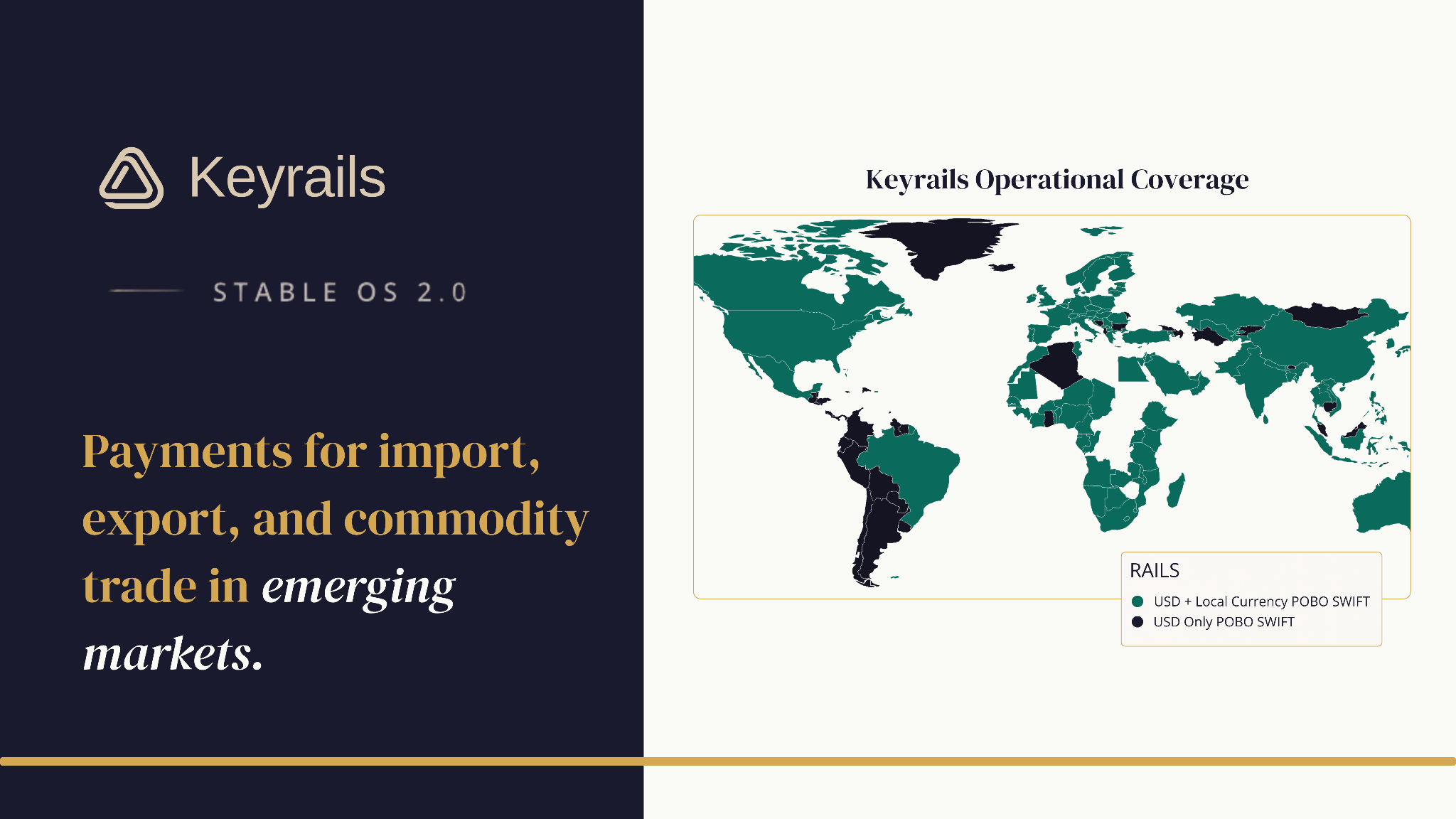
For African fintechs, banks, and trade operators, high-value supplier and commodity payments are still an execution problem. Stable OS 2.0 standardises these flows across 100+ markets and 75+ currencies through one unified RTGS-ready instruction/ through one unified instruction, with local RTGS reach. Learn more.
Companies
Pepkor’s phone-financing business is growing
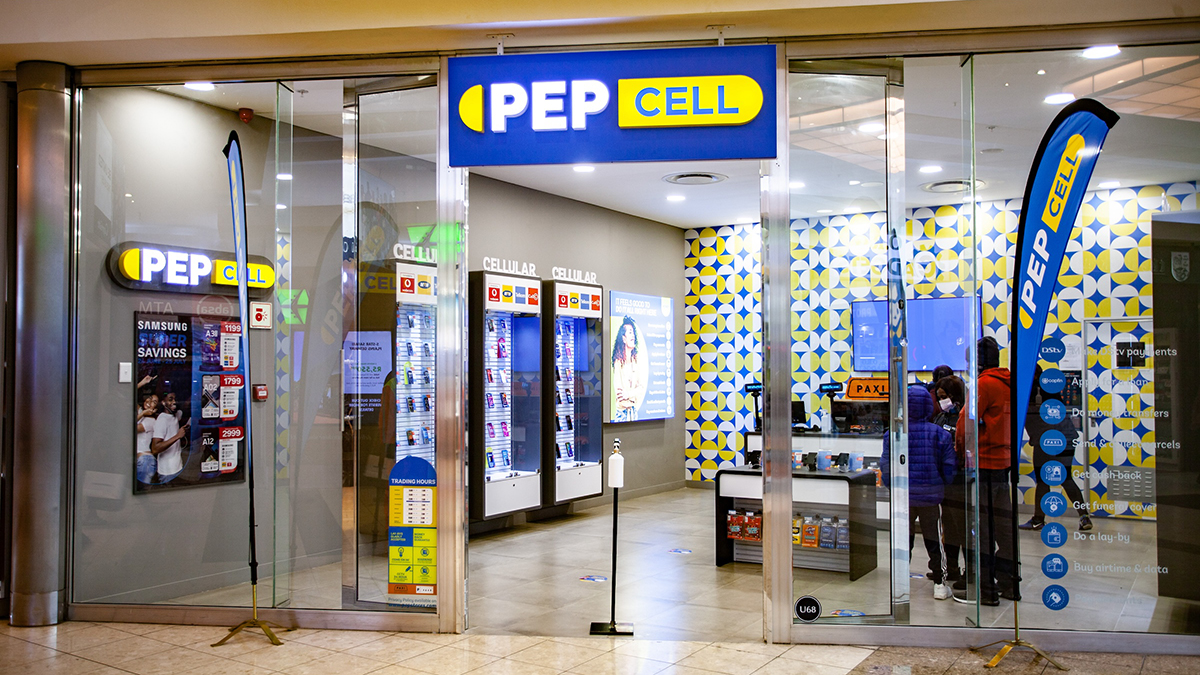 Image Source: ITWeb
There was once a time when walking into Pep stores meant you wanted to buy socks or other clothing items. Today, you might leave with a financed smartphone and a SIM card repayment plan.
In its 2025 financial report, Pepkor, one of South Africa’s biggest retailers, reported that its cellular rental business, FoneYam, is growing.
The company’s phone-rental book ballooned to R2.6 billion ($158 million) in six months, up from R1.7 billion ($103 million) in the previous year. The retailer activated 1.3 million new FoneYam accounts during the period, pushing its active customer base to 2.4 million people.
What makes this more interesting is that overall phone sales barely moved. Pepkor sold around 6.7 million handsets during the half-year period, almost the same as last year. Meaning the real growth story is financing access to phones.
Isn’t Pepkor supposed to be a clothing store? Pepkor owns brands like Ackermans, Tekkie Town, Dunns, Refinery, Legit, and has a 6,000-store network within South Africa. But over the last few years, the company has applied cosmetics and transformed itself into more than a retail fashion business. It is working.
It now operates a massive financial services ecosystem that includes loan offerings through Capfin, insurance through Abacus, and smartphone financing through FoneYam.
In November 2025, it announced plans to launch Pep Bank through a partnership with Investec, one of South Africa’s largest banks.
South Africa’s telecom market is becoming… interesting: Pepkor said it now has 8 out of 10 South Africans buying prepaid phones from its stores and continues generating ongoing service revenue.
Its financing model spreads the costs of phones into smaller payments, making smartphone ownership more accessible to people who may not qualify for traditional credit. Its growth shows that the company helping South Africans afford smartphones may be just as important as the companies building the mobile networks.
Attend Cascador’s Pitch Day 2026

Cascador Pitch Day returns June 3 in Lagos, convening founders, investors, lenders and ecosystem builders for live pitches, alumni spotlights and a panel on innovative capital deployment, backed by Cascador’s annual $5M commitment to African ventures. Register here.
Fintech
Vodacom partners with PayPal in Tanzania
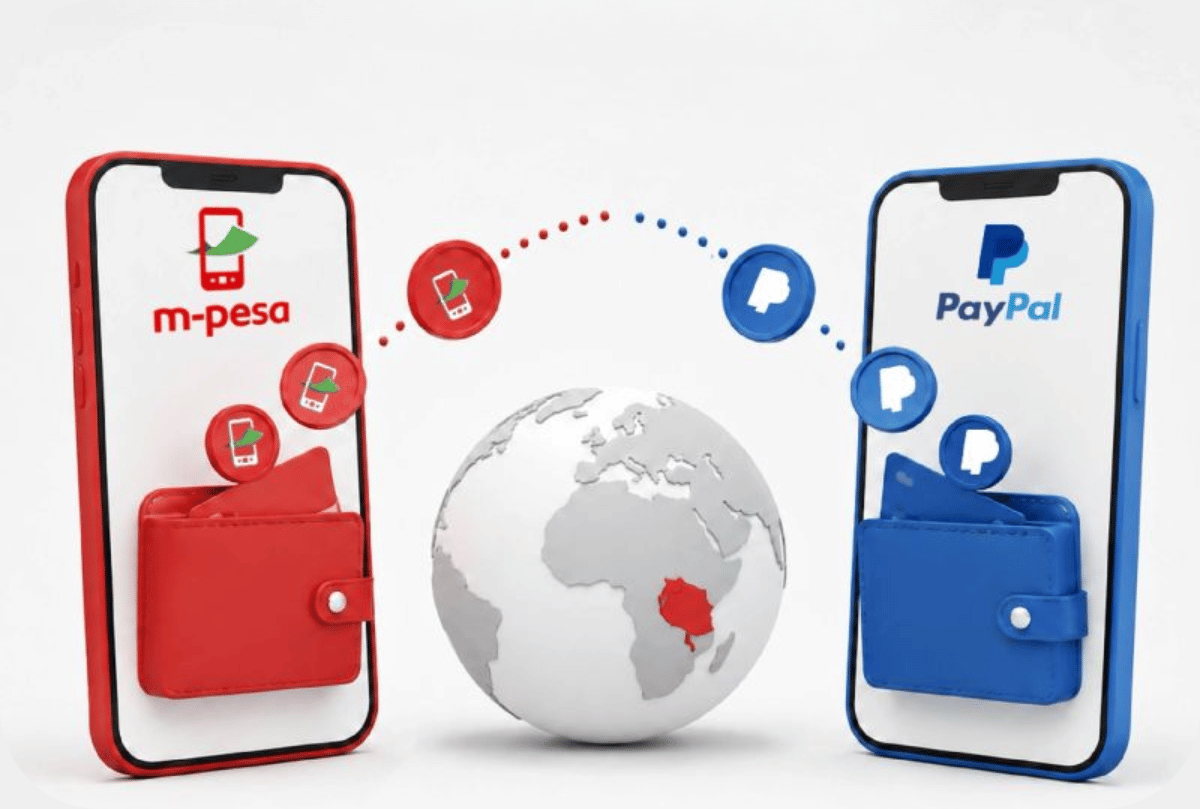 Image Source: Vodacom
Vodacom Tanzania has announced a partnership that allows users to move money directly between M-Pesa and PayPal through the M-PESA Super App. This means Vodacom users will be able to send, receive, deposit, and withdraw funds after linking their PayPal accounts directly inside the app.
Was PayPal not already in Tanzania? Technically yes. But also… no. Tanzania had previously limited PayPal’s interoperability. Certain transfer options existed through services like Xoom, PayPal’s money transfer platform, but the experience was still fragmented. Instead of routing funds through multiple services, users can now connect PayPal directly to M-PESA and move money between both platforms.
Why is PayPal’s entry a big deal? M-PESA said it already processes over $1.4 billion in transactions daily across African markets, including Kenya, Tanzania, Mozambique, Ghana, and Ethiopia. Tanzania itself received about $747 million in remittances in 2023, with rising inflows. Adding PayPal connectivity pushes M-PESA further into global digital commerce rather than just local wallet transfers.
Vodacom has also been expanding its international payments strategy. In May, it partnered with Thunes, a global B2B cross-border payments infrastructure company, to allow Tanzanian M-PESA users to send money to MTN MoMo users in Uganda and to wallets in China through Alipay.
What users should expect now: Tanzanians will likely celebrate with caution following PayPal’s re-entry into Nigeria, which was followed by complaints of frozen accounts and restrictions. Yet, if the integration works smoothly, it could make cross-border payments faster. Vodacom has not disclosed transaction fees, withdrawal limits, or settlement timelines.
Naira Life 2026 is here!

Join 2,000+ in Lagos on August 22 for unfiltered wealth strategies, investment clinics, pitch competitions, and real talk about building long-term financial power. Get 15% off early bird tickets.
CRYPTO TRACKER
The World Wide Web3
Source:

|
Coin Name |
Current Value |
Day |
Month |
|---|---|---|---|
| Bitcoin | $76,812 |
– 0.68 |
– 1.56% |
| Ether | $2,098 |
– 0.40% |
– 9.94% |
| Solstice | $0.1598 |
– 21.22% |
– 21.22% |
| Solana | $84.68 |
– 1.60% |
– 1.20% |
* Data as of 06.50 AM WAT, May 27, 2026.
Opportunities
- The Stellar Development Foundation has launched its first accelerator programme targeting Europe, the Middle East, and Africa, partnering with blockchain venture firm CV Labs to back ten early-stage startups building payments infrastructure, tokenised assets, and decentralised finance applications. The 12-week programme, beginning August 2026, will run primarily remotely but includes an on-site component in Cape Town and concludes with a demo day at Stellar’s Meridian conference in Lisbon in October. Each selected startup can receive up to $150,000 in XLM, Stellar’s native token, in initial funding. Apply by July.
- The Future Investment Initiative Institute (FII), in partnership with MIT Solve, has launched the 2026 FII Innovators Pitch, inviting startups building with AI and frontier technologies to apply. The programme targets solutions across sustainability, healthcare, AI & robotics, and education. Selected startups will pitch live at the 10th Future Investment Initiative in Riyadh, Saudi Arabia, this October (all expenses covered) and join the FII Ventures Programme, gaining access to investors, policymakers, and global partners to support their growth. Apply here.
- Francophone Weekly: Francophone Africa’s EV boom is held back by policy, not economics
- How dLocal’s planned AZA Finance acquisition became a $23.7 million asset deal
- China expands travel curbs to top AI talent at private firms
- Apple has an innovation gap. Will its new CEO fill it?
Written by: Emmanuel Nwosu and Opeyemi Kareem
Edited by: Emmanuel Nwosu and Ganiu Oloruntade
Want more of TechCabal?
Sign up for our insightful newsletters on the business and economy of tech in Africa.
- The Next Wave: futuristic analysis of the business of tech in Africa.
- Francophone Weekly by TechCabal: insider insights and analysis of Francophone’s tech ecosystem
P:S If you’re often missing TC Daily in your inbox, check your Promotions folder and move any edition of TC Daily from “Promotions” to your “Main” or “Primary” folder and TC Daily will always come to you.



You May Also Like

Arthur Hayes Sees 20x Upside For NEAR, 5x For Zcash Within One Year

Mouse and GXChain to Offer Seamless Blockchain Access for TON Gaming Community
Russell Index Additions: SharpLink, Bitmine, and Galaxy Digital Gain Major Benchmark Status



