

Australian Dollar Slips Against Yen as Middle East Tensions Fuel Safe-Haven Demand
BitcoinWorld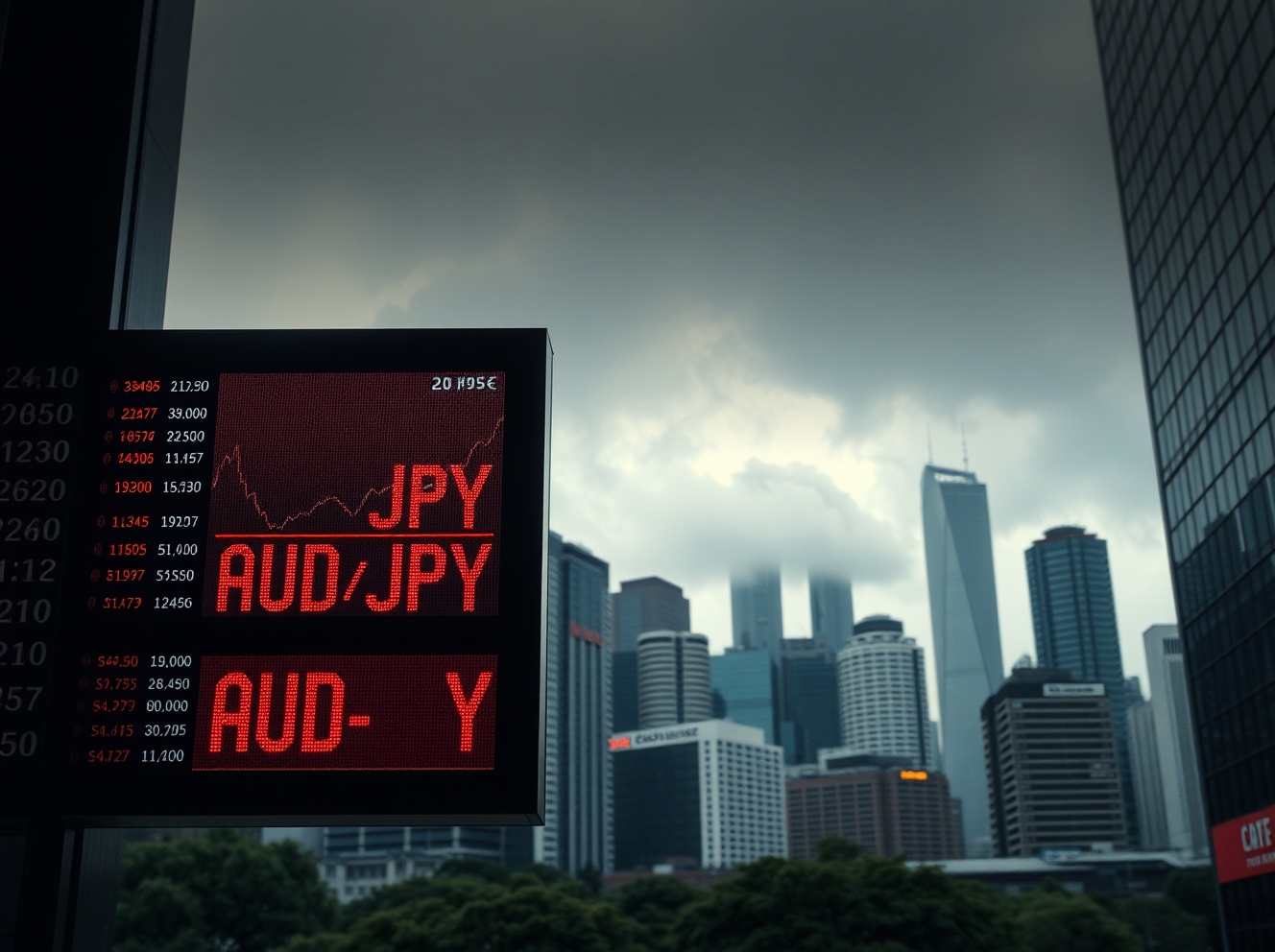
Australian Dollar Slips Against Yen as Middle East Tensions Fuel Safe-Haven Demand
The Australian dollar edged lower against the Japanese yen during Tuesday’s Asian trading session, as escalating geopolitical tensions in the Middle East prompted investors to rotate into traditional safe-haven currencies. The AUD/JPY pair slipped approximately 0.3% to trade near 90.50, extending its recent decline as risk appetite waned across currency markets.
Safe-Haven Flows Dominate as Geopolitical Risks Intensify
The yen strengthened broadly as reports of heightened military activity in the Middle East triggered a flight to safety. The Australian dollar, often viewed as a proxy for global risk sentiment, came under selling pressure. Traders noted that the yen’s advance was driven by both position adjustments and fresh demand for defensive assets, including government bonds and gold.
This move reflects a well-established pattern: when geopolitical uncertainty spikes, the yen tends to benefit due to Japan’s status as a net creditor nation and its large current account surplus. In contrast, the Australian dollar, closely tied to commodity prices and global trade flows, often weakens during such episodes.
Market Context and Technical Levels
The decline in AUD/JPY follows a period of relative stability, with the pair having traded in a narrow range over the past week. The current sell-off has brought the pair closer to its 50-day moving average, a level that traders are watching closely for potential support. A break below this technical marker could open the door to further losses toward the 89.80 area, a level last seen in late March.
Analysts caution that the yen’s strength may be temporary if the geopolitical situation de-escalates quickly. However, the lack of a clear resolution to the underlying tensions suggests that safe-haven flows could persist in the near term.
Why This Matters for Traders and Investors
For currency traders, the AUD/JPY pair is a sensitive barometer of global risk appetite. Its decline signals that markets are pricing in higher uncertainty, which can have ripple effects across other asset classes, including equities and commodities. For Australian exporters, a weaker AUD may provide some relief, but the broader implications of geopolitical instability could weigh on economic growth forecasts.
Investors with exposure to yen-denominated assets may benefit from the current move, while those holding Australian dollar positions should monitor headlines from the Middle East closely. The situation remains fluid, and further volatility is expected.
Conclusion
The Australian dollar’s retreat against the yen underscores the market’s sensitivity to geopolitical risks. While the yen’s safe-haven appeal is well established, the sustainability of this move depends on how events unfold in the coming days. Traders should remain cautious and focus on risk management as the situation develops.
FAQs
Q1: Why does the Japanese yen strengthen during geopolitical crises?
Japan is a net creditor nation with a large current account surplus, meaning it holds more foreign assets than liabilities. During times of global uncertainty, investors repatriate capital to Japan, boosting demand for the yen.
Q2: How does Middle East tension specifically affect the Australian dollar?
The Australian dollar is closely tied to commodity prices and global trade. Middle East instability can disrupt oil supplies and dampen global growth expectations, reducing demand for risk-sensitive currencies like the AUD.
Q3: Is this a good time to trade AUD/JPY?
High volatility periods offer trading opportunities but also carry increased risk. Traders should use stop-loss orders and stay updated on geopolitical developments. The current environment favors short-term tactical trades rather than long-term positions.
This post Australian Dollar Slips Against Yen as Middle East Tensions Fuel Safe-Haven Demand first appeared on BitcoinWorld.


You May Also Like

Sustainable Fitch rates DBP’s sustainability bond framework as ‘good’

CoreWeave (CRWV) Stock Surges 12% on $8.5B GPU-Backed Financing Deal — Here’s the Full Picture

RBNZ July Rate Hike Risk Intensifies as Inflation Lingers, MUFG Warns



