Indian Rupee Under Pressure as Elevated Oil Prices Strain the Economy
BitcoinWorld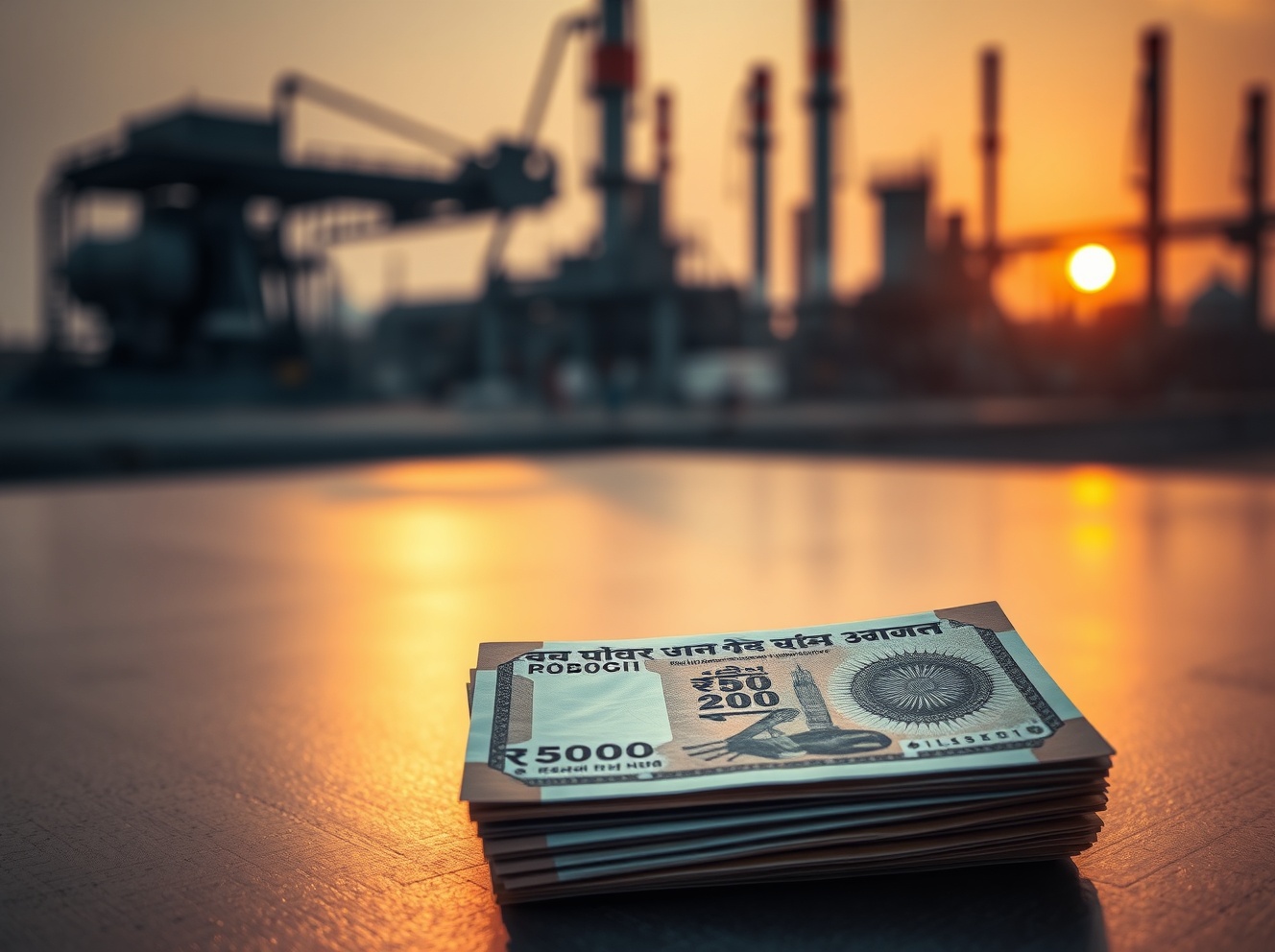
Indian Rupee Under Pressure as Elevated Oil Prices Strain the Economy
The Indian rupee continues to underperform against major global currencies, with the pressure intensifying as crude oil prices remain elevated. The domestic currency has been trading near its all-time low against the US dollar, reflecting a combination of external headwinds and domestic economic challenges. For a nation that imports over 85% of its crude oil requirements, sustained high oil prices directly impact the trade deficit, inflation, and the overall health of the currency.
Oil Prices and the Rupee: A Direct Link
India’s reliance on imported oil makes the rupee particularly sensitive to fluctuations in global crude benchmarks. When oil prices rise, the country’s import bill swells, increasing the demand for US dollars to pay for those purchases. This heightened dollar demand, in turn, puts downward pressure on the rupee. The recent rally in Brent crude, driven by supply concerns and geopolitical tensions, has exacerbated this dynamic, leaving the rupee among the worst-performing Asian currencies this quarter.
Broader Economic Implications
The weakening rupee is not just a currency market story; it has tangible effects on the broader economy. A weaker rupee makes imports more expensive, feeding into domestic inflation. This is particularly problematic for India, which also imports edible oils, fertilizers, and electronics. The rising cost of imports can squeeze corporate margins and reduce consumer purchasing power. Furthermore, a volatile currency complicates the Reserve Bank of India’s (RBI) monetary policy decisions, as it must balance supporting growth with controlling inflation.
Impact on Consumers and Businesses
For the average Indian consumer, the rupee’s decline means higher prices at the pump and for imported goods. For businesses, especially those with foreign currency debt or import-heavy supply chains, the depreciation adds to operational costs. On the positive side, export-oriented sectors like IT services and pharmaceuticals may see a marginal benefit, as their services become cheaper for foreign buyers. However, the net effect on the economy remains negative as long as oil prices stay high.
Conclusion
The Indian rupee’s underperformance is a direct consequence of elevated oil prices, a structural vulnerability for the Indian economy. While the RBI has intervened to curb excessive volatility, the fundamental pressure will persist until global crude prices ease or India reduces its import dependence. For now, the outlook for the rupee remains tied to the trajectory of oil markets and global risk sentiment, making it a key indicator to watch for the health of the Indian economy.
FAQs
Q1: Why does the Indian rupee weaken when oil prices rise?
India is a major oil importer, buying over 85% of its crude oil from abroad. When oil prices go up, India needs to spend more US dollars to purchase the same amount of oil. This increases the demand for dollars in the forex market, which pushes the rupee’s value down.
Q2: How does a weak rupee affect the common person in India?
A weak rupee makes imported goods more expensive. This includes crude oil, which leads to higher petrol and diesel prices, and also items like edible oils, electronics, and machinery. It can also contribute to overall inflation, reducing purchasing power.
Q3: What can the Reserve Bank of India (RBI) do to support the rupee?
The RBI can intervene in the forex market by selling US dollars from its reserves to increase the supply of dollars and support the rupee. It can also raise interest rates to attract foreign capital, though this can slow down economic growth. The RBI’s primary goal is to manage volatility, not to target a specific exchange rate.
This post Indian Rupee Under Pressure as Elevated Oil Prices Strain the Economy first appeared on BitcoinWorld.


You May Also Like

TALLSEN Showcases Advanced Hardware and Storage Solutions at The 139th China Import and Export Fair 2026

Crypto Market Drops as Fear Grows and Major Assets Decline