

South Korea’s LetinAR raises $18.5M to build the optics behind next-generation AI glasses
BitcoinWorld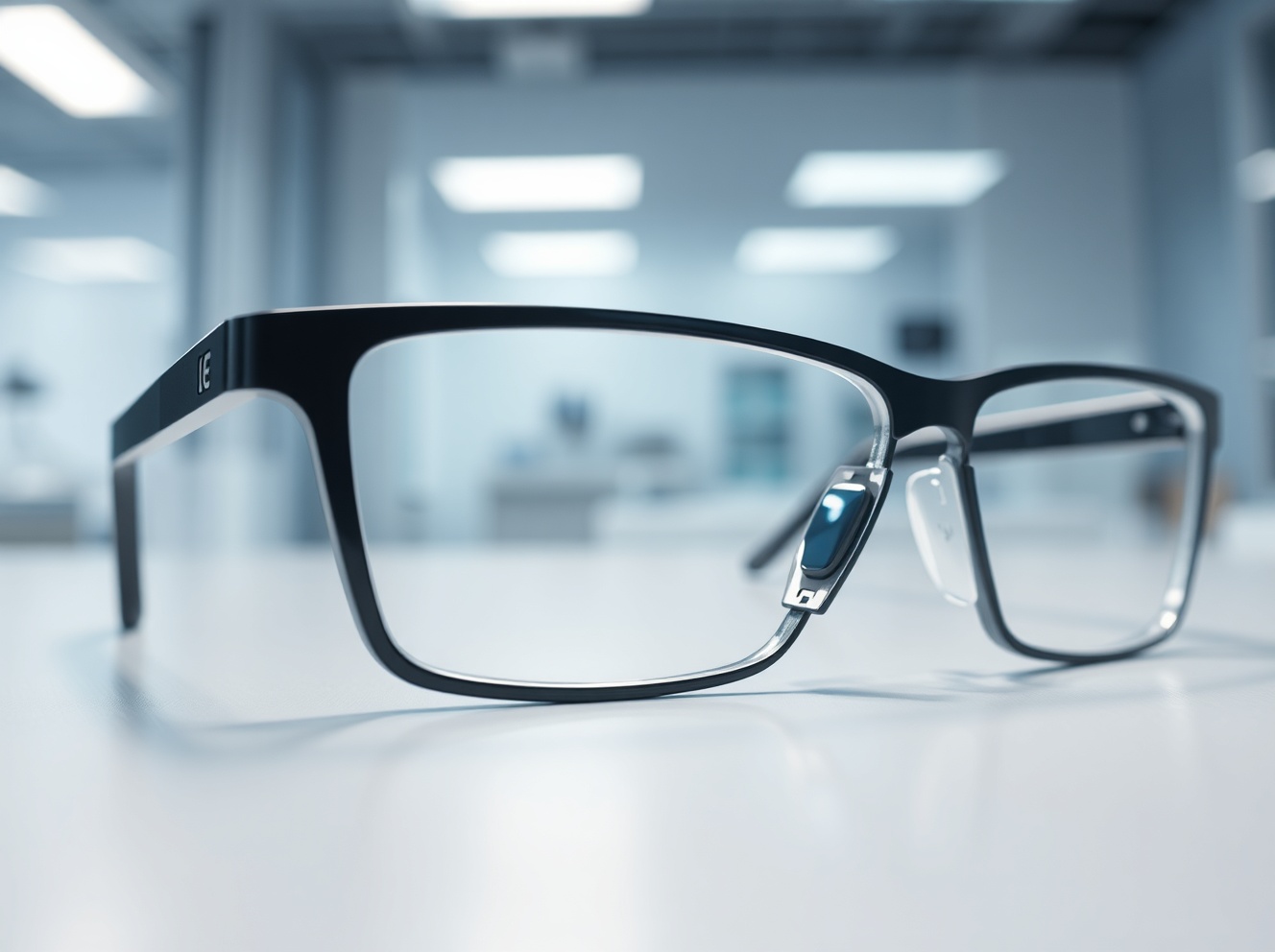
South Korea’s LetinAR raises $18.5M to build the optics behind next-generation AI glasses
South Korean optical technology startup LetinAR has secured $18.5 million in new funding from investors including Korea Development Bank and Lotte Ventures, as the company positions itself as a key component supplier for the rapidly expanding AI smart glasses market. The LG Electronics-backed firm plans to use the capital to scale production ahead of a targeted 2027 IPO in South Korea.
Why the optics matter for AI glasses
LetinAR does not manufacture complete smart glasses. Instead, it produces the optical modules — the tiny lenses that project digital images into a user’s field of vision. This component is widely considered the most challenging part of designing wearable AI glasses that are both functional and comfortable enough for everyday use. The module must be thin, lightweight, and power-efficient while delivering a bright, clear image. Getting that balance right is a central engineering hurdle for the entire industry.
Global shipments of AI-powered smart glasses surged to 8.7 million units in 2025, a more than 300% increase from the prior year, according to market research firm Omdia. Analysts project that figure will exceed 15 million units in 2026. Major technology companies including Meta, Google, Samsung, and Apple are all investing heavily in the category, creating growing demand for advanced optical components.
How PinTILT works
LetinAR’s core technology, called PinTILT, uses an array of precisely angled microscopic optical elements embedded inside a lens to direct light directly into the user’s eye. This approach differs from the dominant waveguide method, which spreads light across the entire lens surface but loses significant brightness before the light reaches the eye. Waveguide-based lenses tend to drain battery power faster because they require brighter light sources to compensate for the loss.
Alternatively, mirror-based birdbath optics deliver light more efficiently but result in bulky lens assemblies that are difficult to fit inside normal-looking glasses frames. LetinAR claims its PinTILT technology avoids both trade-offs, producing a brighter image in a thinner form factor with lower power consumption — a critical advantage as manufacturers compete to extend battery life and reduce device weight.
Real-world deployment: AR motorcycle helmets
LetinAR’s modules are already shipping to customers. One of the most demanding applications is a partnership with Aegis Rider, a Swiss deeptech company spun out of ETH Zurich’s Computer Vision Lab. Aegis Rider is developing an AI-powered augmented reality helmet for motorcyclists that displays navigation arrows, speed, and safety alerts directly in the rider’s field of vision, with the information appearing to be anchored to the road ahead. The helmet, which incorporates LetinAR’s optical module, is targeting the European and Swiss markets for release in 2026.
Other confirmed customers include Japan’s NTT QONOQ Devices and Dynabook, formerly known as Toshiba Client Solutions. LetinAR is also in discussions with several major technology companies regarding research and development for next-generation AI glasses, though it declined to name them.
Market context and competition
The smart glasses component supply chain is becoming increasingly competitive. LetinAR faces established peers including WaveOptics, DigiLens, and Lumus, all of which are developing their own optical solutions. The company’s existing manufacturing relationships and its backing from LG Electronics — which is reportedly developing its own AI smart glasses — provide it with both capital and industry credibility.
CEO Jaehyeok Kim and CTO Jeonghun Ha, who have been friends since high school, founded LetinAR in 2016. The company has now raised a total of $41.7 million. Kim said the new funding will be used to scale production capacity as the AI glasses market transitions from early adopters to mass production.
Conclusion
LetinAR’s latest funding round reflects the growing strategic importance of optical components in the AI wearables race. As major consumer electronics companies race to bring AI glasses to market, the companies that solve the fundamental engineering challenges of display optics, power efficiency, and form factor will play a critical role in determining which products succeed. LetinAR’s focus on a single, technically demanding component positions it as a potential linchpin supplier for an industry that is still searching for its first mass-market hit.
FAQs
Q1: What exactly does LetinAR make?
LetinAR produces optical modules — the tiny lenses and light-guiding components inside smart glasses that project digital images into the user’s field of vision. It does not manufacture complete glasses.
Q2: How is PinTILT different from other smart glasses optics?
PinTILT uses precisely angled microscopic elements to direct light directly into the eye, avoiding the brightness loss common in waveguide systems and the bulkiness of birdbath mirror designs. The company says this results in thinner lenses, brighter images, and lower power consumption.
Q3: When will products using LetinAR’s technology be available?
LetinAR’s modules are already shipping to customers. The Aegis Rider AR motorcycle helmet, which uses the technology, is targeting a European market launch in 2026.
This post South Korea’s LetinAR raises $18.5M to build the optics behind next-generation AI glasses first appeared on BitcoinWorld.


You May Also Like

Solana price confirms bearish crossover following Drift exploit, will it crash?

ON Semiconductor (ON) Stock: Drops as Fab Right Strategy Drives Two Site Sales

‘Sometimes you get along with the toughest people’: Trump moves to lift Turkey sanctions, clearing the country’s path back to F-35s



