BitcoinWorld PYUSD Liquidity: Unlocking Massive Growth Through PayPal’s Spark Partnership The world of stablecoins is constantly evolving, and a recent development is set to make significant waves. PayPal, a household name in digital payments, has teamed up with the decentralized finance (DeFi) protocol Spark. This strategic collaboration aims to significantly boost PYUSD liquidity, marking a crucial step for PayPal’s stablecoin in the DeFi landscape. Understanding the Boost to PYUSD Liquidity This partnership is a game-changer for PayPal’s stablecoin, PYUSD. As Cointelegraph reported, SparkLend has become a key platform for PYUSD. Since its integration in August, PYUSD has attracted over $135 million in deposits on SparkLend. This impressive figure highlights the growing interest and trust in PayPal’s stablecoin within the DeFi community. What does this mean for users? Increased Accessibility: More platforms mean easier access to PYUSD. Better Trading Conditions: Higher liquidity often leads to tighter spreads and less price slippage. Enhanced Utility: PYUSD can be used more effectively across various DeFi applications. The goal is clear: to make PYUSD a more robust and widely adopted asset within the decentralized financial ecosystem by improving its PYUSD liquidity. Why is PYUSD Liquidity So Important for Stablecoins? Liquidity is the lifeblood of any financial asset, and stablecoins are no exception. For PYUSD, strong liquidity ensures its stability and usability. Imagine trying to buy or sell a large amount of PYUSD without enough liquidity — it would be difficult and potentially costly. This is where the Spark partnership comes into play, directly addressing this need. Key benefits of enhanced PYUSD liquidity include: Price Stability: Greater liquidity helps maintain the stable peg of PYUSD to the US dollar. Reduced Volatility: It minimizes large price swings during significant buy or sell orders. Improved Confidence: Users feel more secure knowing they can easily convert PYUSD when needed. Wider Adoption: As liquidity grows, more exchanges and protocols are likely to list and integrate PYUSD. PayPal’s move to enhance PYUSD liquidity through Spark is a strategic decision that signals its long-term commitment to the stablecoin market and its integration with DeFi. How Does This Partnership Impact the Broader DeFi Ecosystem? The collaboration between a traditional finance giant like PayPal and a DeFi protocol like Spark bridges two worlds. It not only benefits PYUSD but also brings mainstream attention and trust to the broader DeFi ecosystem. This move could inspire other traditional financial institutions to explore similar partnerships, fostering innovation and growth in decentralized finance. The deposits on SparkLend demonstrate a tangible impact. Users are actively engaging with PYUSD, utilizing it for lending and borrowing within the protocol. This organic growth in usage is a strong indicator of the stablecoin’s potential to become a significant player in the DeFi space, driven by robust PYUSD liquidity. What Challenges and Opportunities Lie Ahead for PYUSD? While the partnership with Spark offers significant opportunities, challenges remain. Regulatory scrutiny around stablecoins continues to evolve, and competition from established stablecoins is fierce. However, PayPal’s brand recognition and vast user base provide a unique advantage. The increased PYUSD liquidity positions it well to capture a substantial share of the market. The opportunity lies in leveraging PayPal’s global reach and integrating PYUSD into its existing payment infrastructure. Imagine seamless PYUSD transactions across millions of merchants worldwide. This potential utility, combined with strong DeFi integration, could make PYUSD a dominant force. A Glimpse into the Future of Stablecoins PayPal’s partnership with Spark to boost PYUSD liquidity is more than just a collaboration; it’s a testament to the evolving financial landscape. It highlights the growing convergence of traditional finance and decentralized innovation. As PYUSD continues to gain traction, it will be exciting to watch how this stablecoin shapes the future of digital payments and the broader DeFi ecosystem. This strategic alliance ensures that PYUSD is not just another stablecoin but a well-supported asset with a clear path to widespread adoption and utility. Frequently Asked Questions (FAQs) What is PYUSD? PYUSD is PayPal’s US dollar-pegged stablecoin, designed to facilitate digital payments and enable seamless transfers within and outside the PayPal ecosystem. What is Spark Protocol? Spark Protocol is a decentralized finance (DeFi) lending and borrowing platform, similar to Aave, that allows users to deposit assets to earn interest or borrow against their collateral. How does this partnership increase PYUSD liquidity? By integrating PYUSD into SparkLend, users can deposit PYUSD to earn yields or use it as collateral for loans, thereby increasing the available supply and demand for the stablecoin within the DeFi ecosystem. Why is liquidity crucial for a stablecoin like PYUSD? High liquidity ensures that PYUSD can be easily bought and sold without significant price fluctuations, maintaining its peg to the US dollar and making it a reliable medium for transactions and value storage. What are the potential benefits for PayPal users? PayPal users could benefit from enhanced utility for PYUSD, including opportunities for earning yields in DeFi, easier access to decentralized financial services, and potentially lower transaction costs for cross-border payments. If you found this article insightful, consider sharing it with your network! Stay informed on the latest developments in stablecoins and decentralized finance by following our updates. To learn more about the latest crypto market trends, explore our article on key developments shaping stablecoins institutional adoption. This post PYUSD Liquidity: Unlocking Massive Growth Through PayPal’s Spark Partnership first appeared on BitcoinWorld.BitcoinWorld PYUSD Liquidity: Unlocking Massive Growth Through PayPal’s Spark Partnership The world of stablecoins is constantly evolving, and a recent development is set to make significant waves. PayPal, a household name in digital payments, has teamed up with the decentralized finance (DeFi) protocol Spark. This strategic collaboration aims to significantly boost PYUSD liquidity, marking a crucial step for PayPal’s stablecoin in the DeFi landscape. Understanding the Boost to PYUSD Liquidity This partnership is a game-changer for PayPal’s stablecoin, PYUSD. As Cointelegraph reported, SparkLend has become a key platform for PYUSD. Since its integration in August, PYUSD has attracted over $135 million in deposits on SparkLend. This impressive figure highlights the growing interest and trust in PayPal’s stablecoin within the DeFi community. What does this mean for users? Increased Accessibility: More platforms mean easier access to PYUSD. Better Trading Conditions: Higher liquidity often leads to tighter spreads and less price slippage. Enhanced Utility: PYUSD can be used more effectively across various DeFi applications. The goal is clear: to make PYUSD a more robust and widely adopted asset within the decentralized financial ecosystem by improving its PYUSD liquidity. Why is PYUSD Liquidity So Important for Stablecoins? Liquidity is the lifeblood of any financial asset, and stablecoins are no exception. For PYUSD, strong liquidity ensures its stability and usability. Imagine trying to buy or sell a large amount of PYUSD without enough liquidity — it would be difficult and potentially costly. This is where the Spark partnership comes into play, directly addressing this need. Key benefits of enhanced PYUSD liquidity include: Price Stability: Greater liquidity helps maintain the stable peg of PYUSD to the US dollar. Reduced Volatility: It minimizes large price swings during significant buy or sell orders. Improved Confidence: Users feel more secure knowing they can easily convert PYUSD when needed. Wider Adoption: As liquidity grows, more exchanges and protocols are likely to list and integrate PYUSD. PayPal’s move to enhance PYUSD liquidity through Spark is a strategic decision that signals its long-term commitment to the stablecoin market and its integration with DeFi. How Does This Partnership Impact the Broader DeFi Ecosystem? The collaboration between a traditional finance giant like PayPal and a DeFi protocol like Spark bridges two worlds. It not only benefits PYUSD but also brings mainstream attention and trust to the broader DeFi ecosystem. This move could inspire other traditional financial institutions to explore similar partnerships, fostering innovation and growth in decentralized finance. The deposits on SparkLend demonstrate a tangible impact. Users are actively engaging with PYUSD, utilizing it for lending and borrowing within the protocol. This organic growth in usage is a strong indicator of the stablecoin’s potential to become a significant player in the DeFi space, driven by robust PYUSD liquidity. What Challenges and Opportunities Lie Ahead for PYUSD? While the partnership with Spark offers significant opportunities, challenges remain. Regulatory scrutiny around stablecoins continues to evolve, and competition from established stablecoins is fierce. However, PayPal’s brand recognition and vast user base provide a unique advantage. The increased PYUSD liquidity positions it well to capture a substantial share of the market. The opportunity lies in leveraging PayPal’s global reach and integrating PYUSD into its existing payment infrastructure. Imagine seamless PYUSD transactions across millions of merchants worldwide. This potential utility, combined with strong DeFi integration, could make PYUSD a dominant force. A Glimpse into the Future of Stablecoins PayPal’s partnership with Spark to boost PYUSD liquidity is more than just a collaboration; it’s a testament to the evolving financial landscape. It highlights the growing convergence of traditional finance and decentralized innovation. As PYUSD continues to gain traction, it will be exciting to watch how this stablecoin shapes the future of digital payments and the broader DeFi ecosystem. This strategic alliance ensures that PYUSD is not just another stablecoin but a well-supported asset with a clear path to widespread adoption and utility. Frequently Asked Questions (FAQs) What is PYUSD? PYUSD is PayPal’s US dollar-pegged stablecoin, designed to facilitate digital payments and enable seamless transfers within and outside the PayPal ecosystem. What is Spark Protocol? Spark Protocol is a decentralized finance (DeFi) lending and borrowing platform, similar to Aave, that allows users to deposit assets to earn interest or borrow against their collateral. How does this partnership increase PYUSD liquidity? By integrating PYUSD into SparkLend, users can deposit PYUSD to earn yields or use it as collateral for loans, thereby increasing the available supply and demand for the stablecoin within the DeFi ecosystem. Why is liquidity crucial for a stablecoin like PYUSD? High liquidity ensures that PYUSD can be easily bought and sold without significant price fluctuations, maintaining its peg to the US dollar and making it a reliable medium for transactions and value storage. What are the potential benefits for PayPal users? PayPal users could benefit from enhanced utility for PYUSD, including opportunities for earning yields in DeFi, easier access to decentralized financial services, and potentially lower transaction costs for cross-border payments. If you found this article insightful, consider sharing it with your network! Stay informed on the latest developments in stablecoins and decentralized finance by following our updates. To learn more about the latest crypto market trends, explore our article on key developments shaping stablecoins institutional adoption. This post PYUSD Liquidity: Unlocking Massive Growth Through PayPal’s Spark Partnership first appeared on BitcoinWorld.

PYUSD Liquidity: Unlocking Massive Growth Through PayPal’s Spark Partnership

BitcoinWorld
PYUSD Liquidity: Unlocking Massive Growth Through PayPal’s Spark Partnership

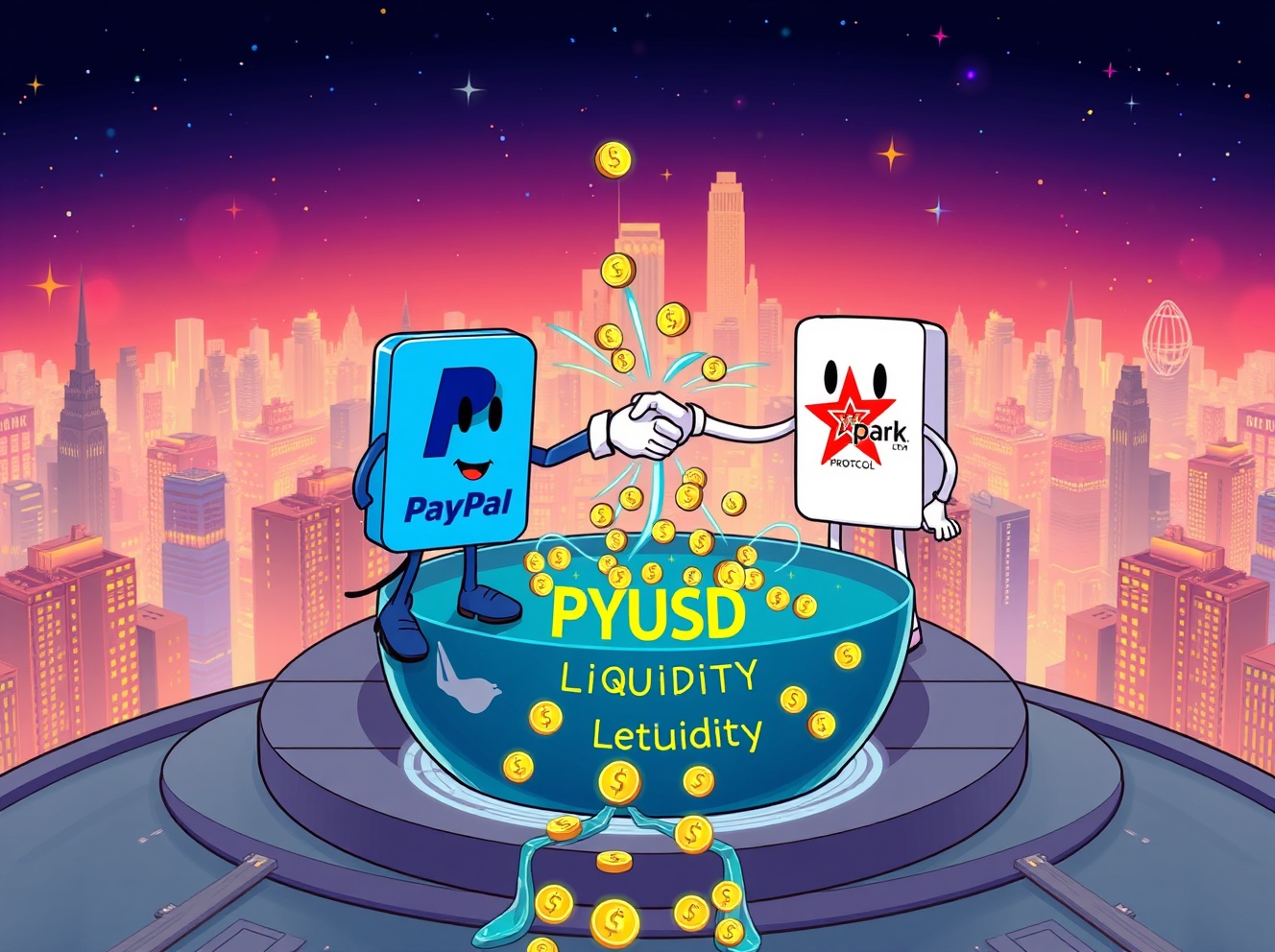
The world of stablecoins is constantly evolving, and a recent development is set to make significant waves. PayPal, a household name in digital payments, has teamed up with the decentralized finance (DeFi) protocol Spark. This strategic collaboration aims to significantly boost PYUSD liquidity, marking a crucial step for PayPal’s stablecoin in the DeFi landscape.

Understanding the Boost to PYUSD Liquidity

This partnership is a game-changer for PayPal’s stablecoin, PYUSD. As Cointelegraph reported, SparkLend has become a key platform for PYUSD. Since its integration in August, PYUSD has attracted over $135 million in deposits on SparkLend. This impressive figure highlights the growing interest and trust in PayPal’s stablecoin within the DeFi community.

What does this mean for users?

  • Increased Accessibility: More platforms mean easier access to PYUSD.
  • Better Trading Conditions: Higher liquidity often leads to tighter spreads and less price slippage.
  • Enhanced Utility: PYUSD can be used more effectively across various DeFi applications.

The goal is clear: to make PYUSD a more robust and widely adopted asset within the decentralized financial ecosystem by improving its PYUSD liquidity.

Why is PYUSD Liquidity So Important for Stablecoins?

Liquidity is the lifeblood of any financial asset, and stablecoins are no exception. For PYUSD, strong liquidity ensures its stability and usability. Imagine trying to buy or sell a large amount of PYUSD without enough liquidity — it would be difficult and potentially costly. This is where the Spark partnership comes into play, directly addressing this need.

Key benefits of enhanced PYUSD liquidity include:

  • Price Stability: Greater liquidity helps maintain the stable peg of PYUSD to the US dollar.
  • Reduced Volatility: It minimizes large price swings during significant buy or sell orders.
  • Improved Confidence: Users feel more secure knowing they can easily convert PYUSD when needed.
  • Wider Adoption: As liquidity grows, more exchanges and protocols are likely to list and integrate PYUSD.

PayPal’s move to enhance PYUSD liquidity through Spark is a strategic decision that signals its long-term commitment to the stablecoin market and its integration with DeFi.

How Does This Partnership Impact the Broader DeFi Ecosystem?

The collaboration between a traditional finance giant like PayPal and a DeFi protocol like Spark bridges two worlds. It not only benefits PYUSD but also brings mainstream attention and trust to the broader DeFi ecosystem. This move could inspire other traditional financial institutions to explore similar partnerships, fostering innovation and growth in decentralized finance.

The deposits on SparkLend demonstrate a tangible impact. Users are actively engaging with PYUSD, utilizing it for lending and borrowing within the protocol. This organic growth in usage is a strong indicator of the stablecoin’s potential to become a significant player in the DeFi space, driven by robust PYUSD liquidity.

What Challenges and Opportunities Lie Ahead for PYUSD?

While the partnership with Spark offers significant opportunities, challenges remain. Regulatory scrutiny around stablecoins continues to evolve, and competition from established stablecoins is fierce. However, PayPal’s brand recognition and vast user base provide a unique advantage. The increased PYUSD liquidity positions it well to capture a substantial share of the market.

The opportunity lies in leveraging PayPal’s global reach and integrating PYUSD into its existing payment infrastructure. Imagine seamless PYUSD transactions across millions of merchants worldwide. This potential utility, combined with strong DeFi integration, could make PYUSD a dominant force.

A Glimpse into the Future of Stablecoins

PayPal’s partnership with Spark to boost PYUSD liquidity is more than just a collaboration; it’s a testament to the evolving financial landscape. It highlights the growing convergence of traditional finance and decentralized innovation. As PYUSD continues to gain traction, it will be exciting to watch how this stablecoin shapes the future of digital payments and the broader DeFi ecosystem.

This strategic alliance ensures that PYUSD is not just another stablecoin but a well-supported asset with a clear path to widespread adoption and utility.

Frequently Asked Questions (FAQs)

What is PYUSD?

PYUSD is PayPal’s US dollar-pegged stablecoin, designed to facilitate digital payments and enable seamless transfers within and outside the PayPal ecosystem.

What is Spark Protocol?

Spark Protocol is a decentralized finance (DeFi) lending and borrowing platform, similar to Aave, that allows users to deposit assets to earn interest or borrow against their collateral.

How does this partnership increase PYUSD liquidity?

By integrating PYUSD into SparkLend, users can deposit PYUSD to earn yields or use it as collateral for loans, thereby increasing the available supply and demand for the stablecoin within the DeFi ecosystem.

Why is liquidity crucial for a stablecoin like PYUSD?

High liquidity ensures that PYUSD can be easily bought and sold without significant price fluctuations, maintaining its peg to the US dollar and making it a reliable medium for transactions and value storage.

What are the potential benefits for PayPal users?

PayPal users could benefit from enhanced utility for PYUSD, including opportunities for earning yields in DeFi, easier access to decentralized financial services, and potentially lower transaction costs for cross-border payments.

If you found this article insightful, consider sharing it with your network! Stay informed on the latest developments in stablecoins and decentralized finance by following our updates.

To learn more about the latest crypto market trends, explore our article on key developments shaping stablecoins institutional adoption.

This post PYUSD Liquidity: Unlocking Massive Growth Through PayPal’s Spark Partnership first appeared on BitcoinWorld.

Market Opportunity
Illusion of Life Logo
Illusion of Life Price(SPARK)
$0.002273
$0.002273$0.002273
-12.61%
USD
Illusion of Life (SPARK) Live Price Chart
Disclaimer: The articles reposted on this site are sourced from public platforms and are provided for informational purposes only. They do not necessarily reflect the views of MEXC. All rights remain with the original authors. If you believe any content infringes on third-party rights, please contact service@support.mexc.com for removal. MEXC makes no guarantees regarding the accuracy, completeness, or timeliness of the content and is not responsible for any actions taken based on the information provided. The content does not constitute financial, legal, or other professional advice, nor should it be considered a recommendation or endorsement by MEXC.

You May Also Like

Q4 2025 May Have Marked the End of the Crypto Bear Market: Bitwise

Q4 2025 May Have Marked the End of the Crypto Bear Market: Bitwise

The fourth quarter of 2025 may have quietly signaled the end of the crypto bear market, according to a new report from digital asset manager Bitwise, even as prices
Share
CryptoNews2026/01/22 15:06
CEO Sandeep Nailwal Shared Highlights About RWA on Polygon

CEO Sandeep Nailwal Shared Highlights About RWA on Polygon

The post CEO Sandeep Nailwal Shared Highlights About RWA on Polygon appeared on BitcoinEthereumNews.com. Polygon CEO Sandeep Nailwal highlighted Polygon’s lead in global bonds, Spiko US T-Bill, and Spiko Euro T-Bill. Polygon published an X post to share that its roadmap to GigaGas was still scaling. Sentiments around POL price were last seen to be bearish. Polygon CEO Sandeep Nailwal shared key pointers from the Dune and RWA.xyz report. These pertain to highlights about RWA on Polygon. Simultaneously, Polygon underlined its roadmap towards GigaGas. Sentiments around POL price were last seen fumbling under bearish emotions. Polygon CEO Sandeep Nailwal on Polygon RWA CEO Sandeep Nailwal highlighted three key points from the Dune and RWA.xyz report. The Chief Executive of Polygon maintained that Polygon PoS was hosting RWA TVL worth $1.13 billion across 269 assets plus 2,900 holders. Nailwal confirmed from the report that RWA was happening on Polygon. The Dune and https://t.co/W6WSFlHoQF report on RWA is out and it shows that RWA is happening on Polygon. Here are a few highlights: – Leading in Global Bonds: Polygon holds 62% share of tokenized global bonds (driven by Spiko’s euro MMF and Cashlink euro issues) – Spiko U.S.… — Sandeep | CEO, Polygon Foundation (※,※) (@sandeepnailwal) September 17, 2025 The X post published by Polygon CEO Sandeep Nailwal underlined that the ecosystem was leading in global bonds by holding a 62% share of tokenized global bonds. He further highlighted that Polygon was leading with Spiko US T-Bill at approximately 29% share of TVL along with Ethereum, adding that the ecosystem had more than 50% share in the number of holders. Finally, Sandeep highlighted from the report that there was a strong adoption for Spiko Euro T-Bill with 38% share of TVL. He added that 68% of returns were on Polygon across all the chains. Polygon Roadmap to GigaGas In a different update from Polygon, the community…
Share
BitcoinEthereumNews2025/09/18 01:10
WWE Royal Rumble 2026: Confirmed Entrants, Updated Card

WWE Royal Rumble 2026: Confirmed Entrants, Updated Card

The post WWE Royal Rumble 2026: Confirmed Entrants, Updated Card appeared on BitcoinEthereumNews.com. DUESSELDORF, GERMANY – JANUARY 12: Liv Morgan and Roxanne
Share
BitcoinEthereumNews2026/01/22 15:14
