Oil Prices Climb on Renewed Middle East Risk, Rabobank Warns
BitcoinWorld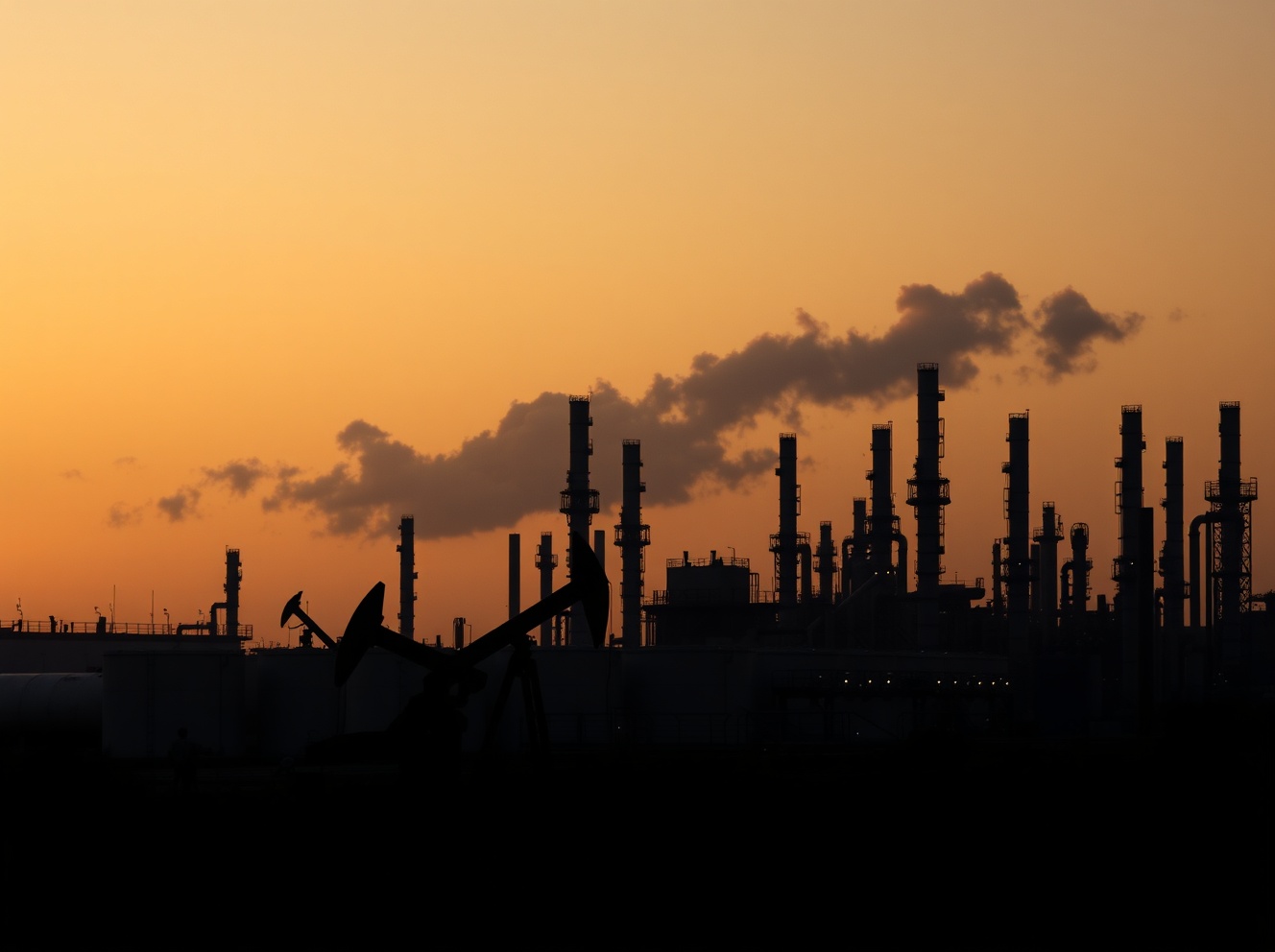
Oil Prices Climb on Renewed Middle East Risk, Rabobank Warns
Oil prices are edging higher as fresh geopolitical tensions in the Middle East fuel supply disruption fears, according to a new analysis from Rabobank. The Dutch lender’s commodity desk noted that the risk premium embedded in crude benchmarks has widened, reflecting heightened uncertainty across the region.
Rabobank’s Assessment of the Risk Premium
In a note published this week, Rabobank analysts highlighted that the recent price action in Brent and West Texas Intermediate (WTI) crude is being driven less by demand fundamentals and more by a recalibration of geopolitical risk. The bank points to a series of incidents in the Strait of Hormuz and ongoing tensions involving key regional producers as the primary catalysts. Rabobank’s model suggests that the current risk premium could add $5 to $8 per barrel in the near term if no de-escalation occurs.
Market Reaction and Broader Implications
Brent crude futures have risen approximately 3% over the past week, with traders closely watching diplomatic channels. The move comes amid a broader environment of tight global inventories and OPEC+ production discipline. For consumers, sustained higher oil prices could translate into elevated gasoline and heating costs, adding to inflationary pressures in major economies. Analysts at other institutions have echoed Rabobank’s caution, though some argue that the market may be overpricing the likelihood of a significant supply outage.
What This Means for Investors and Policymakers
The Rabobank report serves as a reminder that geopolitical risk remains a dominant factor in energy markets. For central banks, a prolonged spike in oil prices complicates the inflation outlook, potentially delaying interest rate cuts. Energy-dependent industries, from airlines to logistics, face renewed margin pressure. Rabobank advises clients to hedge against further upside risk, particularly for short-term exposures.
Conclusion
Rabobank’s analysis underscores that the current rise in oil prices is fundamentally a story of geopolitical risk rather than demand strength. While the situation remains fluid, the bank’s assessment provides a clear framework for understanding the market’s reaction. Traders and policymakers alike should monitor Middle East developments closely, as the direction of oil prices in the coming weeks will depend heavily on diplomatic outcomes.
FAQs
Q1: Why are oil prices rising according to Rabobank?
Rabobank attributes the rise to an increased geopolitical risk premium from Middle East tensions, not a surge in demand.
Q2: How much could the risk premium add to oil prices?
Rabobank estimates the current risk premium could add $5 to $8 per barrel if tensions persist without de-escalation.
Q3: What are the broader economic implications of higher oil prices?
Sustained higher oil prices could increase inflation, delay central bank rate cuts, and raise costs for energy-intensive industries like airlines and logistics.
This post Oil Prices Climb on Renewed Middle East Risk, Rabobank Warns first appeared on BitcoinWorld.


You May Also Like

TikTok Shop Philippines bullish over sales growth this year
Trump family member drops sobering warning about president's new 'chilling' move