

South Korea Delays Stablecoin Regulation as Key Committee Skips Digital Asset Bill
BitcoinWorld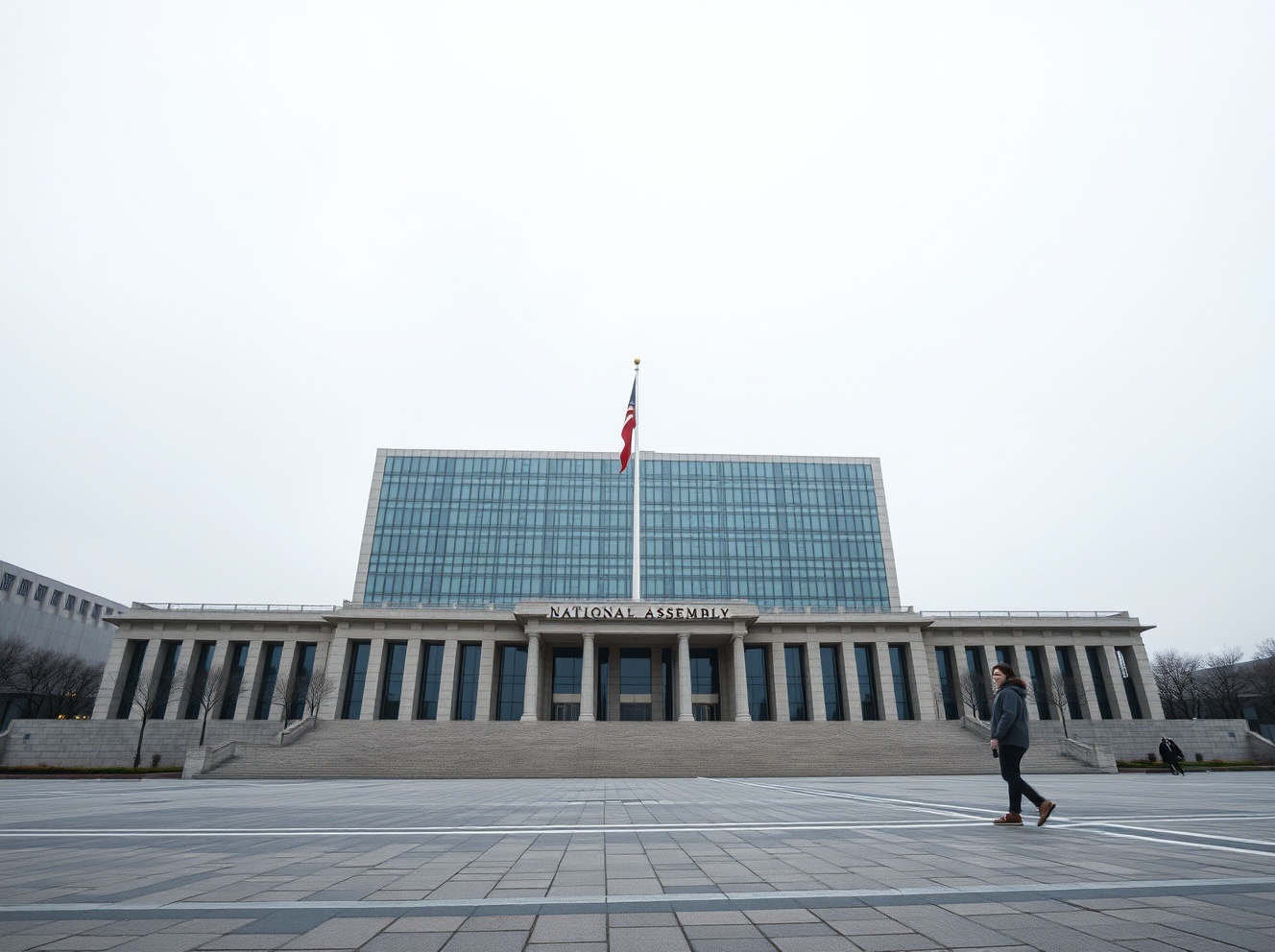
South Korea Delays Stablecoin Regulation as Key Committee Skips Digital Asset Bill
South Korea’s push to regulate stablecoins and complete its second phase of crypto legislation has hit a procedural delay. The National Assembly’s National Policy Committee has dropped a proposed basic act on digital assets from the agenda of its final subcommittee meeting for the first half of the year, according to a report by Edaily.
Capital Markets Act Moves Forward, Crypto Bill Left Behind
The subcommittee convened today to discuss finance-related legislation, including the Capital Markets Act. However, the proposed basic act on digital assets — which forms the second phase of South Korea’s crypto regulatory framework and includes provisions for stablecoins — was excluded from the discussion. The meeting marks the committee’s last subcommittee session before the parliamentary recess.
This means formal deliberations on the digital asset legislation are now unlikely to begin until after the June 3 local elections, when a new parliamentary session is formed. The delay pushes back the timeline for stablecoin-specific rules, which were expected to follow the country’s first-phase crypto investor protection law enacted in 2023.
Why This Matters for the Crypto Industry
South Korea is one of the world’s most active cryptocurrency markets, with a high retail participation rate. Clear stablecoin regulation is seen as critical for market stability, consumer protection, and the growth of legitimate digital asset businesses in the country.
The delay creates uncertainty for exchanges, stablecoin issuers, and investors who were anticipating a more defined legal environment. It also leaves South Korea behind other major jurisdictions, such as the European Union, which has already implemented its Markets in Crypto-Assets (MiCA) framework, and Japan, which has had stablecoin rules in place since 2023.
What the Second-Phase Legislation Covers
The proposed basic act on digital assets is expected to address several key areas beyond the initial investor protection law:
- Stablecoin regulation: Issuance, reserve requirements, and redemption standards
- Licensing and supervision: Requirements for crypto service providers
- Market conduct rules: Standards for trading, listing, and disclosure
- Cross-border transactions: Guidelines for international crypto transfers
Without this legislation, the regulatory gap may persist, potentially affecting institutional adoption and market integrity.
Political Calendar Drives Regulatory Timeline
The delay is procedural rather than substantive. South Korea’s legislative calendar is heavily influenced by election cycles. The June 3 local elections will temporarily shift political attention, and the formation of a new parliamentary session afterward will determine committee assignments and legislative priorities.
Industry observers note that while the delay is disappointing, it does not signal a change in policy direction. Both major political parties have expressed support for comprehensive digital asset regulation. The question is when, not if, the legislation will advance.
Conclusion
The exclusion of the digital asset basic act from the National Policy Committee’s agenda means stablecoin regulation in South Korea will face a delay of at least several months. The next opportunity for progress will come after the June 3 local elections, when a new parliamentary session convenes. For now, the crypto industry in South Korea remains in a regulatory holding pattern, awaiting clarity on stablecoin rules that are essential for market development and international competitiveness.
FAQs
Q1: Why was the stablecoin bill dropped from the committee agenda?
The National Policy Committee held its final subcommittee meeting for the first half of the year and did not include the digital asset basic act in the discussion. This is a procedural decision, not a policy rejection.
Q2: When will South Korea’s stablecoin regulation be discussed again?
Deliberations are expected to resume after the June 3 local elections, when a new parliamentary session is formed and committee assignments are finalized.
Q3: What does the second-phase crypto legislation cover?
The proposed law includes stablecoin regulation, licensing requirements for crypto service providers, market conduct rules, and guidelines for cross-border transactions. It builds on the first-phase investor protection law enacted in 2023.
This post South Korea Delays Stablecoin Regulation as Key Committee Skips Digital Asset Bill first appeared on BitcoinWorld.


You May Also Like

Not a loophole: Singapore AI export controls let China tap US AI legally

LIST: Bayanihan initiatives amid soaring oil prices

Crypto Hack: Drift Protocol Drained Over $200M in Private Key Breach



