

Pi Network Strengthens Ecosystem Inclusion Standards for Developers
Pi Network Strengthens Ecosystem Inclusion Standards for Developers
The Pi Network ecosystem continues to refine its internal governance framework as it moves toward a more structured and mature Web3 environment.
A recent discussion shared by Diazag3 highlights important reminders for developers building applications within the ecosystem, particularly regarding naming compliance and conceptual clarity around valuation models.
These guidelines are becoming increasingly relevant as more decentralized applications seek inclusion within the Pi Network ecosystem, which is evolving into a more regulated and structured digital environment.
The emphasis is now shifting toward ensuring that applications meet clear standards before being approved for ecosystem integration.
Strict Naming Rules for Ecosystem Applications
One of the key points raised in the discussion is the restriction on using the name “Pi” within application branding unless explicitly permitted under ecosystem guidelines.
According to the statement shared by Diazag3, using the name “Pi” improperly may be considered a violation of ecosystem rules.
This type of restriction is typically implemented to protect brand integrity, prevent confusion among users, and ensure that official ecosystem identity remains consistent across applications.
In many blockchain ecosystems, naming conventions are strictly regulated to avoid misleading associations or unauthorized branding usage.
For developers, this means that careful attention must be given to how applications are named and presented before submission to the ecosystem.
Failure to comply with naming rules could result in rejection or removal from the application list.
Understanding Ecosystem Value Concepts GAV and GCV
Another important clarification highlighted in the discussion involves the distinction between different value models within the Pi Network ecosystem.
The statement from Diazag3 emphasizes that GAV and GCV are separate conceptual frameworks from the actual market value of tokens within the ecosystem.
This distinction is important because valuation narratives in crypto ecosystems can often be misunderstood or misrepresented.
GAV and GCV are typically used in community discussions to describe theoretical or analytical value models rather than actual exchange based pricing.
In contrast, token value within the ecosystem is determined by real market dynamics, utility, and supply and demand conditions.
Understanding this difference is essential for both developers and users to avoid confusion regarding pricing expectations and ecosystem economics.
Why Value Clarity Matters in Web3 Ecosystems
In decentralized ecosystems, clarity around economic models plays a critical role in maintaining trust and stability.
Misinterpretation of value concepts can lead to unrealistic expectations, speculative behavior, or misinformation within the community.
By clearly separating theoretical valuation frameworks from actual token market value, ecosystems can promote more informed participation.
The clarification shared by Diazag3 reflects an effort to ensure that developers and users operate with a shared understanding of how value is defined and interpreted within the Pi Network ecosystem.
This is particularly important as more applications begin to integrate financial functions and utility based mechanisms.
Ecosystem Inclusion Requirements for Developers
As Pi Network expands its ecosystem, inclusion requirements for applications are becoming more structured.
Developers are expected to follow specific guidelines related to branding, functionality, compliance, and ecosystem alignment.
The discussion highlights that understanding these requirements is essential before attempting to integrate applications into the network.
Ecosystem inclusion is not solely based on technical capability but also on adherence to governance rules and conceptual alignment with network standards.
The statement from Diazag3 reinforces the importance of following official guidelines to ensure that applications meet ecosystem expectations.
This includes respecting naming rules, avoiding misleading value claims, and aligning with approved ecosystem frameworks.
Preventing Misuse of Ecosystem Branding
Brand protection is a critical aspect of any growing digital ecosystem.
When a project gains global recognition, its name and identity can become vulnerable to misuse or unauthorized association.
Restricting the use of official ecosystem names helps prevent confusion among users and ensures that only verified applications are associated with the core brand.
 |
| Source: Xpost |
In the context of Pi Network, this means that developers must carefully consider how they position their applications within the ecosystem.
Unauthorized use of the “Pi” name could lead to misinterpretation of official endorsement or affiliation.
The reminder shared by Diazag3 highlights the importance of maintaining clear boundaries between official ecosystem identity and third party applications.
The Role of Governance in Ecosystem Growth
As blockchain ecosystems evolve, governance becomes a central component of sustainable development.
Governance frameworks define how rules are created, enforced, and updated within decentralized systems.
In the case of Pi Network, ecosystem guidelines are increasingly focused on ensuring quality, compliance, and clarity across all participating applications.
This includes rules related to branding, valuation interpretation, and ecosystem integration standards.
The discussion initiated by Diazag3 reflects a broader trend in Web3 ecosystems where structured governance is used to support long term stability.
Without governance mechanisms, ecosystems risk becoming fragmented or inconsistent in terms of application quality and user experience.
Developer Responsibility in Decentralized Ecosystems
In Web3 environments, developers play a critical role in shaping the user experience and overall ecosystem integrity.
Unlike traditional platforms where centralized authorities enforce rules, decentralized ecosystems rely heavily on developer responsibility and self regulation.
This means that developers must not only build functional applications but also ensure compliance with ecosystem standards.
The clarification provided by Diazag3 serves as a reminder that ecosystem participation requires both technical expertise and governance awareness.
Developers who understand and follow these requirements are more likely to achieve successful integration within the ecosystem.
Avoiding Misinterpretation of Economic Models
One of the recurring challenges in blockchain ecosystems is the misinterpretation of economic models and valuation frameworks.
When theoretical concepts are confused with actual market pricing, it can lead to unrealistic expectations among users and developers.
By clearly defining the difference between GAV, GCV, and token market value, Pi Network aims to reduce ambiguity and promote more accurate understanding of its ecosystem economy.
This clarity is essential for maintaining trust and preventing misinformation within the community.
The statement from Diazag3 contributes to this effort by reinforcing the importance of conceptual accuracy in ecosystem discussions.
Conclusion
The latest discussion around Pi Network ecosystem guidelines highlights the growing importance of compliance, clarity, and governance in Web3 development.
Key points include strict naming rules for applications, clear separation between valuation concepts and token market value, and adherence to ecosystem inclusion requirements.
As emphasized by Diazag3, developers must understand and follow these guidelines to ensure successful participation in the ecosystem.
As Pi Network continues to evolve, structured governance and clear developer standards will play an increasingly important role in shaping a stable and reliable decentralized environment for global users.
hoka.news – Not Just Crypto News. It’s Crypto Culture.
Writer @Victoria
Victoria Hale is a writer focused on blockchain and digital technology. She is known for her ability to simplify complex technological developments into content that is clear, easy to understand, and engaging to read.
Through her writing, Victoria covers the latest trends, innovations, and developments in the digital ecosystem, as well as their impact on the future of finance and technology. She also explores how new technologies are changing the way people interact in the digital world.
Her writing style is simple, informative, and focused on providing readers with a clear understanding of the rapidly evolving world of technology.
Disclaimer:
The articles on HOKA.NEWS are here to keep you updated on the latest buzz in crypto, tech, and beyond—but they’re not financial advice. We’re sharing info, trends, and insights, not telling you to buy, sell, or invest. Always do your own homework before making any money moves.
HOKA.NEWS isn’t responsible for any losses, gains, or chaos that might happen if you act on what you read here. Investment decisions should come from your own research—and, ideally, guidance from a qualified financial advisor. Remember: crypto and tech move fast, info changes in a blink, and while we aim for accuracy, we can’t promise it’s 100% complete or up-to-date.
Stay curious, stay safe, and enjoy the ride! hokanews.com


You May Also Like
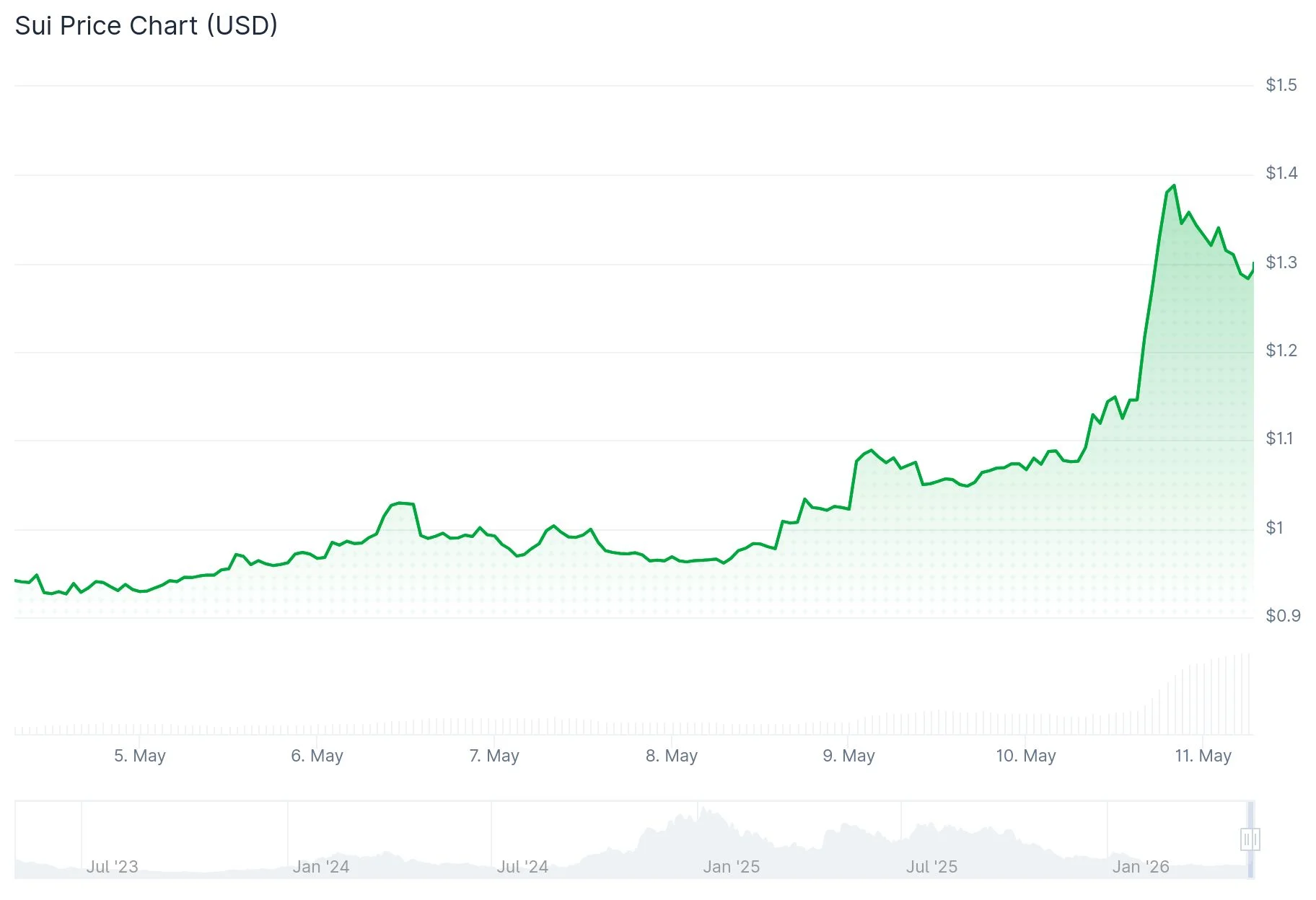
Sui (SUI) Token Rockets 50% Weekly on Institutional Staking and Privacy Tech Rollout

UK backs World Bank’s $1bn funding for Egypt




