

Liquidity Wars 3.0: Bribery Becomes a Market
Author: arndxt , Crypto KOL
Compiled by: Felix, PANews
The yield war may be on again. If you’ve been in DeFi long enough, you’ll understand that the total locked value (TVL) is just a vanity metric. Because in the competitive modular world of AMMs, perpetual contracts, and lending protocols, what really matters is who controls the flow of liquidity, not who owns the protocol, or even who issues the most rewards. It’s who can convince liquidity providers (LPs) to deposit funds and ensure that TVL remains stable. This is the origin of the bribe economy.
What were once informal ticket buying activities (Curve Wars, Convex, etc.) have now professionalized into full-fledged liquidity coordination markets, complete with order books, dashboards, incentivized routing layers, and even gamified participation mechanisms in some cases.
This is now becoming the most strategic layer in the entire DeFi stack.
Change: From issuance to meta-incentives
During 2021-2022, the protocol channeled liquidity in the traditional way:
- Deploy a funding pool
- Issuing Tokens
- Hoping that profit-seeking LPs will stay after yields drop
But this model is fundamentally flawed: it is reactive. Every new agreement competes with an invisible cost: the opportunity cost of existing capital flows.
1. The Origin of the Yield War: Curve and the Rise of the Voting Market
The concept of the yield war began with the Curve battle in 2021 and gradually became concrete.
Curve Finance’s unique design
Curve introduced the voting custody (ve) token economics, where users can lock up CRV (Curve’s native token) for up to 4 years in exchange for veCRV, which gives users the following advantages:
-
Increase the rewards of Curve pool
-
Governance with voting weight (which pools get rewards)
This creates a meta-game around benefits:
-
Protocol hopes to gain liquidity on Curve
-
And the only way to get liquidity is to attract votes to their pool
-
So they started bribing veCRV holders to vote for
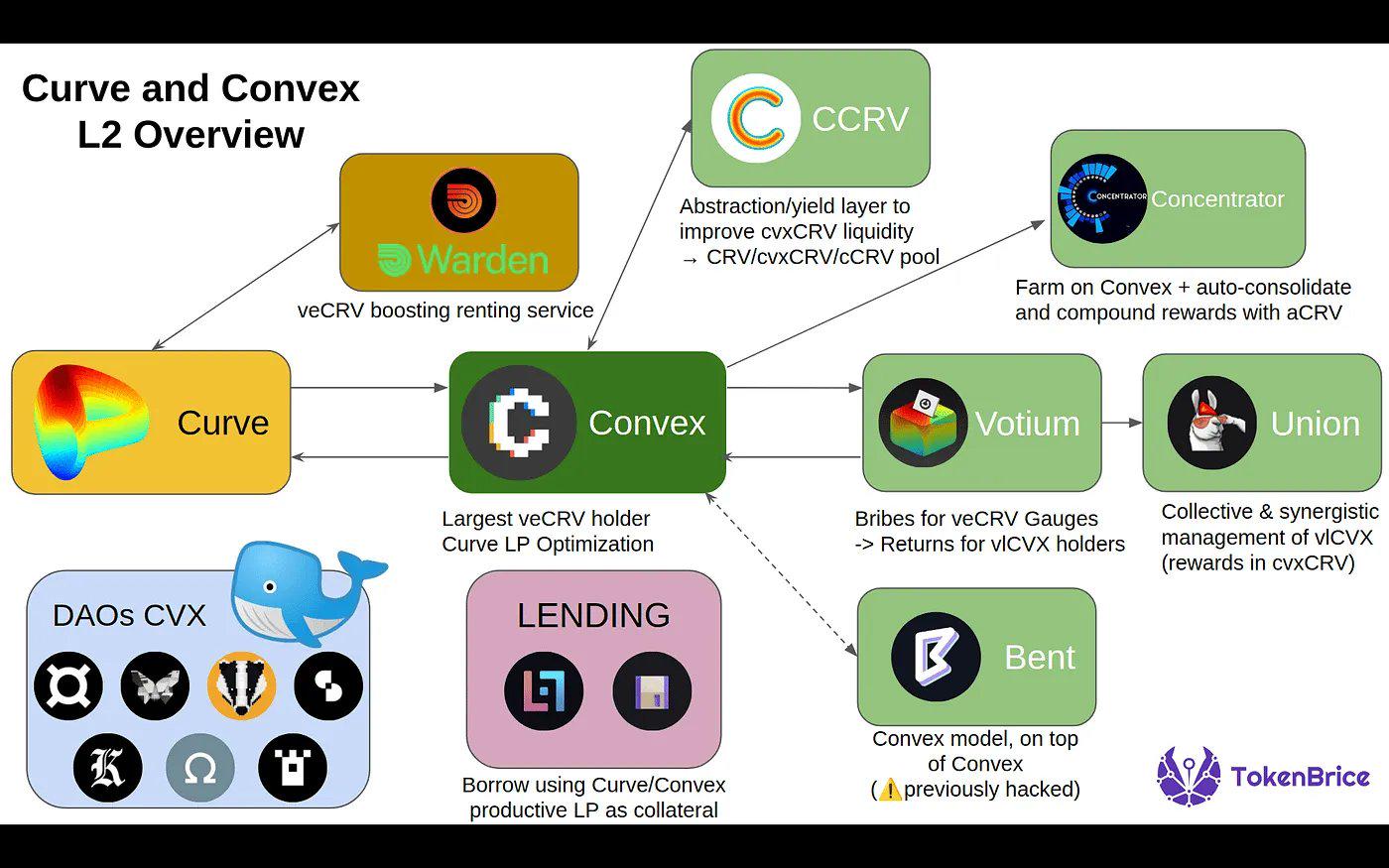
So Convex Finance came into being (a platform focused on increasing the returns of the Curve protocol):
-
Convex abstracts veCRV locking (simplifying the Curve usage process) and aggregates users’ voting power.
-
It has become the “King Maker of Curve” and has a huge influence on where CRV earnings go.
-
Projects began to bribe Convex/veCRV holders through platforms such as Votium.
Experience 1: Whoever controls the voting weight controls the liquidity.
2. Meta-Incentives and Bribery Markets
The first bribe economy
What started as a manual process to influence issuance has evolved into a full-fledged marketplace where:
- Votium becomes an OTC bribery platform for CRV issuance.
- The emergence of Redacted Cartel, Warden, and Hidden Hand has expanded this model to other protocols such as Balancer and Frax.
- Instead of simply paying issuance fees, protocols strategically allocate incentives to optimize capital efficiency.
Scaling Beyond Curve
- Balancer adopts voting escrow mechanism through veBAL
- Frax, Tokemak, and other protocols integrate similar systems
- Incentivized routing platforms like Aura Finance and Llama Airforce add further complexity, turning issuance into a capital coordination game.
Lesson 2: Returns are no longer about annualized yield (APY), but about programmable meta-incentives.
3. How the revenue war unfolds
Here’s how protocols compete in this game:
- Liquidity aggregation: Aggregate influence through wrappers like Convex (e.g. Aura Finance for Balancer)
- Bribery campaign: Reserve a budget for ongoing vote-buying to attract issuance when needed
- Game theory and token economics: locking tokens to establish long-term consistency (e.g. ve model)
- Community incentives: gamify voting through NFTs, raffles, or reward airdrops
Today, protocols like Turtle Club and Royco are channeling this liquidity: instead of blindly issuing, incentives are auctioned to LPs based on demand signals.
Essentially: “You bring the liquidity, and we direct the incentives to where it’s needed most.”
This unlocks a second-order effect: protocols no longer need to forcibly acquire liquidity, but instead coordinate it.
Turtle Club
Turtle Club has quietly become one of the most effective bribery markets with little mention. Their pools are often embedded in partnerships, with a total value locked (TVL) of over $580 million, dual token issuance, weighted bribery, and a surprisingly sticky LP base.
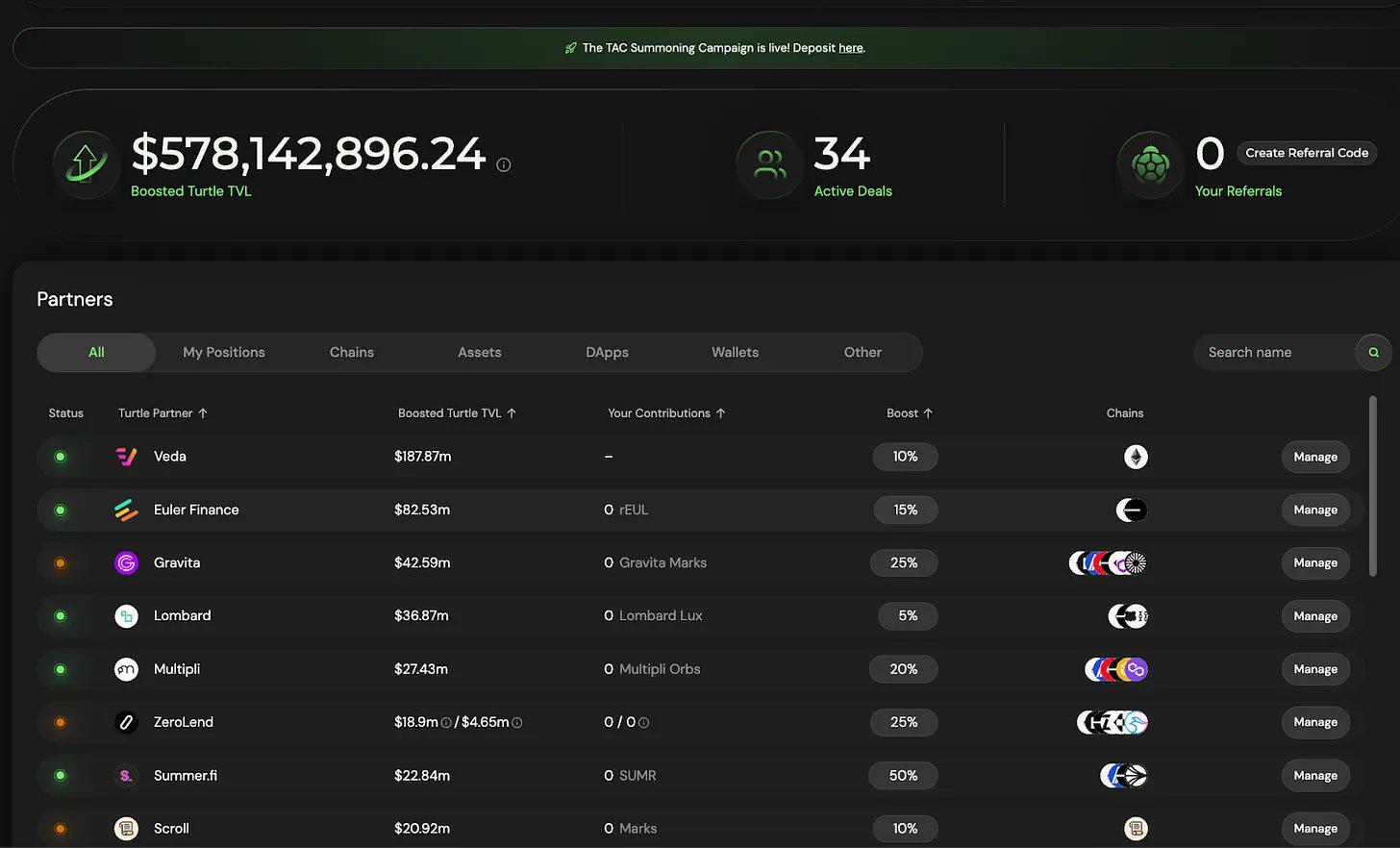
Their model emphasizes fair value redistribution, which means that the distribution of earnings is determined by voting and real-time capital turnover.
This is a smarter flywheel: LPs are rewarded with a correlation to the efficiency of their capital, not just the size of it. This time, efficiency is incentivized.
Royco
Royco’s total locked value (TVL) soared to over $2.6 billion in a single month, a 267,000% increase from the previous month.
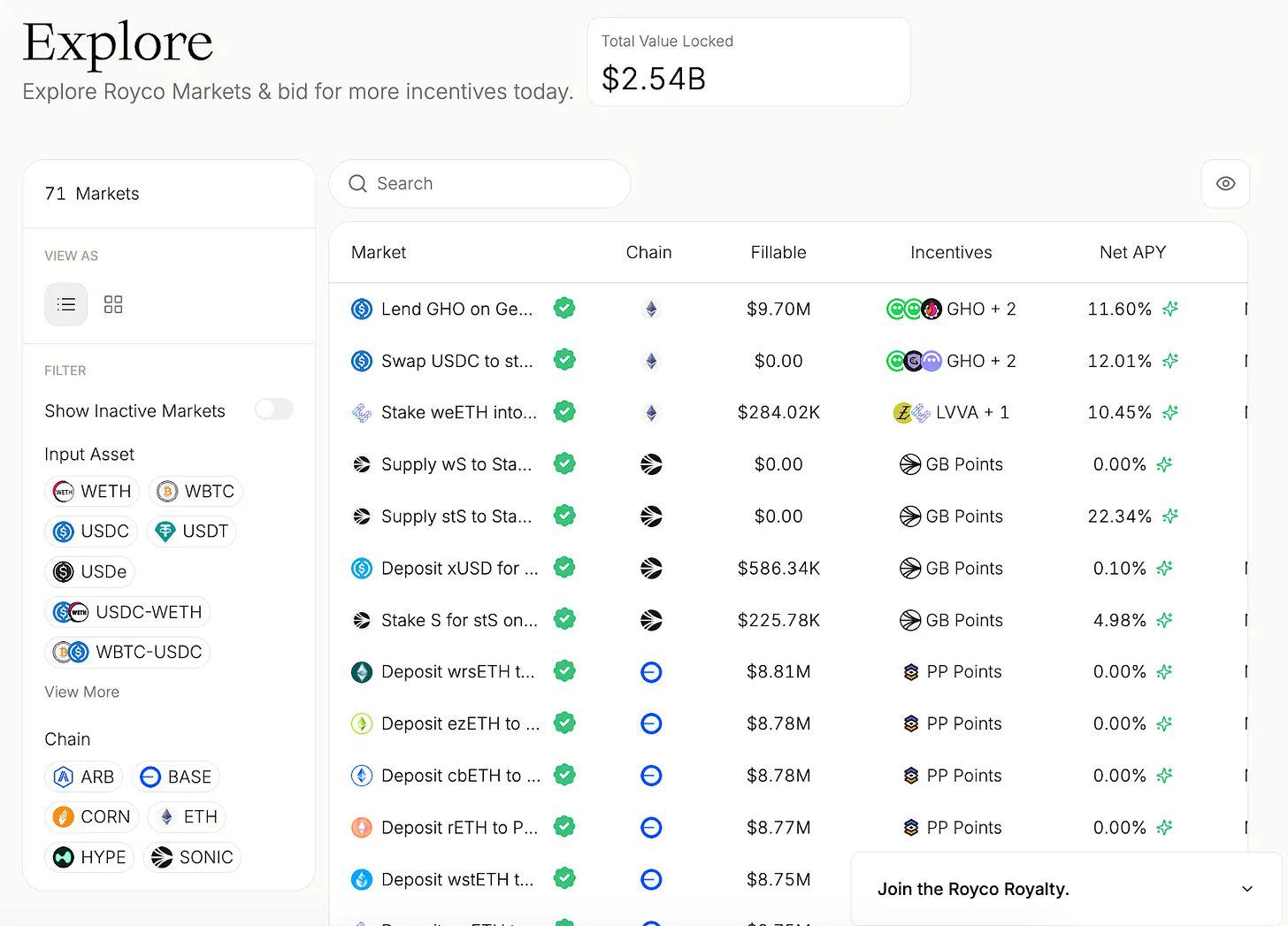
While some of this funding is “points driven”, what’s important is the infrastructure behind it:
- Royco is a liquidity-preferred order book.
- Protocols can’t just issue rewards and hope that capital comes in. They issue requests and LPs decide to invest, and this coordination forms a market.
Here’s what makes this narrative more than just a revenue play:
- These markets are becoming the meta-governance layer for DeFi.
- Hidden Hand has sent over $35 million in bribes between major protocols such as Velodrome and Balancer.
- Royco and Turtle Club are shaping effective distribution solutions.
Liquidity coordination market mechanism
1. Bribery as a market signal
Programs like Turtle Club allow LPs to understand where incentives are flowing, make decisions based on real-time metrics, and be rewarded based on capital efficiency rather than just capital size.
2. Request for Liquidity (RfL) as an Order Book
Projects like Royco allow protocols to list liquidity needs, just like posting orders on the market, and LPs execute these orders based on expected returns.
This becomes a two-way coordination game rather than a one-sided bribe.
If you can decide where liquidity flows, you can influence who survives the next market cycle.
Related reading: Migration of on-chain liquidity: After 15 months of ups and downs, who remains standing after the hype subsides?


You May Also Like

Why Most Companies Are Leaving AI (And What It’s Doing to AI Culture)

Bernstein Lifts UnitedHealth (UNH) Stock Price Target to $492 Amid Medicare Advantage Turnaround

Best Mobile User Retention Tools in 2026



